City in Return
The orders we return to
Selected sequence from a larger essayistic photobook
The city is already functioning before we enter it.
Its streets, transport networks, industrial facilities, commercial spaces and systems of access are not simply the background to urban life. They determine where we can go, how we move, what remains available and what is kept out of reach.
Yet these arrangements do not operate independently of us. Every journey, transaction, delivery, interruption and act of maintenance contributes to their continuation.
City in Return examines this relationship between the structures that organize everyday life and the people whose actions sustain them. Across seven chapters, the photographs move from infrastructure and access through circulation and exchange to moments when established functions become uncertain, traces of activity remain, and the city is altered or put back into use.
The work does not treat the city as a coherent system or its inhabitants as passive occupants. It follows the points at which individual actions and collective arrangements become difficult to separate.
What appears to be simply the way a city works is also the result of what we repeatedly do within it.
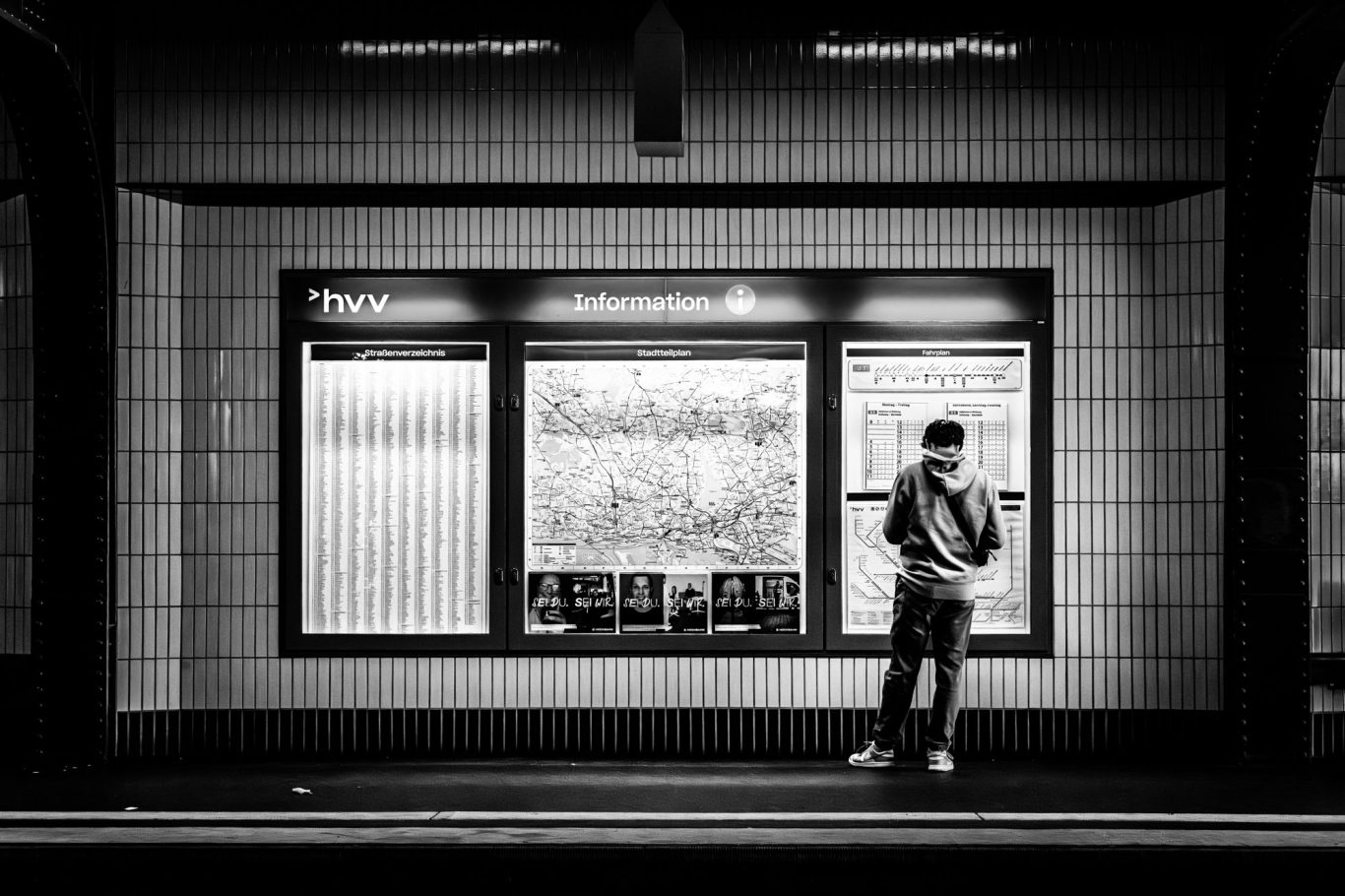
I. The City Before Us
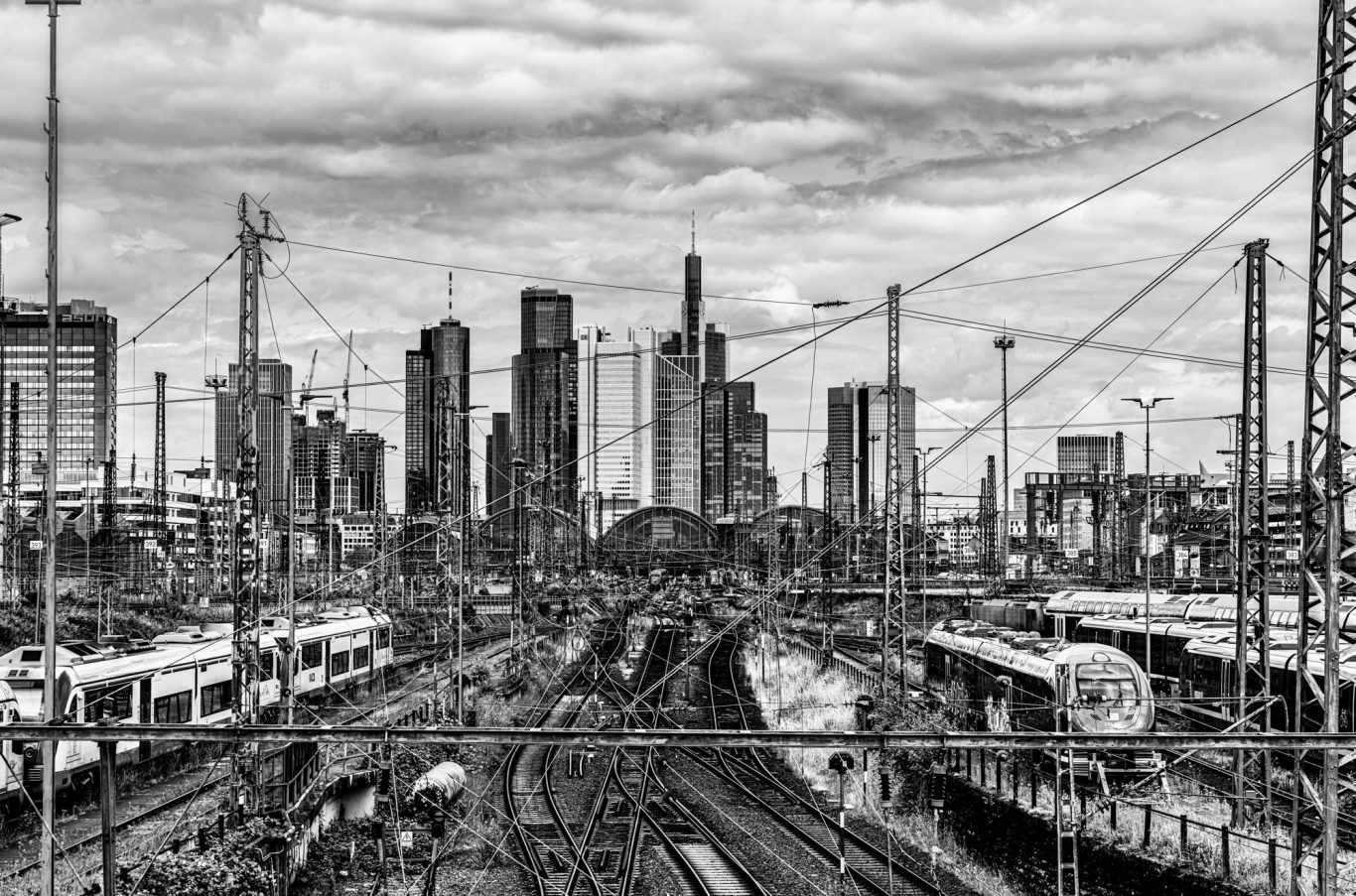
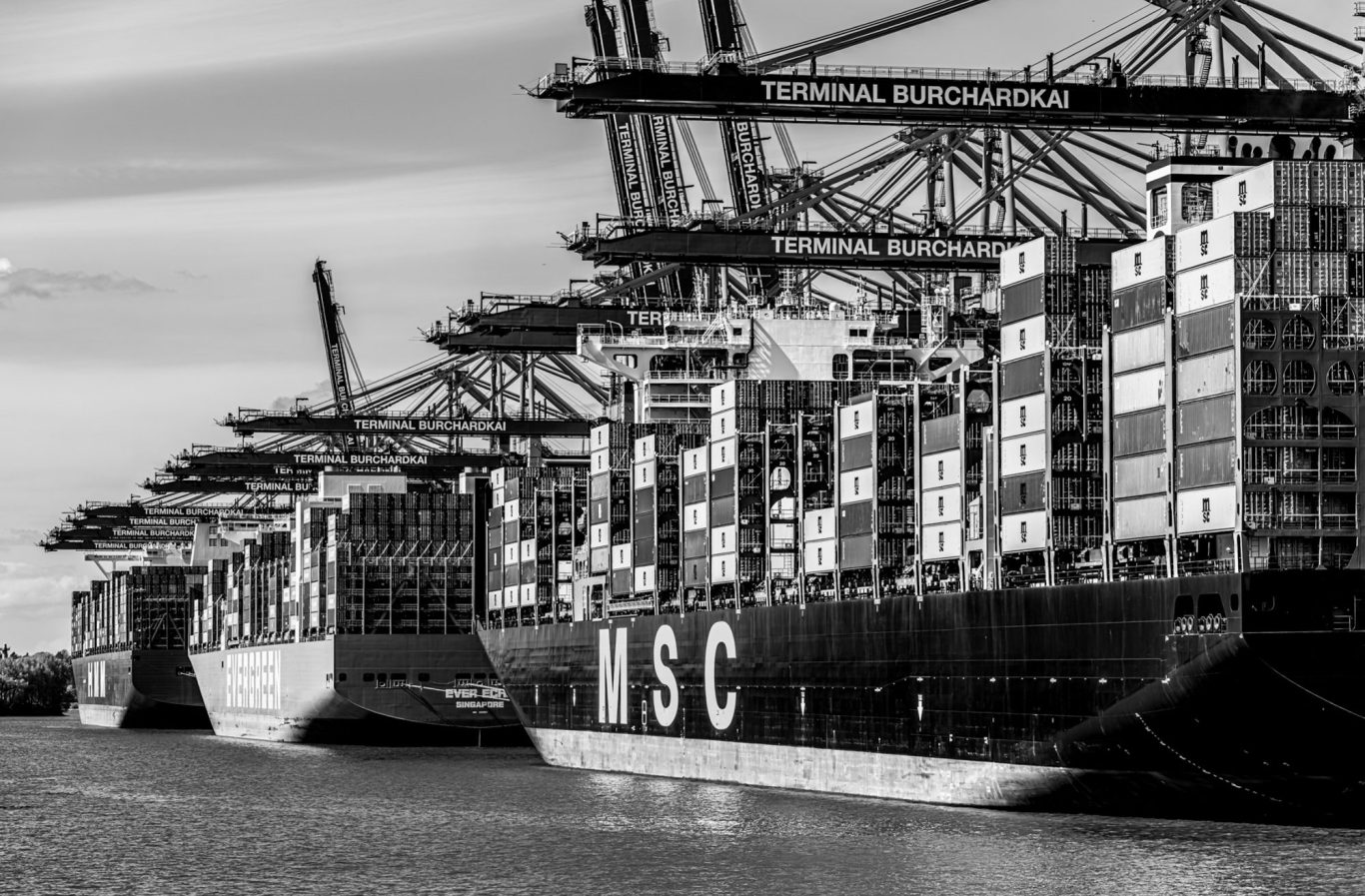
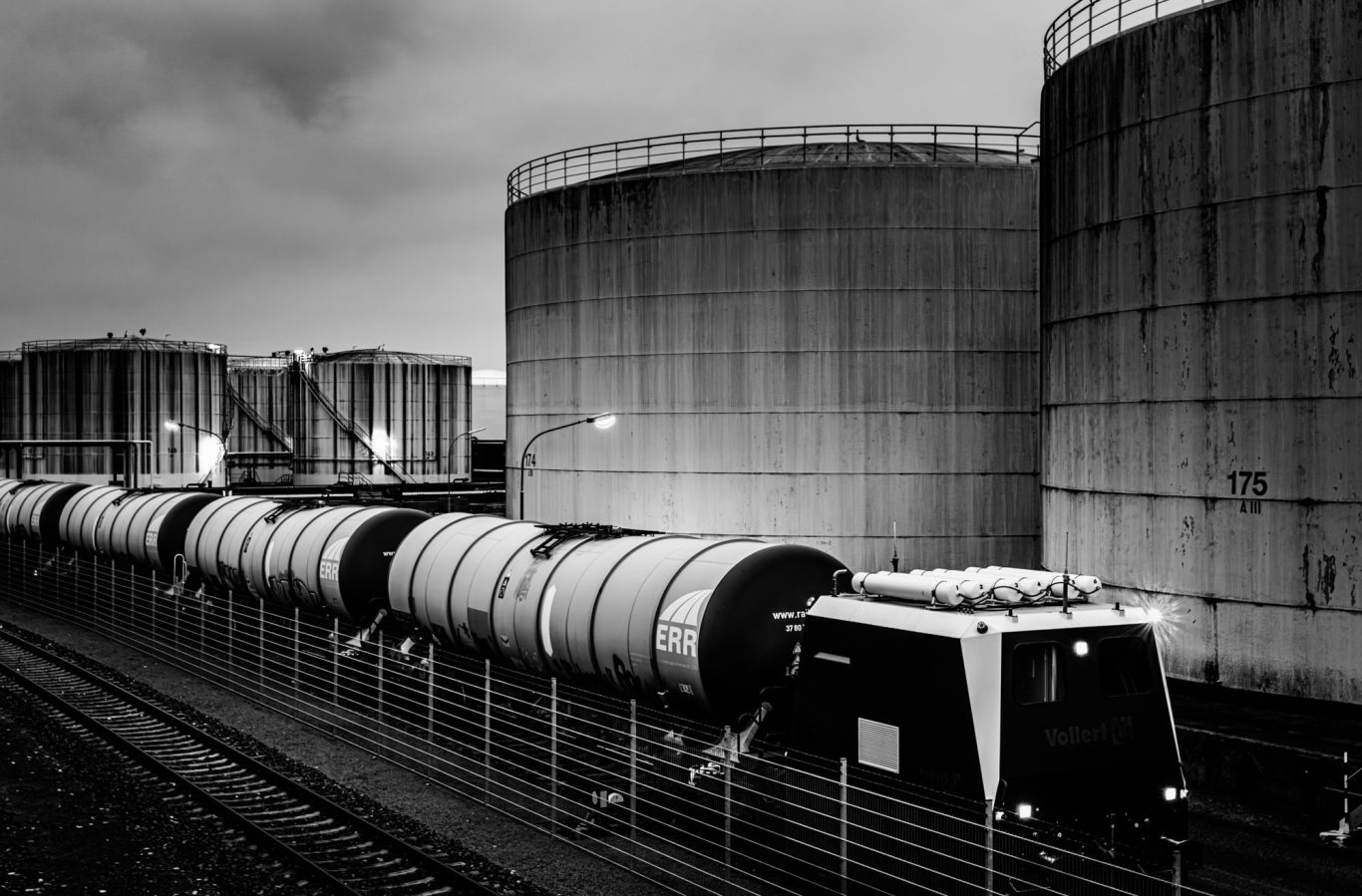
II. Terms of Entry
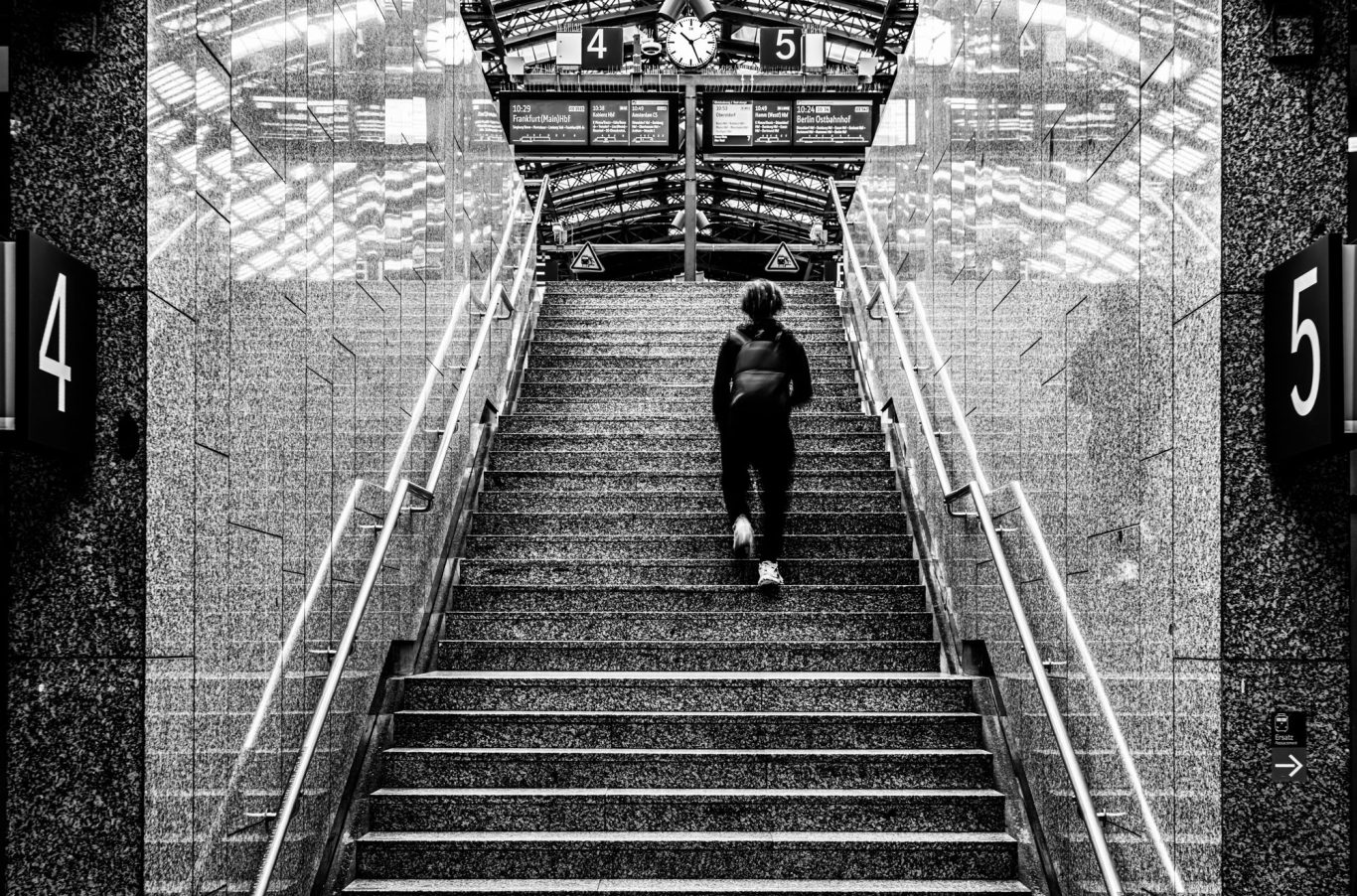
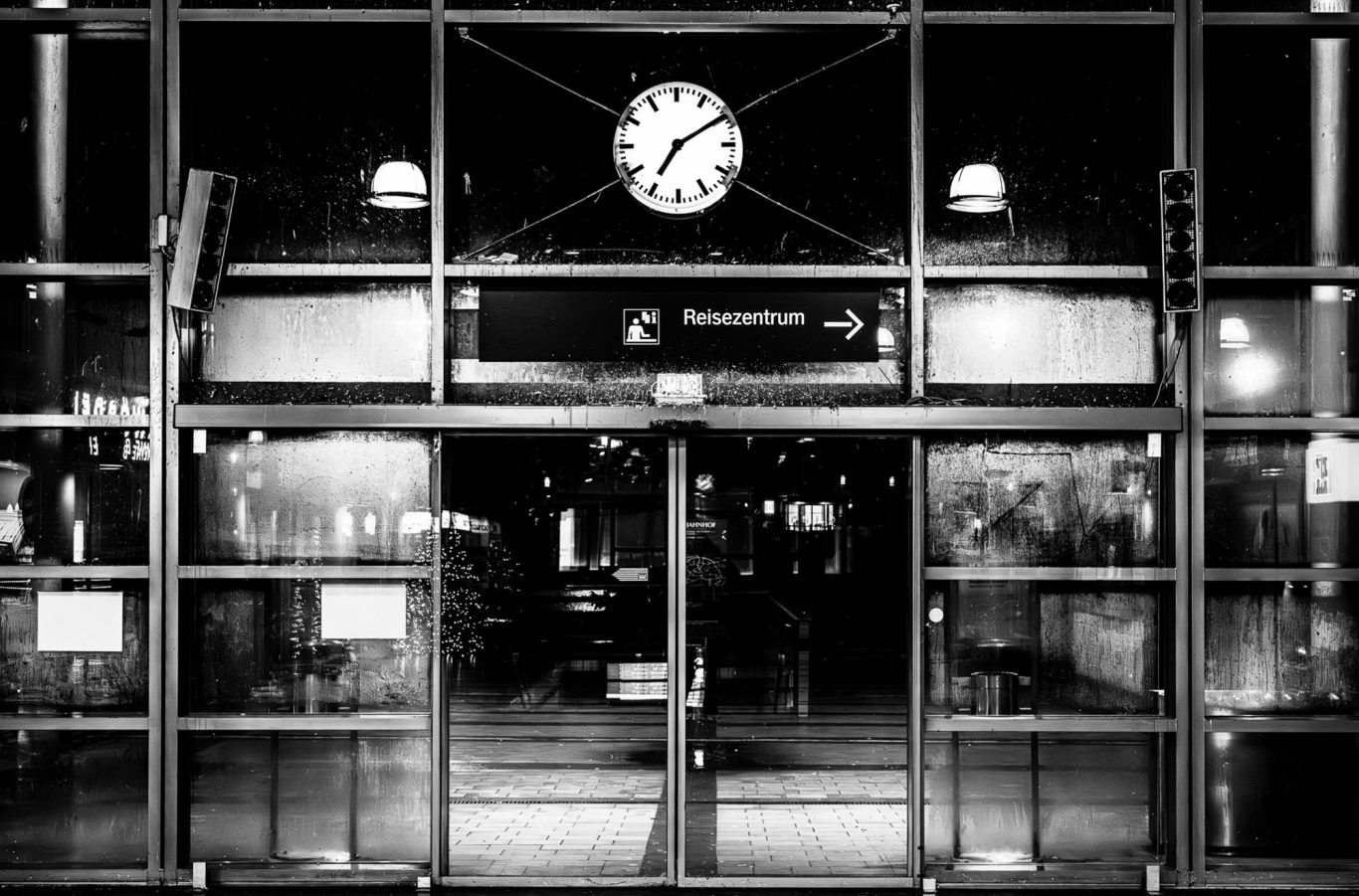
III. Moving Within
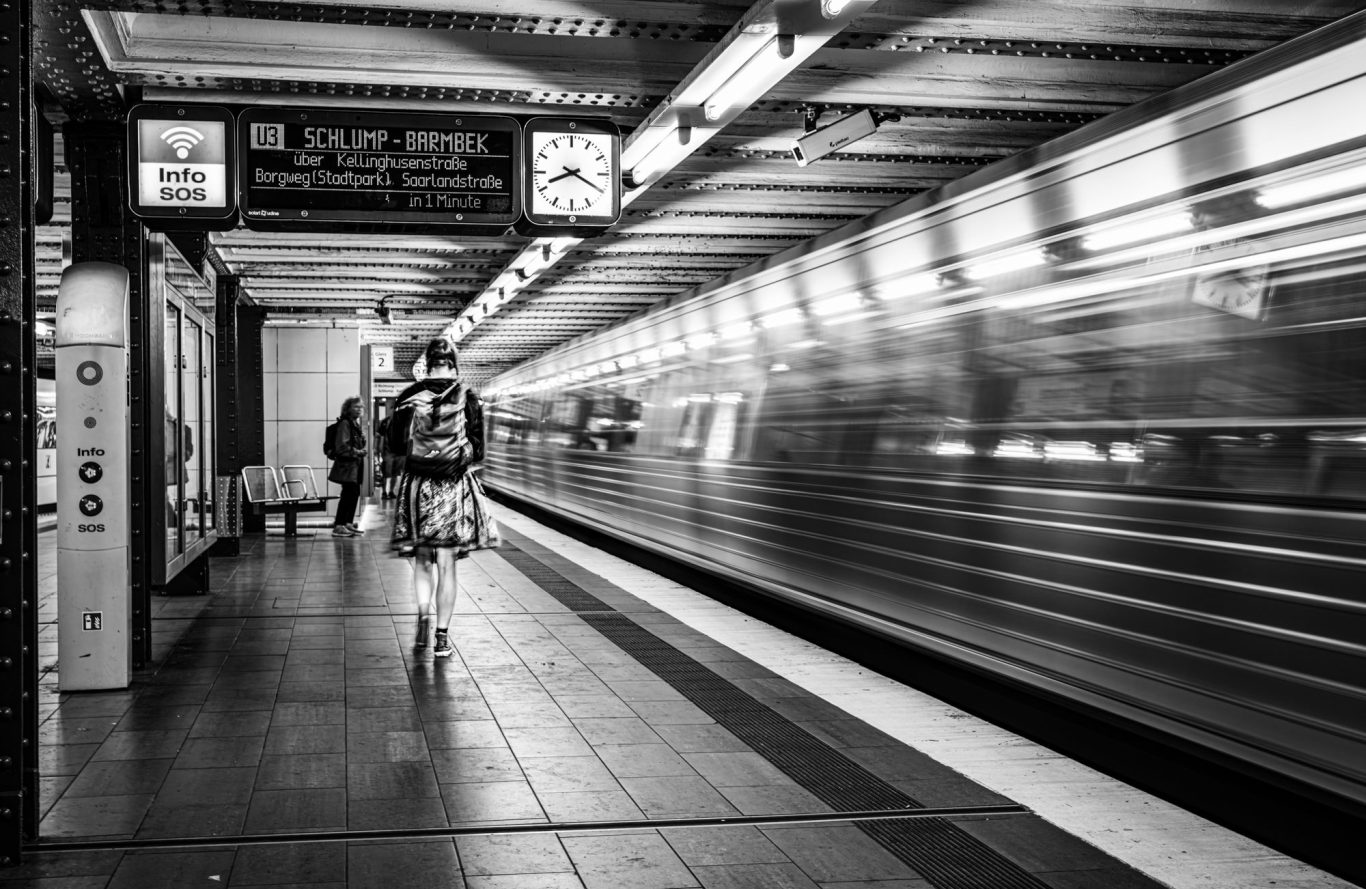
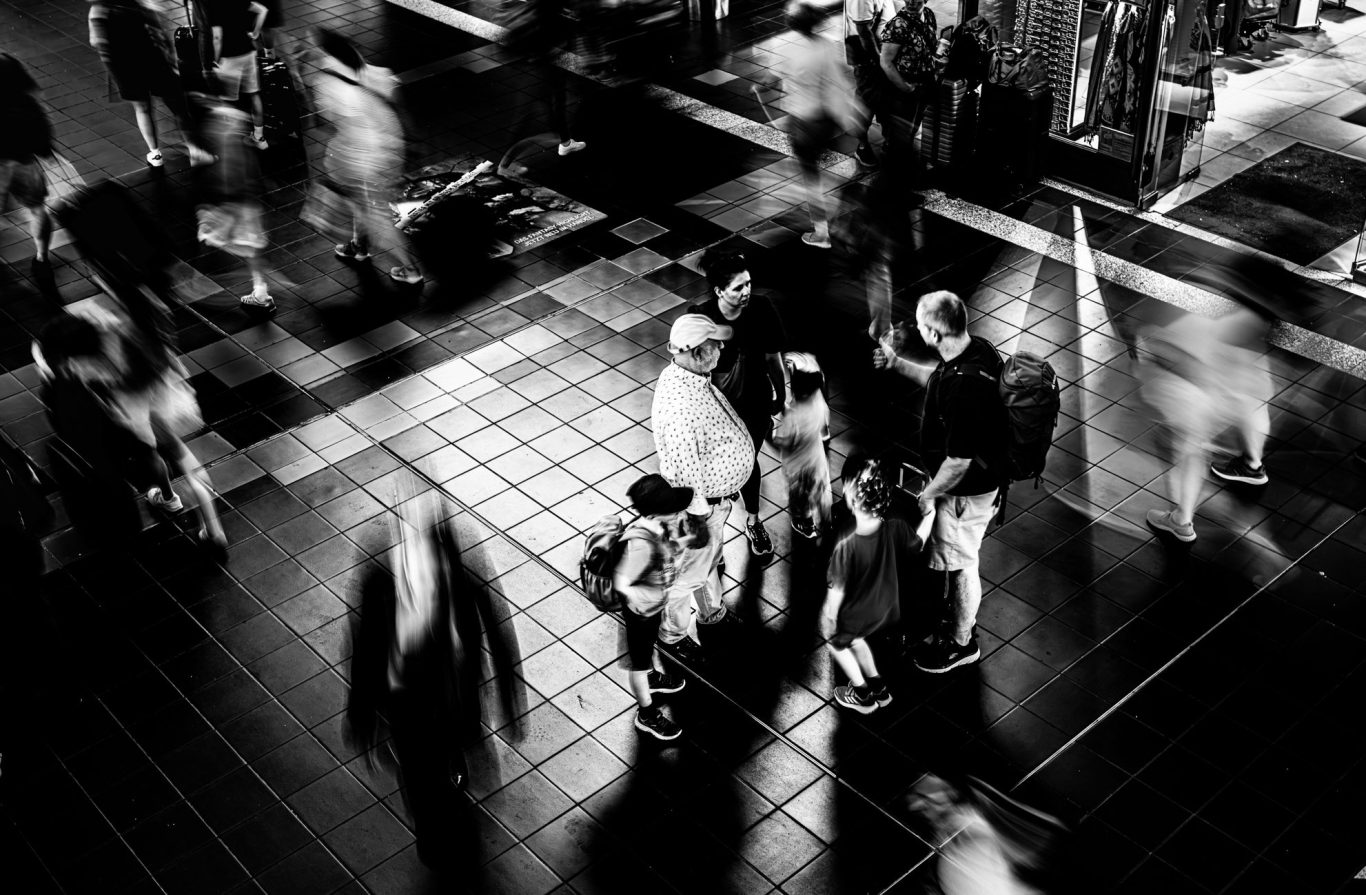
IV. Currents of Exchange
V. When Reading Breaks
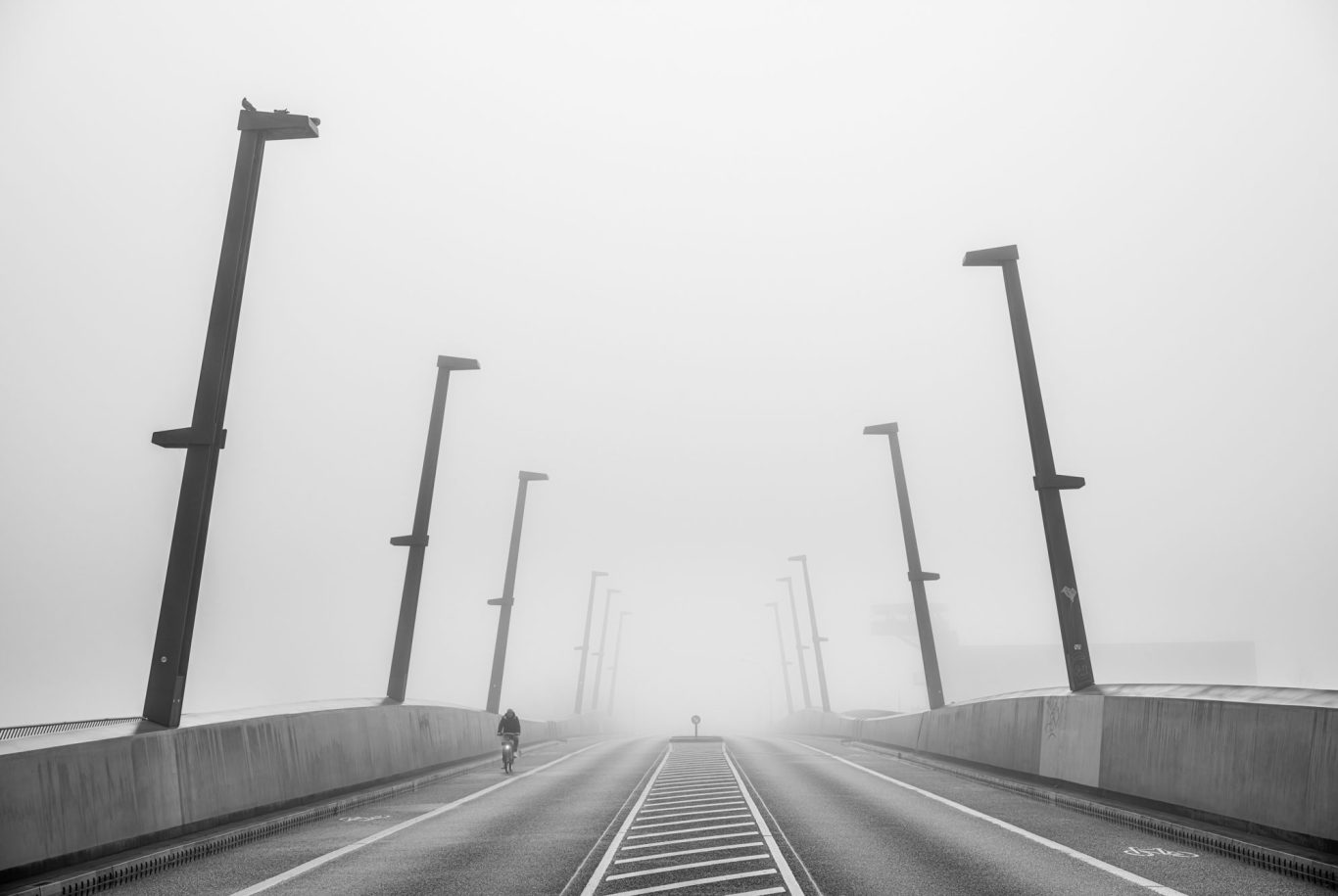
VI. What Remains of Us
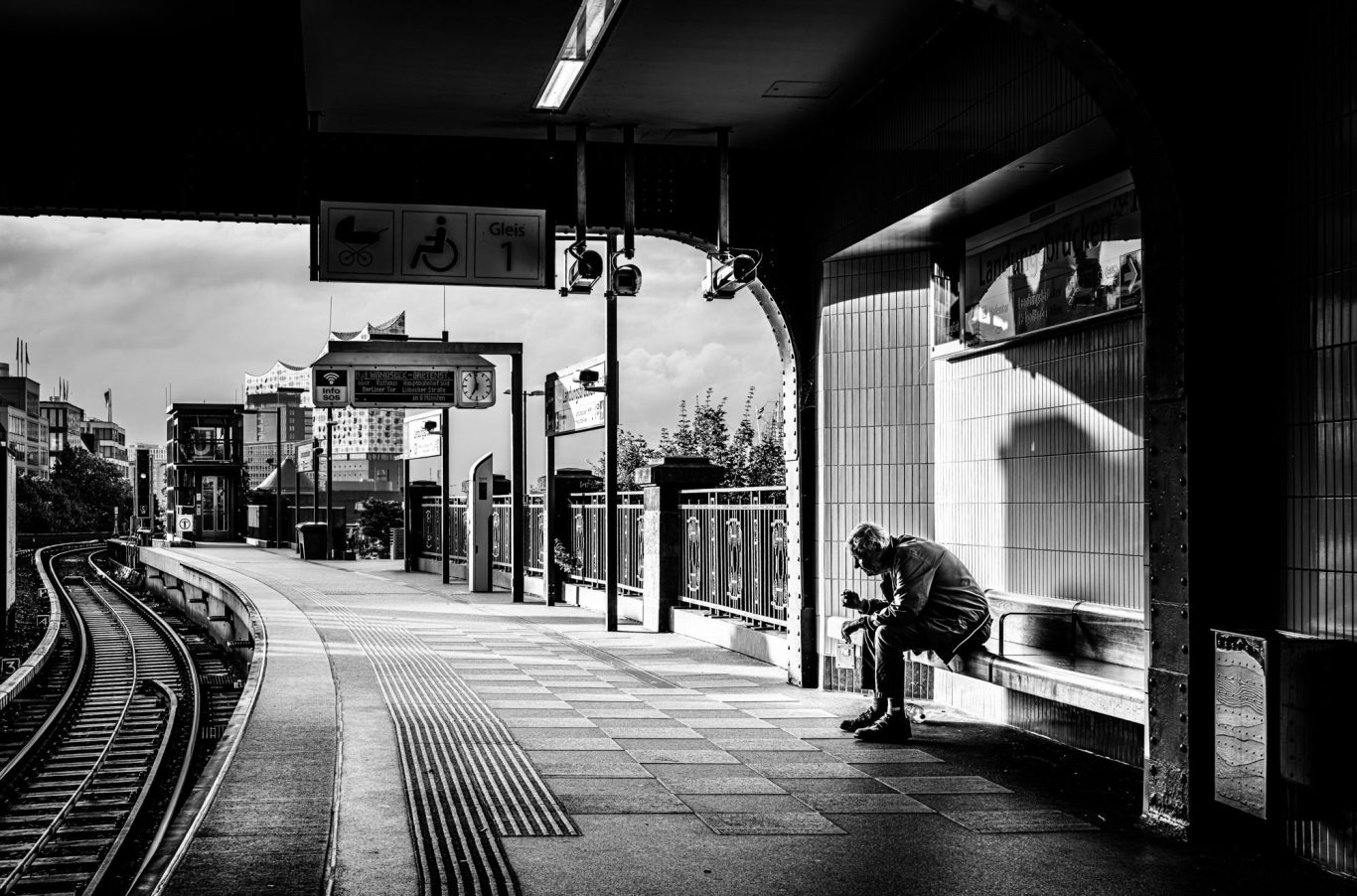
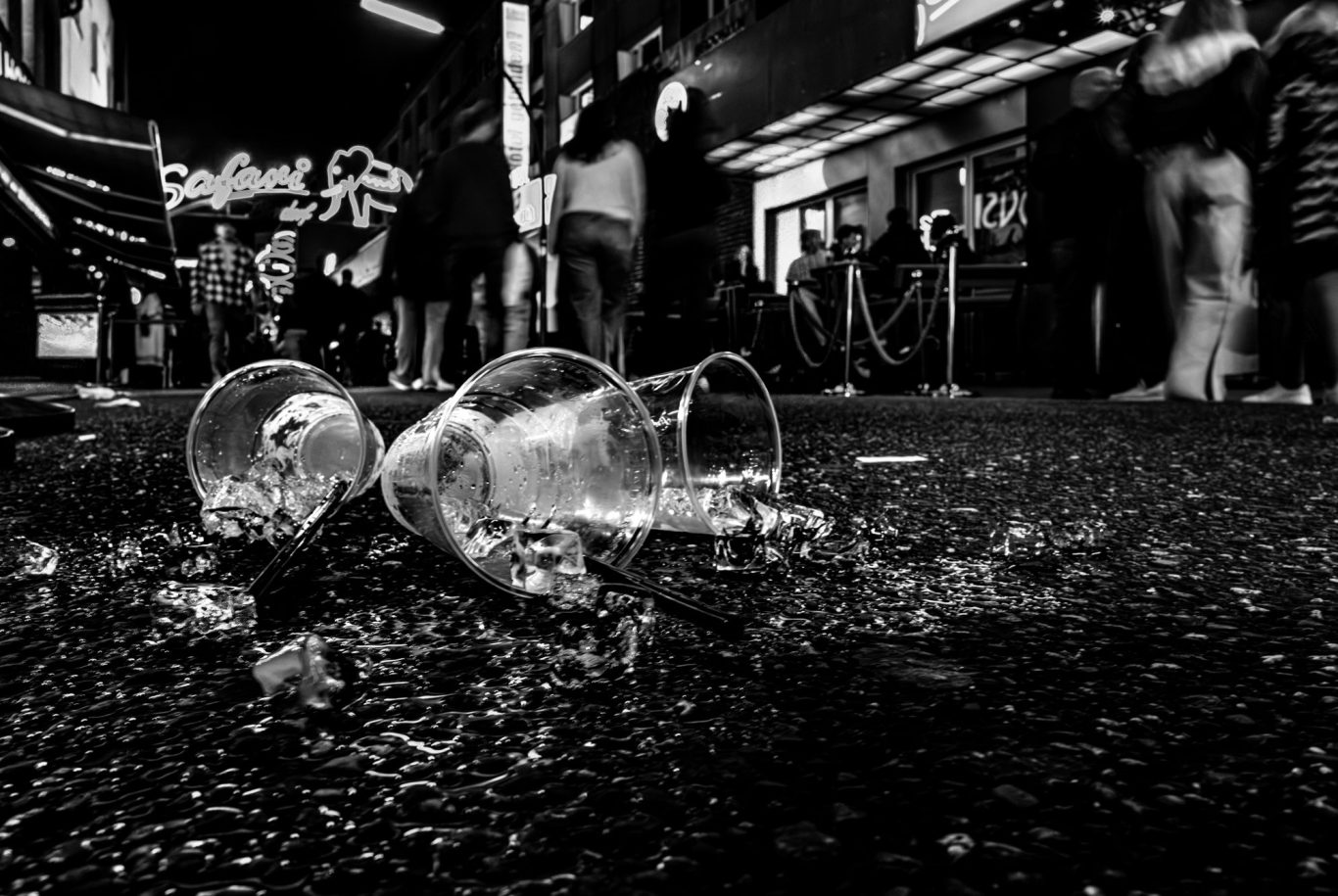
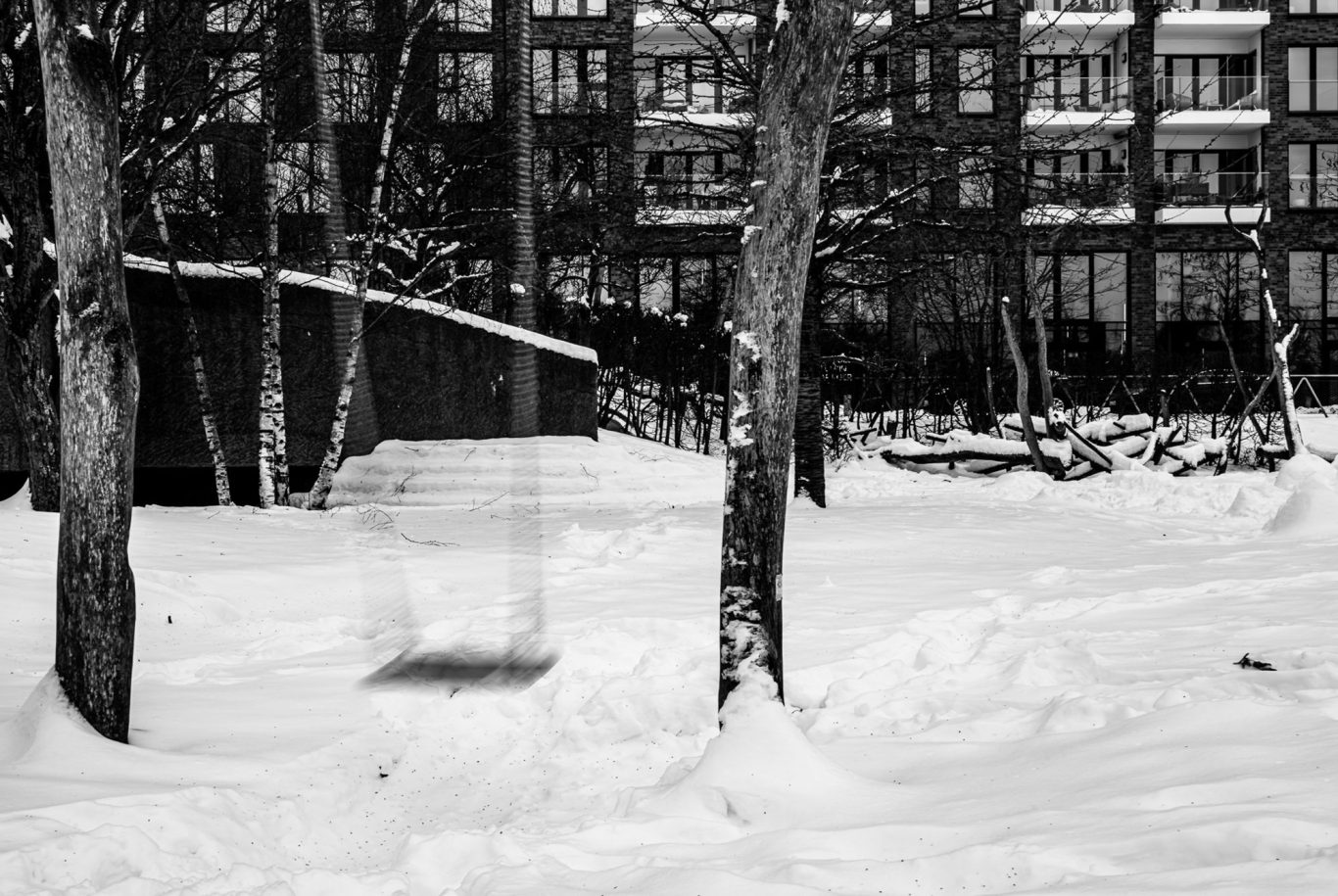
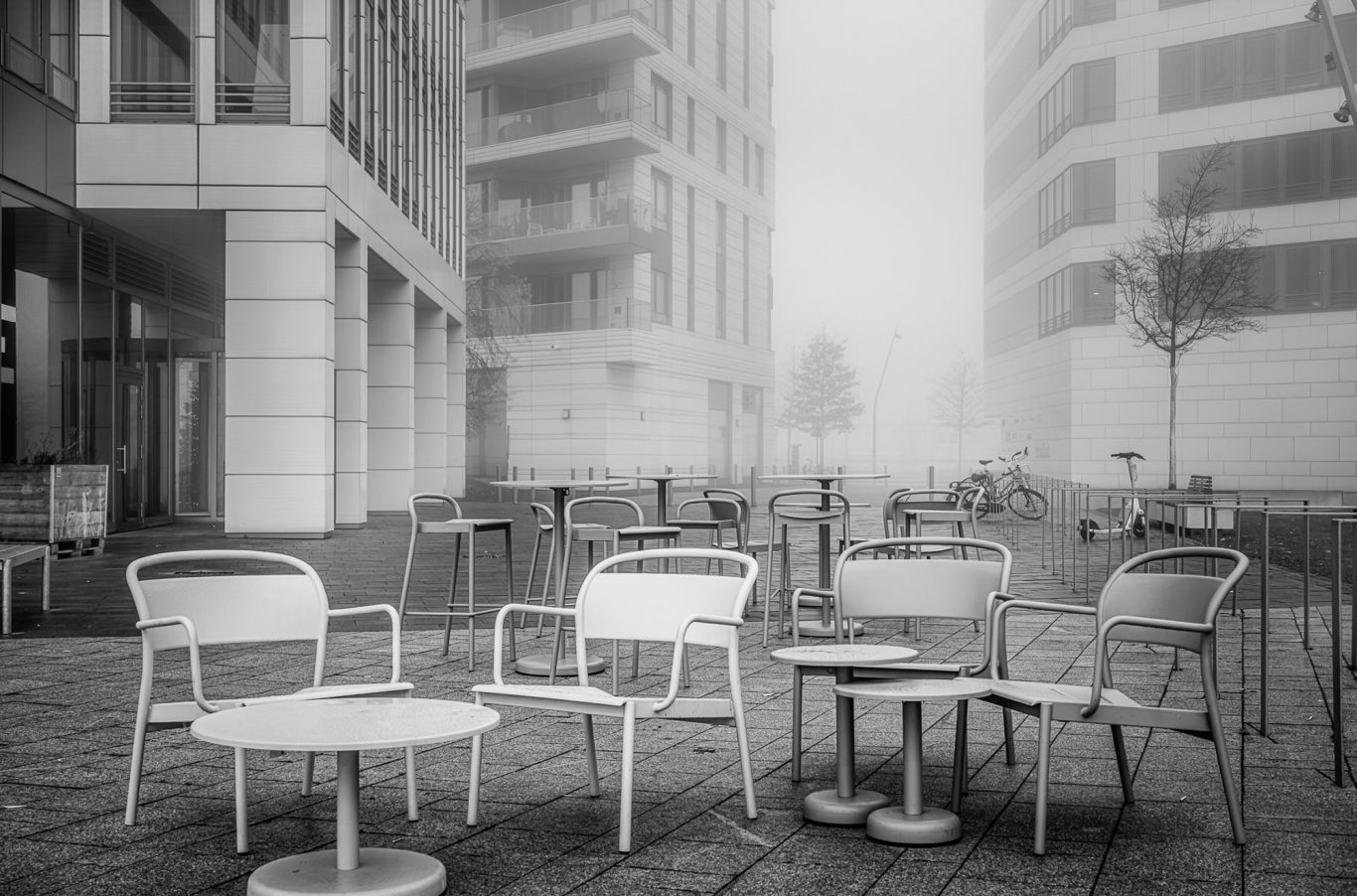
VII. The City Returns
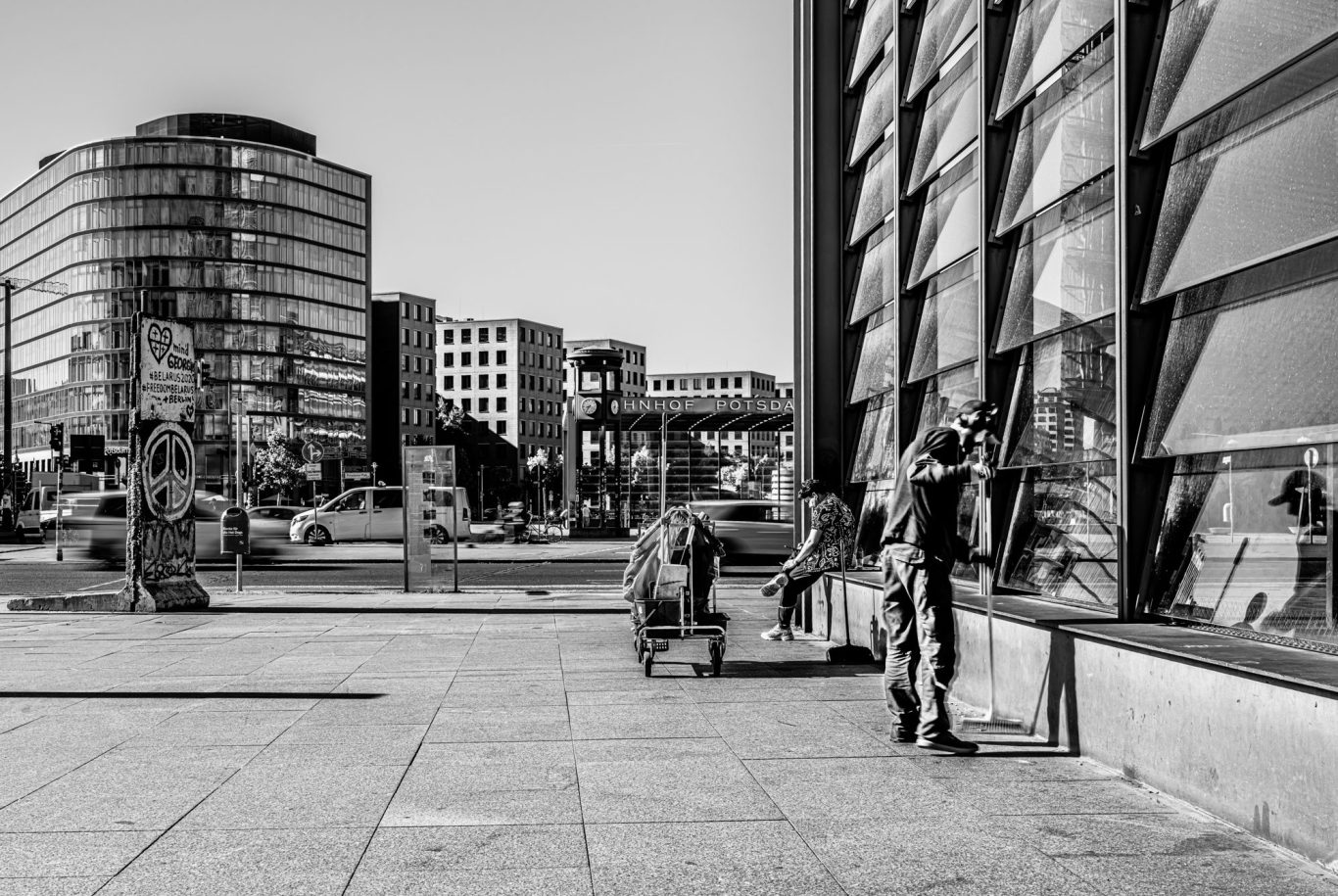
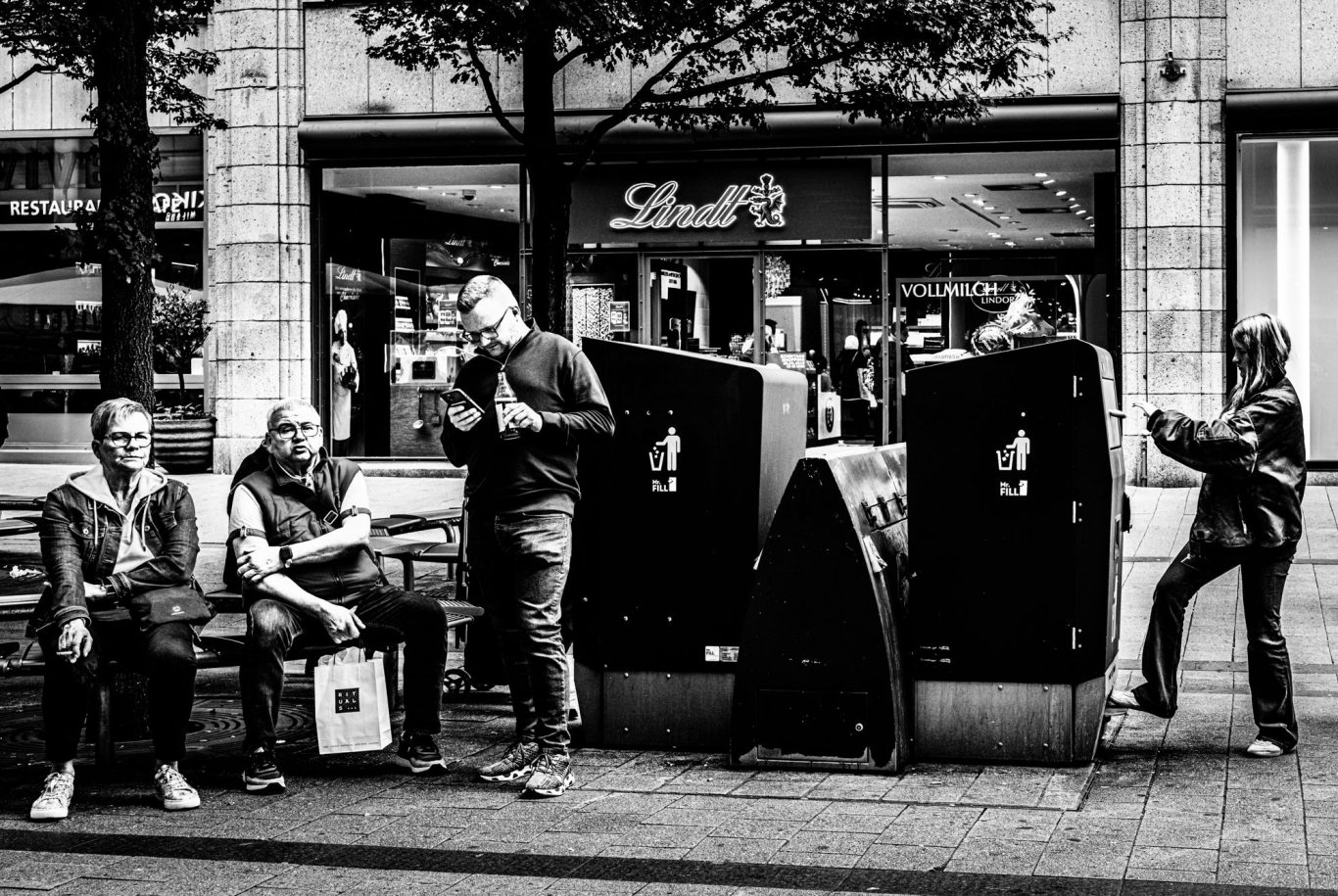
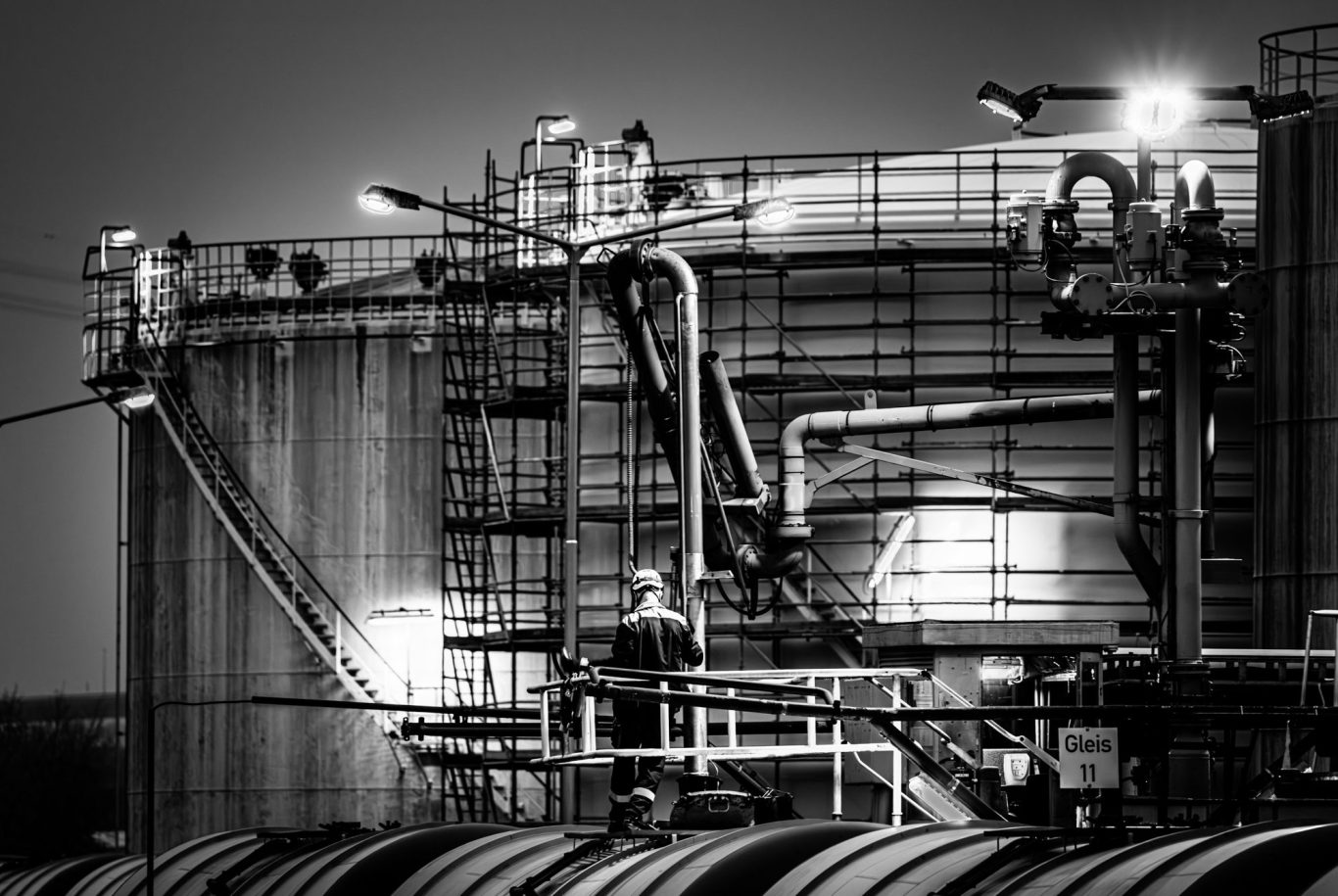
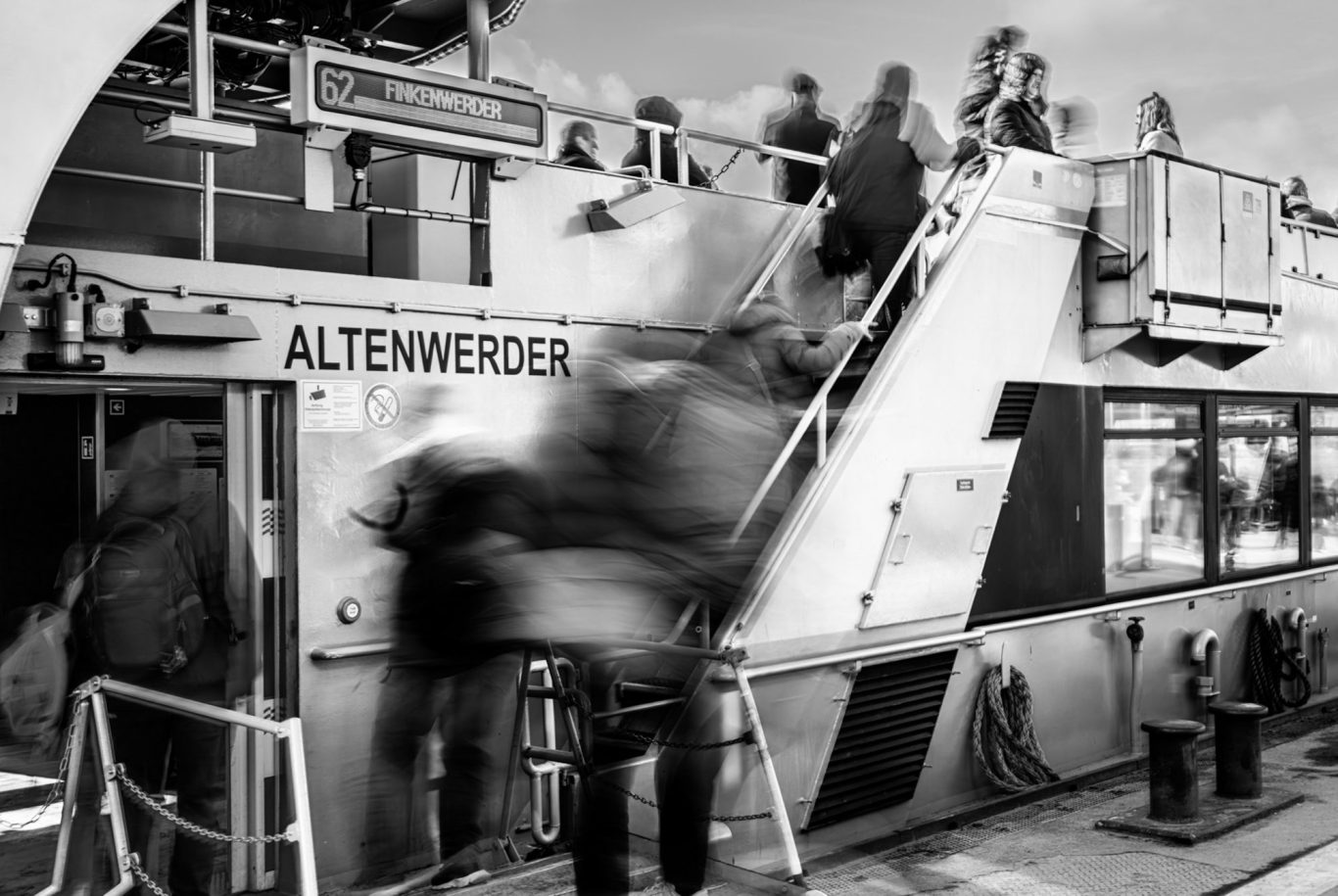
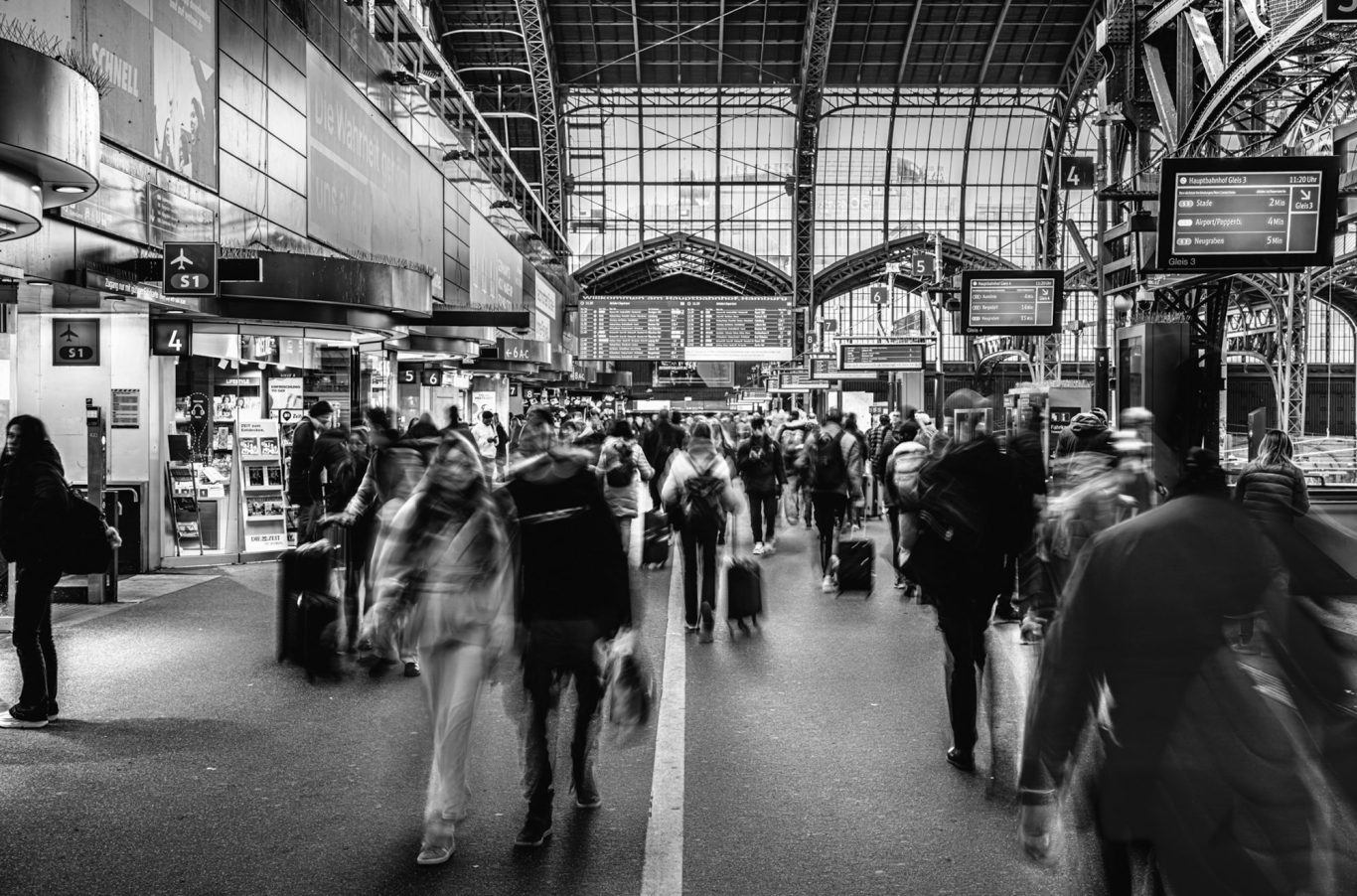
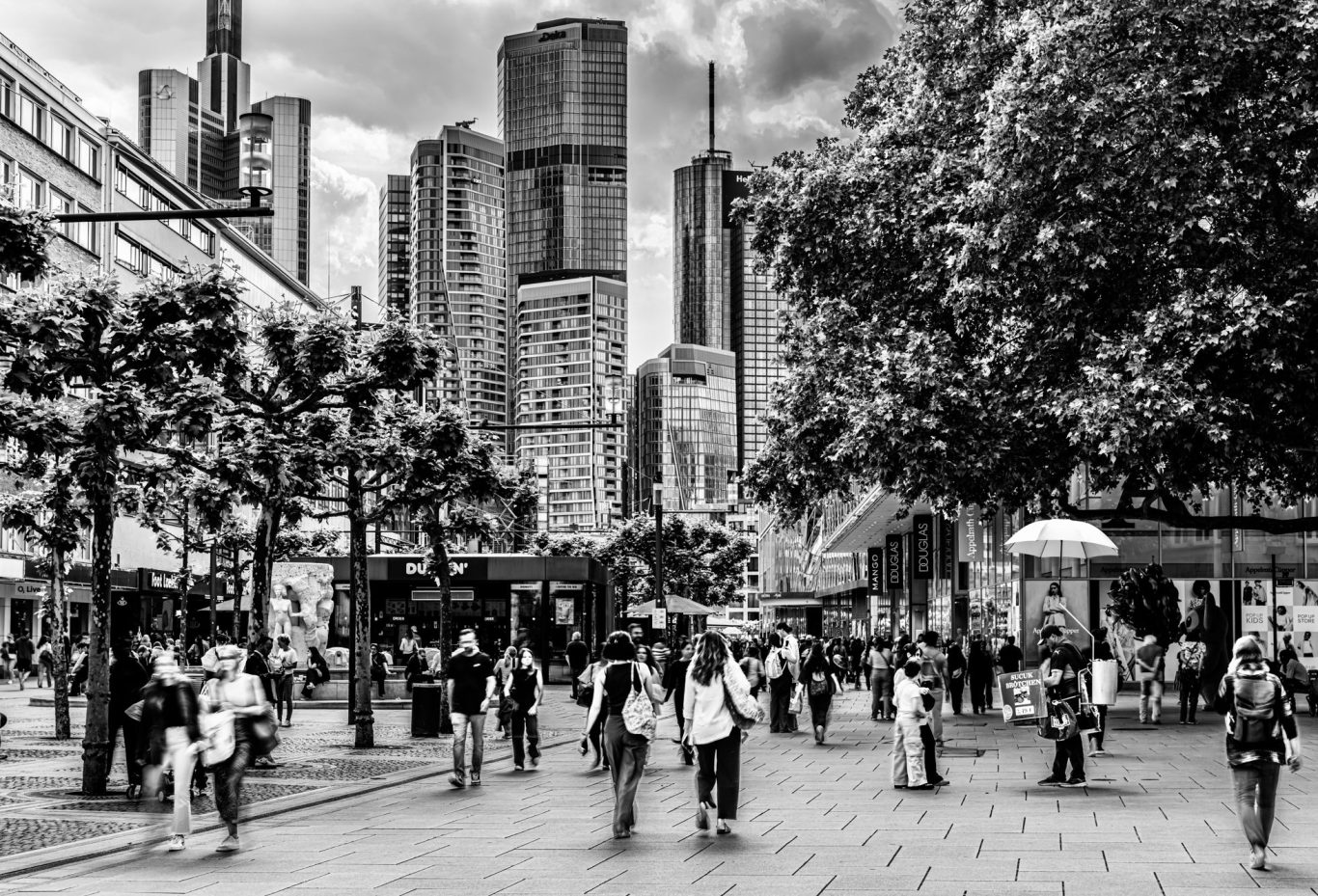
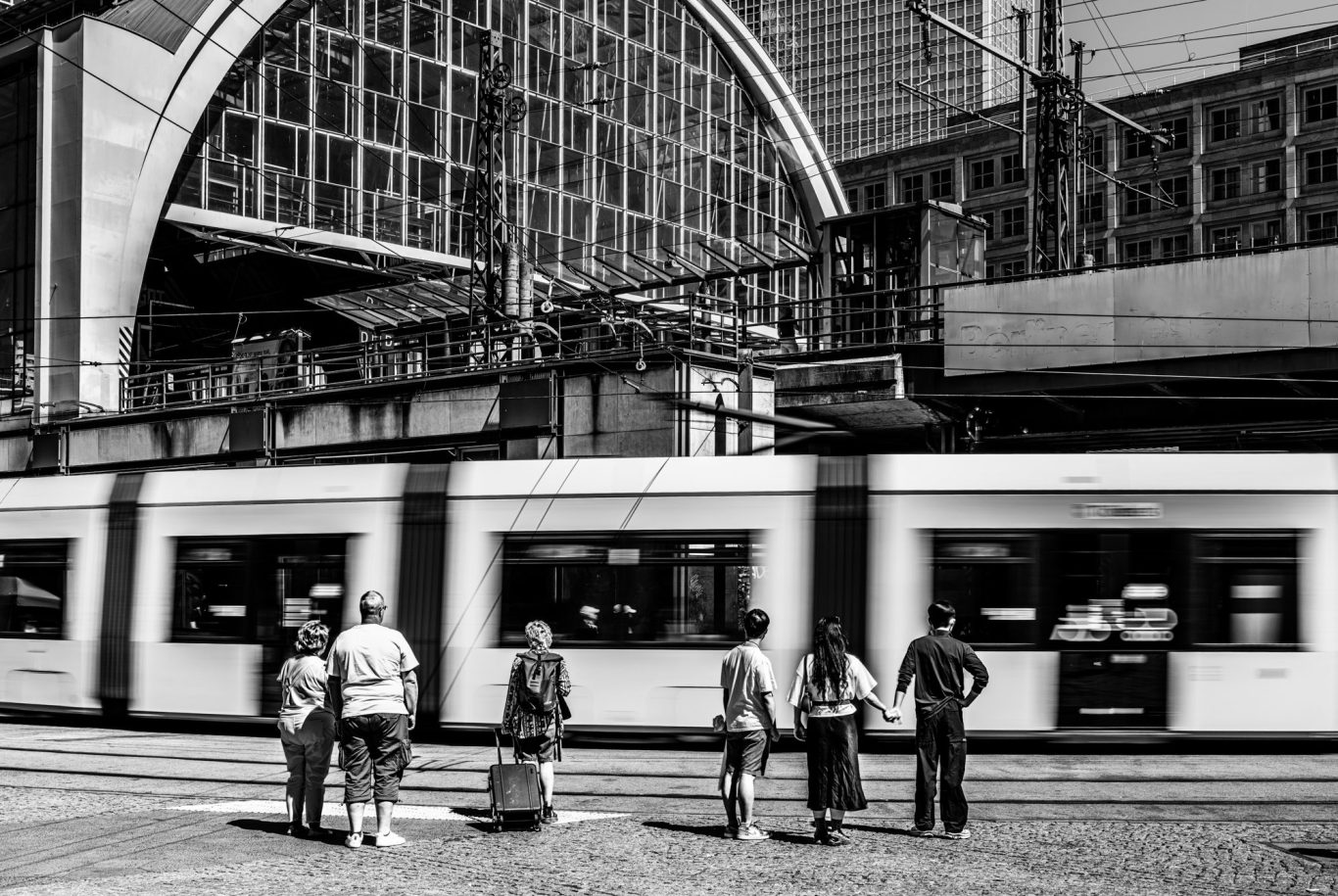
Sequence
I. The City Before Us
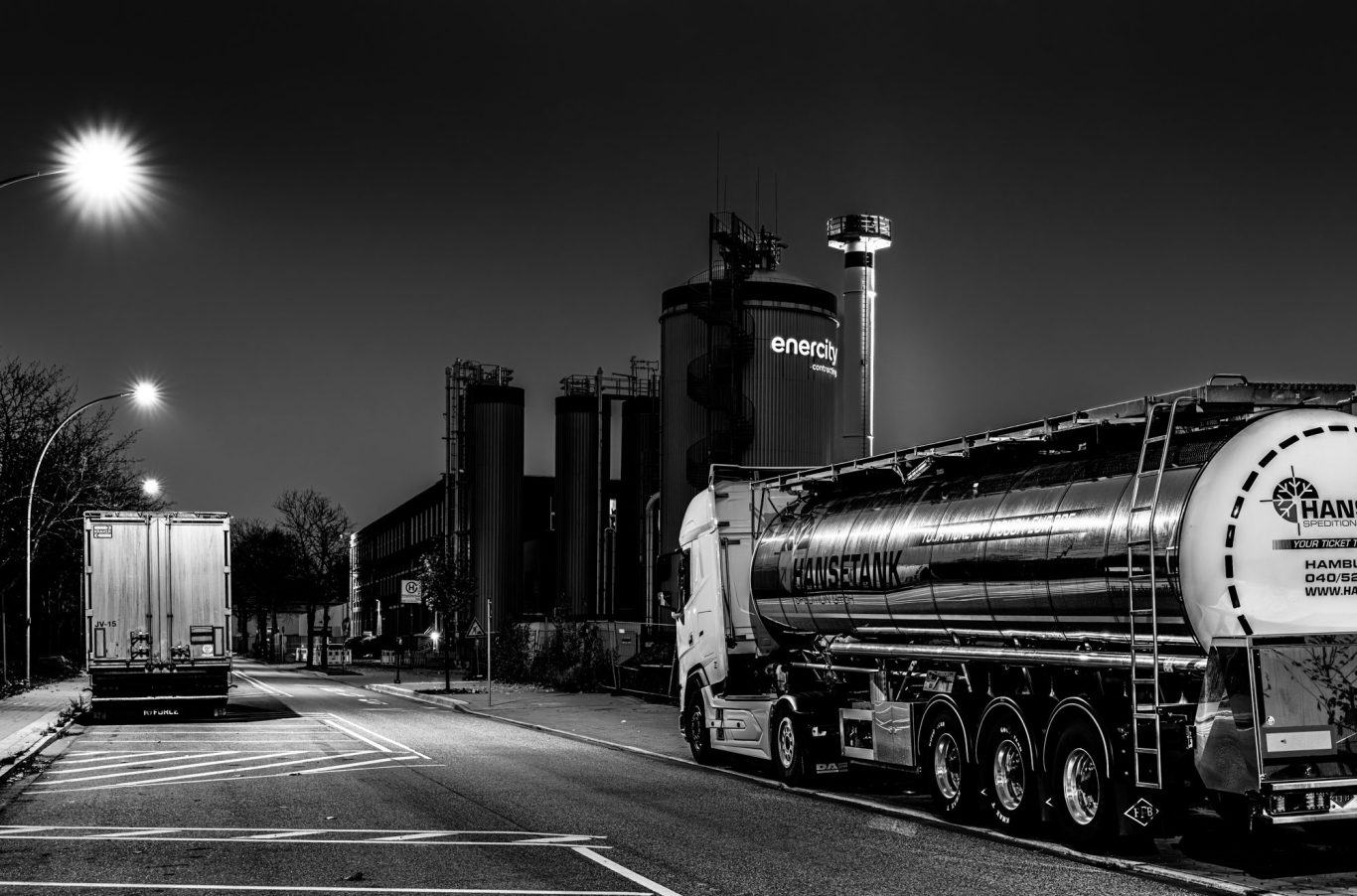
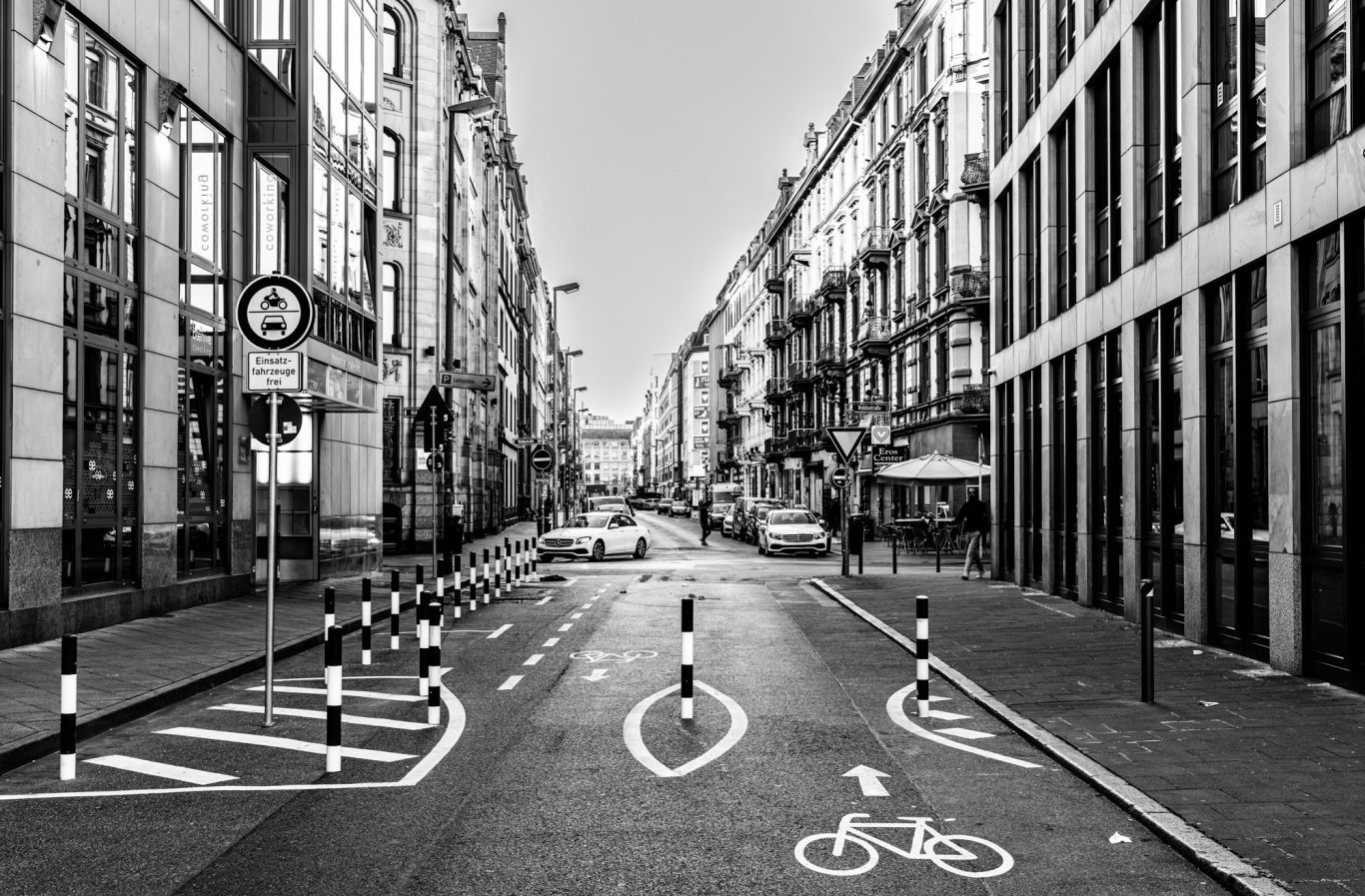
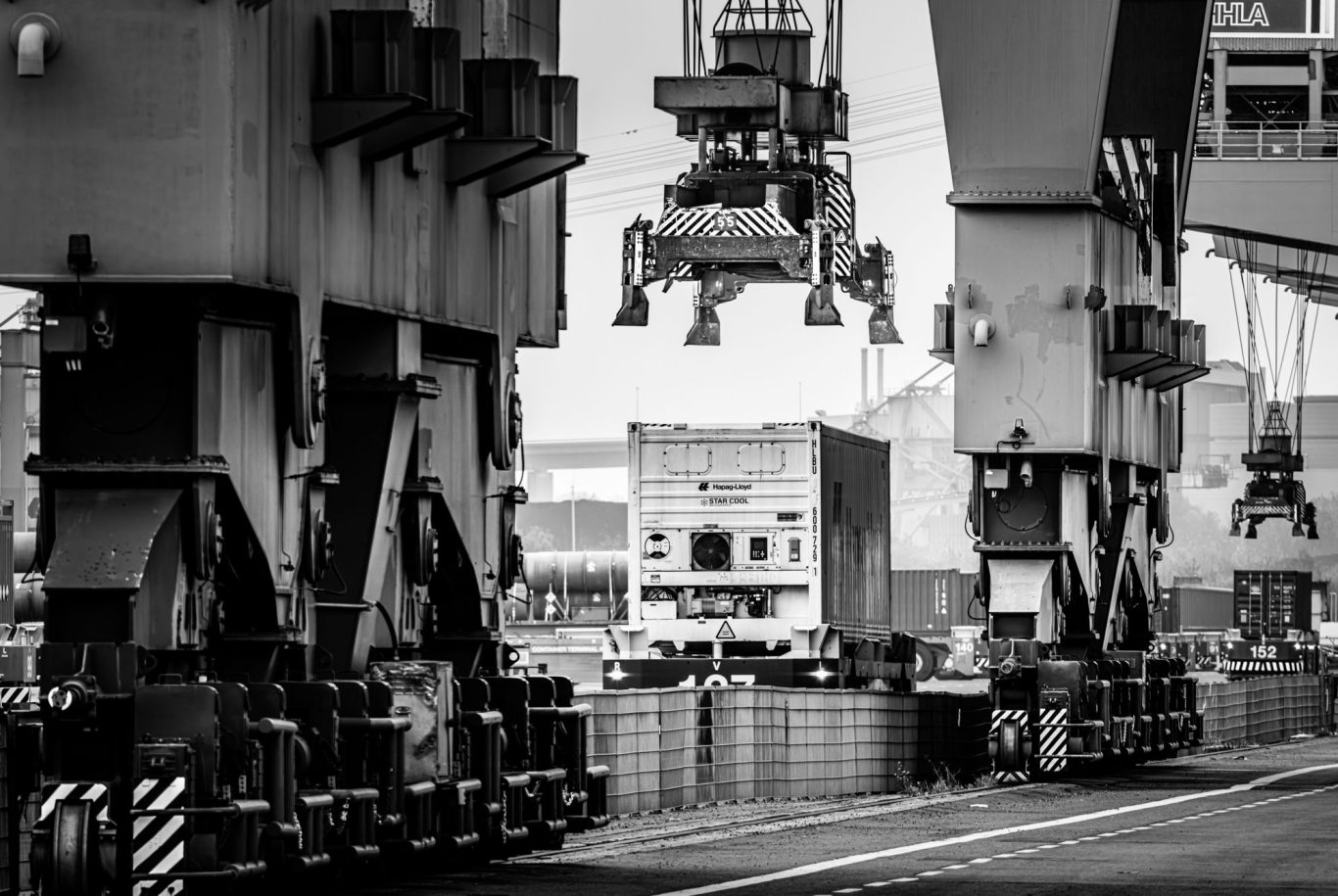
The city depends on operations that most of its inhabitants neither see nor control. Rail networks, ports, storage facilities and energy infrastructure establish the conditions of everyday life long before anyone reaches a street or a station. What appears to be an ordinary urban environment rests on extensive systems of production, distribution and coordination.
II. Terms of Entry
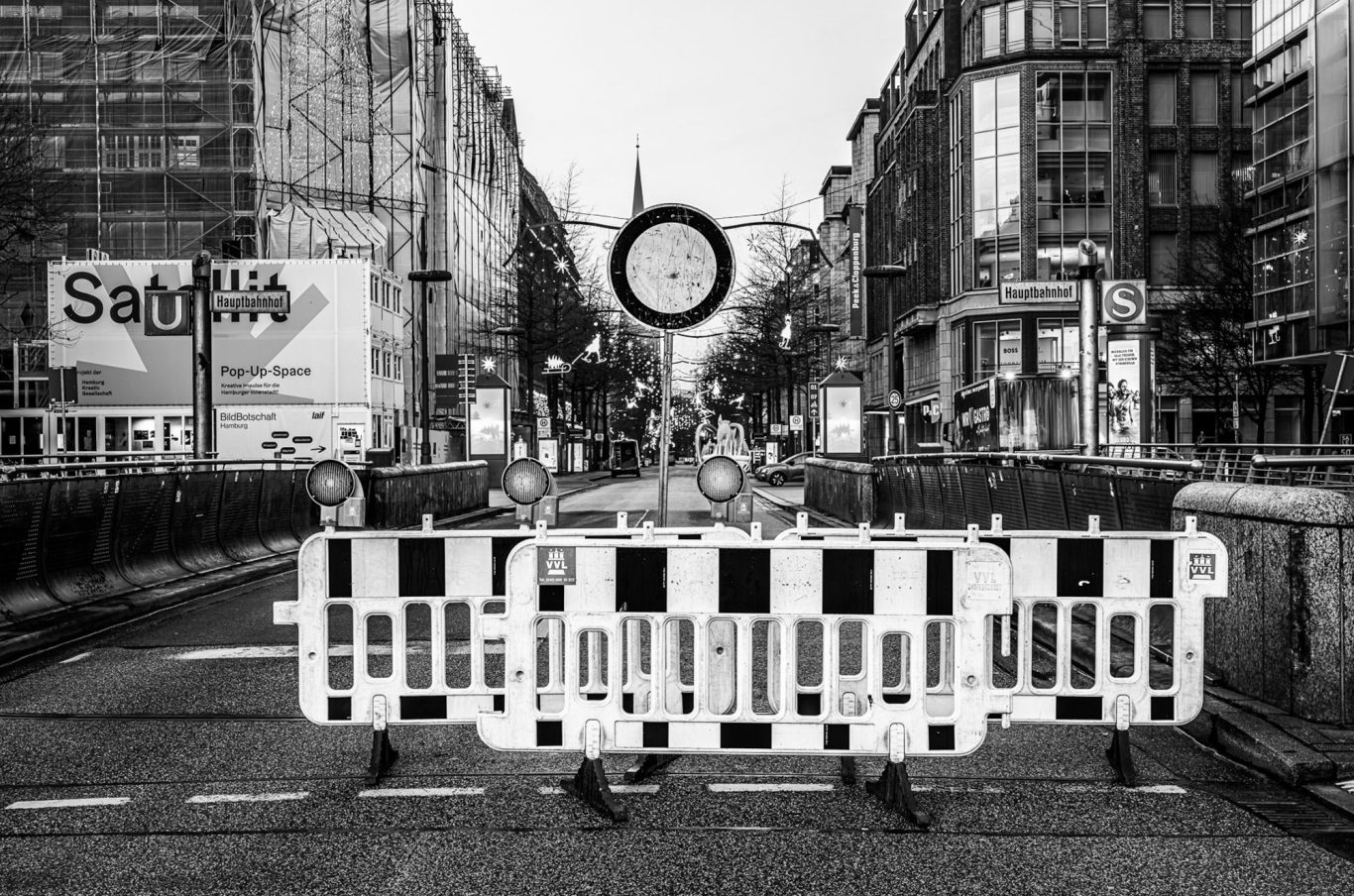
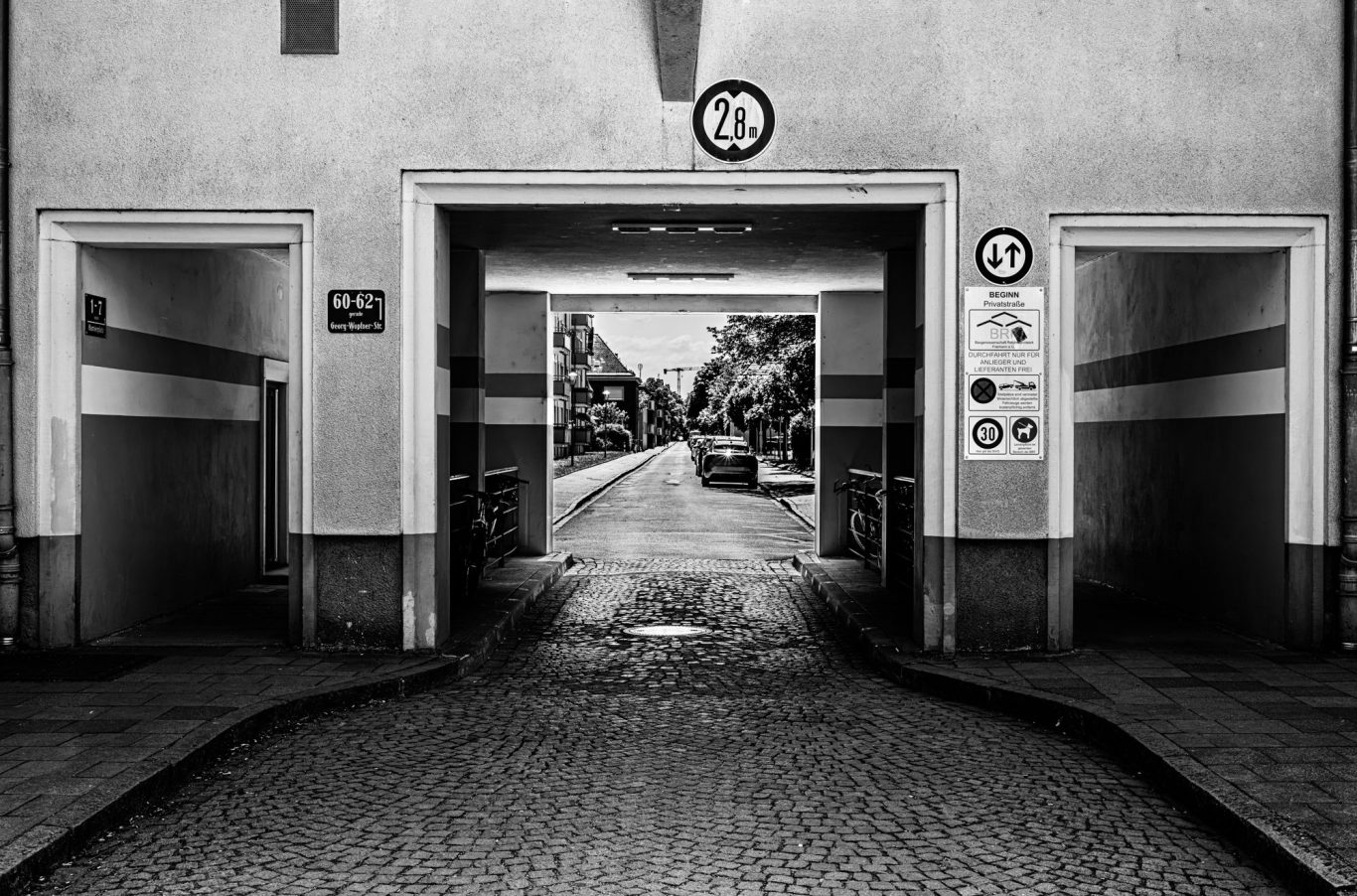
Access is organized before anyone arrives. Entrances, barriers, passages and signs distinguish between permitted movement and restricted space. These boundaries often appear as ordinary architectural or administrative features. Yet they determine who can proceed, where movement is redirected and which parts of the city remain inaccessible.
III. Moving Within
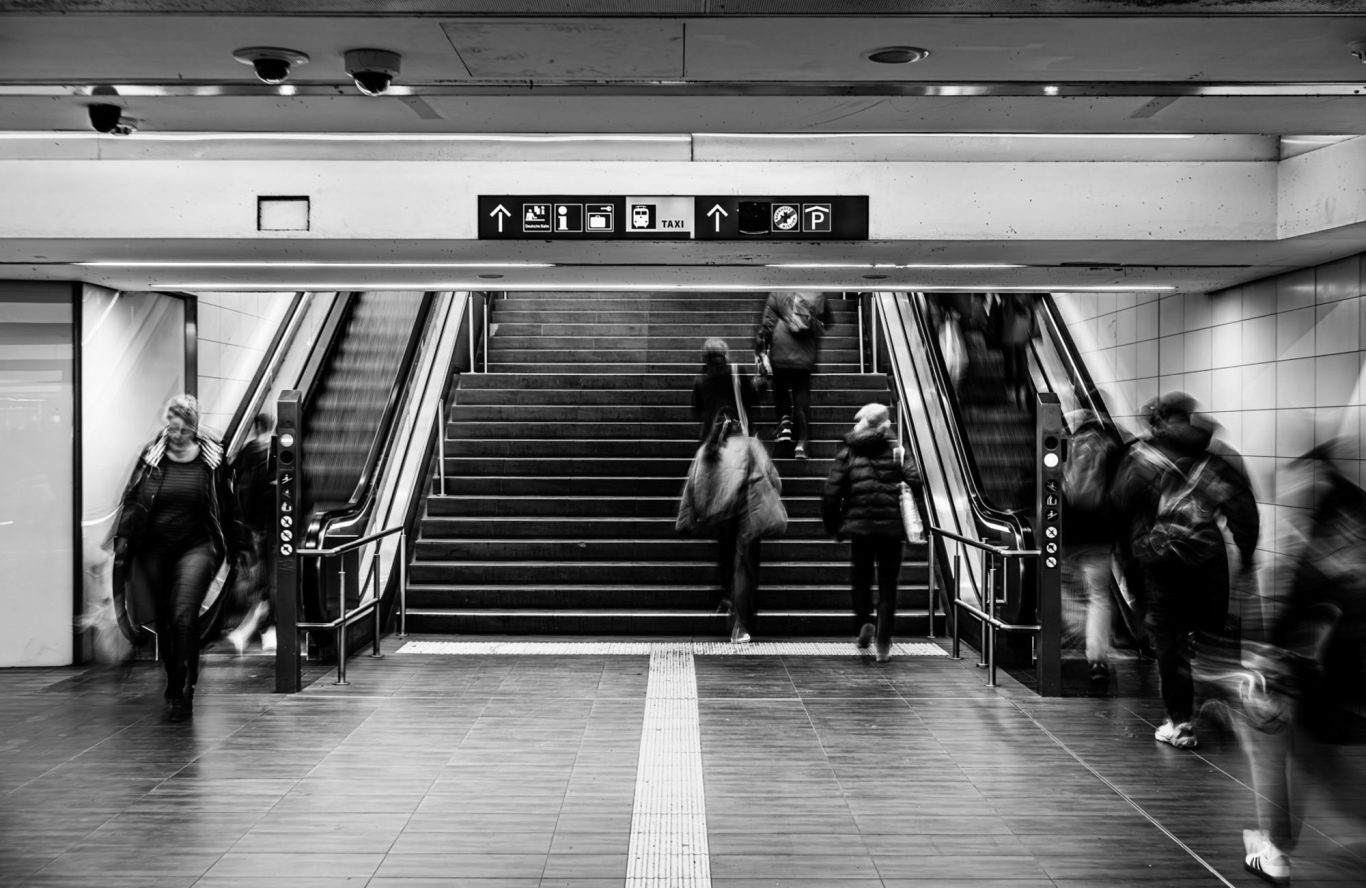
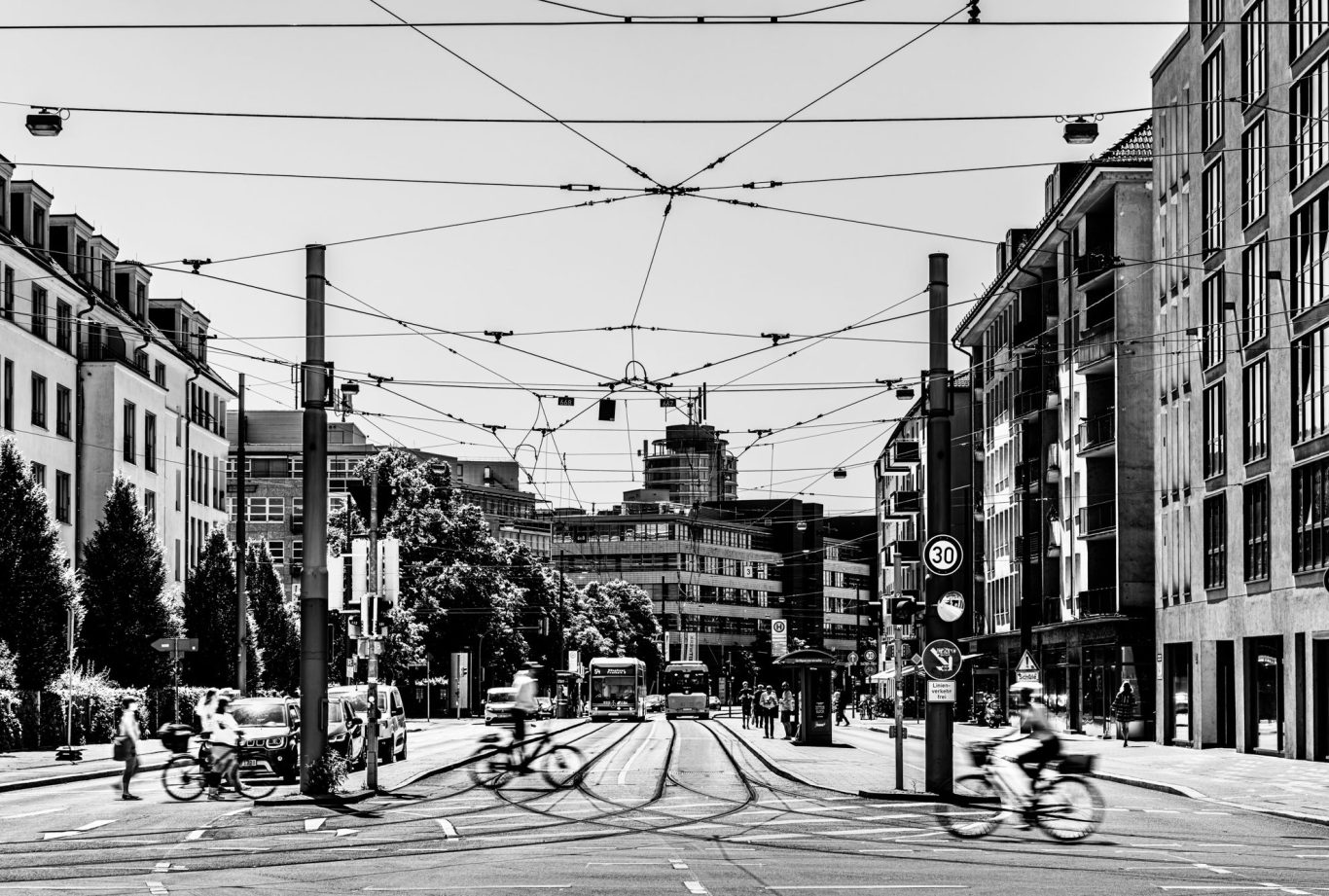
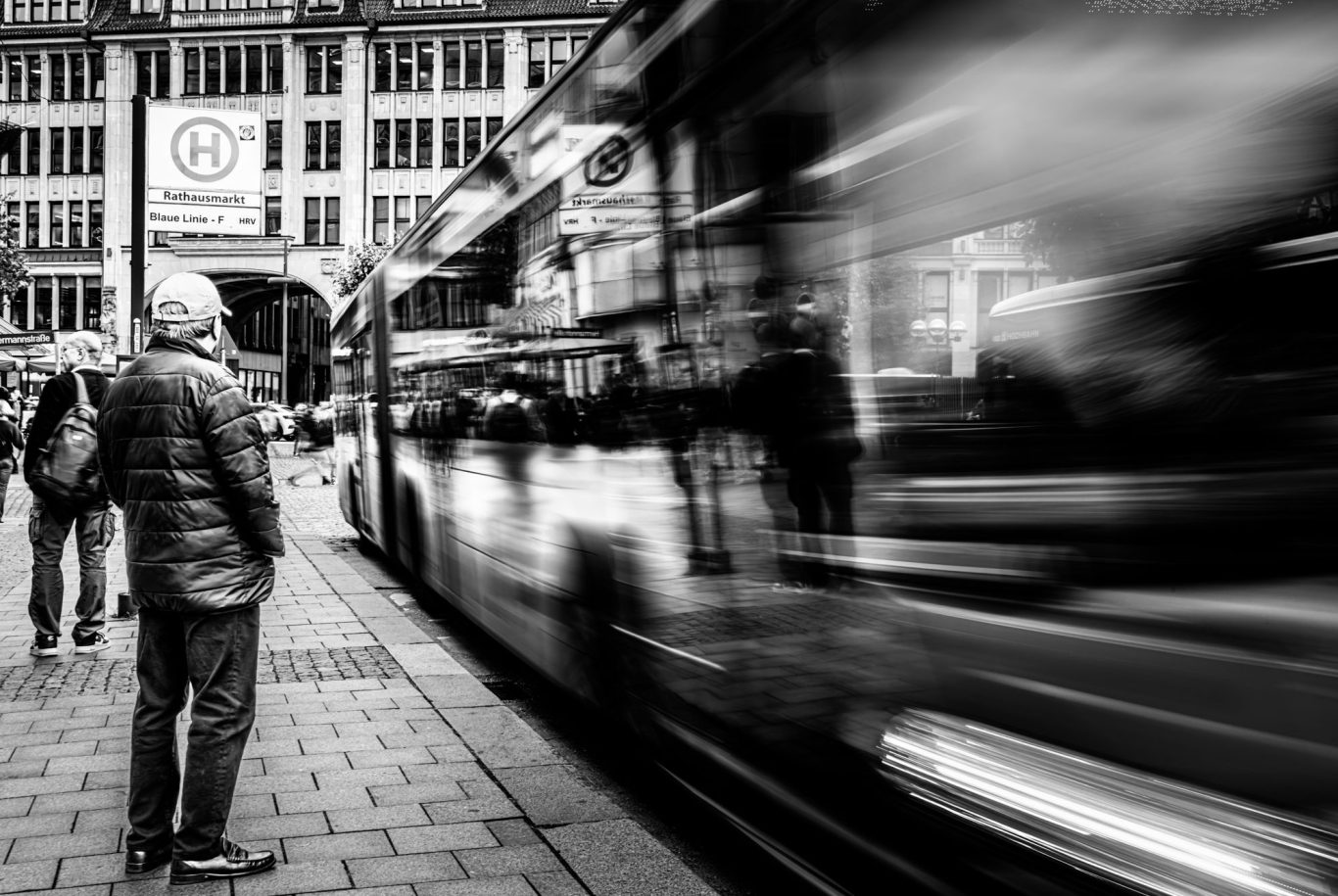
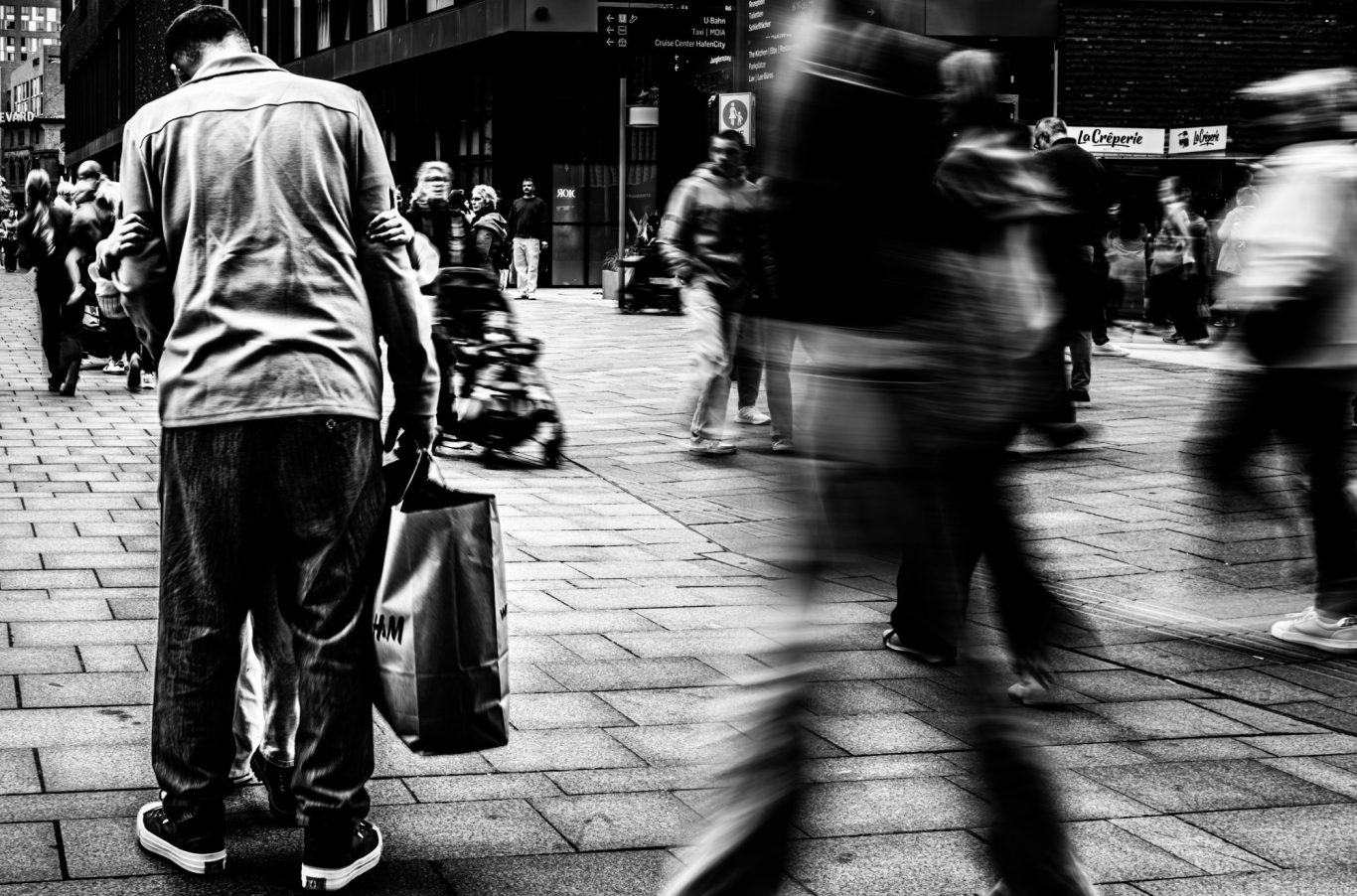
Urban movement is neither entirely spontaneous nor entirely controlled. Routes, timetables, platforms, escalators and crossings organize the movement of large numbers of people, while individual decisions continually alter the patterns they produce. The photographs examine how personal movement takes place within arrangements designed for collective circulation.
IV. Currents of Exchange
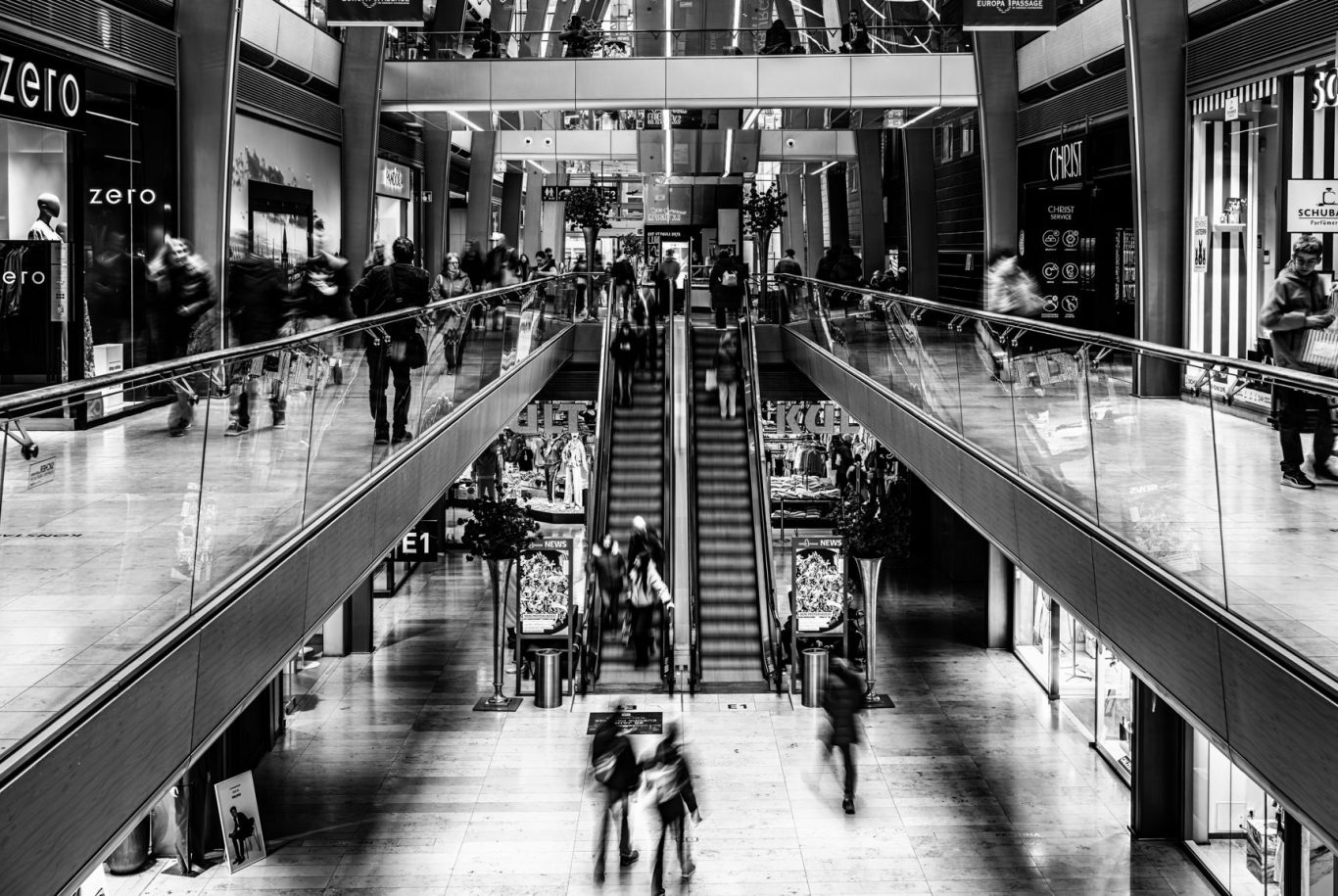
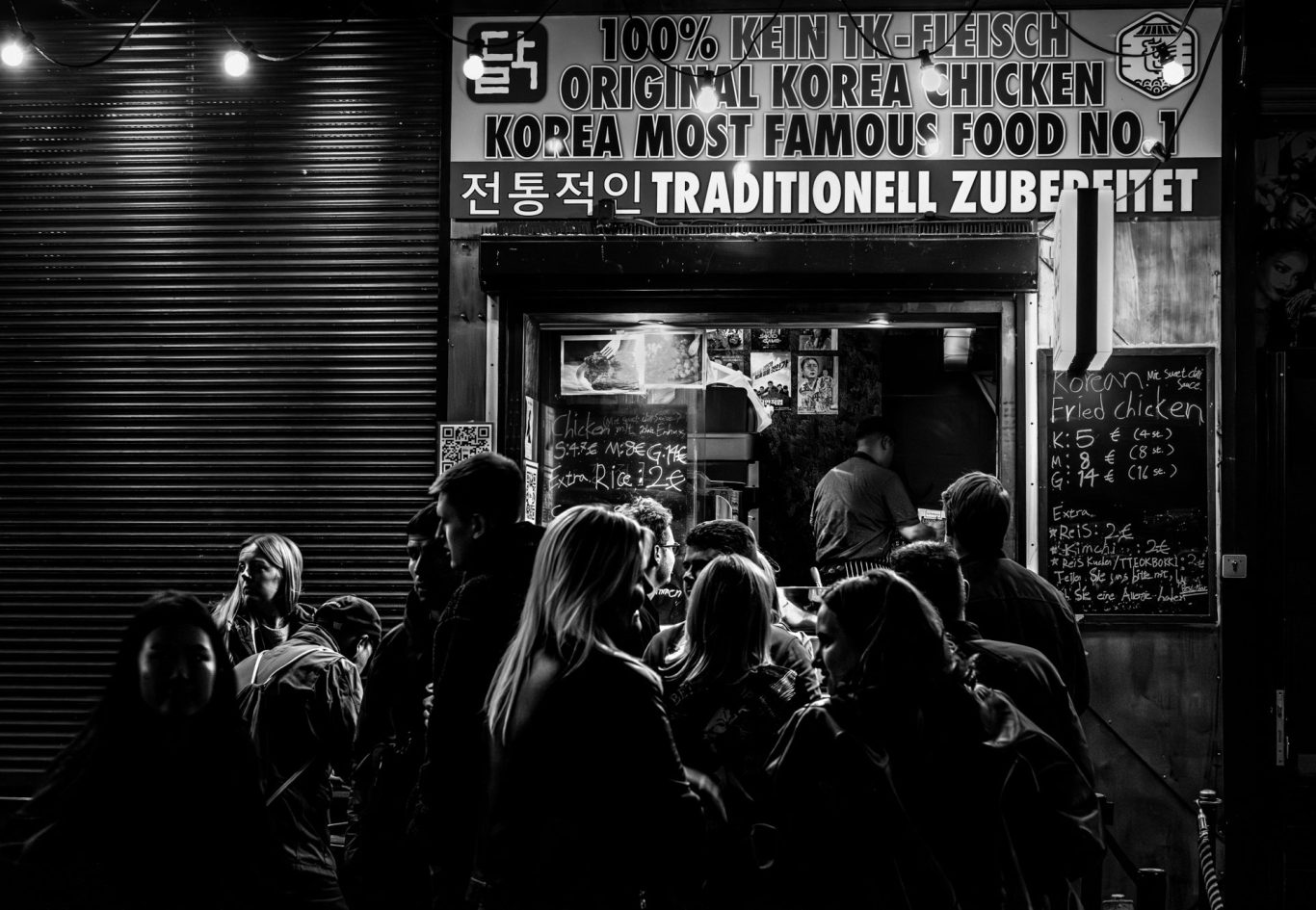
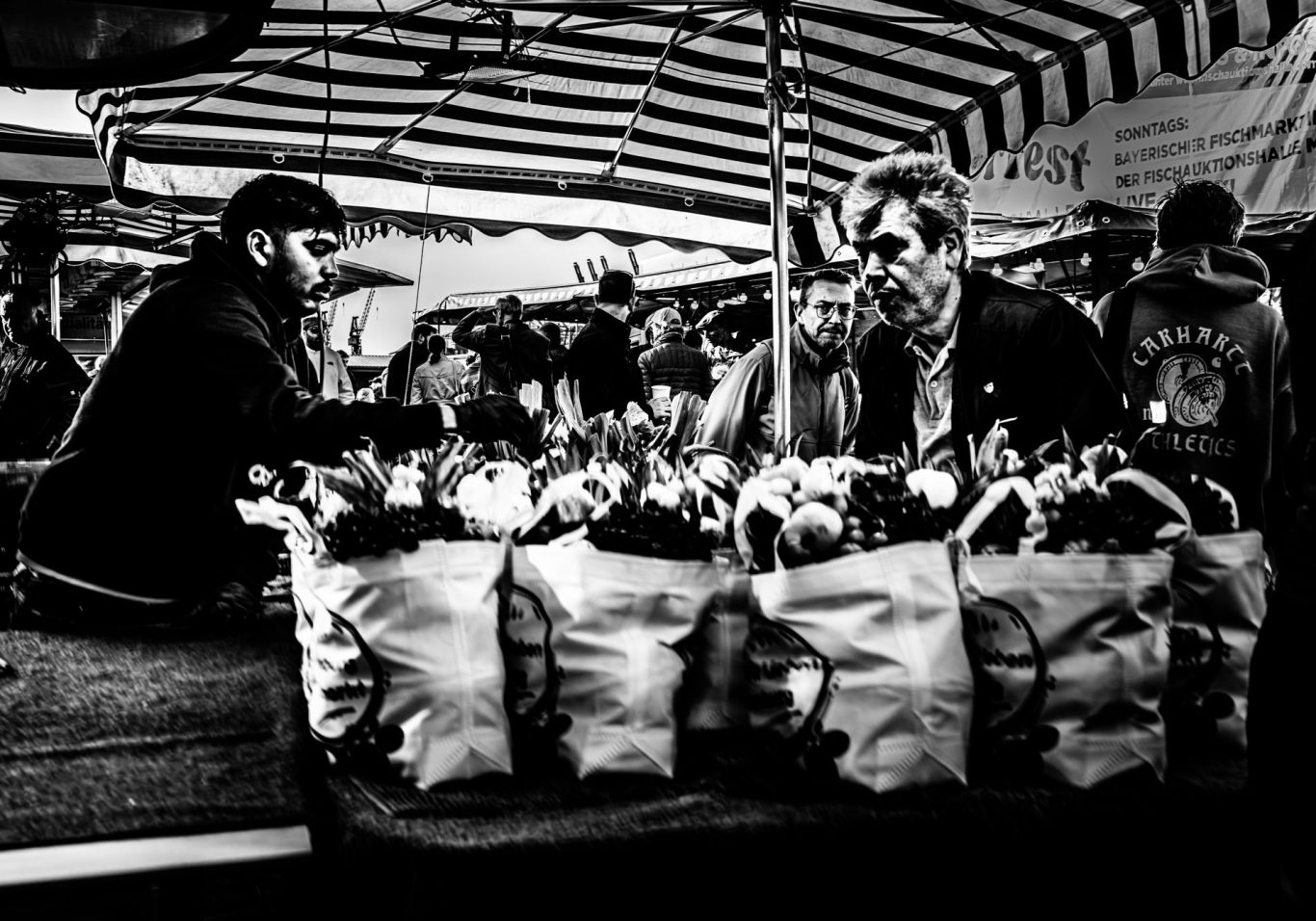
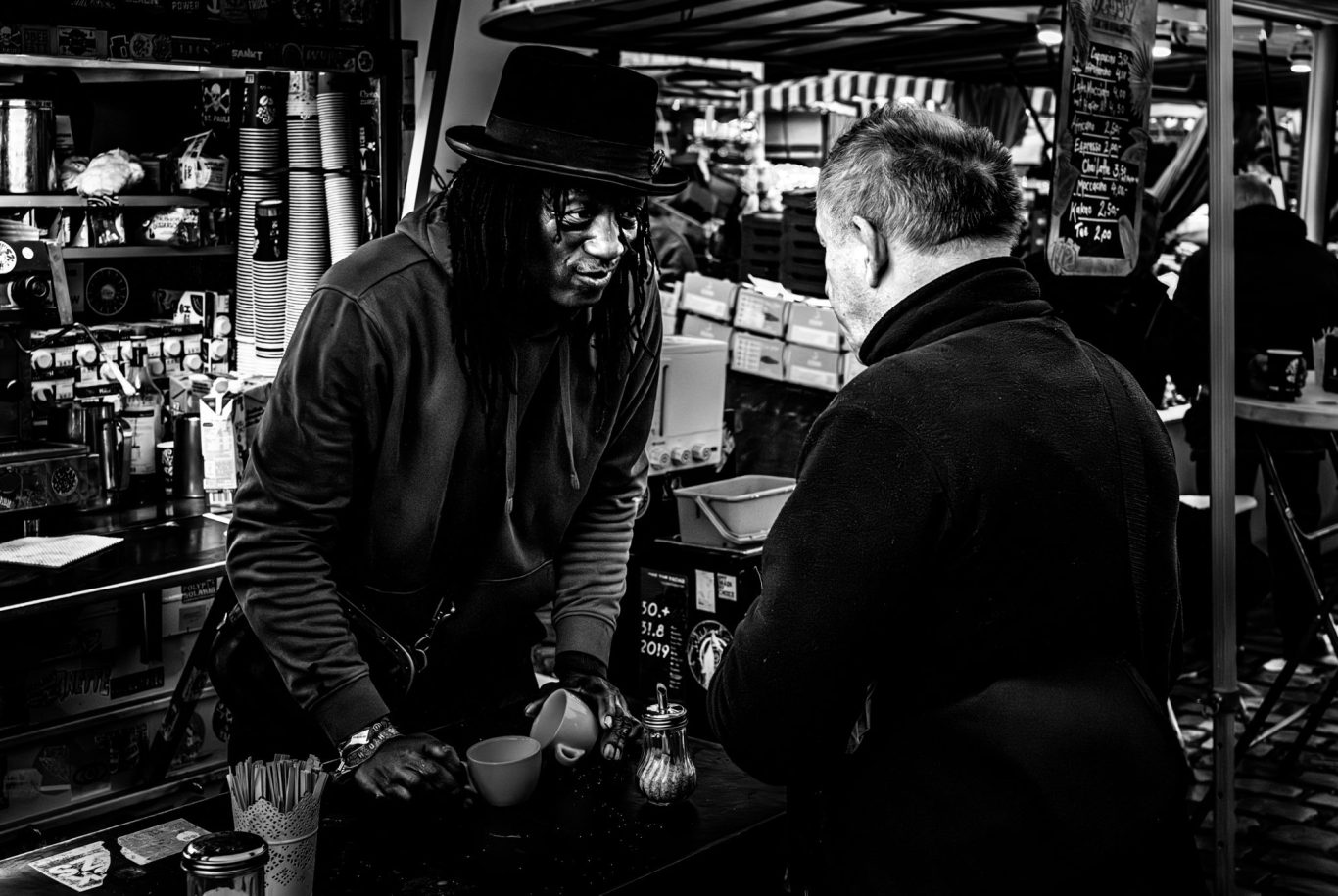
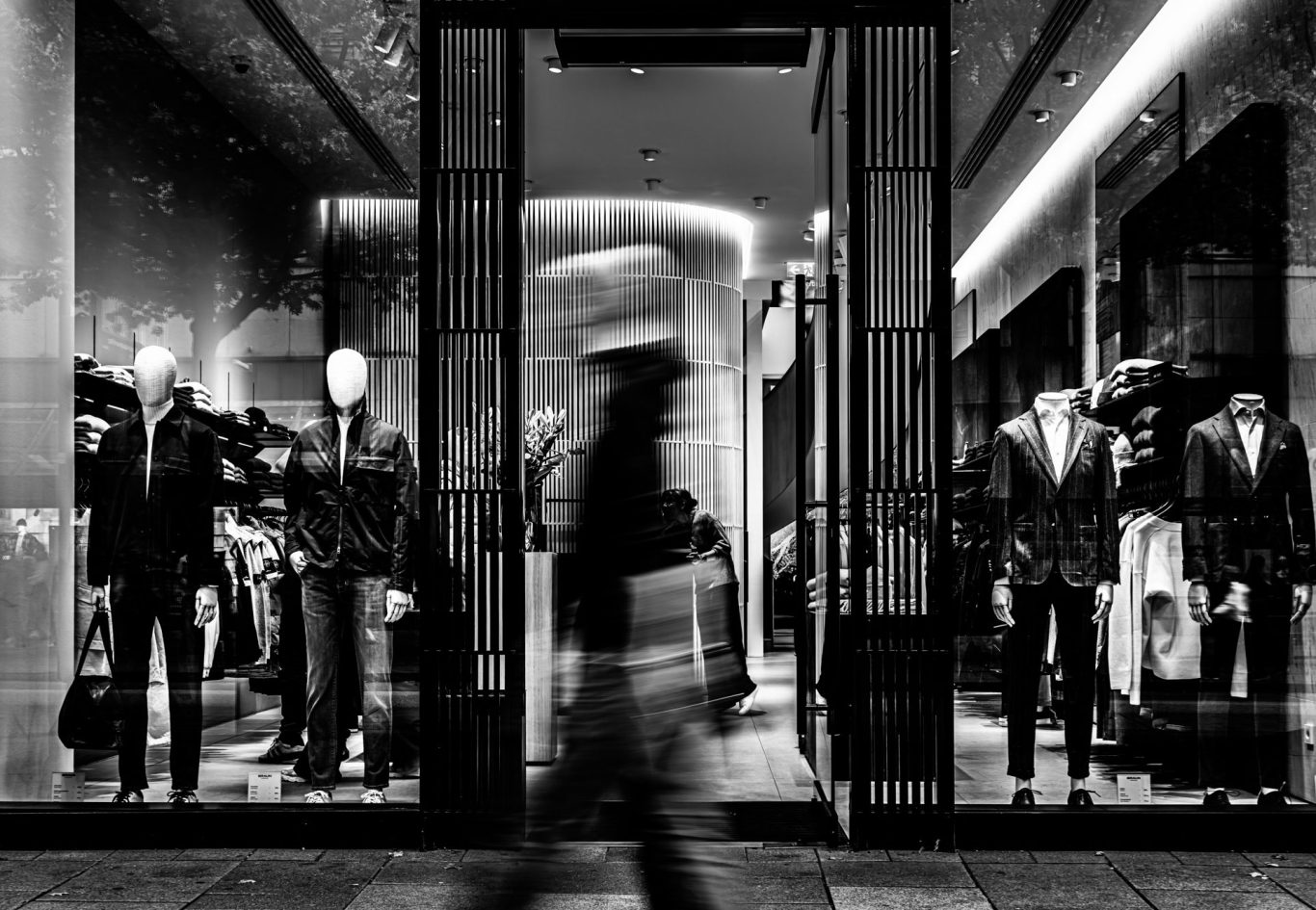
Exchange is not confined to buying and selling. It involves work, transport, services, consumption and encounters between people whose activities depend on one another. Markets, commercial interiors and logistics facilities reveal different parts of the same urban economy, although the relationships between those who produce, distribute, serve and consume are rarely equally visible.
V. When Reading Breaks
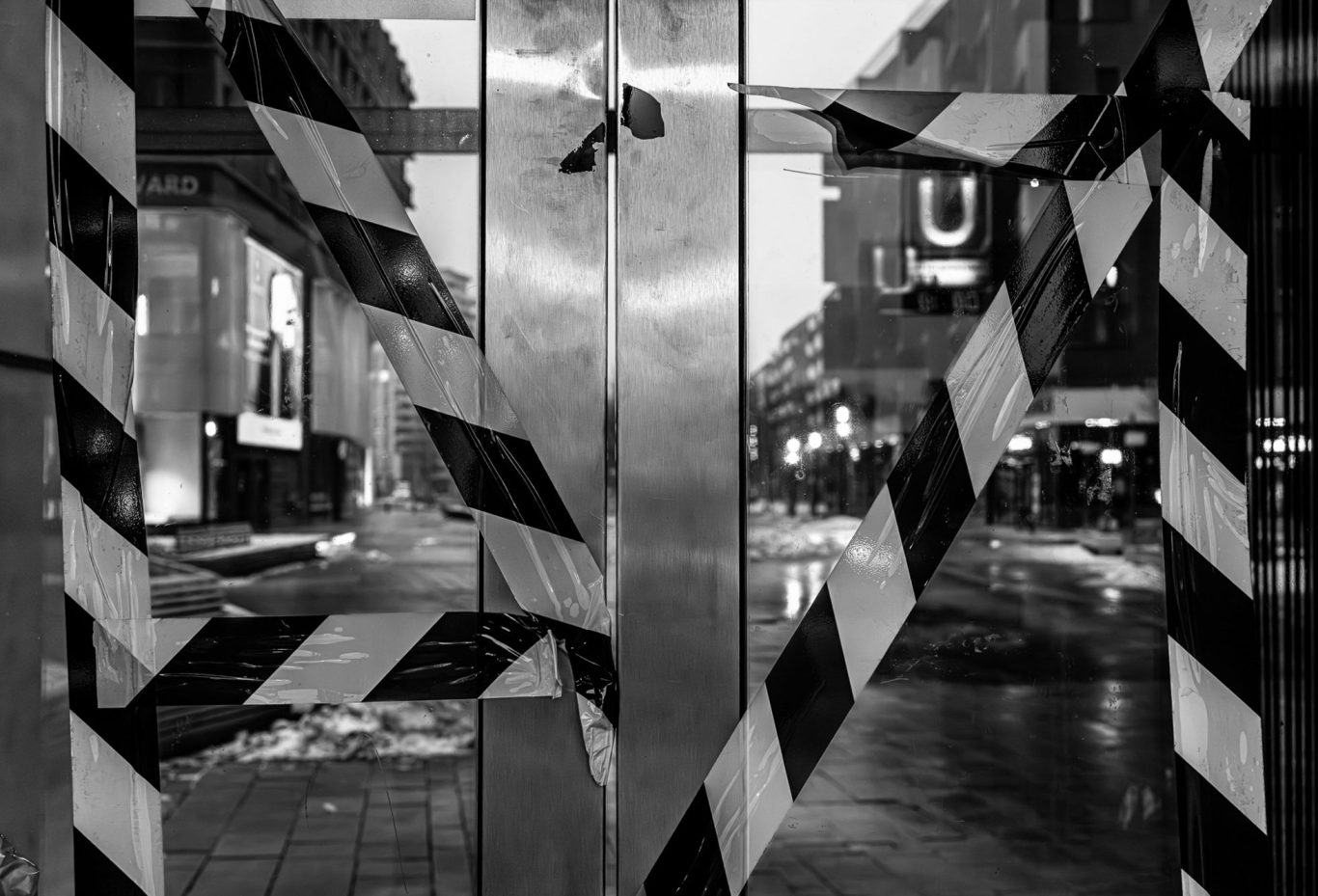
The city presents itself through signs, recognizable functions and familiar spatial arrangements. But these do not always produce a clear or consistent reading. Reflections, obstructions, overlapping uses and the coexistence of different histories complicate what initially appears straightforward. The photographs remain with these situations rather than resolving them into a single explanation.
VI. What Remains of Us
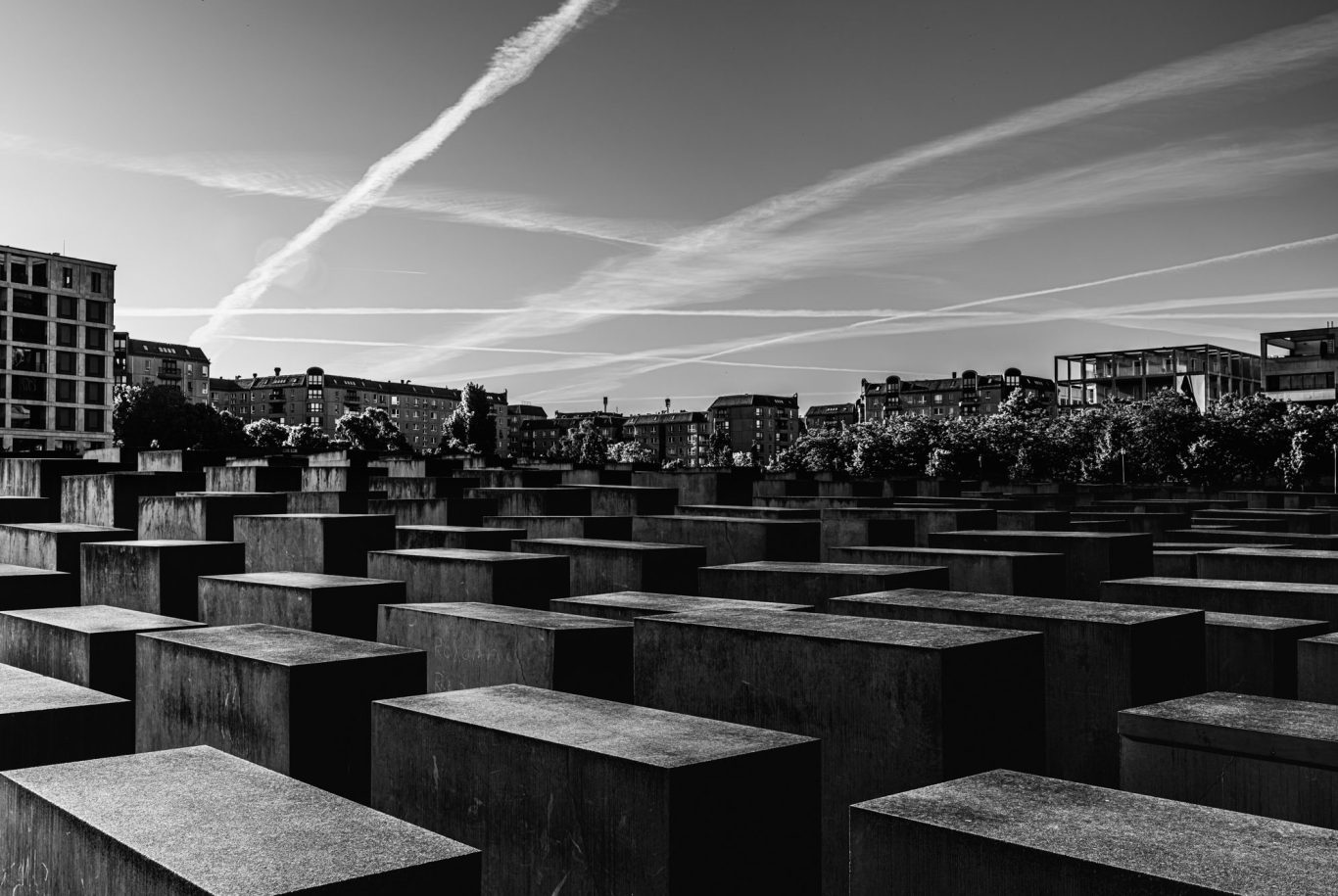
Human activity does not end when people leave a place. Objects remain displaced, surfaces retain evidence of use, and spaces continue to be arranged for occupants who are no longer there. These photographs examine the interval between use and abandonment, presence and absence, without assuming that an empty space has ceased to function.
VII. The City Returns
The city is continually repaired, adapted, occupied and used again. Its infrastructure and public spaces persist through repeated acts of work and participation, even as their forms and purposes change. What returns is not an original condition but an arrangement sustained through ongoing intervention.
Perhaps return means entering the same city once more — with the knowledge that it is also our own result.
A later re-examination of the photographic material from City in Return led to several independent series, including After Presence (2026).