Living Conditions
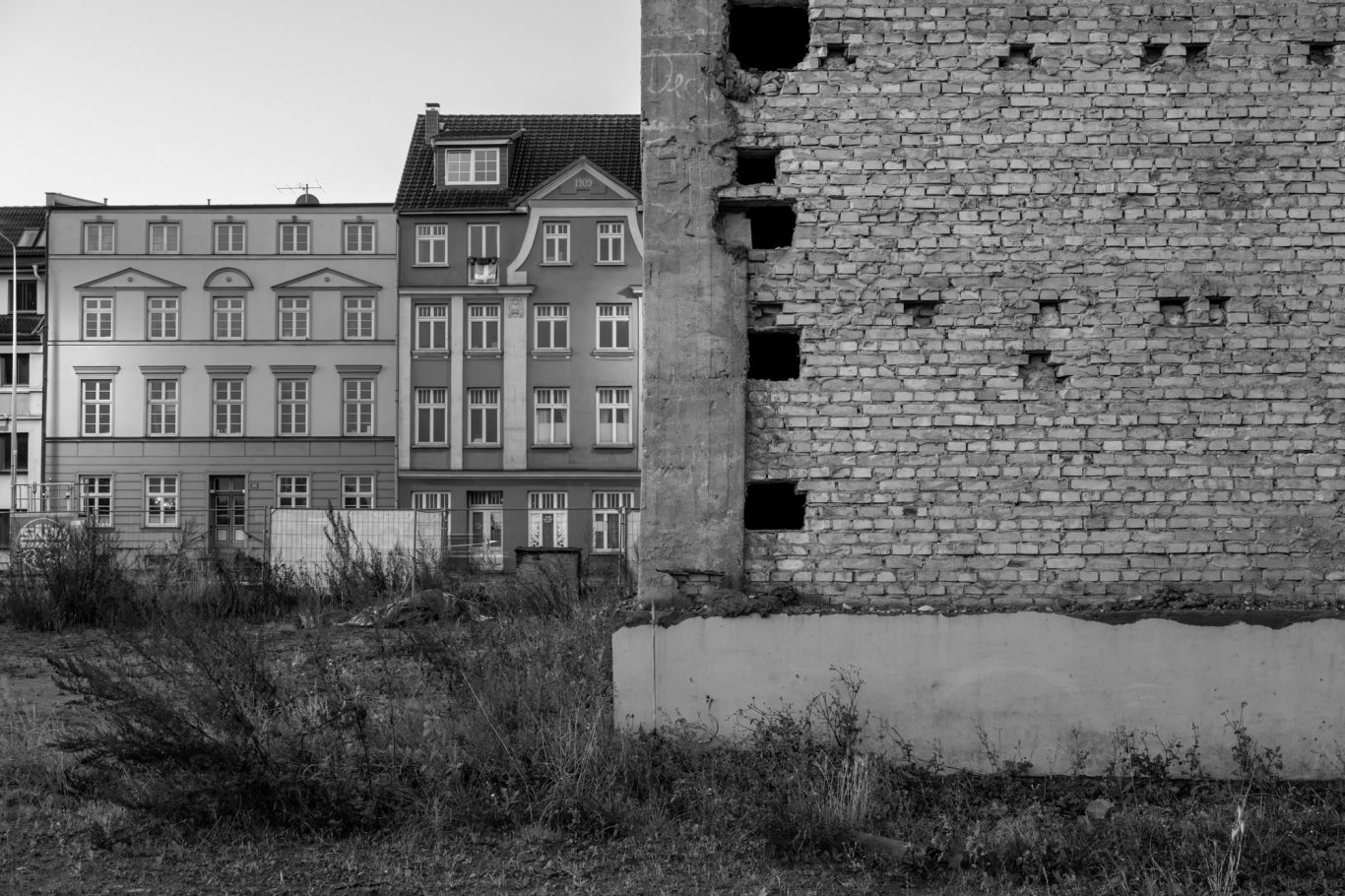
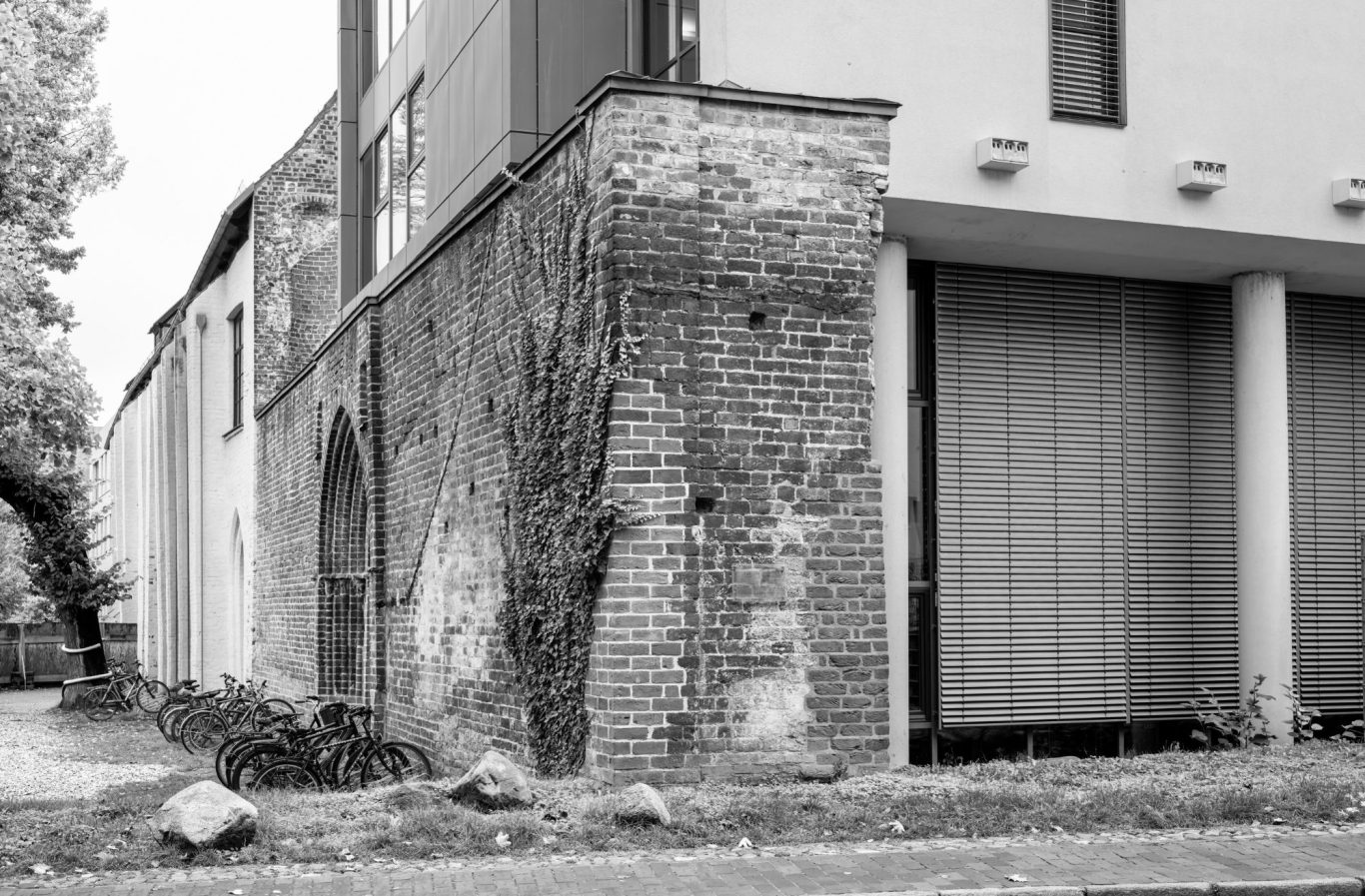
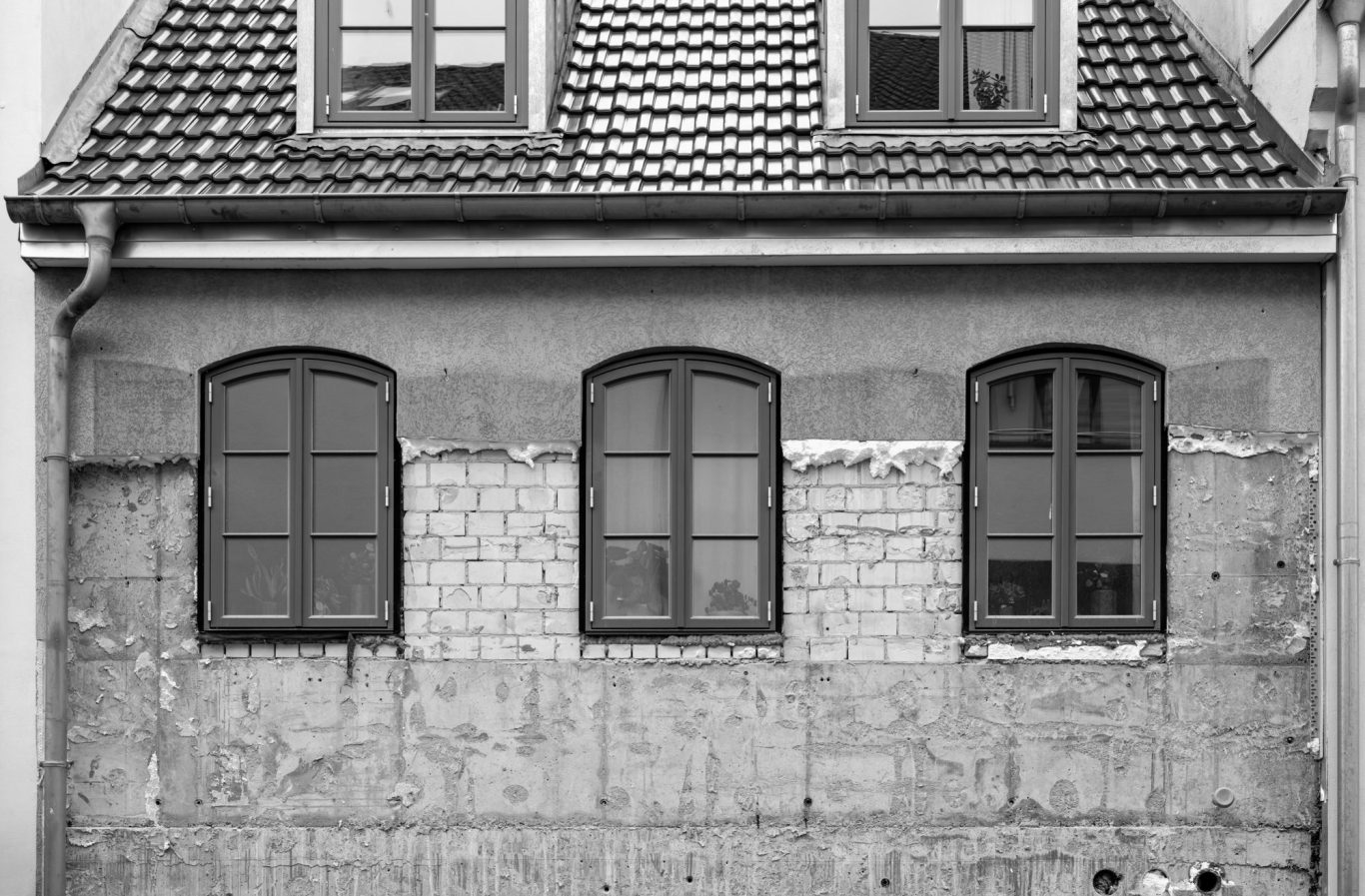
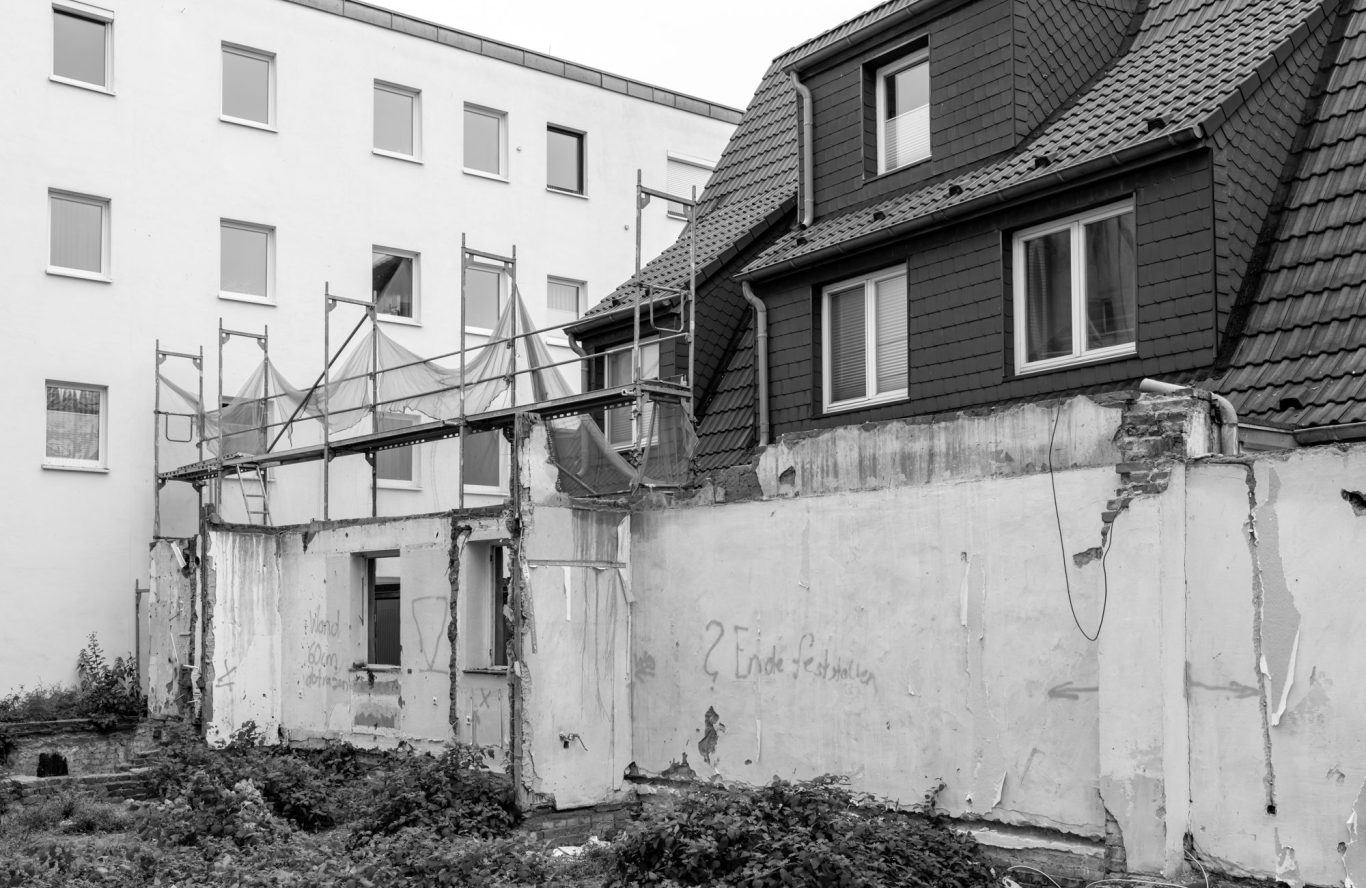
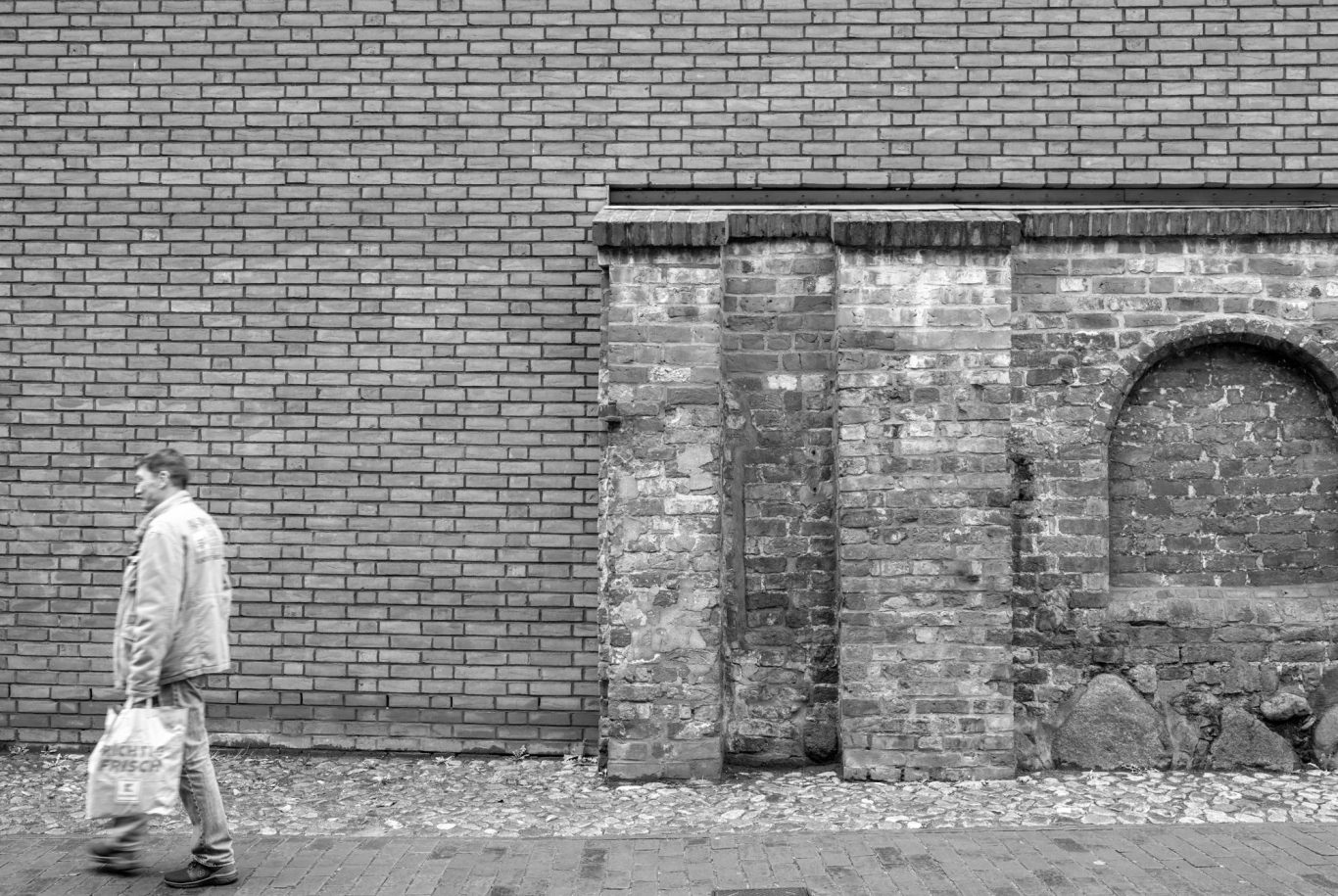
An old brick wall stands beside a much newer building. I don't know why it remains. Someone may have wanted to preserve it. Perhaps removing it was simply impractical. Whatever the reason, the two now share the same place.
I started noticing such arrangements differently after a difficult period in my own life. I was trying to regain stability, but I could not simply return to the life I had known before. I found myself wondering what we carry forward, what still helps us, and what continues to set limits long after its original purpose has changed.
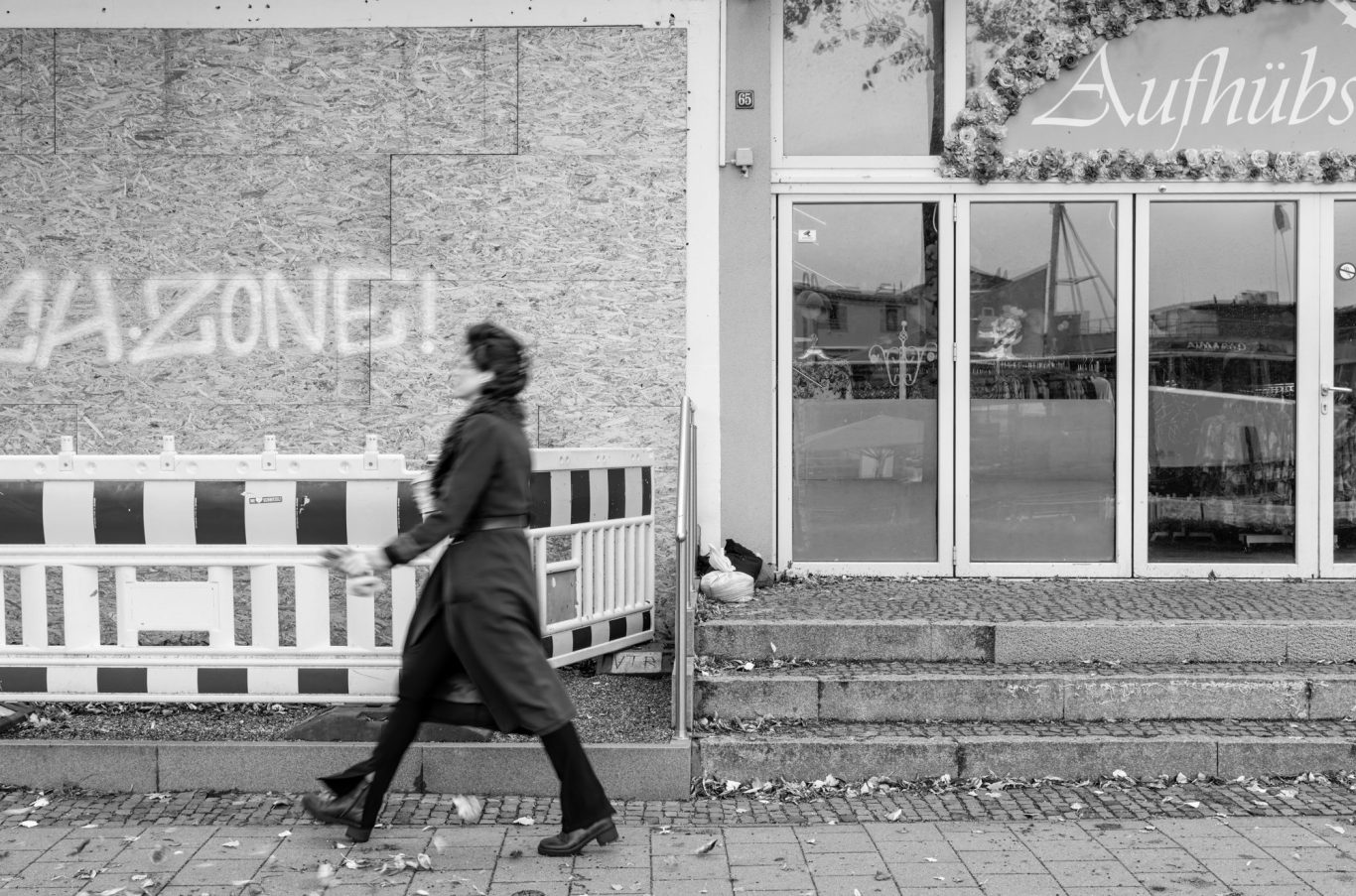
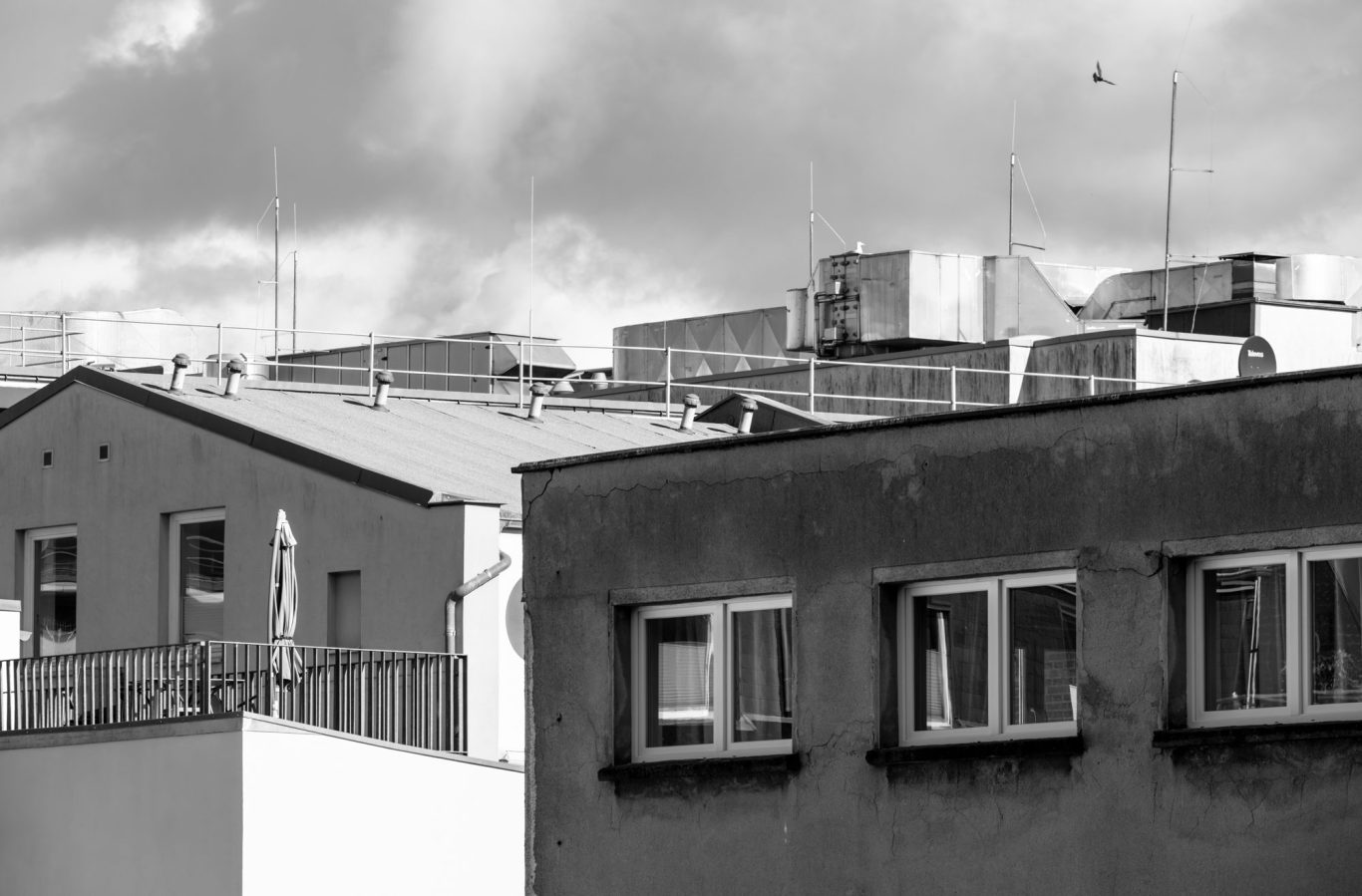
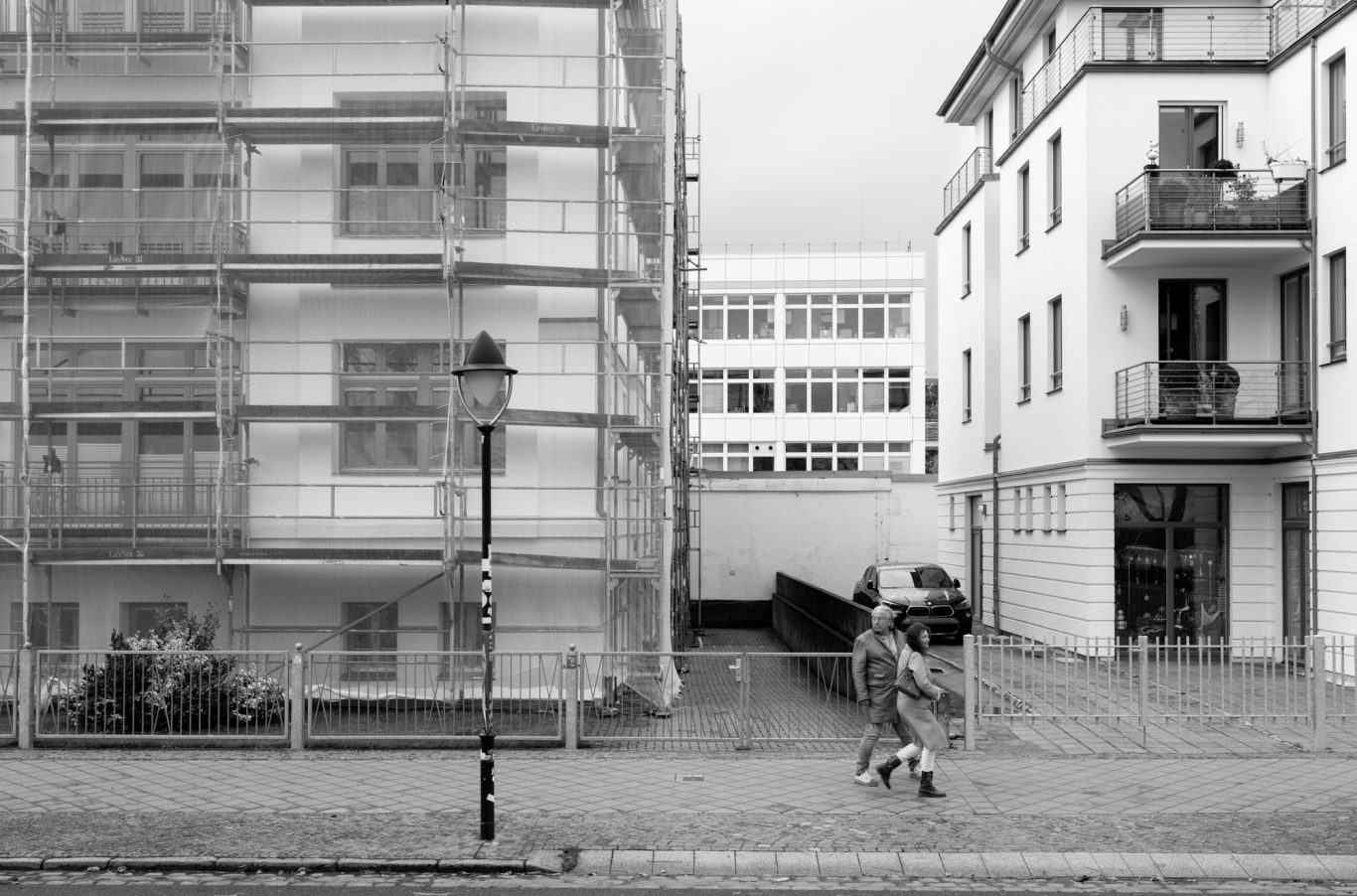
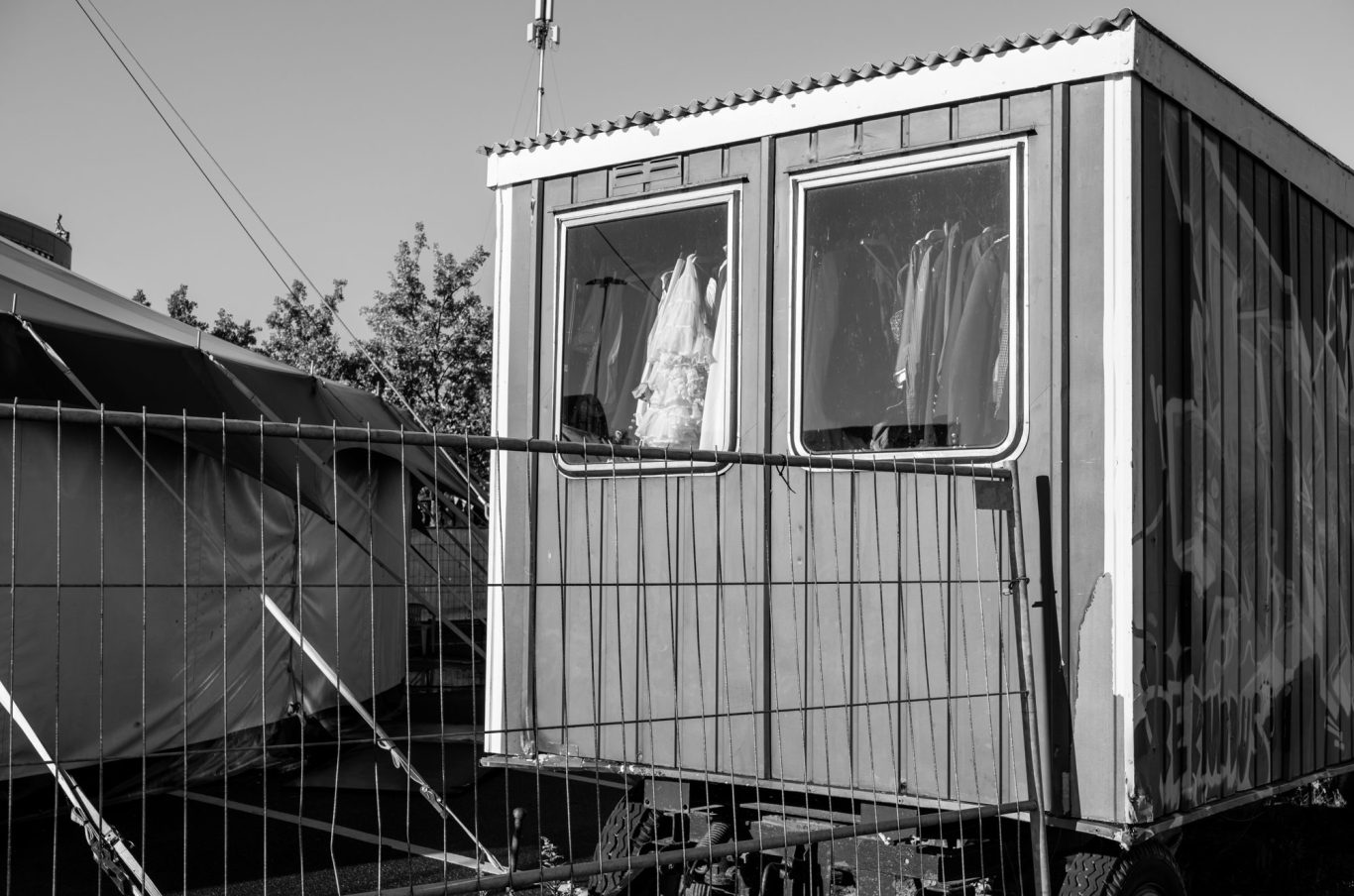
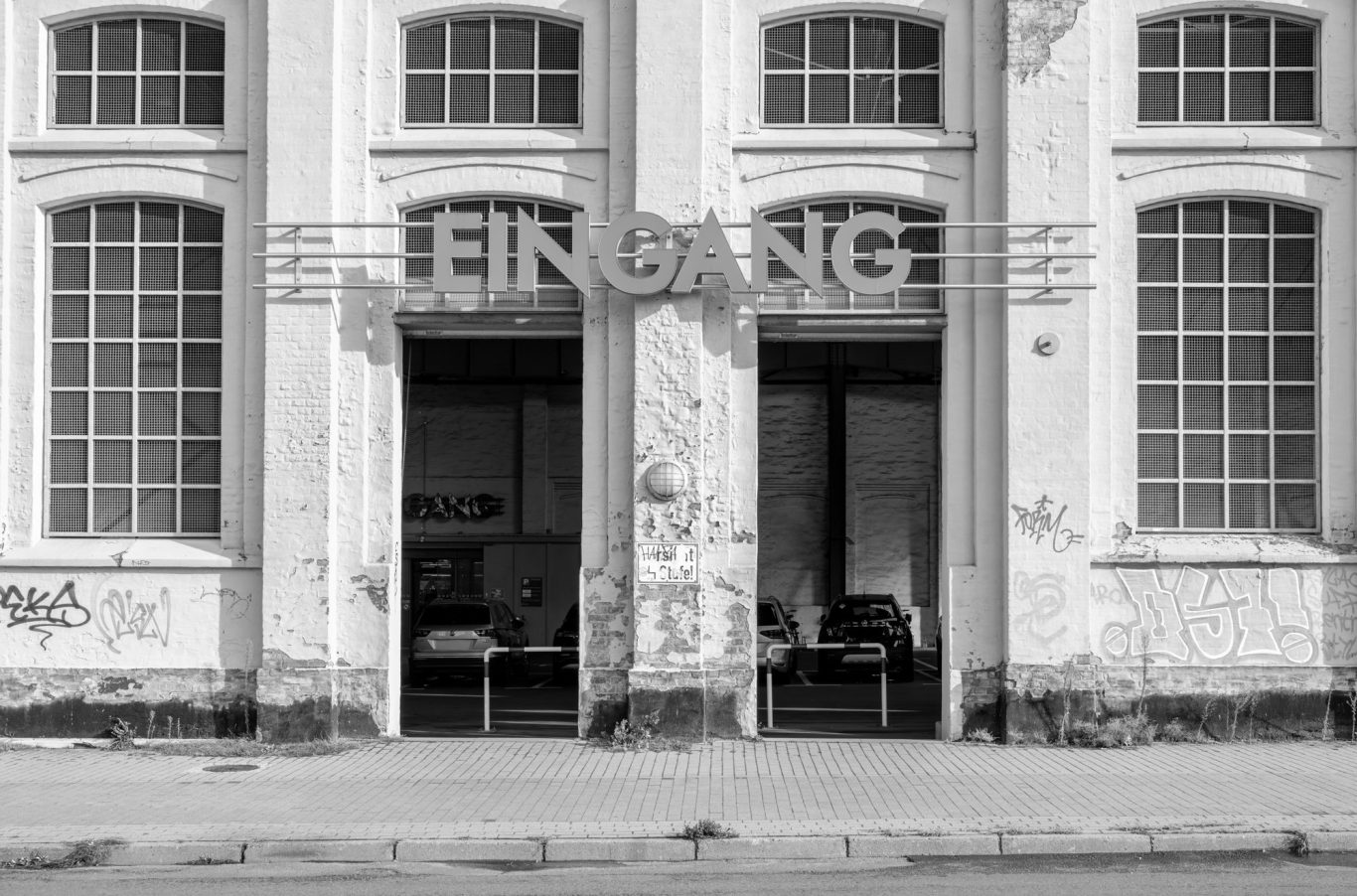
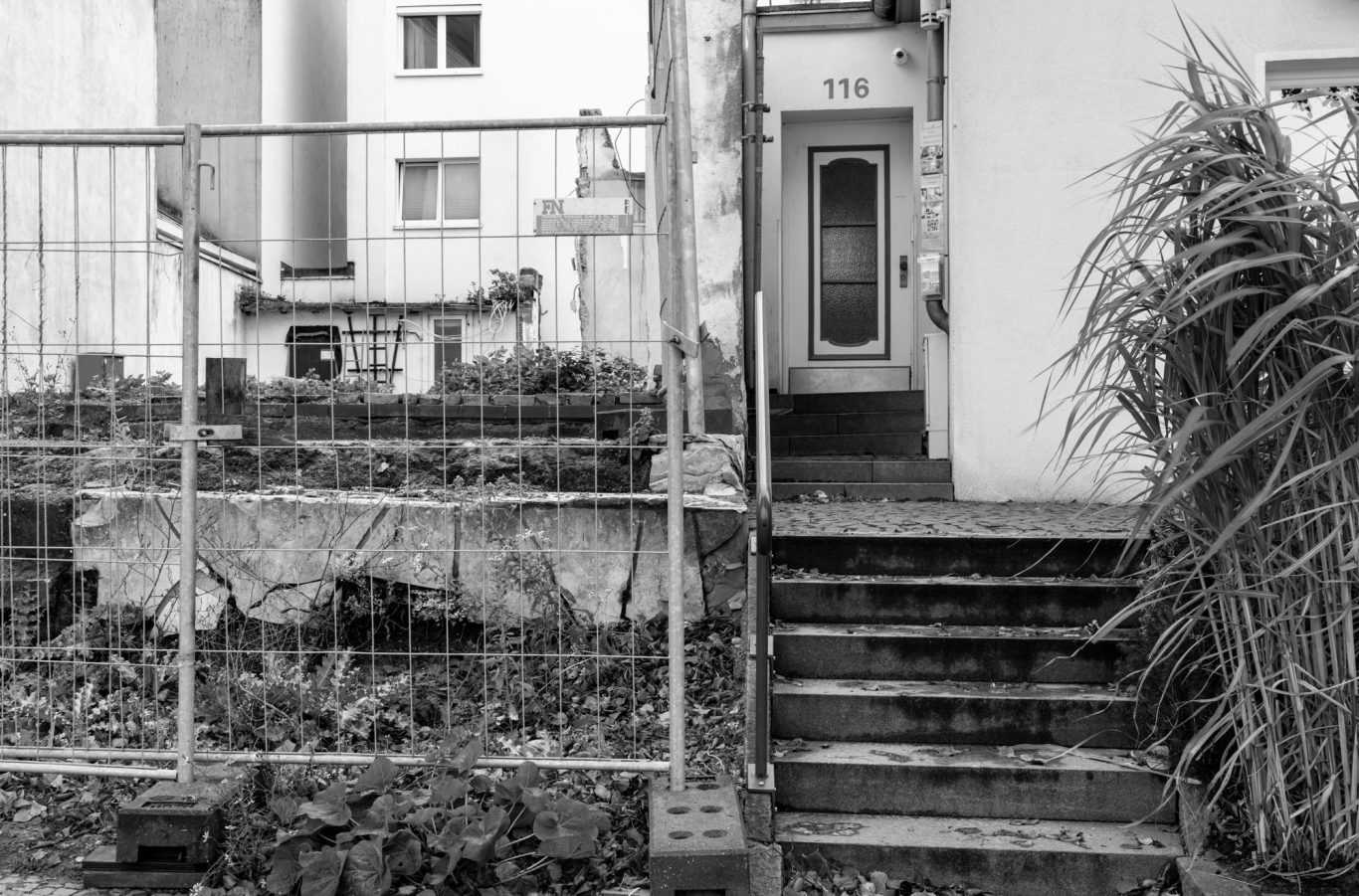
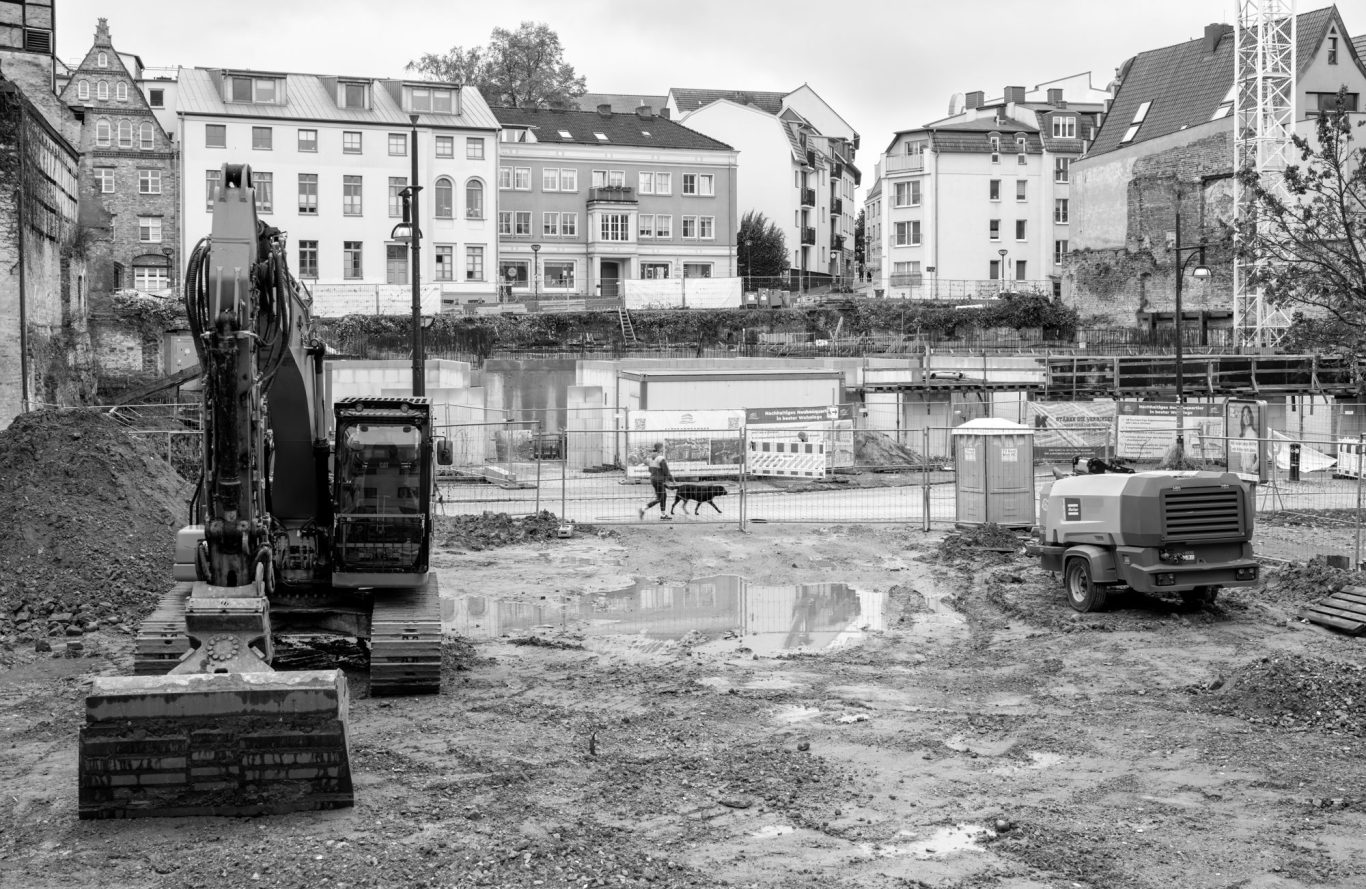
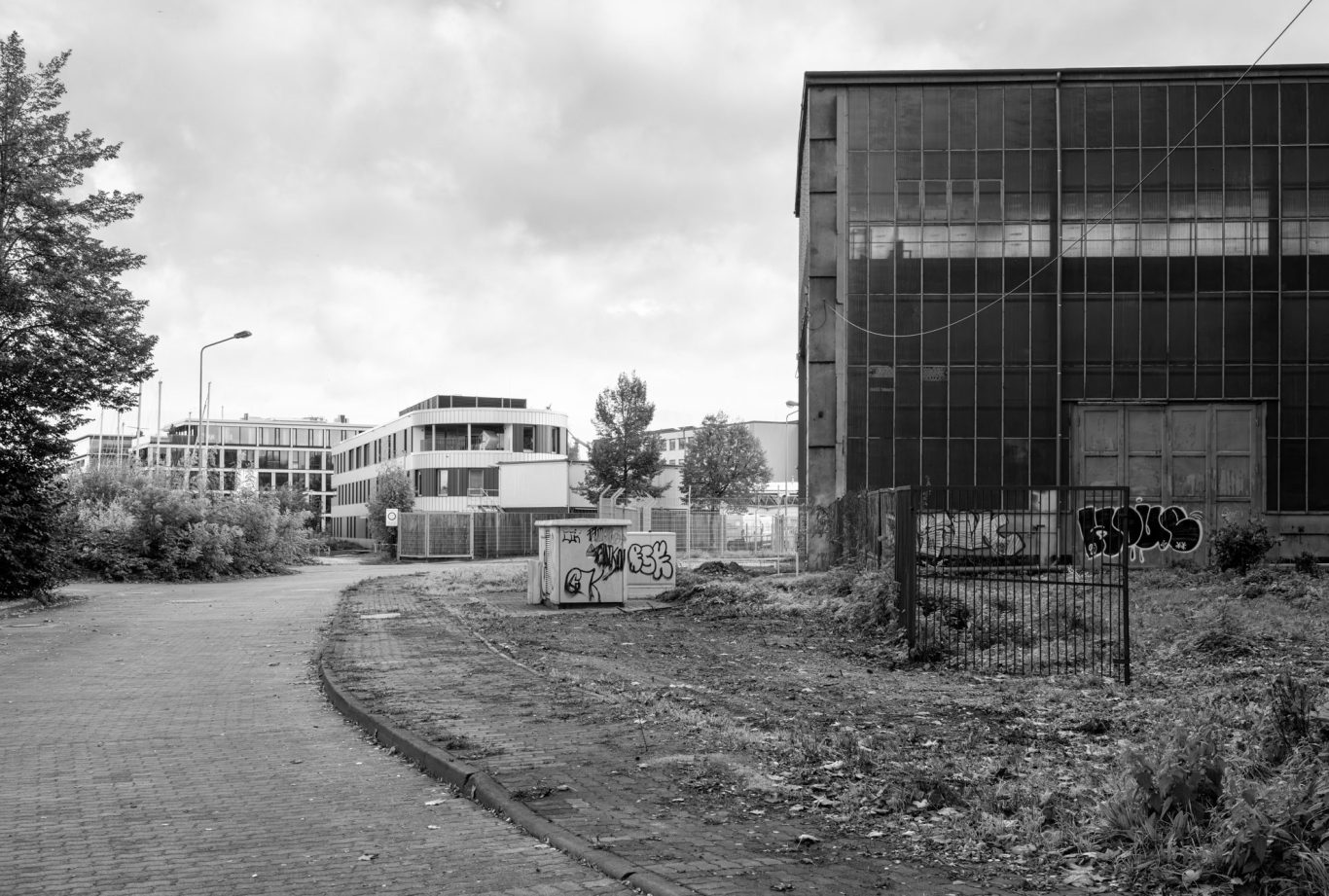
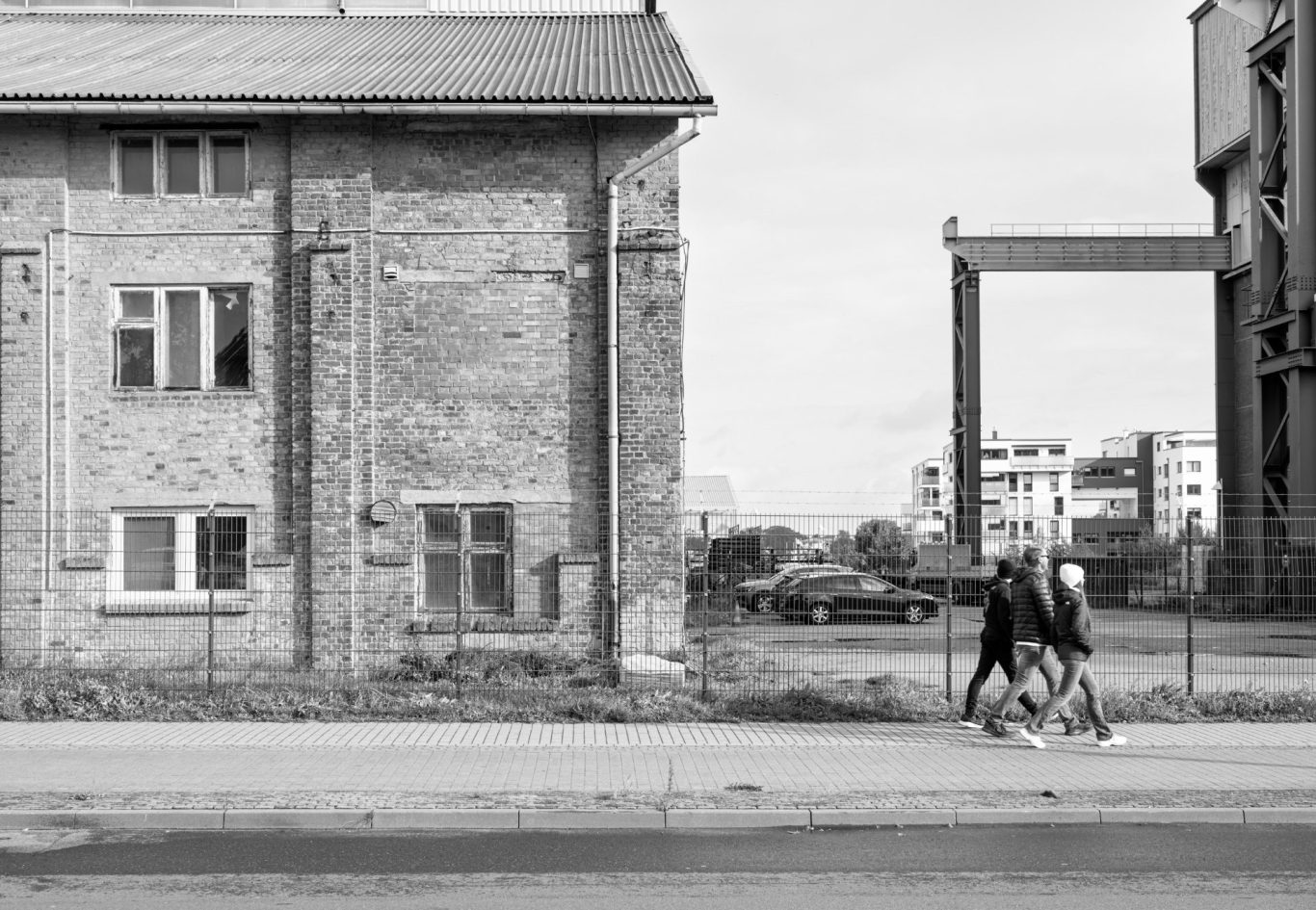
I photographed buildings in which that question seemed to have a physical counterpart. An old industrial entrance now opens onto parked cars. Part of a structure has been taken down while the neighbouring house remains. Elsewhere, scaffolding surrounds a façade, newer buildings stand near an old industrial hall, or clothes hang inside a temporary cabin. People continue to move through these places while some of their surroundings are being altered.
The photographs cannot tell me why each decision was made. There may be financial reasons, practical constraints, a wish to preserve something, or no intention to preserve it at all. What survives is not necessarily what somebody valued, and what disappears is not necessarily what no longer mattered.
I felt a connection between these places and my own questions, but they are not illustrations of my life. They show something more particular: how change takes place among structures, materials and uses that have not ceased to exist. What was built before can offer a basis for what comes next. It can also make certain choices harder.
A place may change considerably without becoming free of its past. Yet that past does not settle everything it can still become.