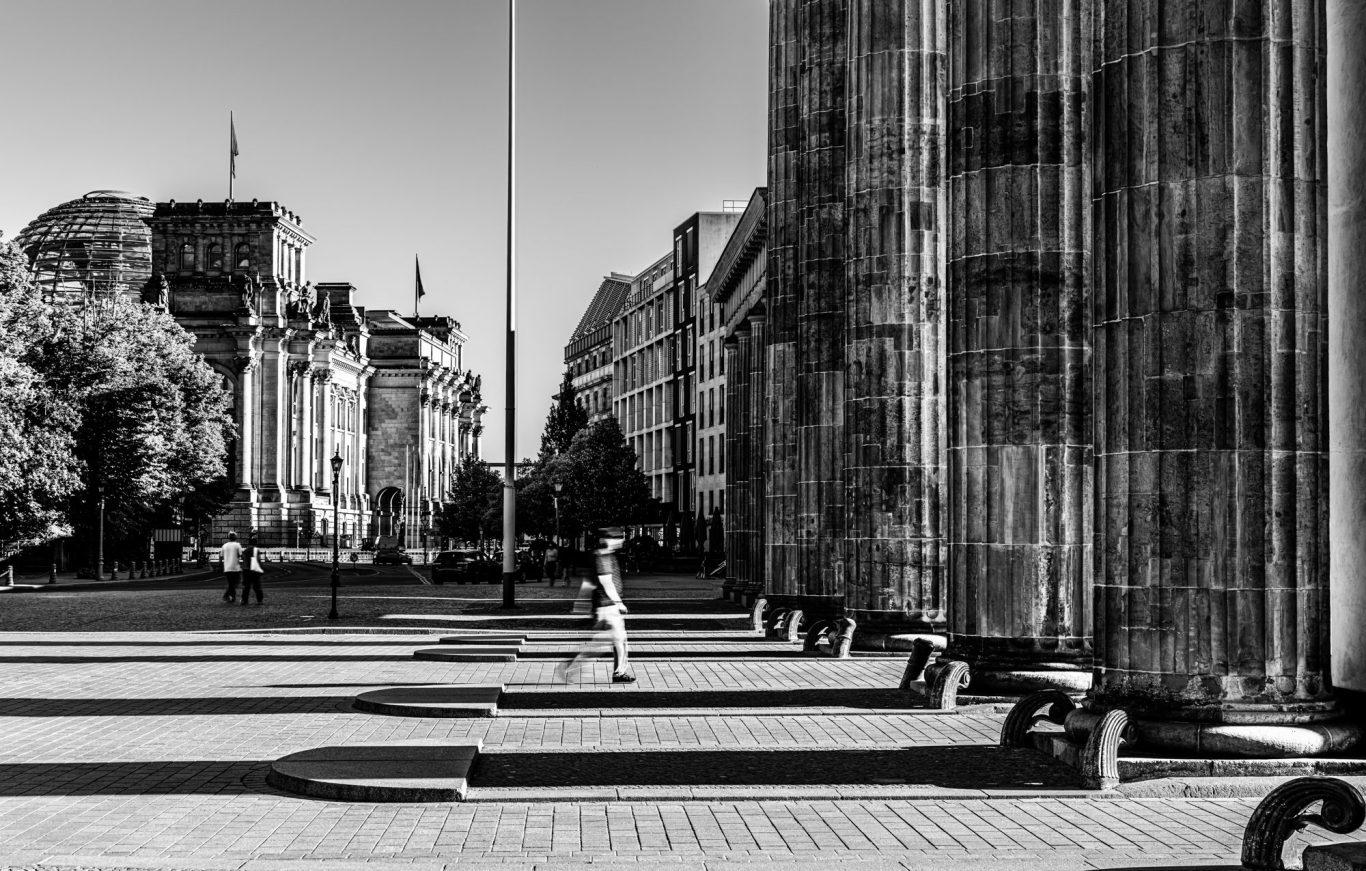
Measured Passage
I can cross a city without remembering much about the routes I have taken. A pavement continues around a building, a staircase leads to another level, a crossing makes me wait. I follow what is there and move on.
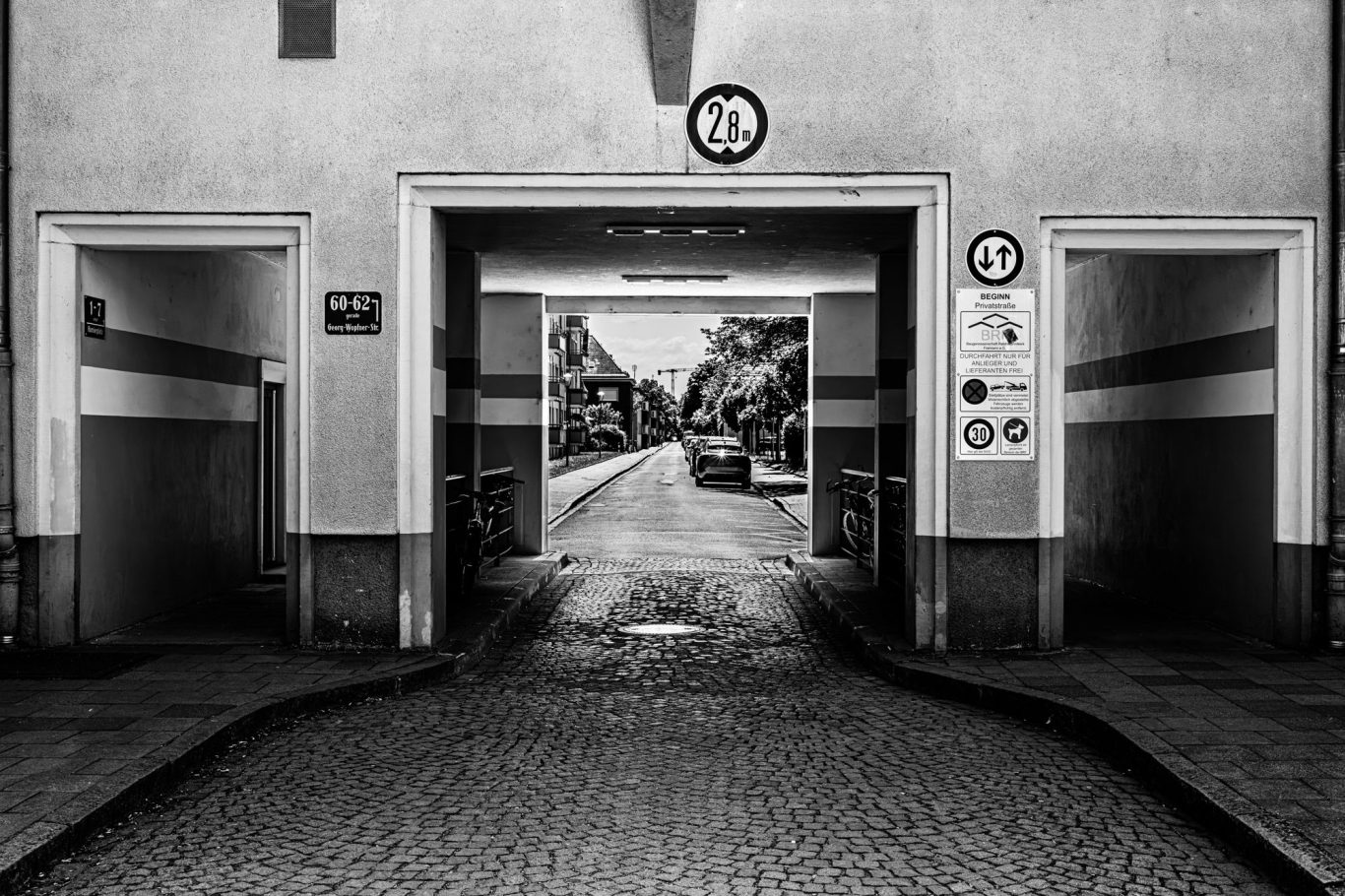
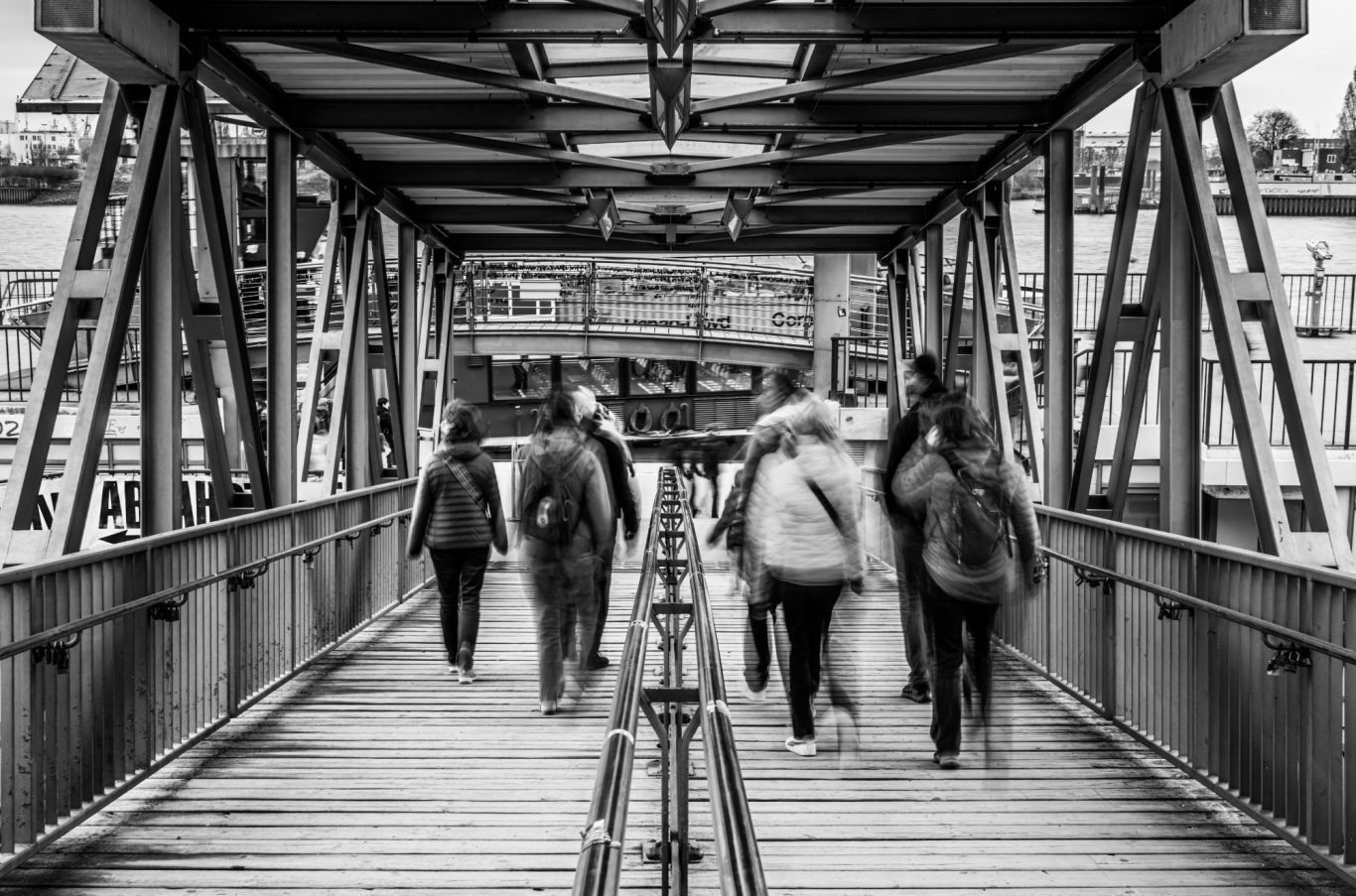
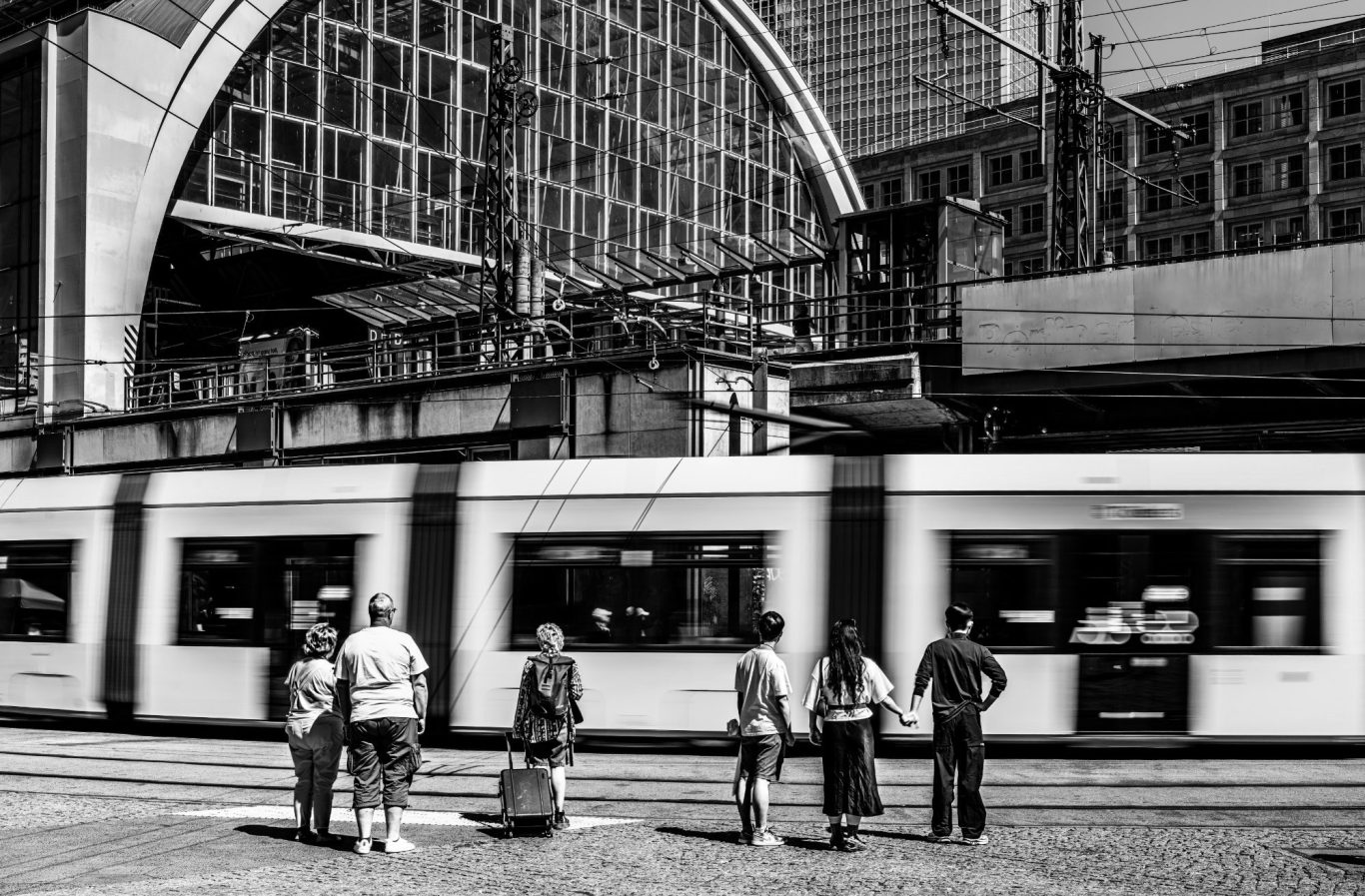
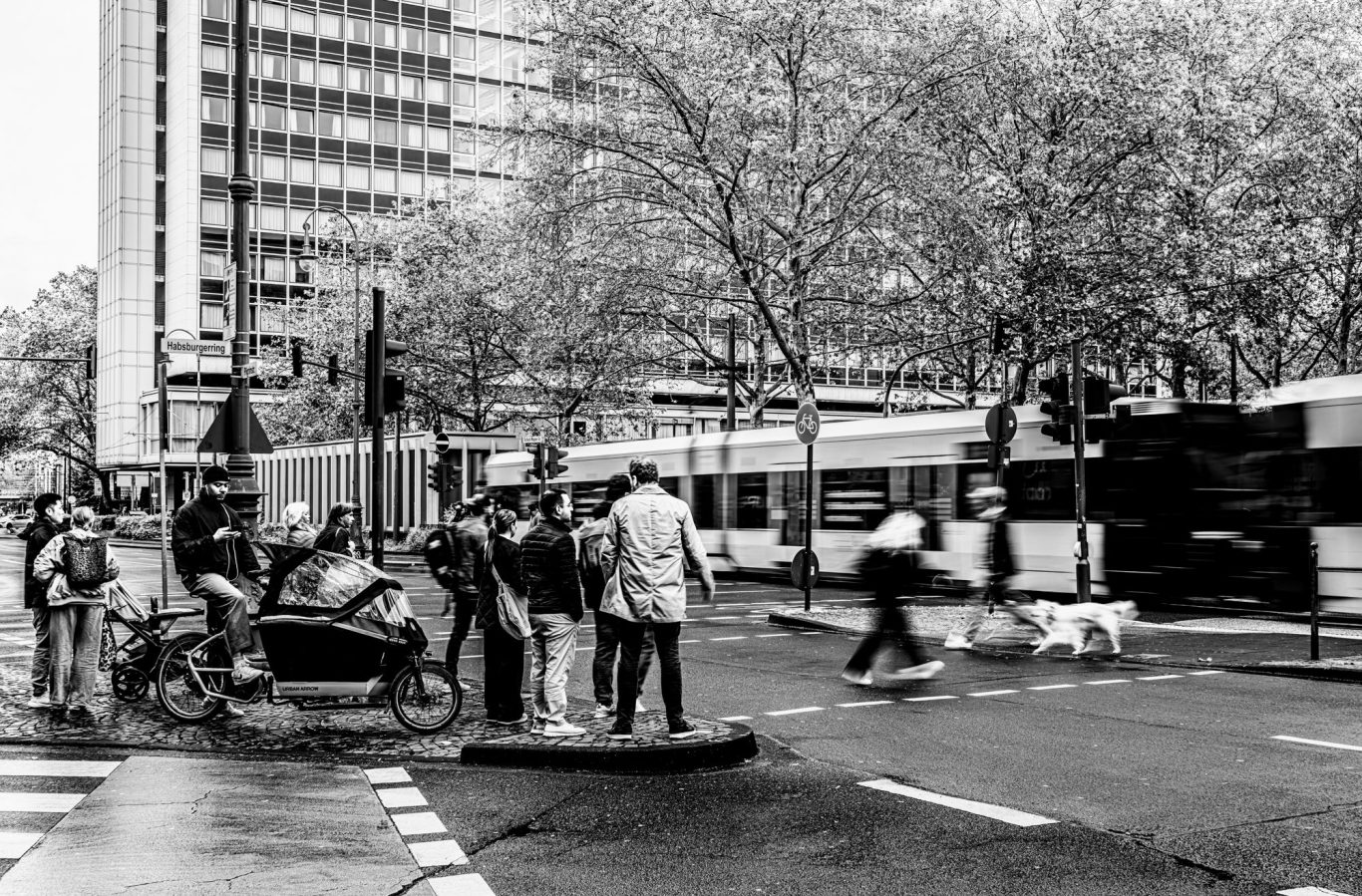
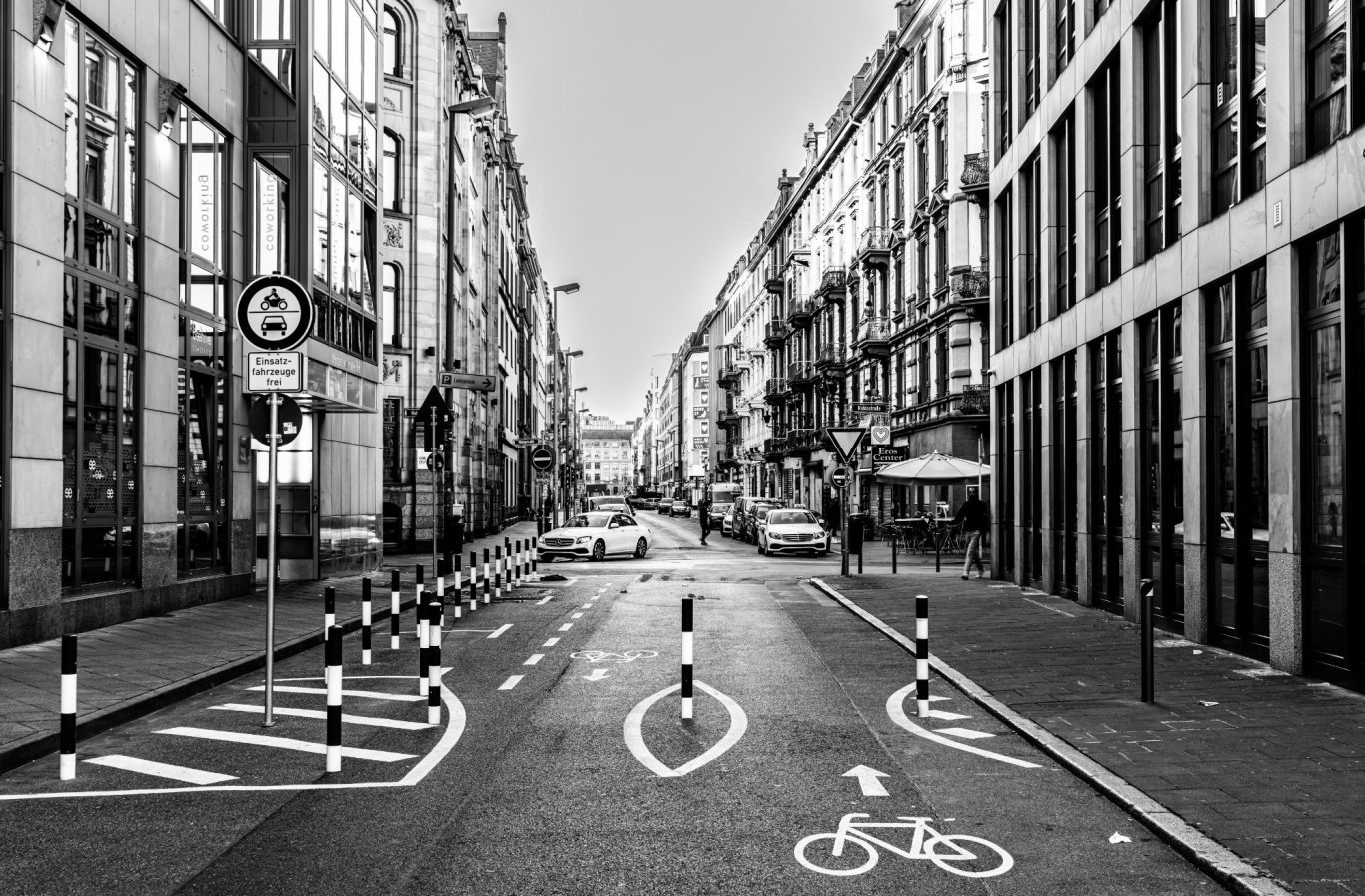
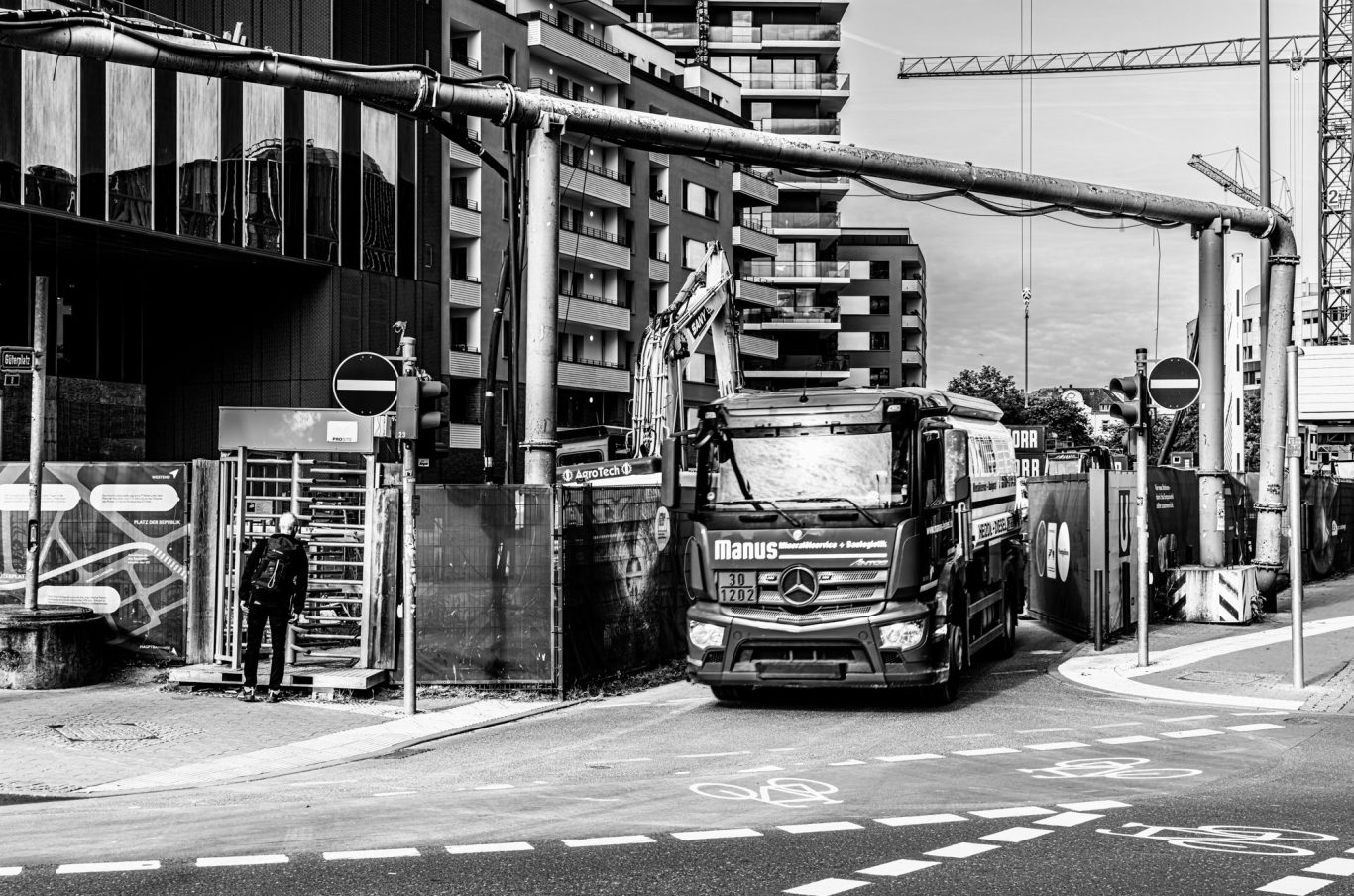
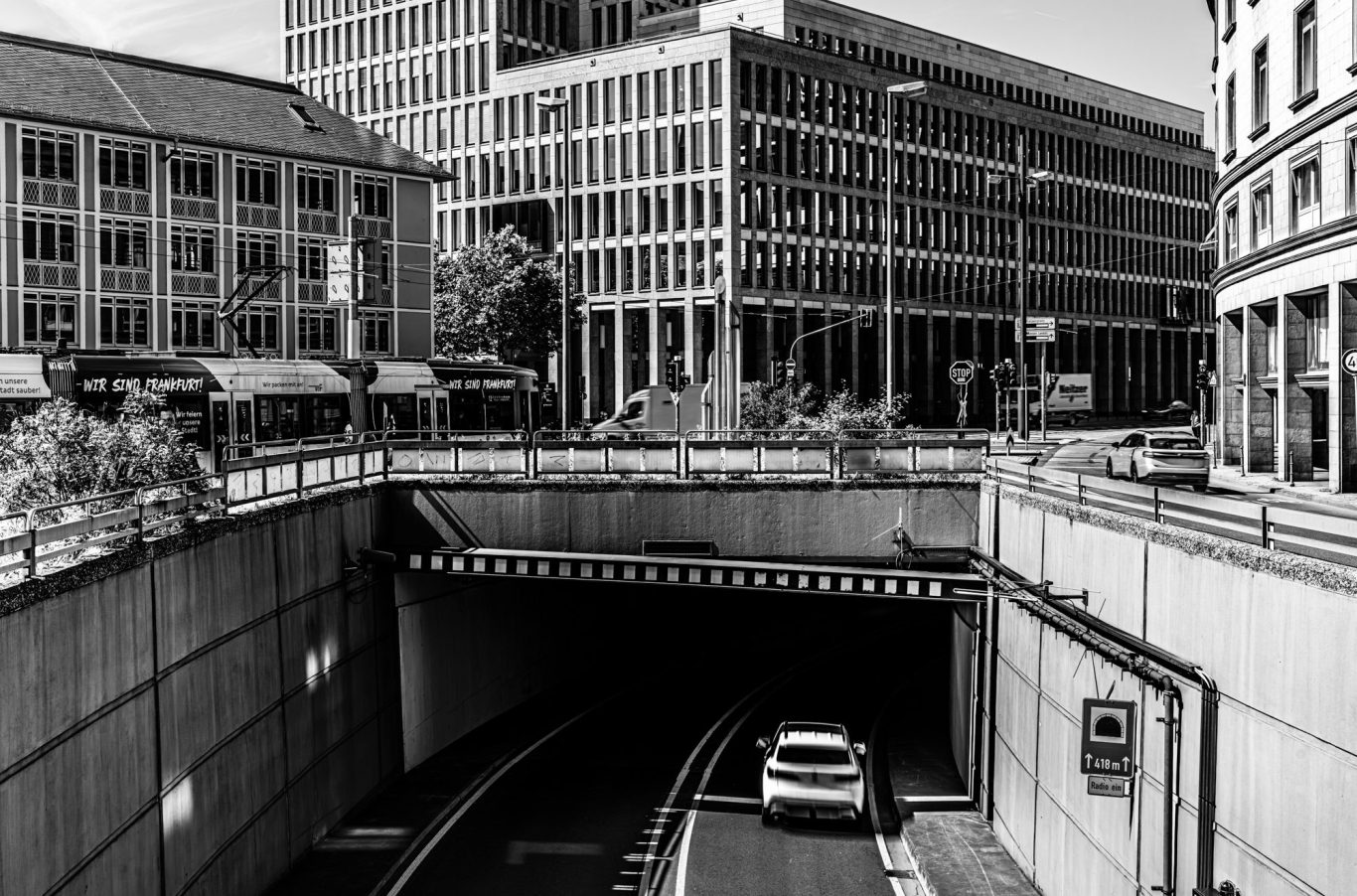
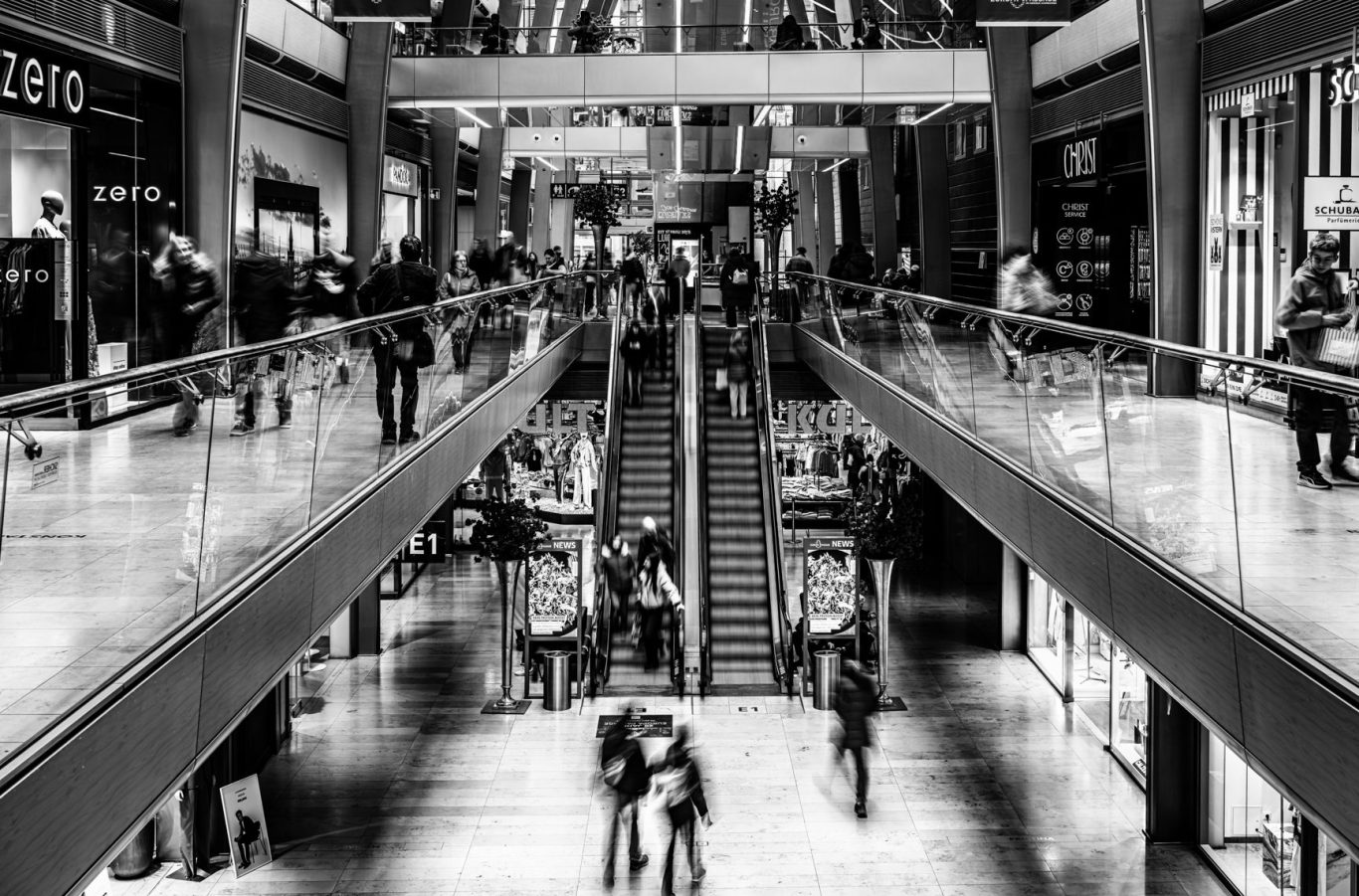
Yet the ways through a place are not always as straightforward as they seem. On a narrow bridge, people travelling in opposite directions share the same passage. At a crossing, some movements continue while others wait. Roads separate different kinds of traffic, while stairs and escalators connect one level to another.
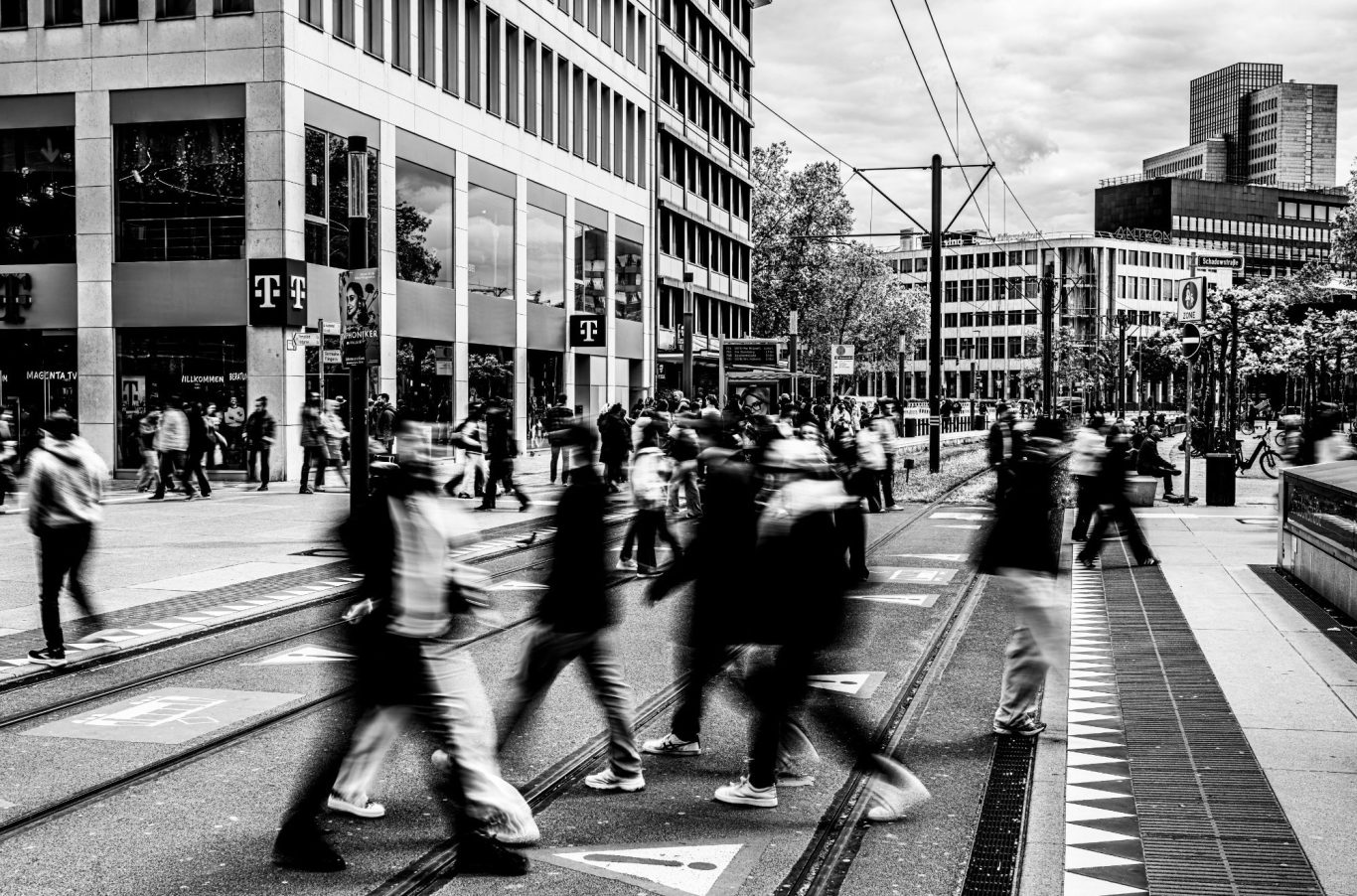
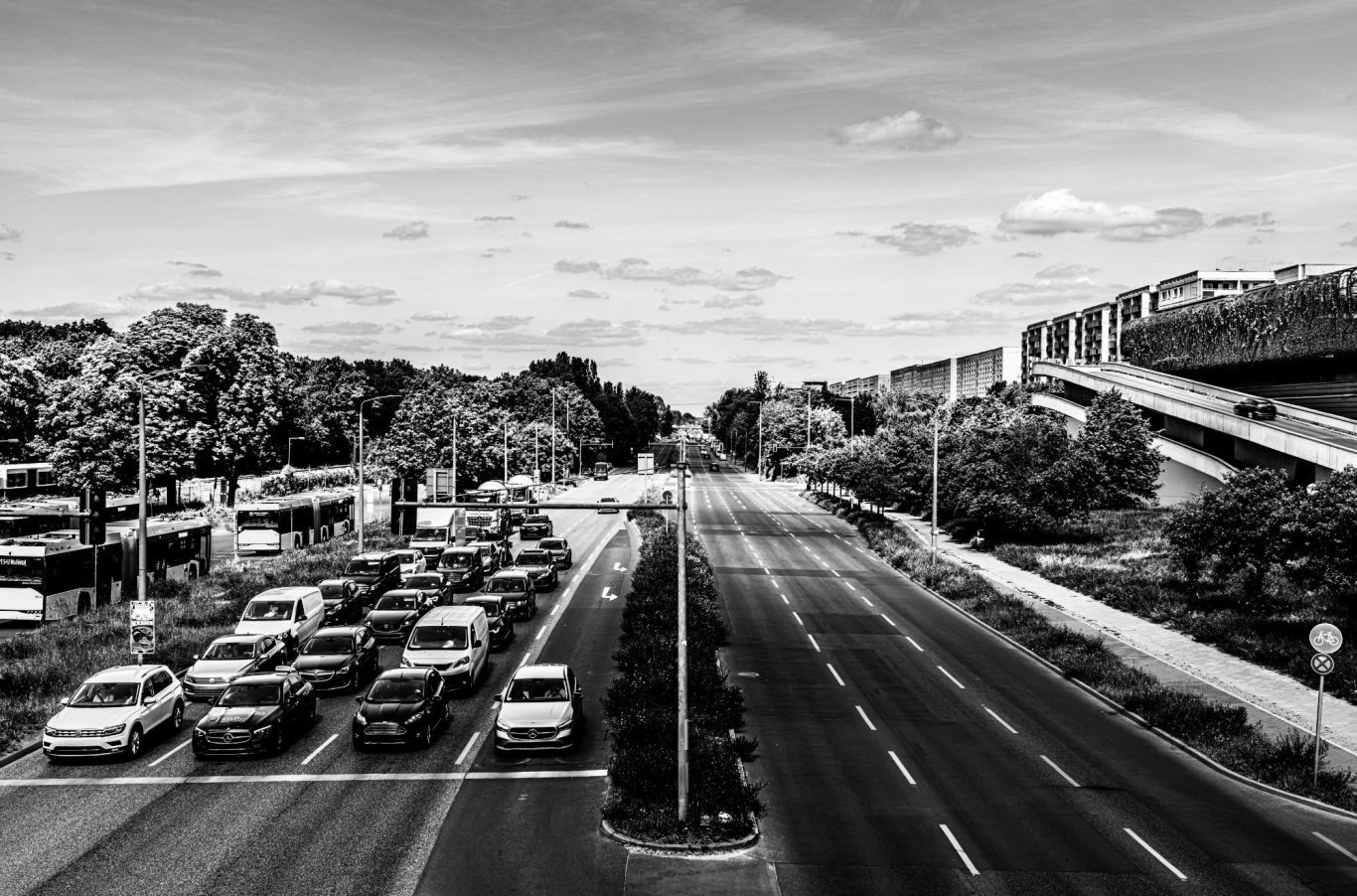
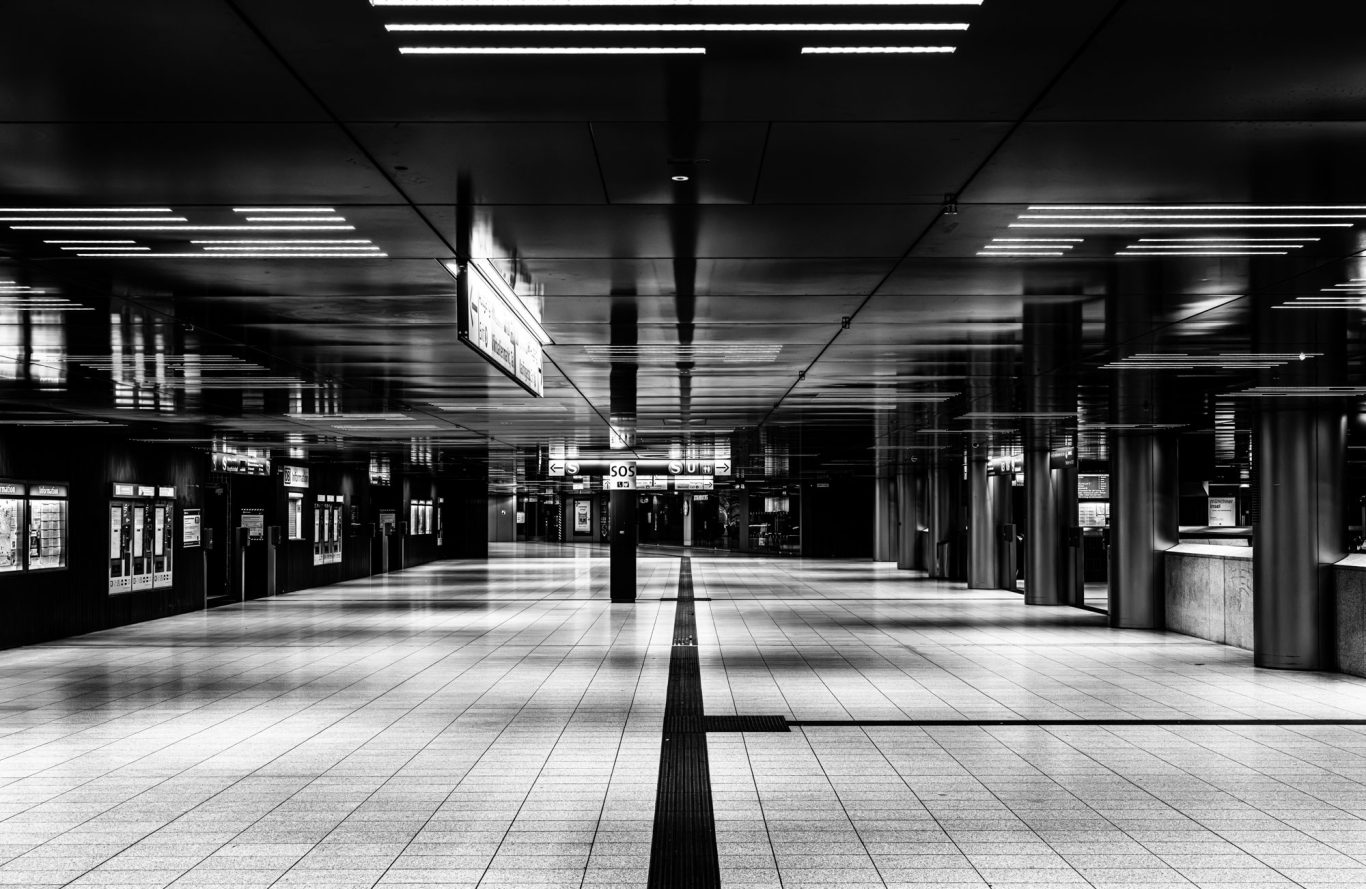
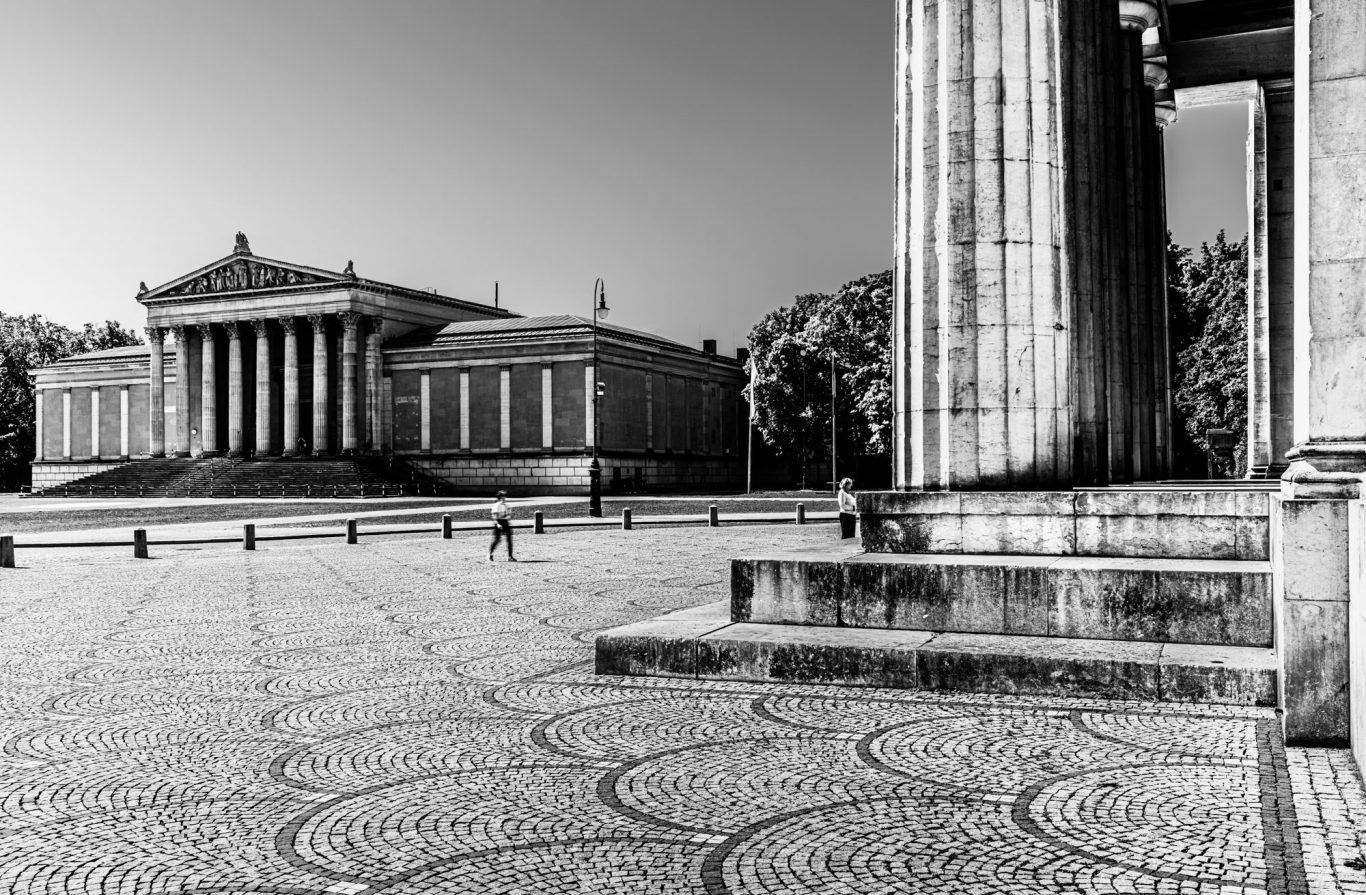
In other places, the direction is less clearly defined. People cross wide squares without following a single marked path. A road may be crowded in one direction and nearly empty in the other. An underground passage can remain unused even though the route through it is still there.
These differences make me look more closely at what a route actually does. It can bring people together, keep them apart or offer a way through a place that would otherwise be difficult to cross. But its existence does not tell me how it will be used, or what someone has in mind when taking it.
Perhaps that is why I rarely notice these arrangements when they work as expected. I simply follow the way ahead, without thinking much about how it came to be there or what else might have happened along it.