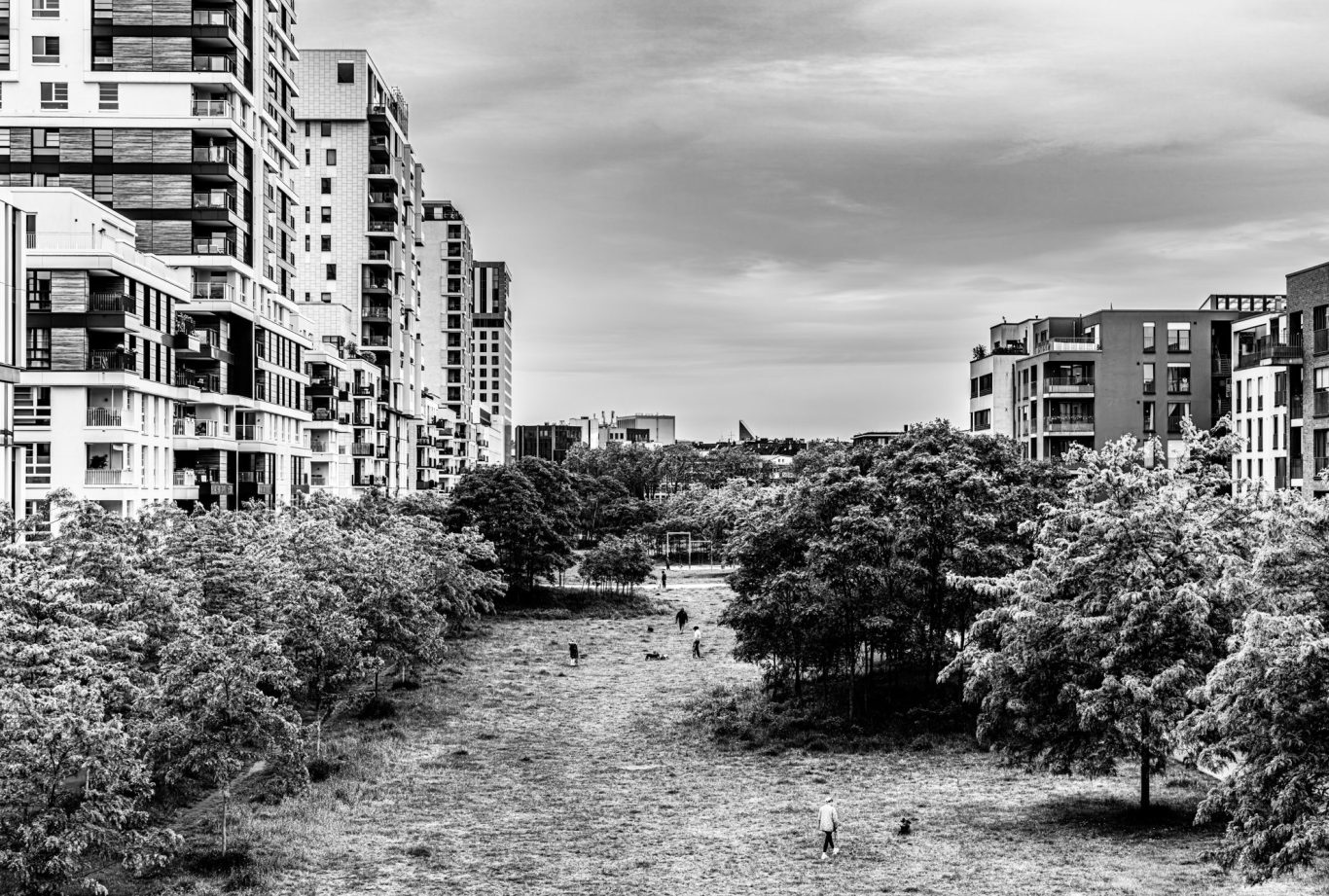
Public Field
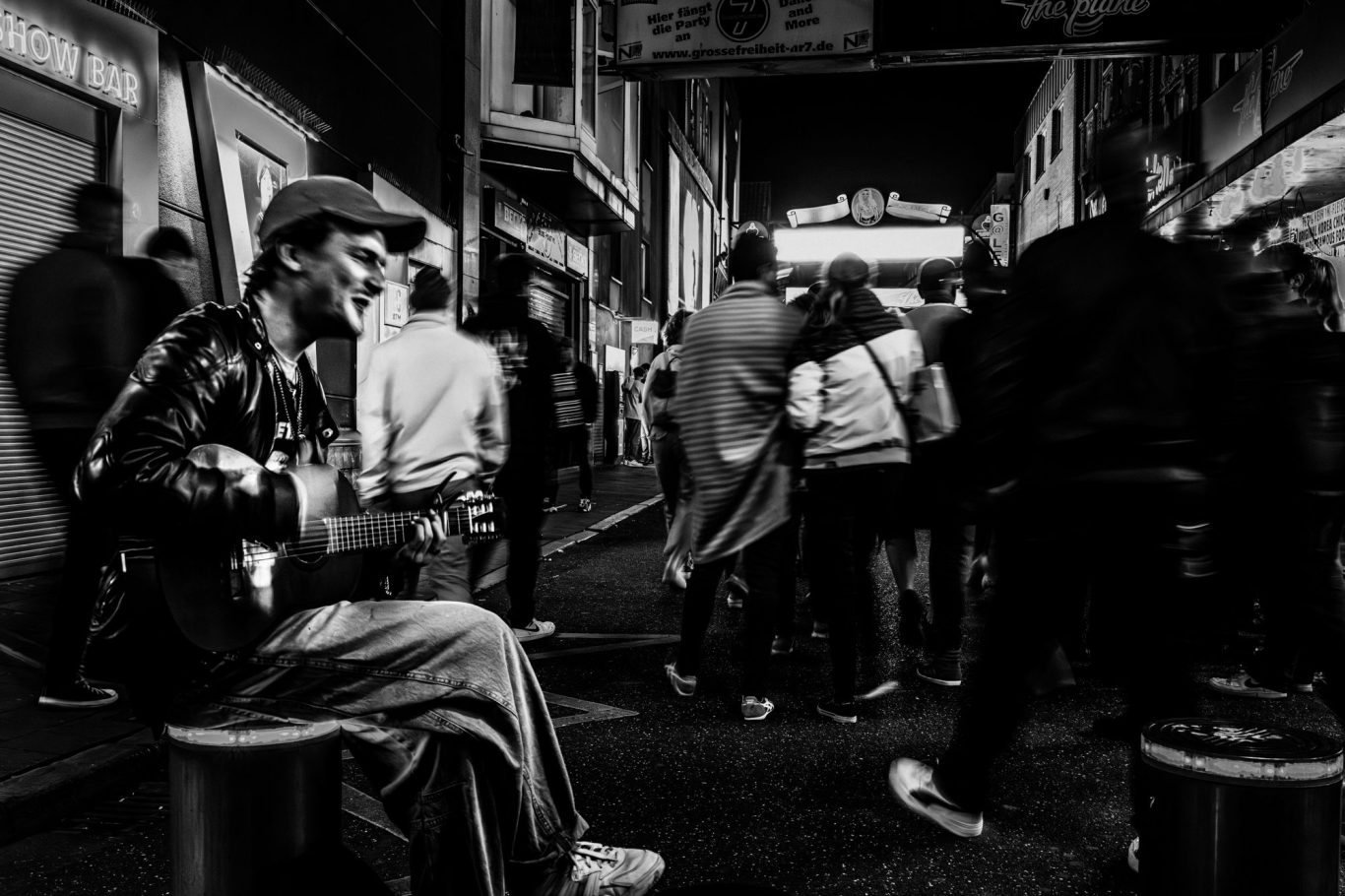
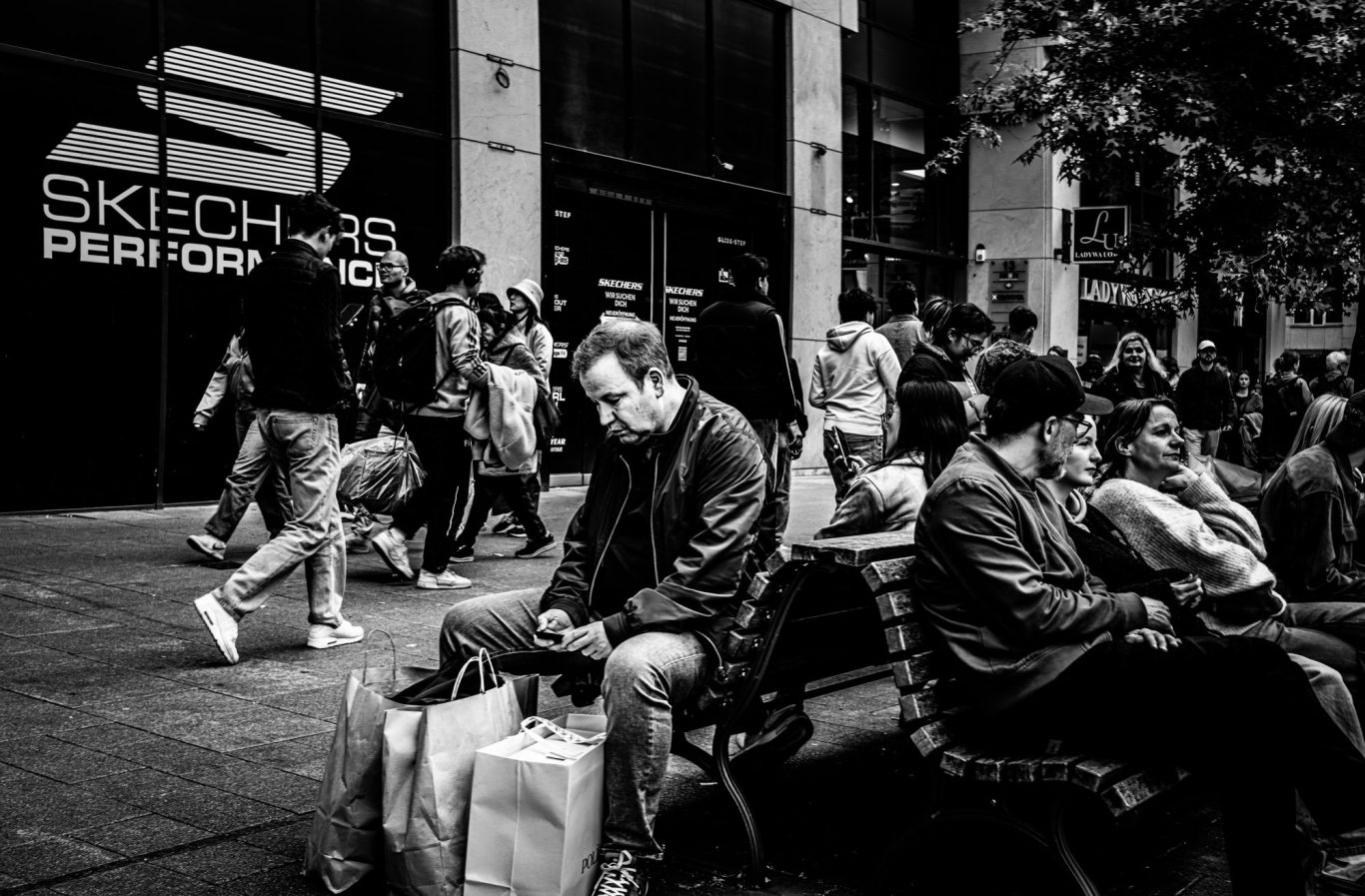
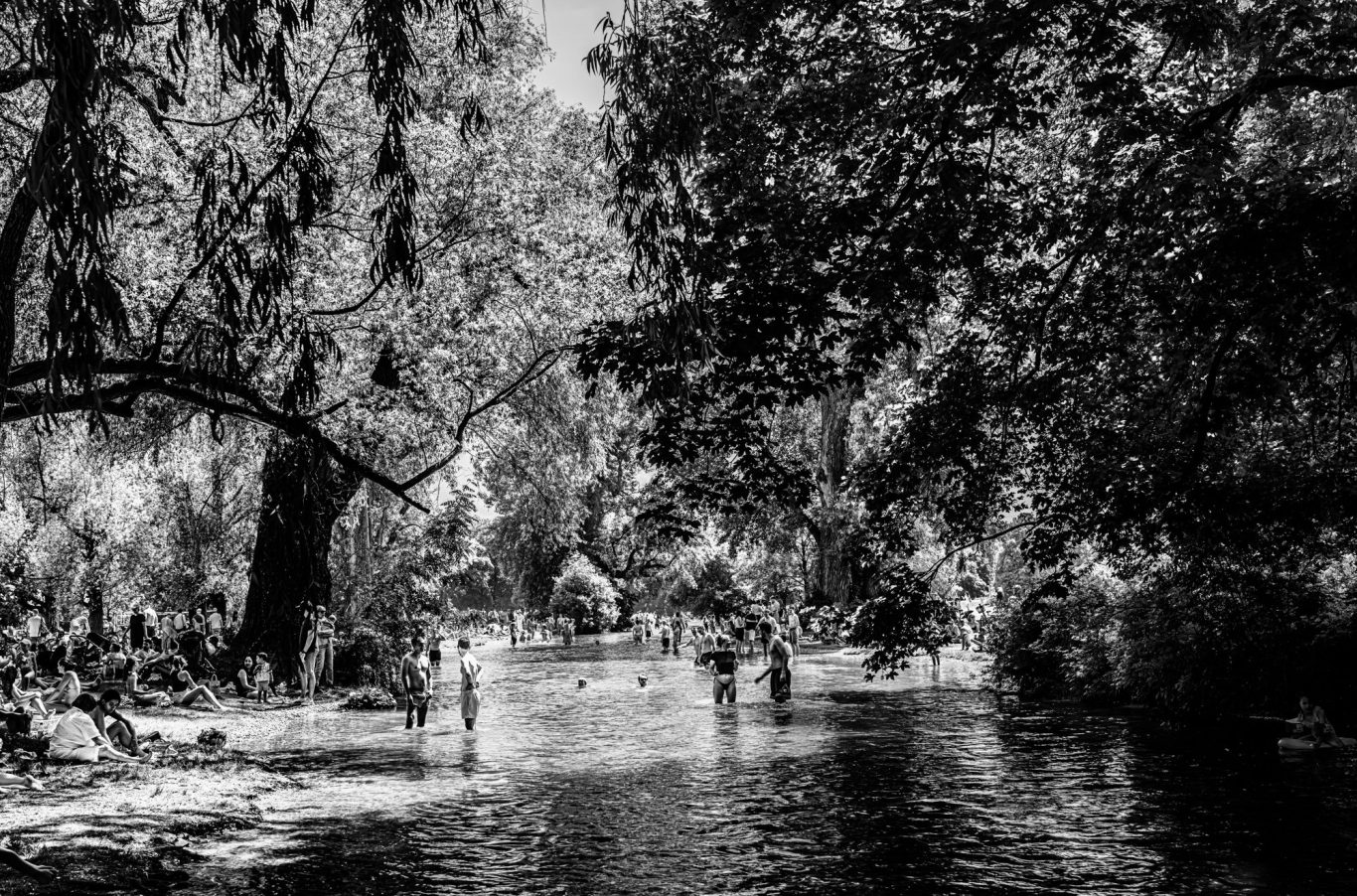
A crowded place is not necessarily more public than an empty one.
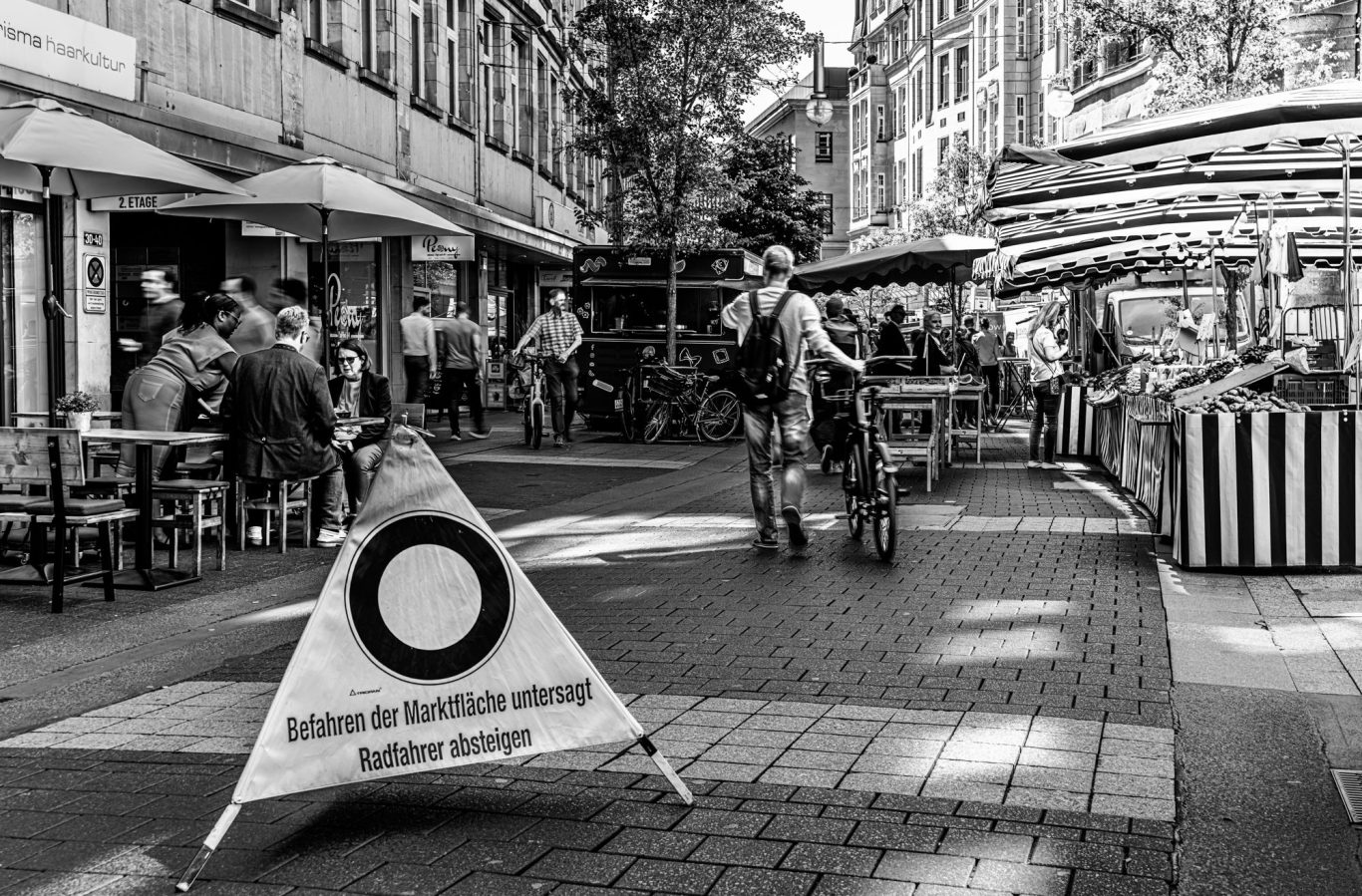
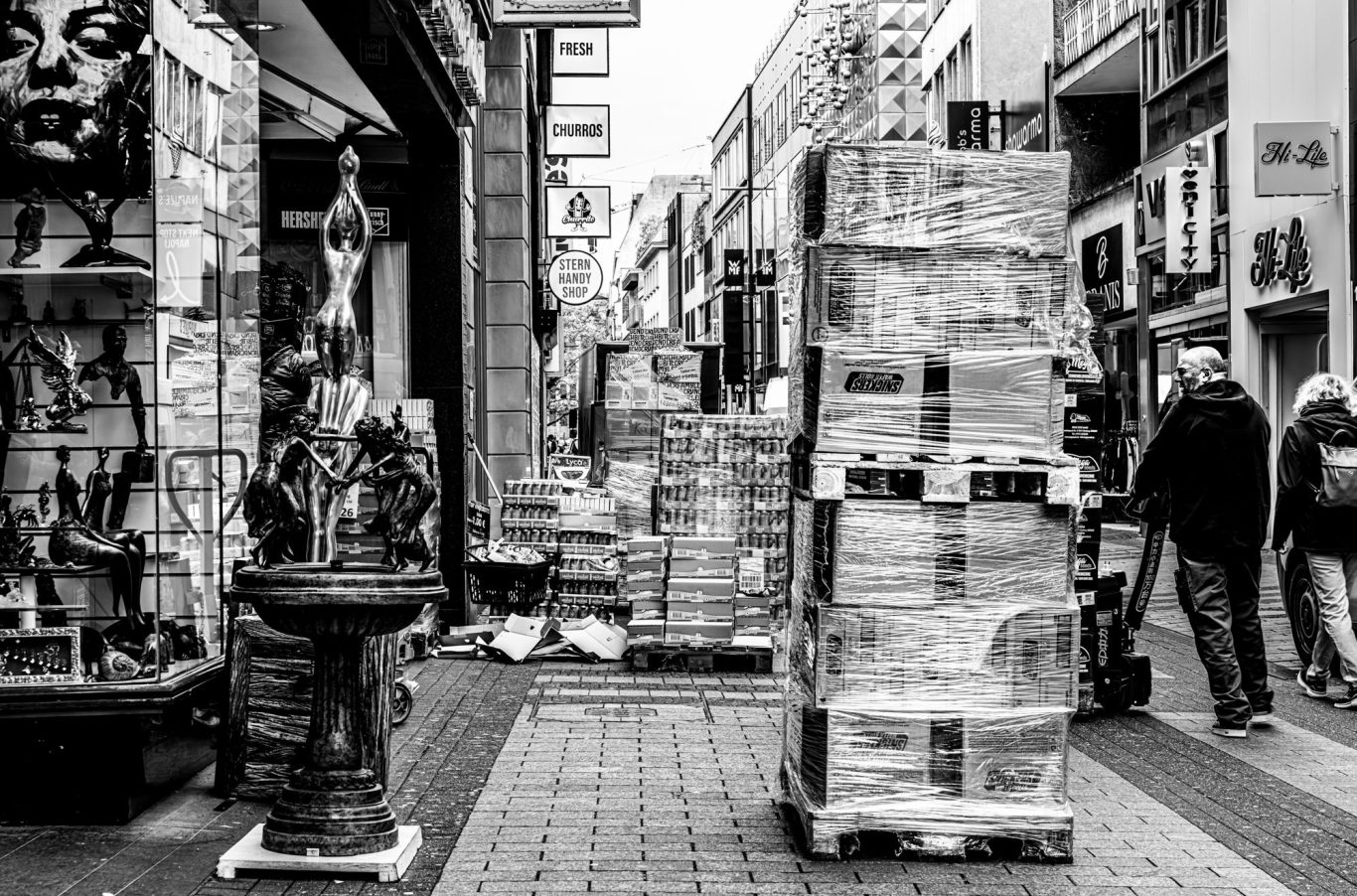
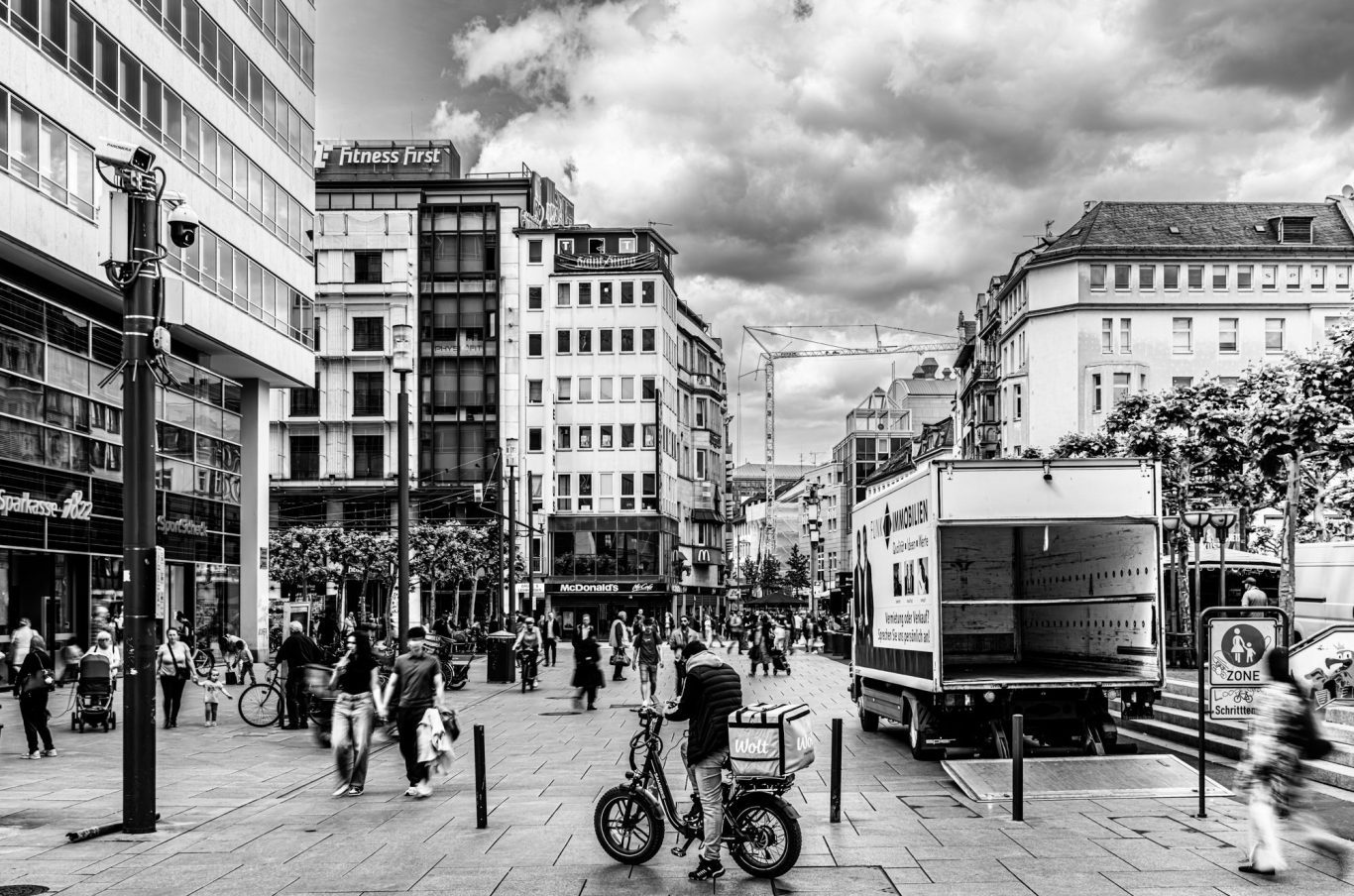
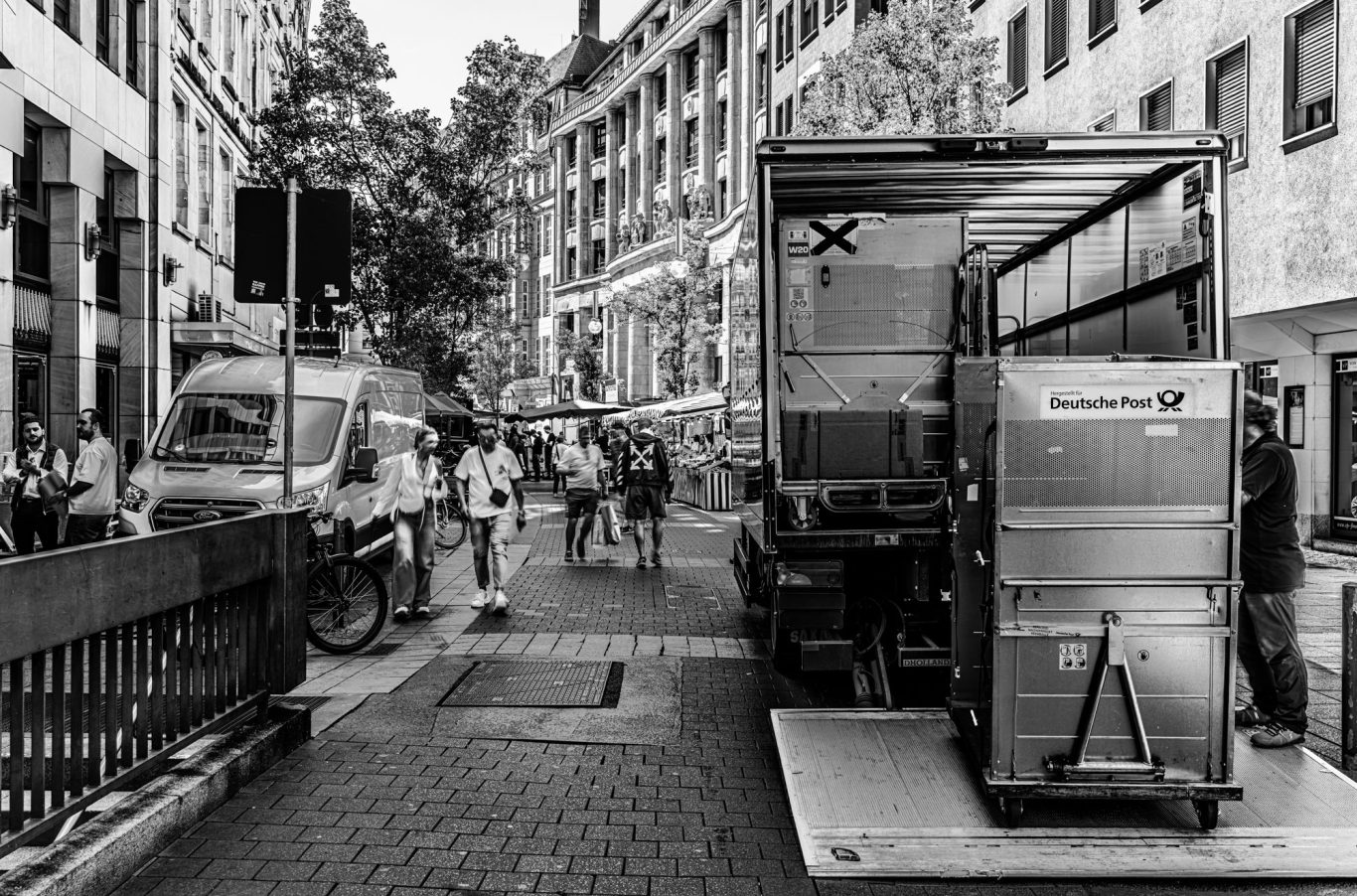
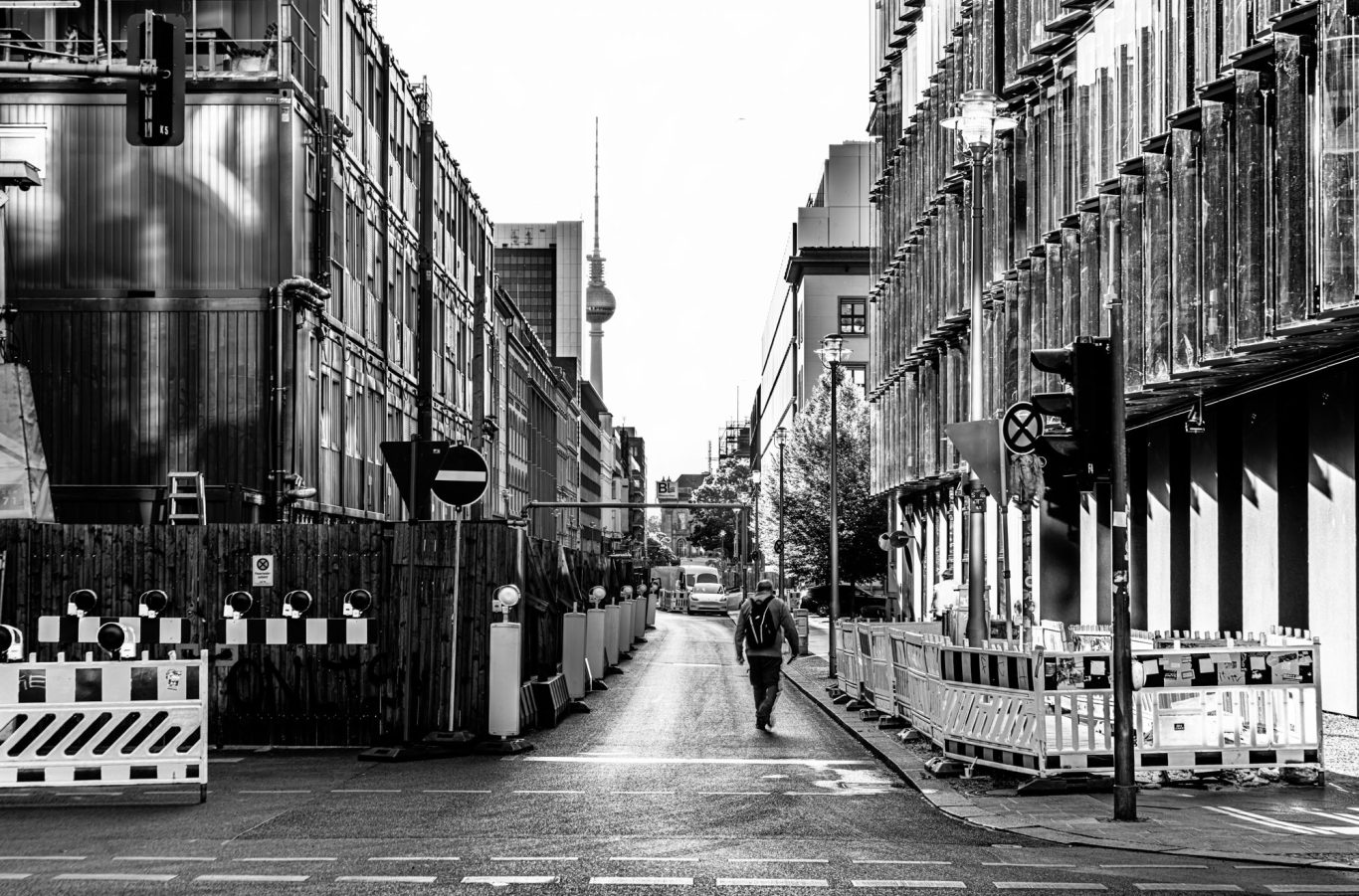
Markets, deliveries, informal encounters and everyday activities can bring shared spaces to life. Yet every occupation of a place also affects what else can happen there. The same activity that makes a street useful for one purpose may limit its availability for another.
This is not simply a conflict between public use and private interests, or between openness and regulation. Restrictions can support forms of shared activity, just as activities contributing to public life can make other uses more difficult.
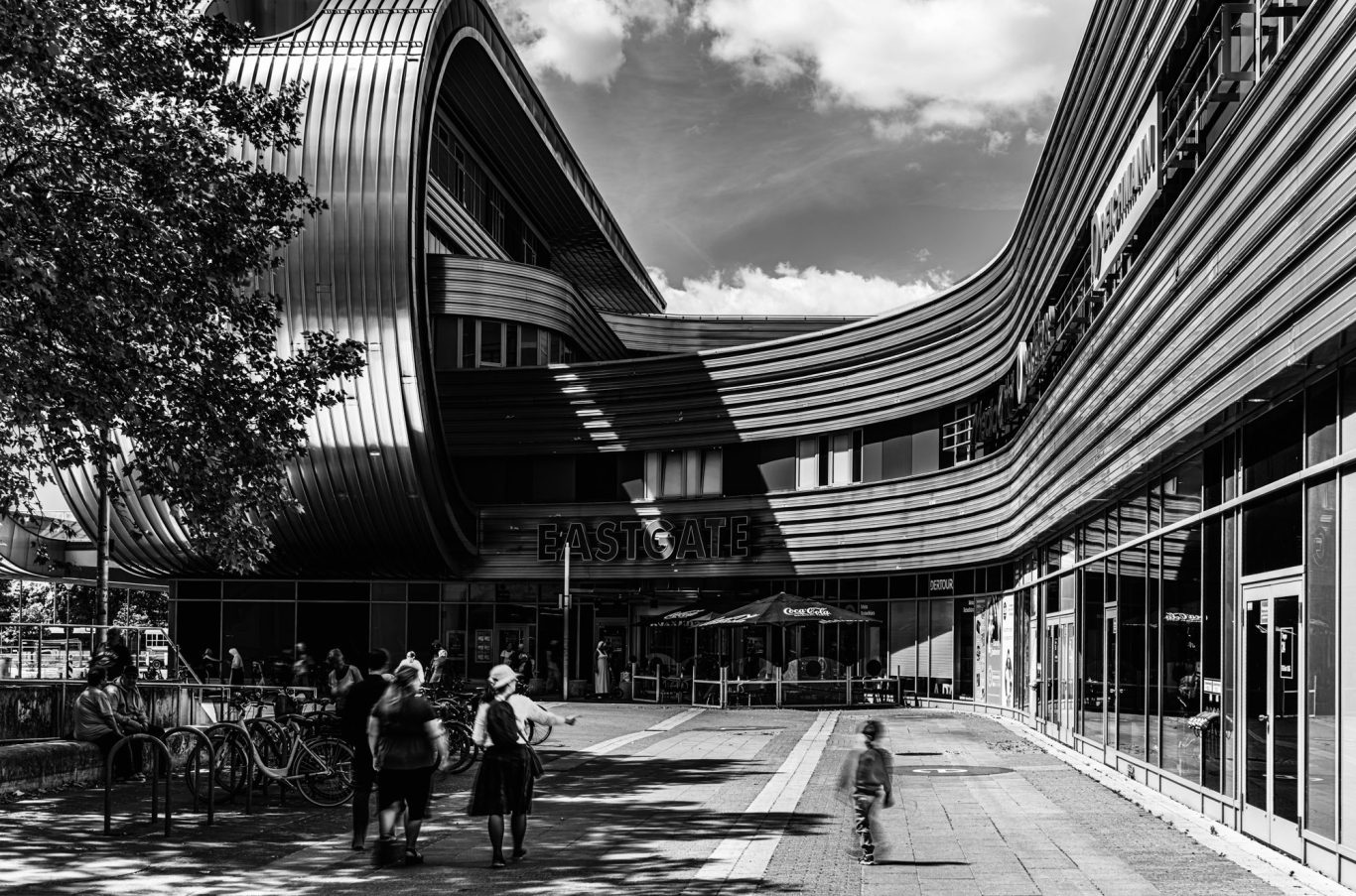
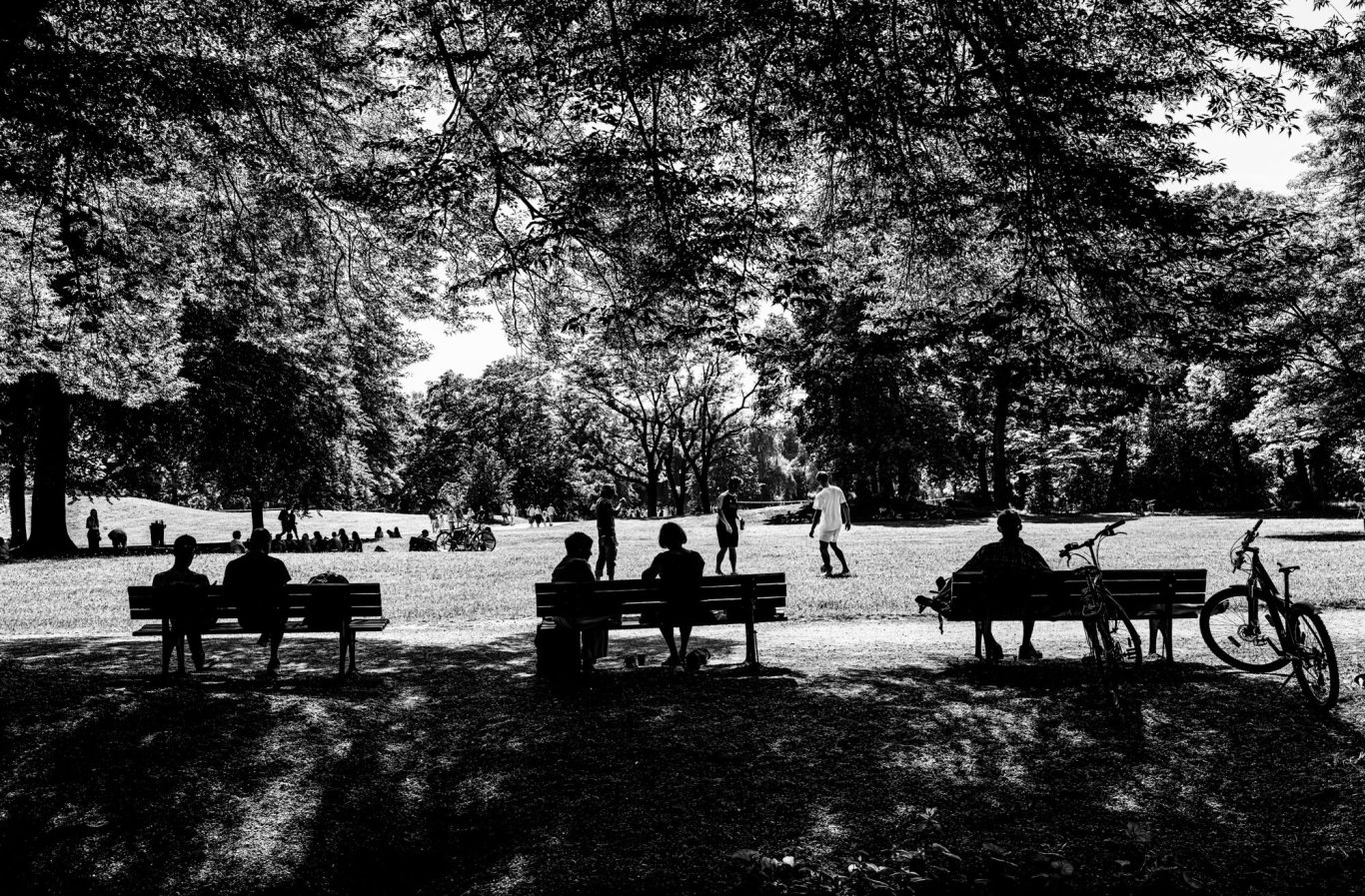
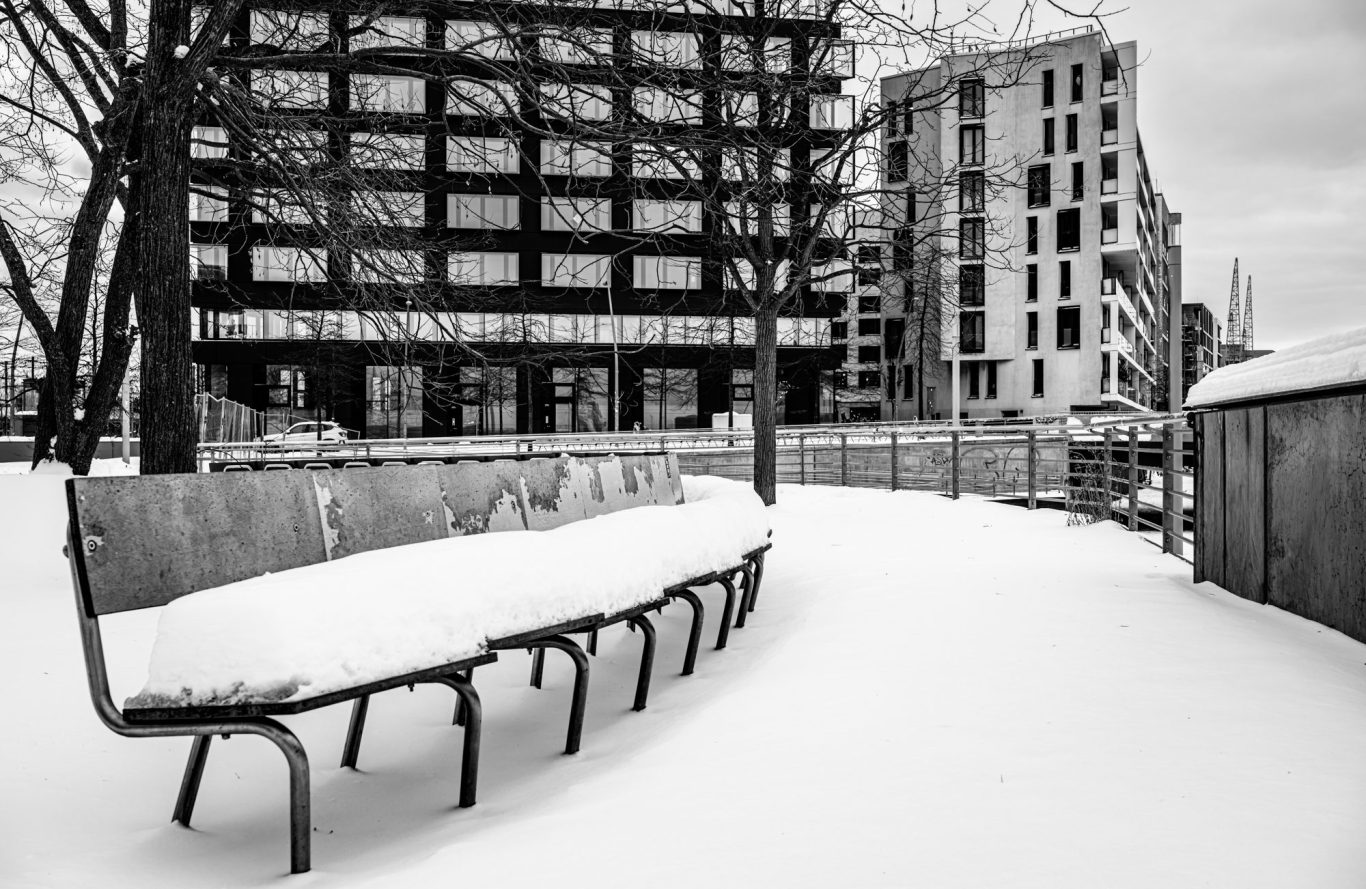
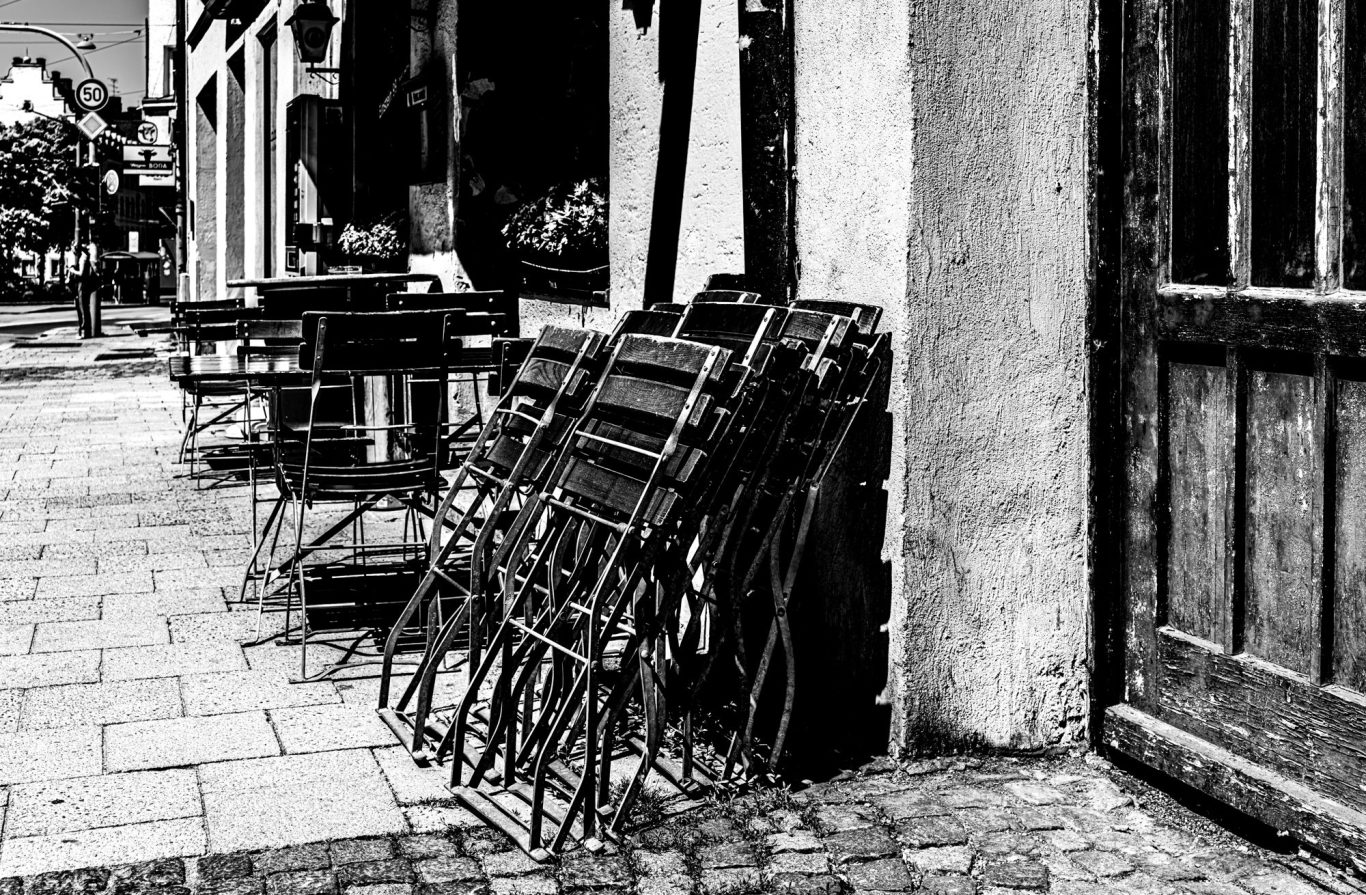
The relationship changes with circumstances. People may gather across an open area without any single activity defining it. Facilities can remain physically present while their immediate use is suspended. A place may look available without revealing the conditions under which it can be used.
Neither visible activity nor apparent openness provides a reliable measure of all the possibilities a space offers. The presence of people establishes that particular uses are taking place. It does not tell us what other uses remain possible, who may undertake them or what conditions apply.
Public space is not simply a fixed area waiting to be occupied. Its availability is affected by the activities, arrangements and interruptions that occur within it.
What constitutes public life can also limit its possibilities. That tension cannot be resolved by treating every restriction as a loss or every occupation as a gain.