Chapter 4 - "Traces of Absence"
Traces of Absence continues the Human Traces cycle by shifting attention to urban places that remain prepared for us, even when we are no longer there. The chapter does not depict decay or abandonment. Instead, it observes functioning environments that quietly endure without their human counterpart. These spaces were built for activity, movement, and interaction — yet what remains is a condition of readiness without fulfillment.
Here, absence is not emptiness.
It has weight.
It has structure.
It leaves behind a resonance.
Chairs wait for conversations that never begin.
Playgrounds anticipate laughter that does not return.
Shops stand ready to welcome, even when no one arrives.
Trains are prepared to depart, though no journey is taken.
Public space remains open — but participation is missing.
In these scenes, the city reveals a softer, yet equally unsettling fragility. The systems do not fail; instead, their meaning dissolves. Functionality persists while purpose withdraws. These places continue to offer service, comfort, leisure, and movement — but their promise becomes hollow in the absence of human presence to complete it. Readiness turns into stillness. Invitation turns into distance. Presence becomes something imagined rather than lived.
Photographed in Hamburg, Traces of Absence explores the quiet contradiction between availability and void. The images do not dramatize crisis; they register a gentler form of collapse — not of infrastructure, but of relationship. The city waits patiently and endlessly, prepared to serve, while the lives it anticipates drift elsewhere. What remains is a choreography without dancers, a hospitality without guests, a stage still lit long after the performance has ended.
Rather than depicting what is gone, the chapter reflects on what stays. These spaces endure, hold their position, and maintain their form — even when purpose no longer inhabits them. Traces of Absence becomes a meditation on expectation, modern solitude, and the silent emotional charge of places built to be shared. It asks whether absence is merely a lack, or whether it becomes a presence of its own — shaping how we see ourselves, our cities, and the fragile agreements between them.
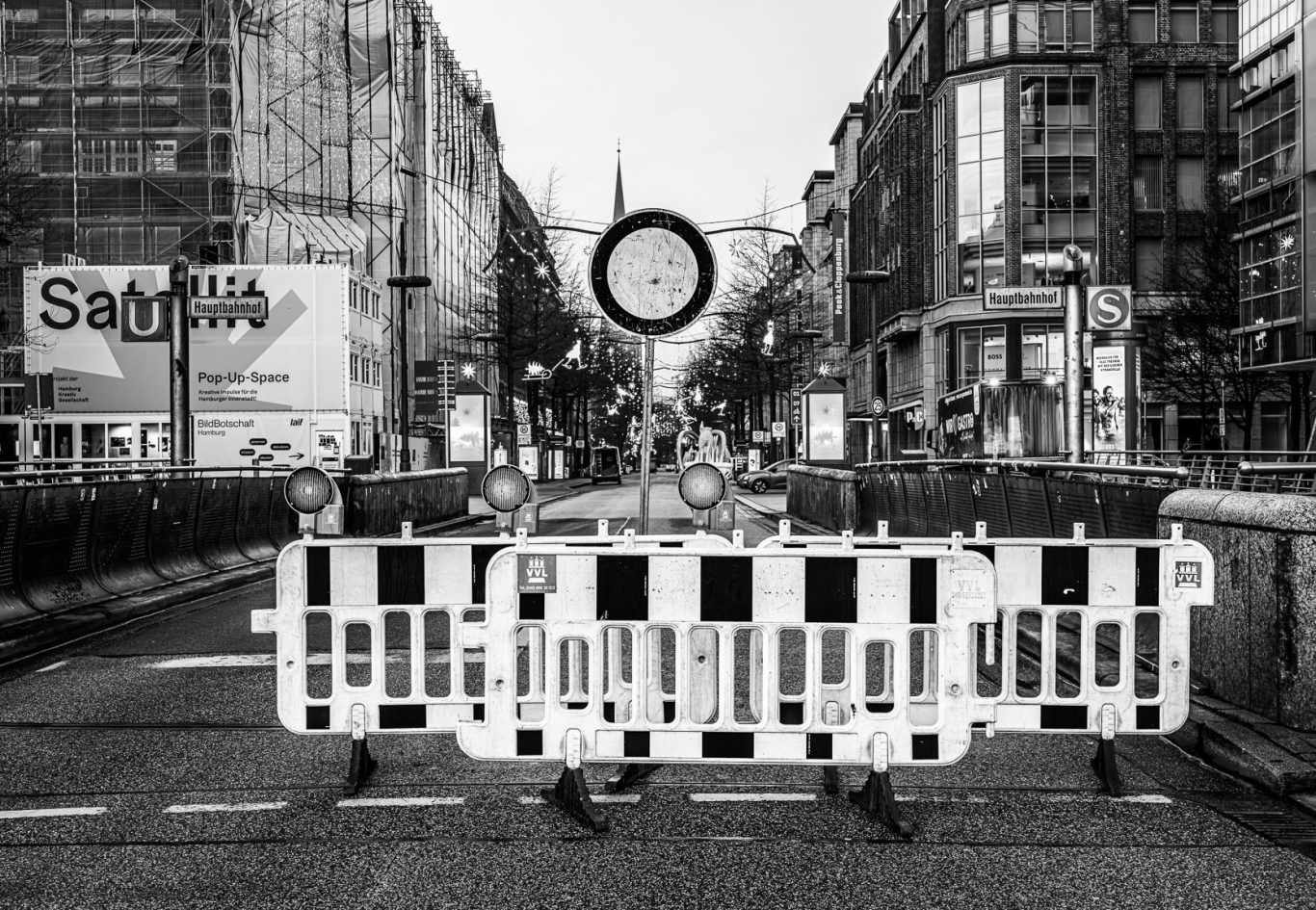
Closure Without Witness
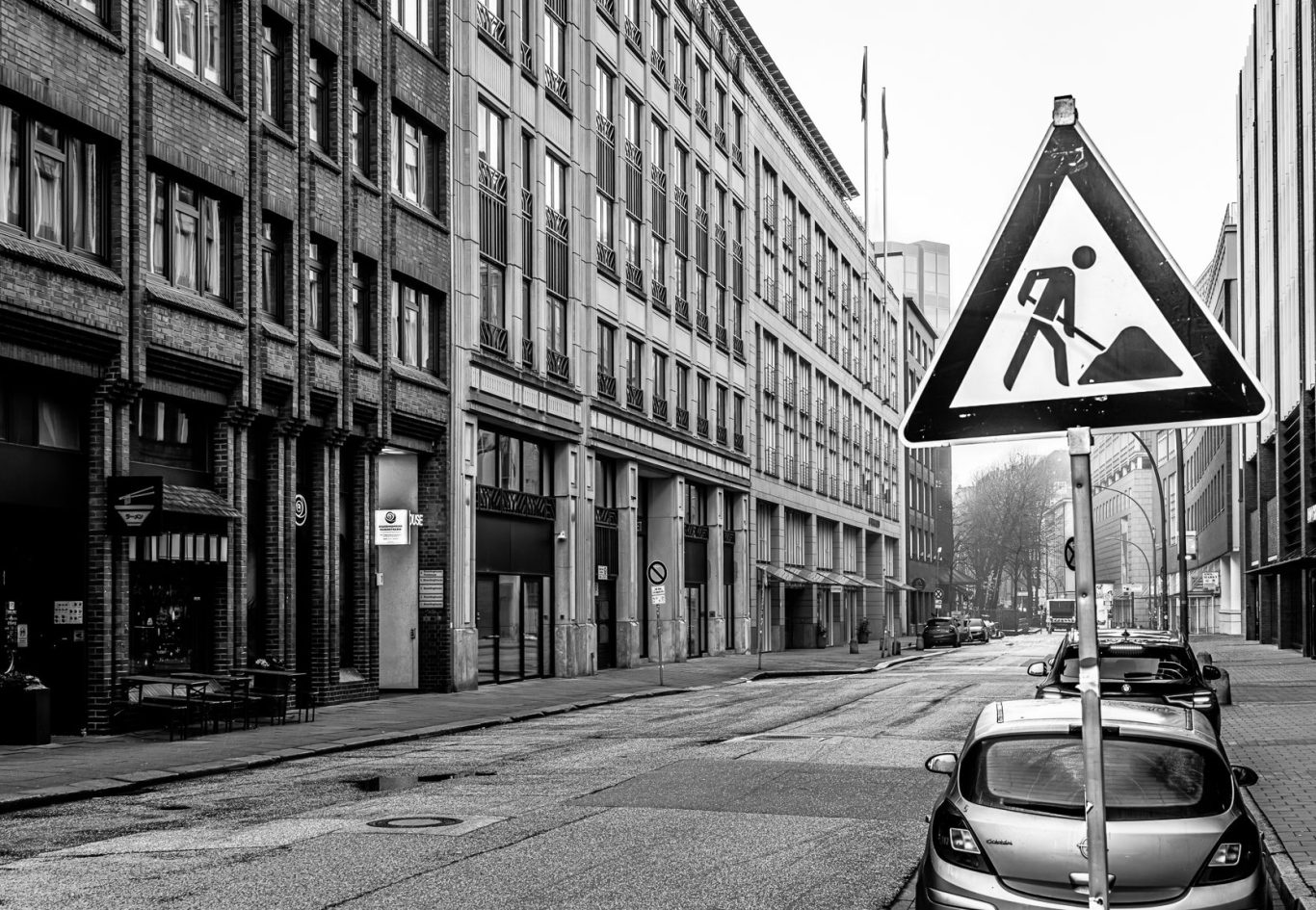
Work Ahead Without Presence
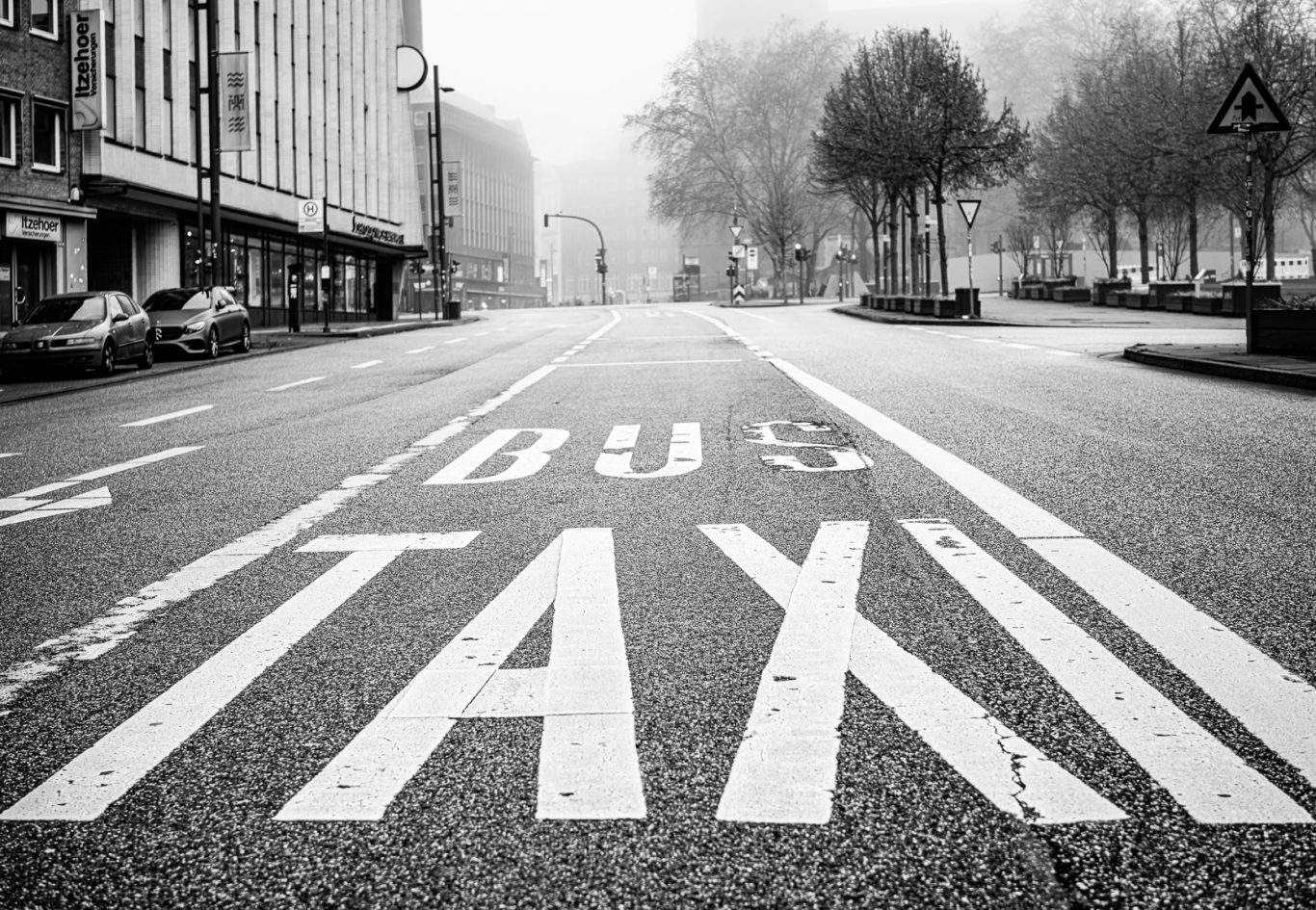
Lane Of Absence
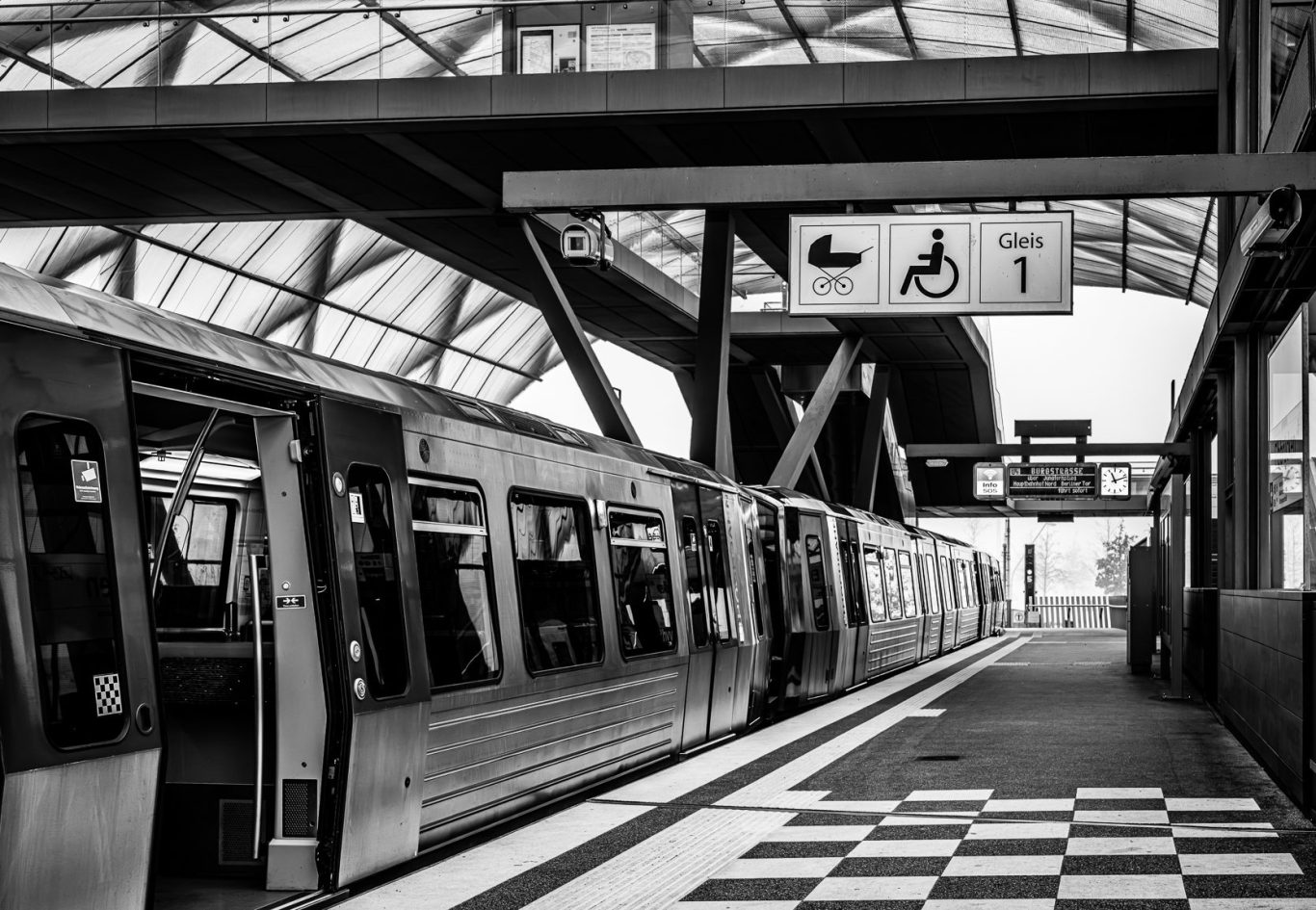
Ready Without Us
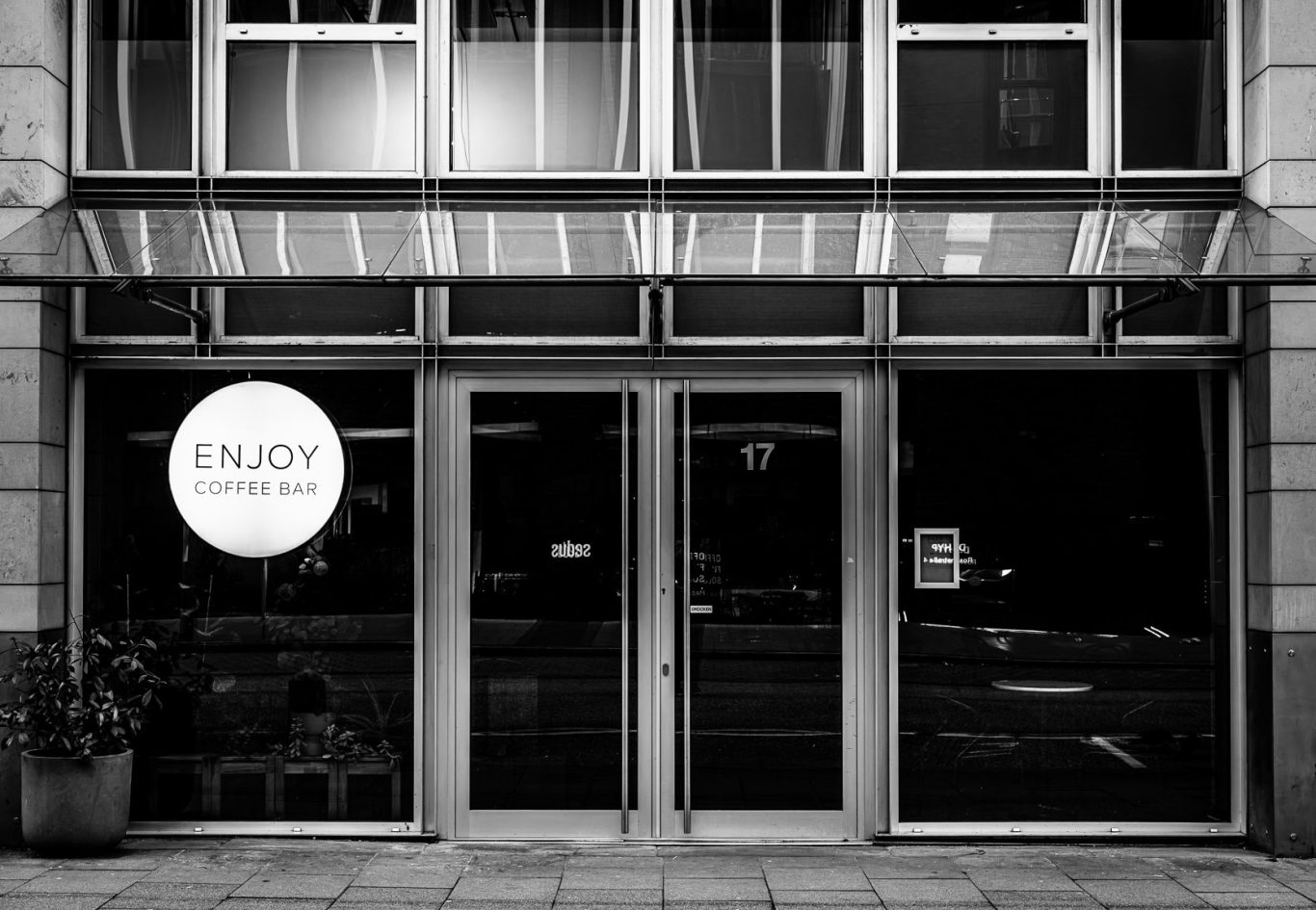
Enjoy Withou Us
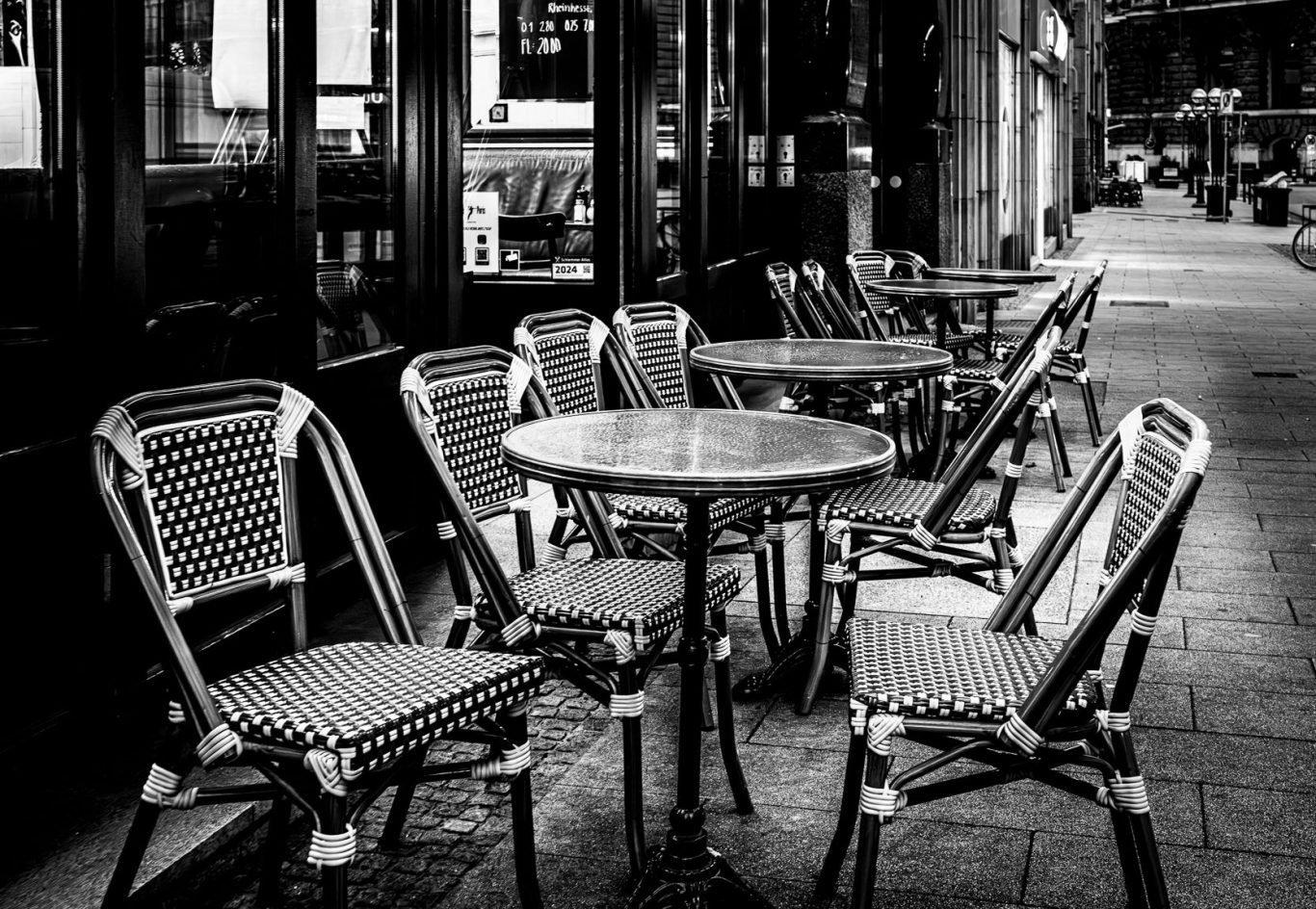
Hospitality Without Witness
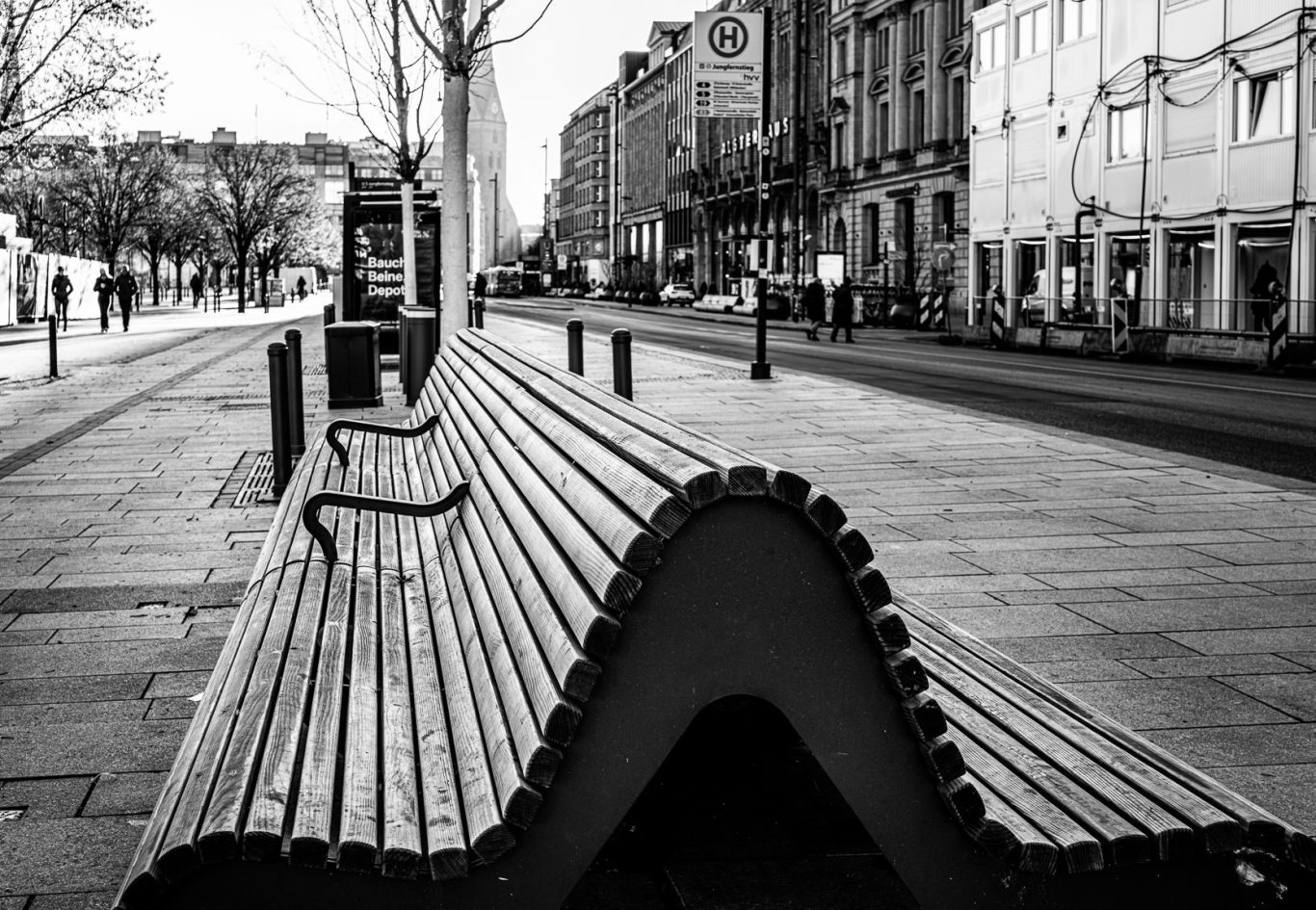
Seat Without Arrival
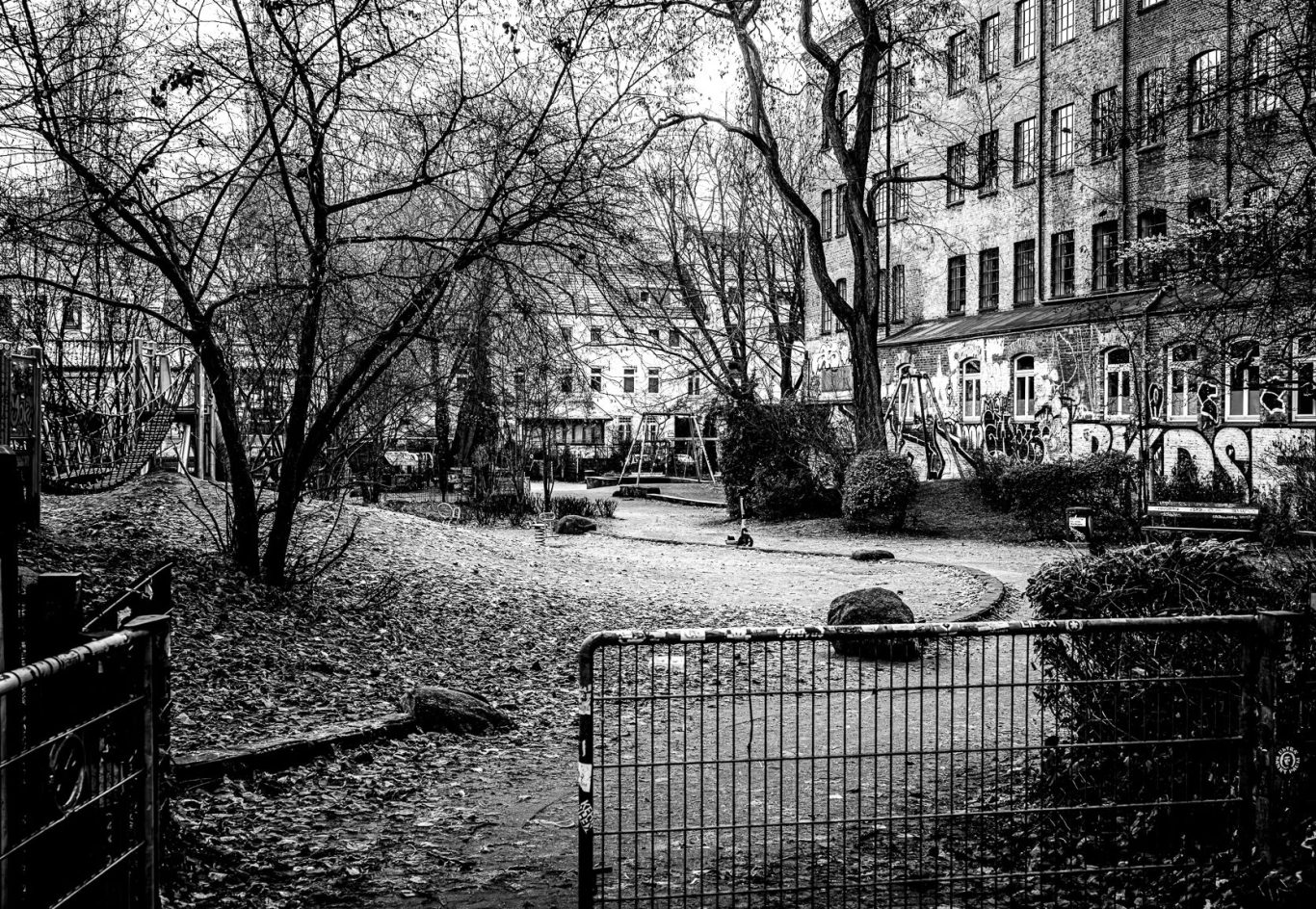
Silent Playground
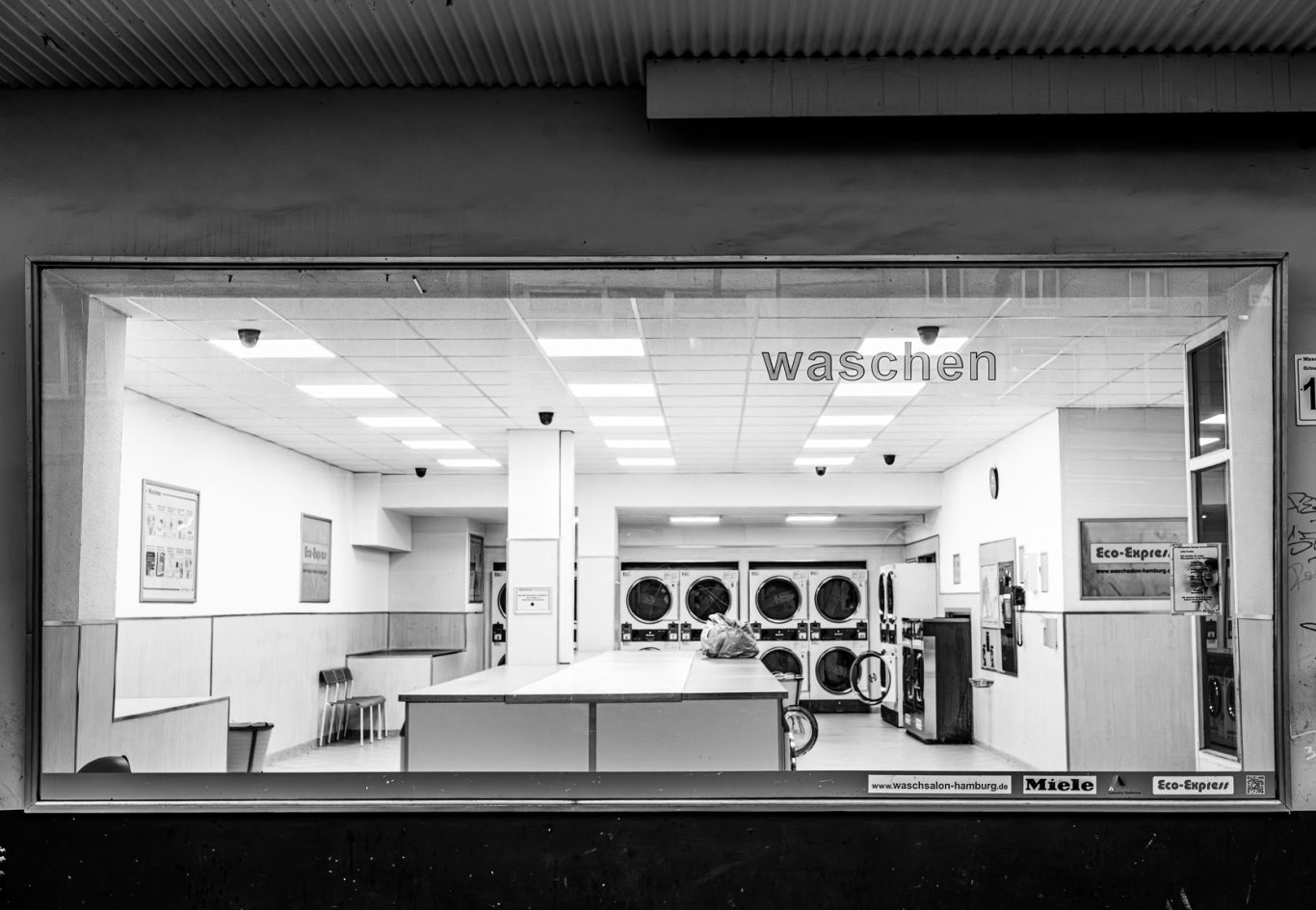
Laundry Left Behind
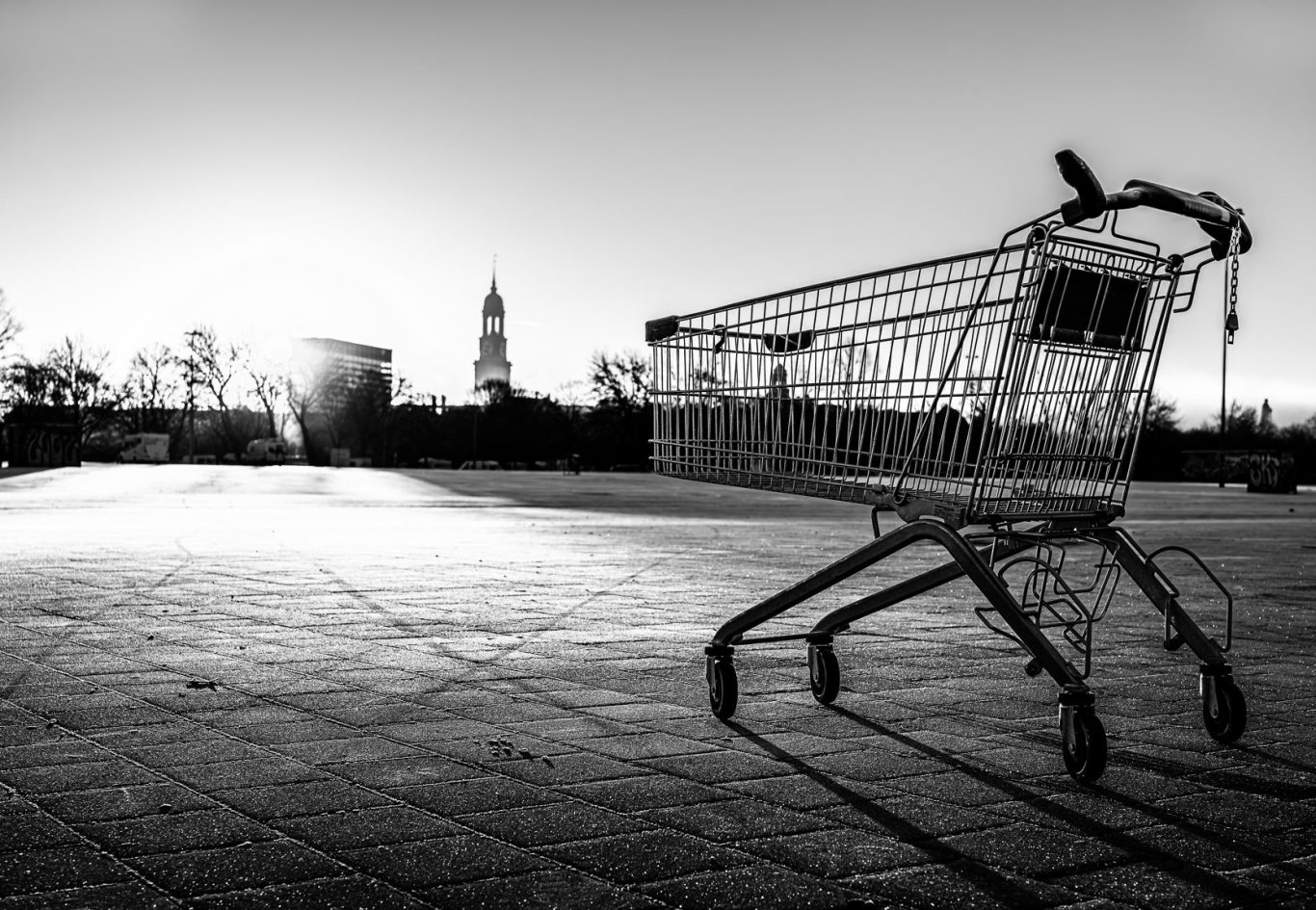
Residual Purchase
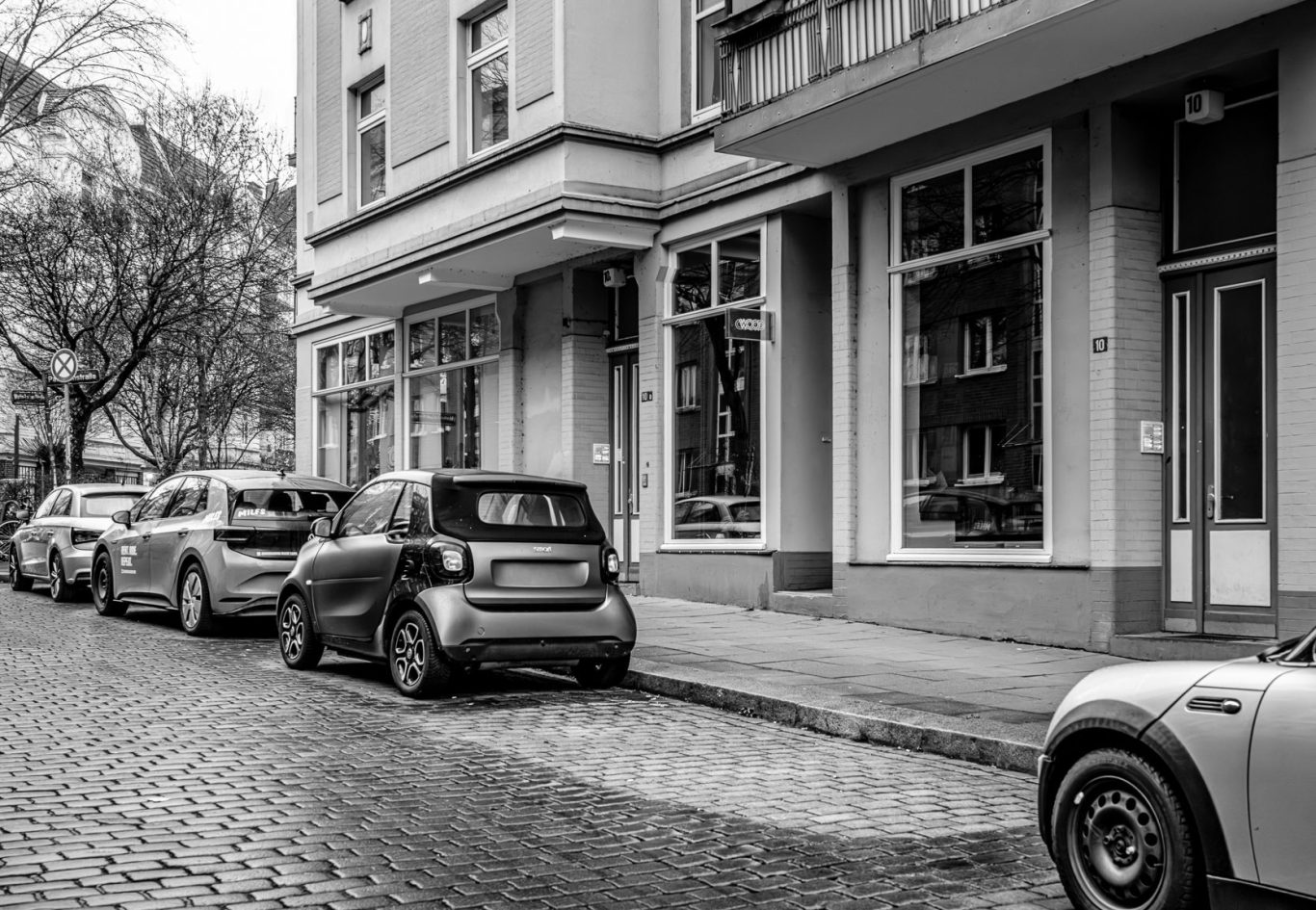
Departure Without Witness
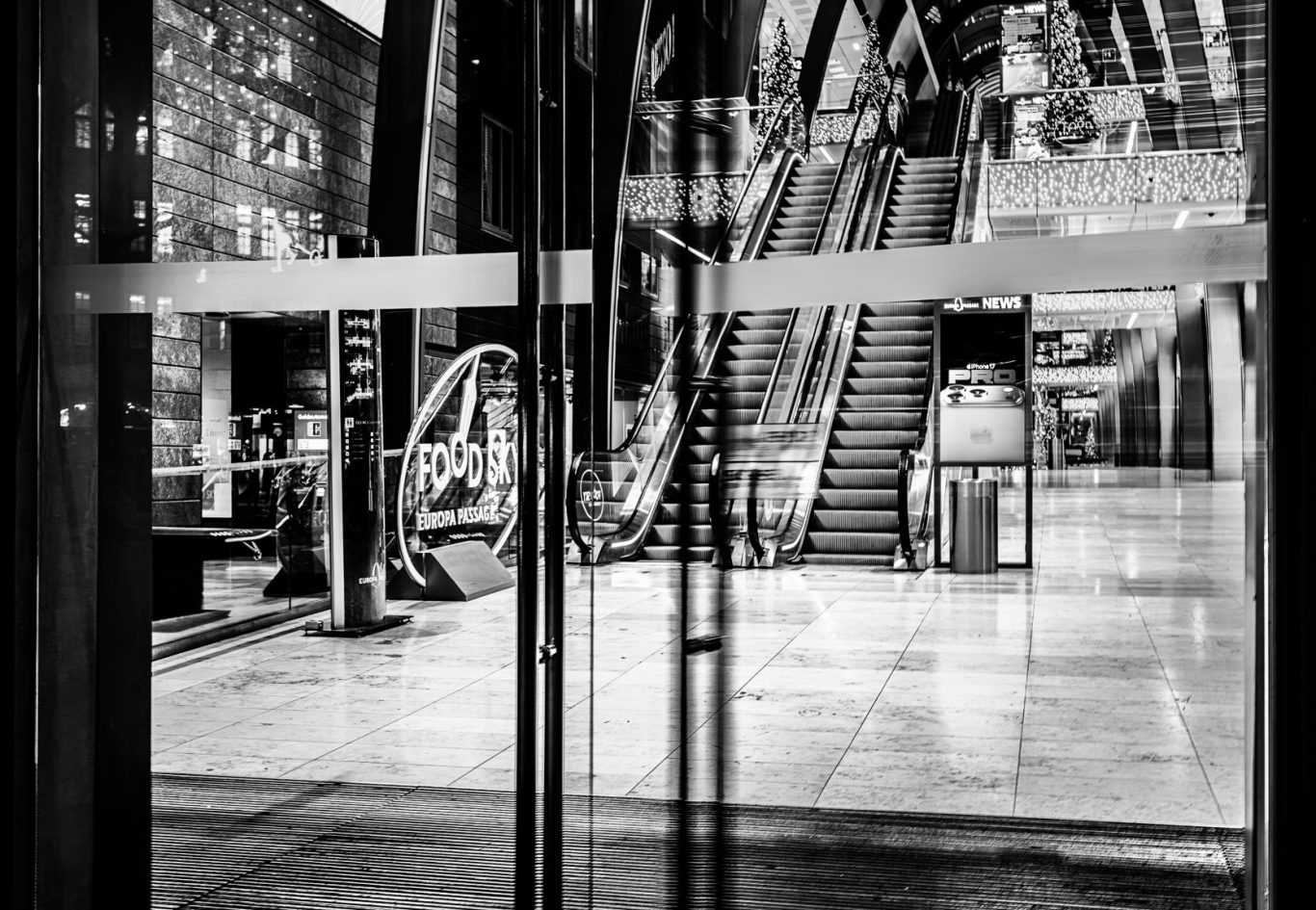
Seduction Of Functionality
Extended View
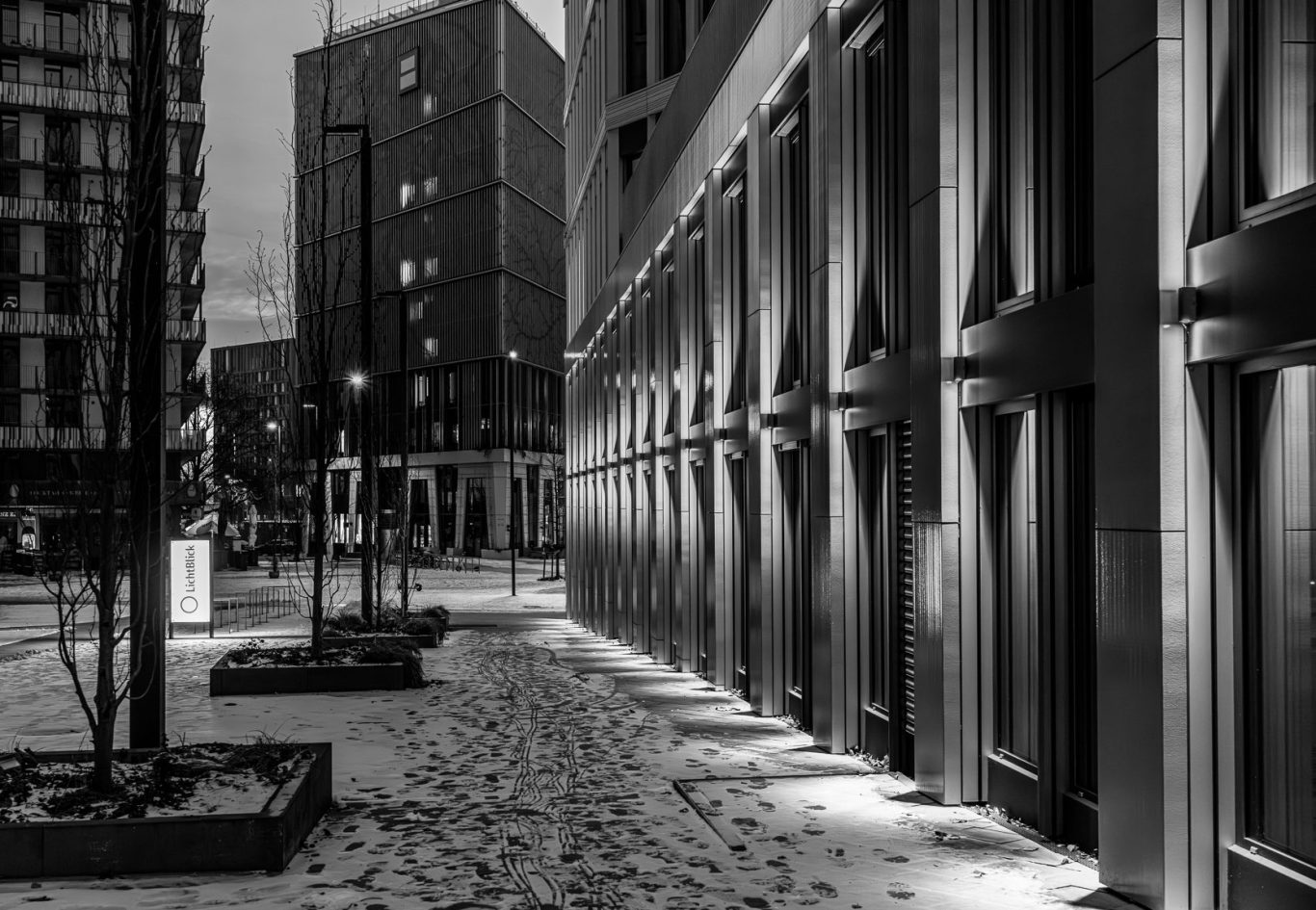
Corridor After Passage
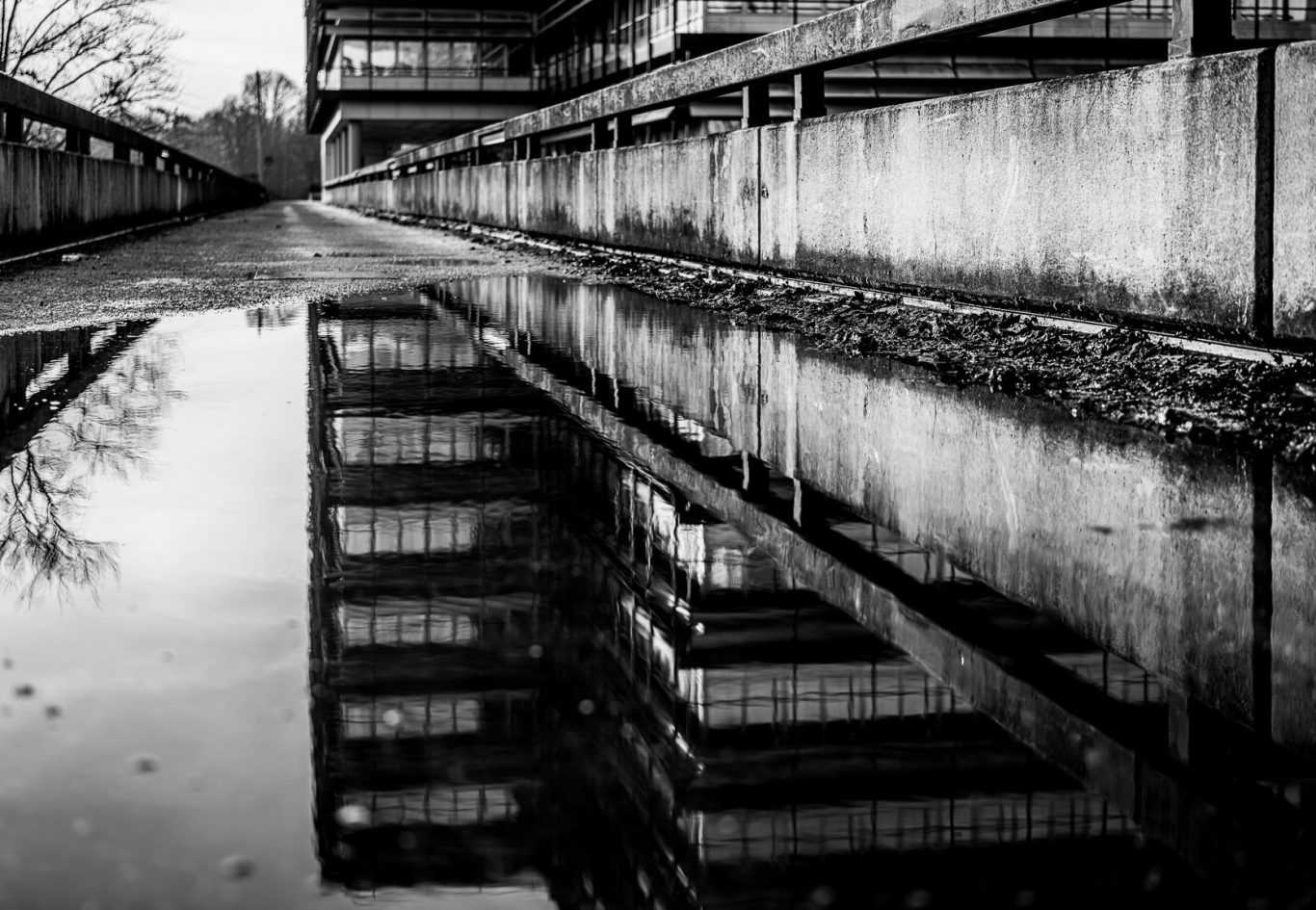
Surface After Passage
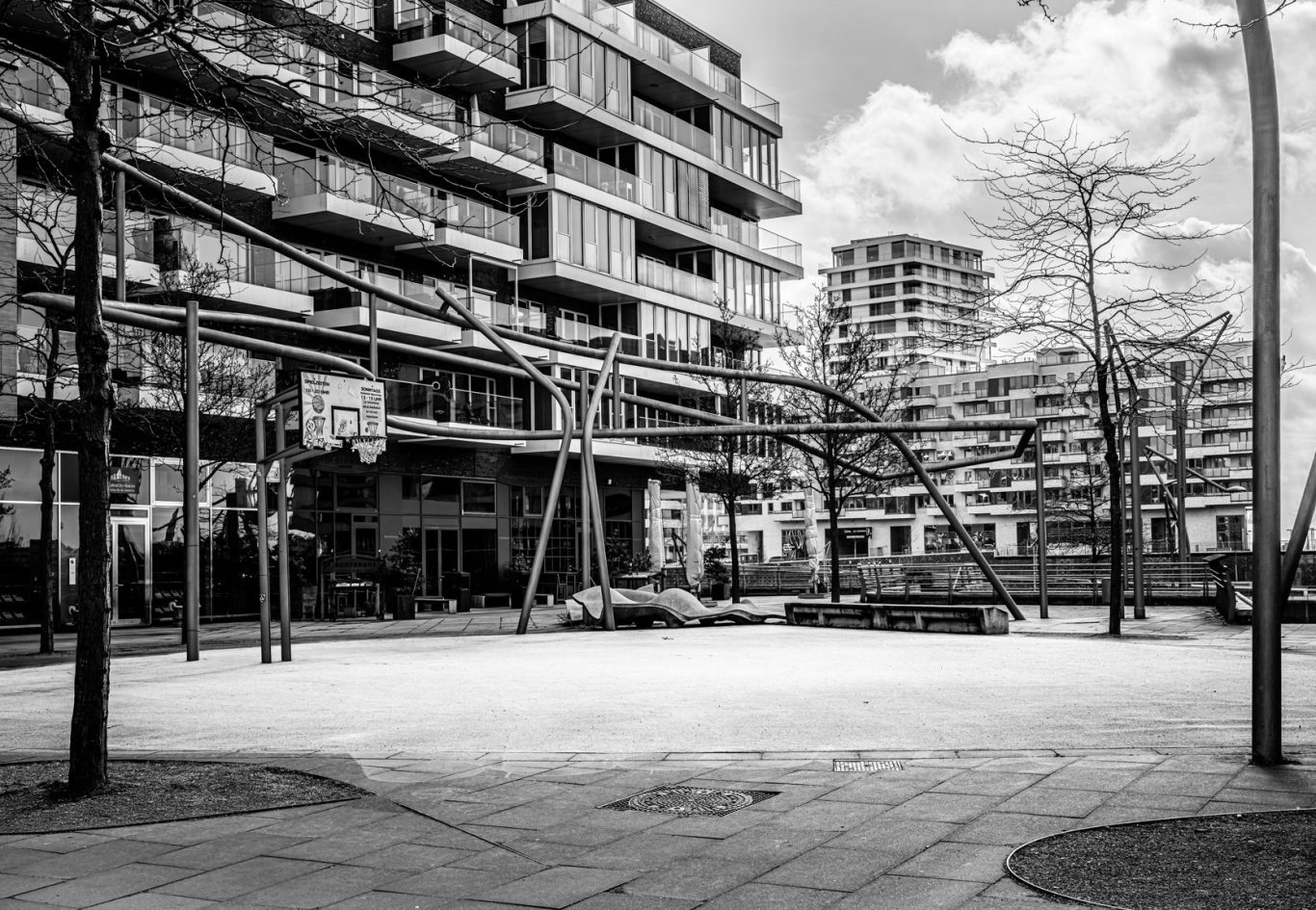
Playground Without Witness
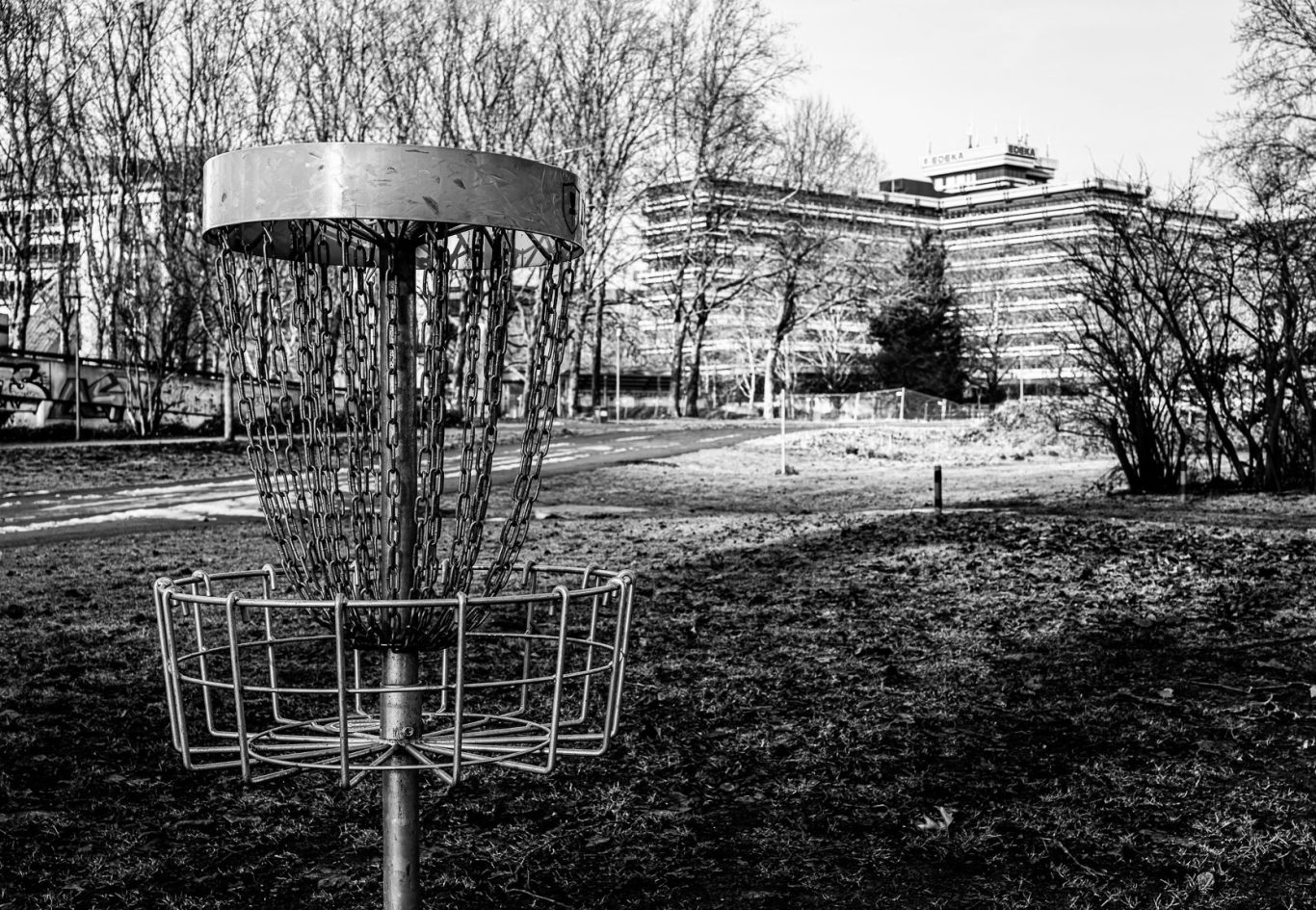
Target Without Arrival
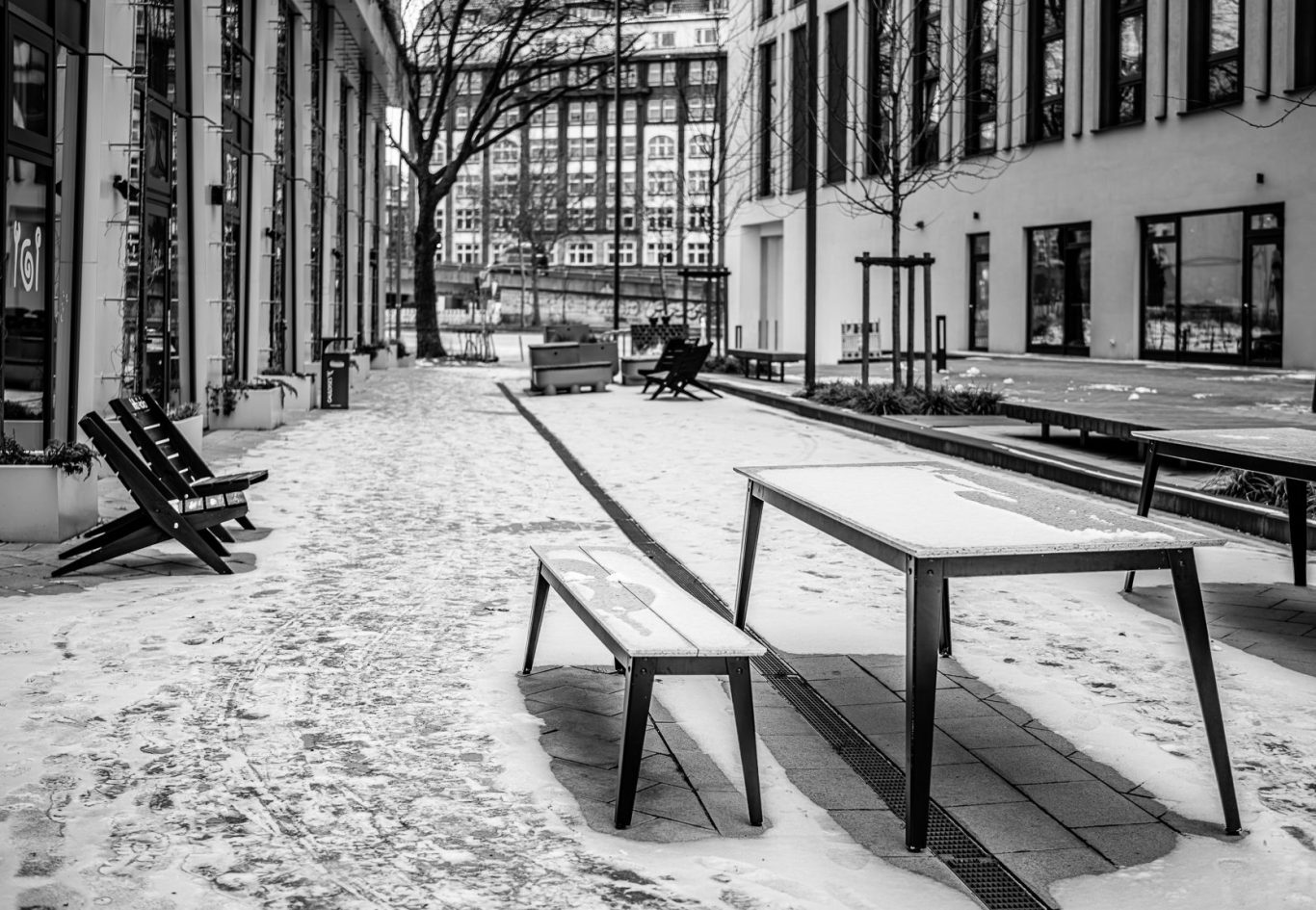
Table Without Gathering
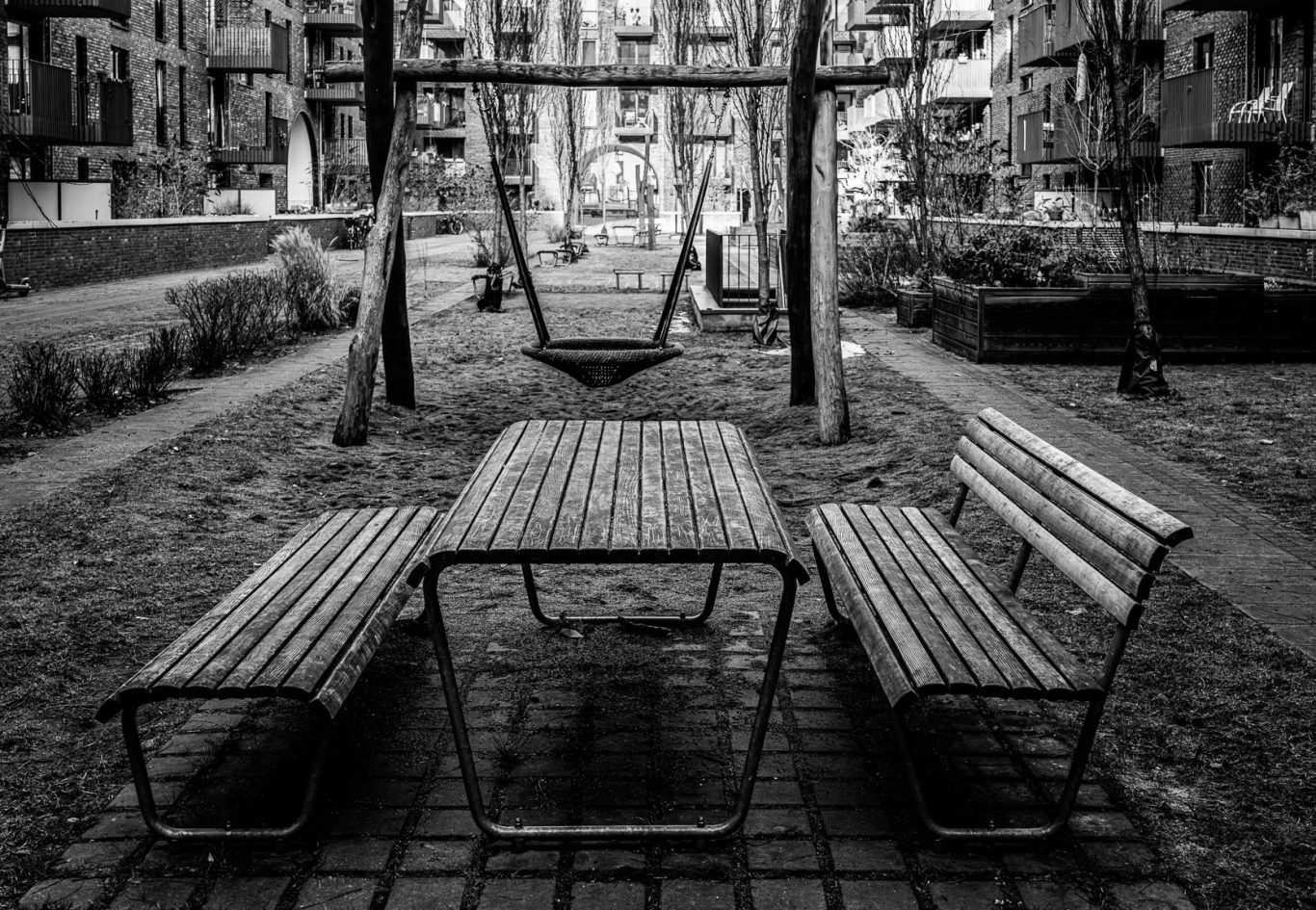
Waiting Without Gathering
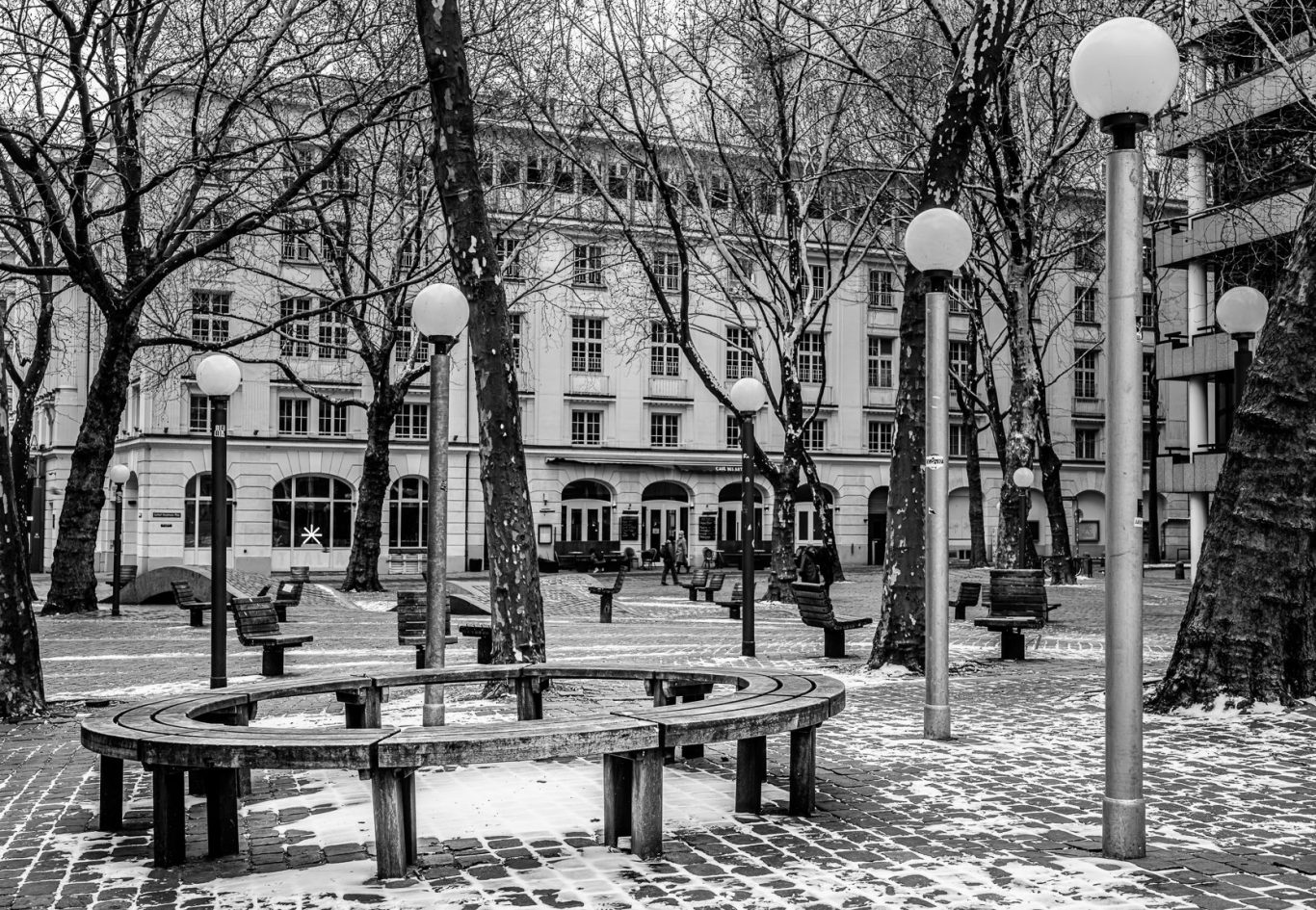
Circle Without Gathering
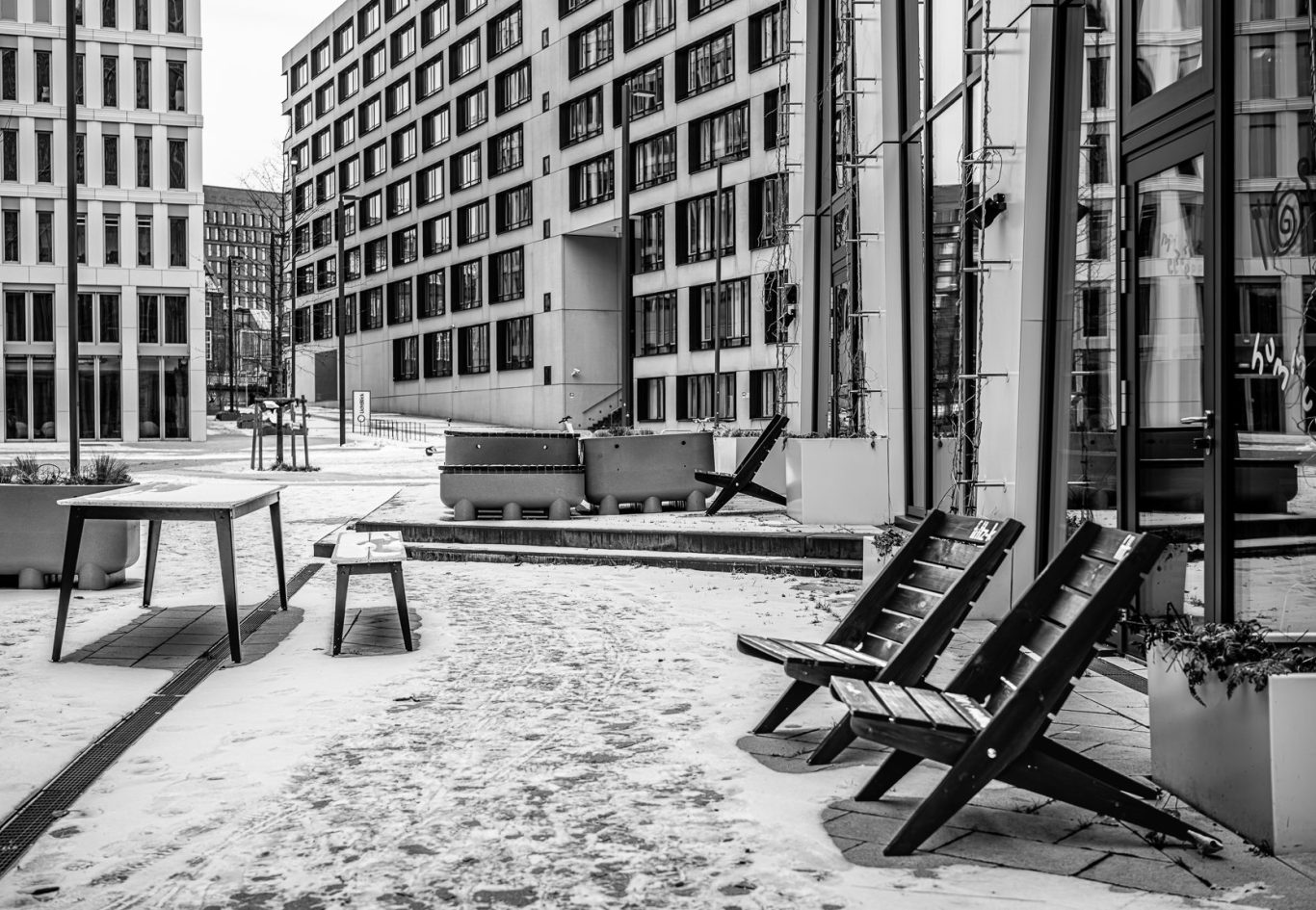
Seating Without Gathering
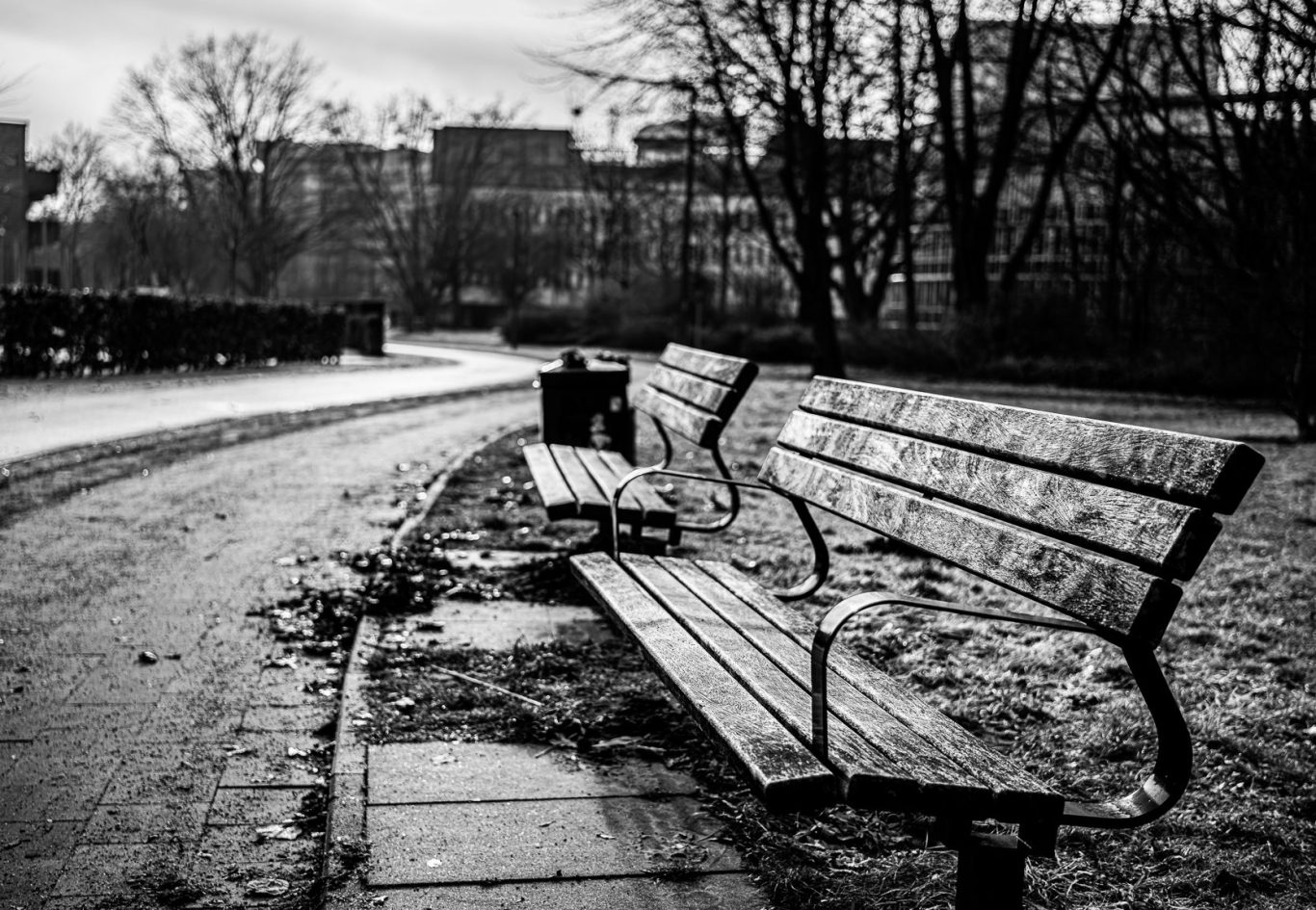
Pause Without Return
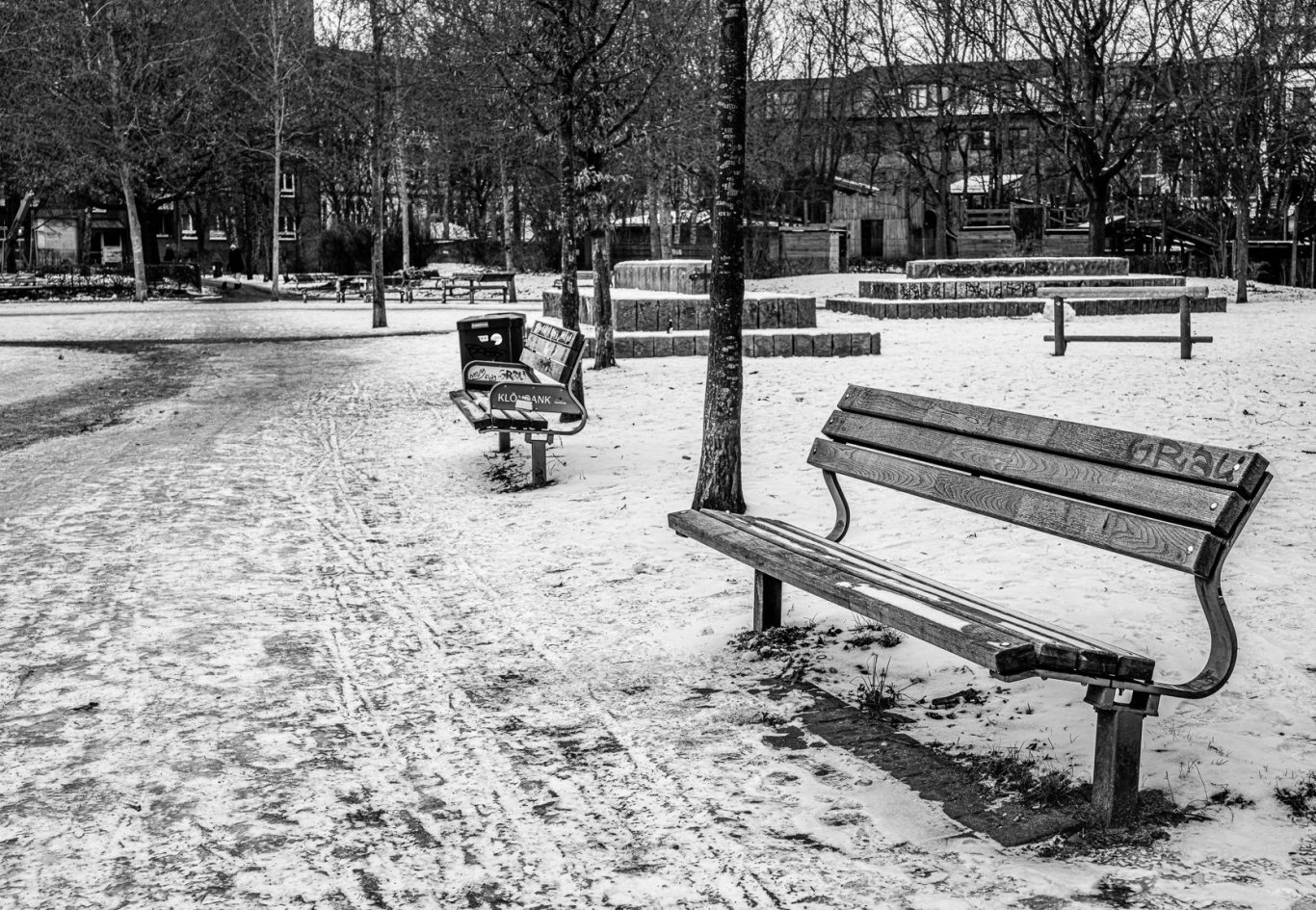
Bench After Passing

Bench After Passing

Steps Without Return