Chapter 8 - "Residual Functions"
Residual Functions examines urban structures that remain ready, active, and fully operational — even when the human need that once justified them has faded.
Here, the city no longer waits.
It simply continues.
Fuel stations stand prepared without urgency.
Systems remain charged.
Machines stay in motion.
Seating invites rest.
Infrastructure persists in perfect readiness —
while the purpose it was built to serve quietly slips away.
These are not ruins, and not abandoned relics.
They are functional leftovers of a rhythm no longer present: mechanisms still convinced of their necessity. What once was service becomes standby. What once was utility becomes residue. A city designed for permanent availability reveals the fragility hidden beneath efficiency — functionality outlives relevance.
Photographed in Hamburg, the chapter explores a paradox of modern life: our systems no longer merely depend on us — increasingly, we depend on systems that may no longer truly need us. Meaning detaches from action. Infrastructure outlives experience. Use is replaced by potential.
Rather than documenting decay, Residual Functions captures the unsettling persistence of readiness without demand — and asks whether permanence itself has become a purpose.
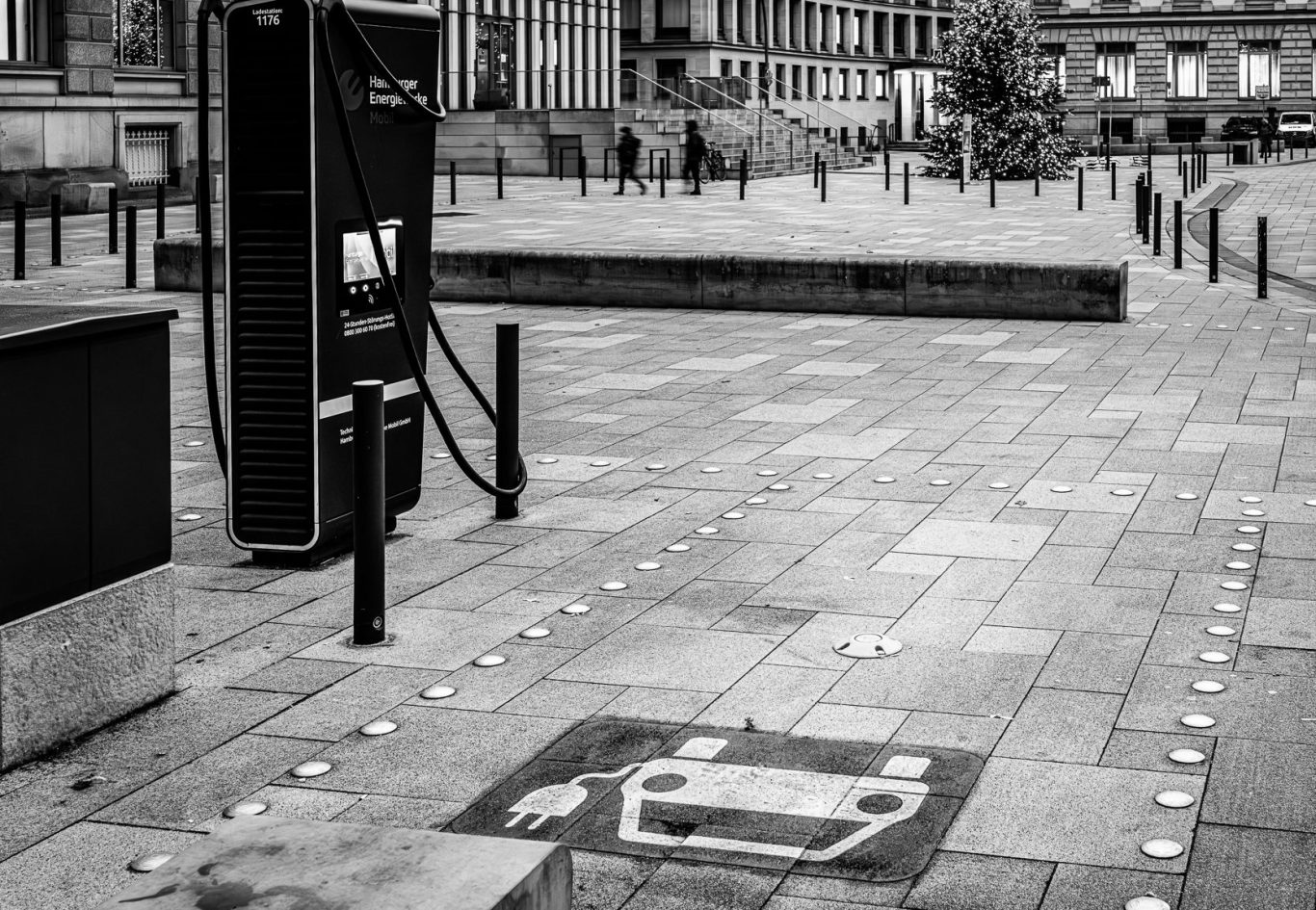
Charge Without Purpose
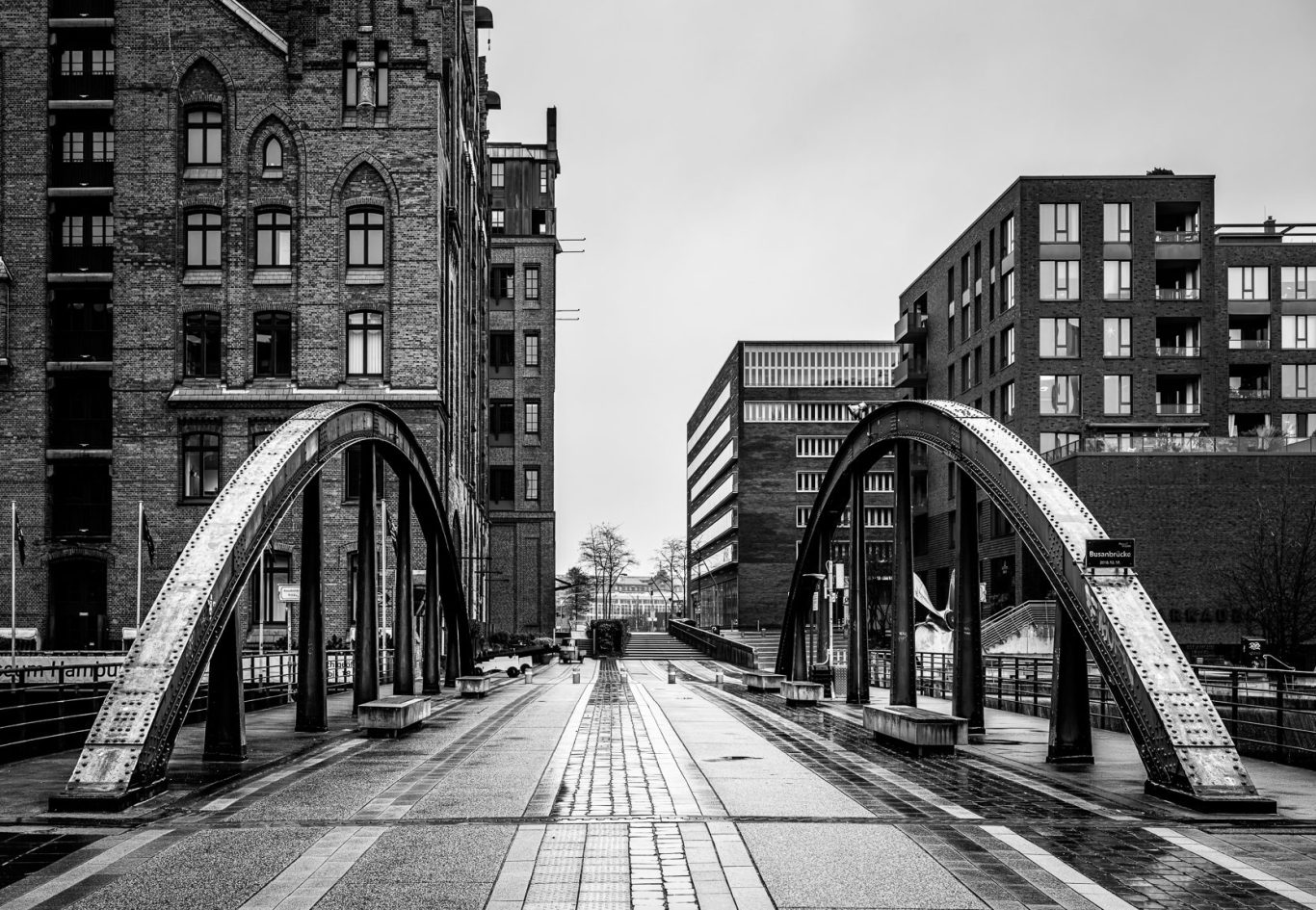
Connection Without Arrival

Currency On Standby
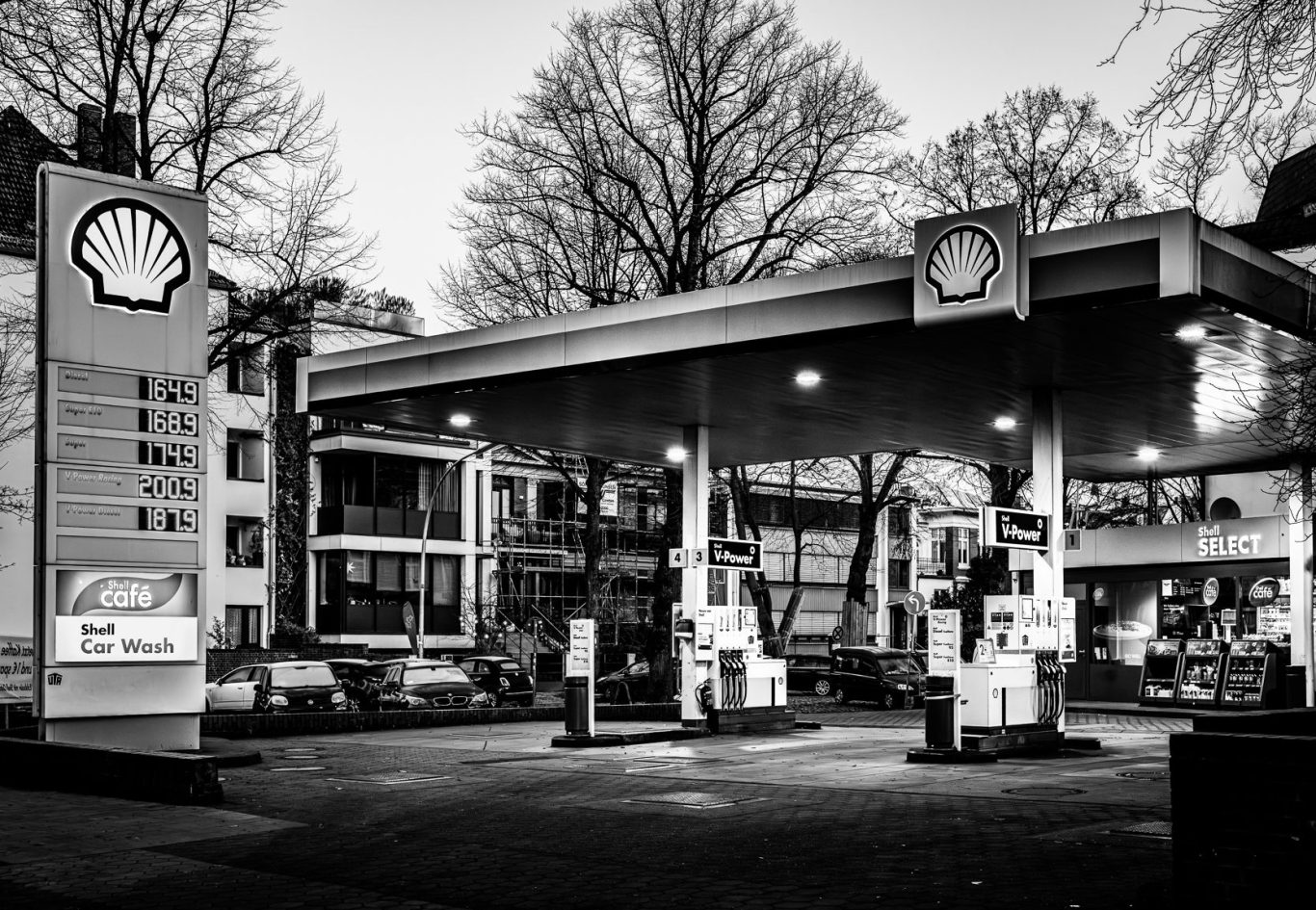
Fuel On Standby
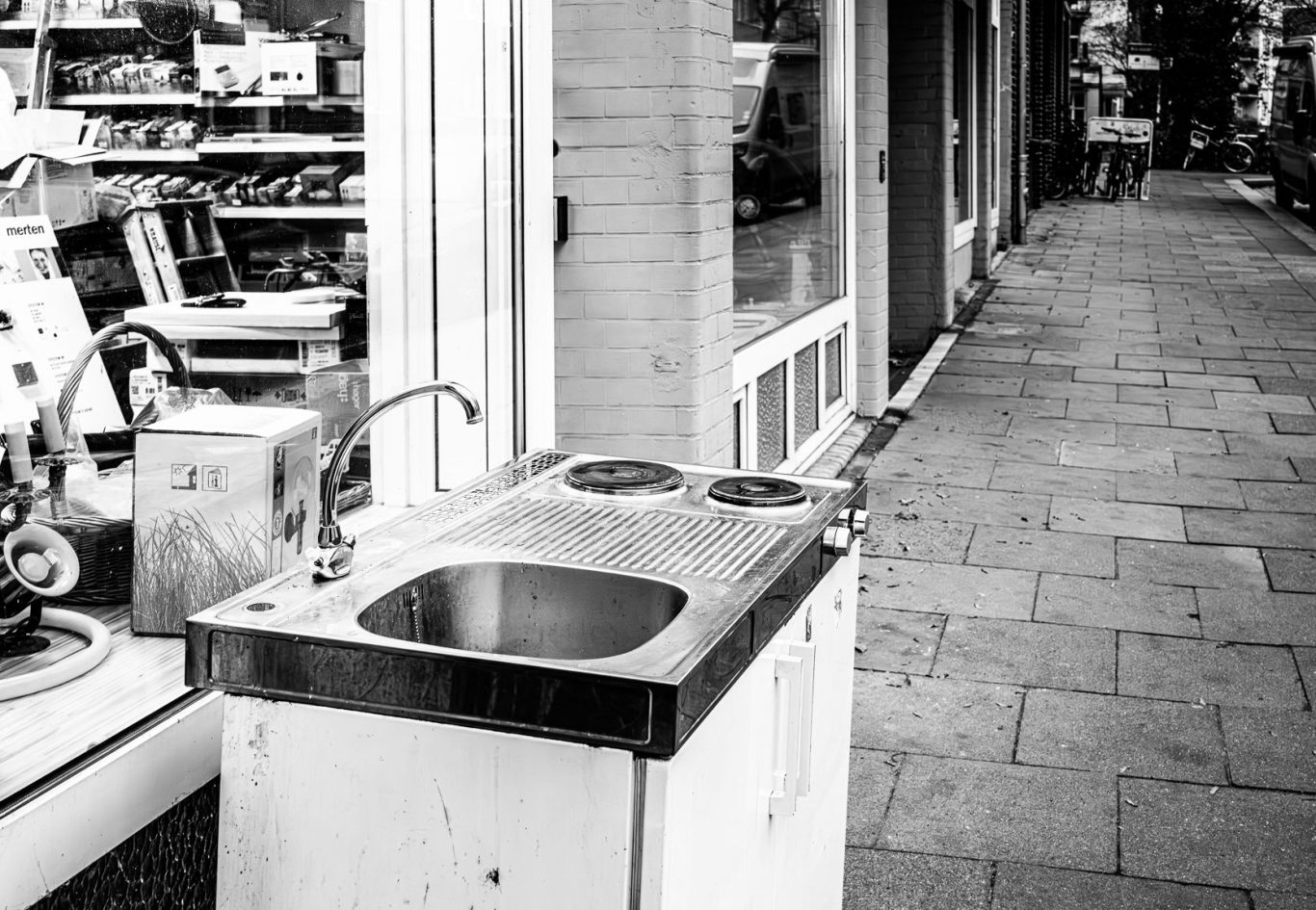
Function Displaced
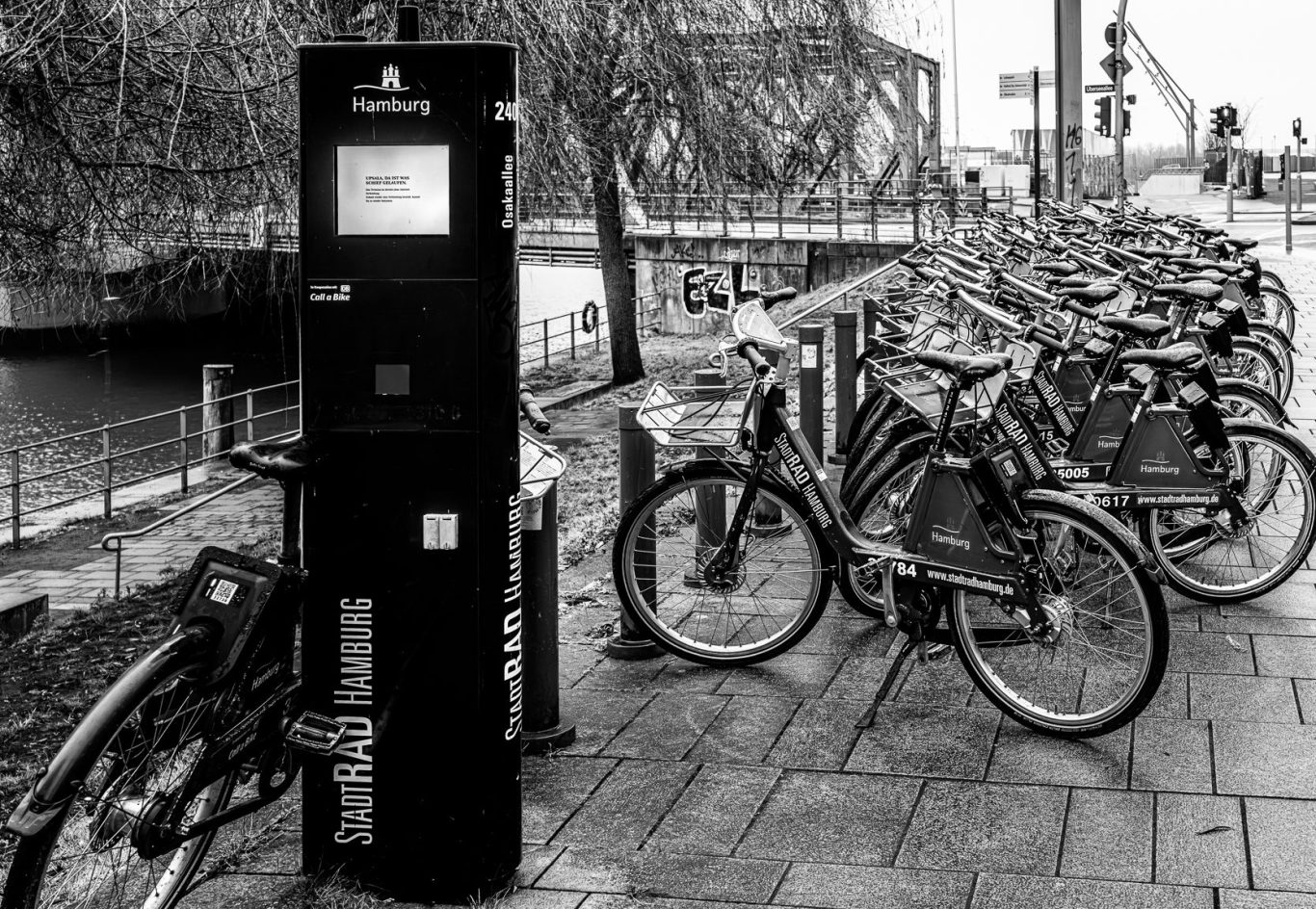
Ready Without Users
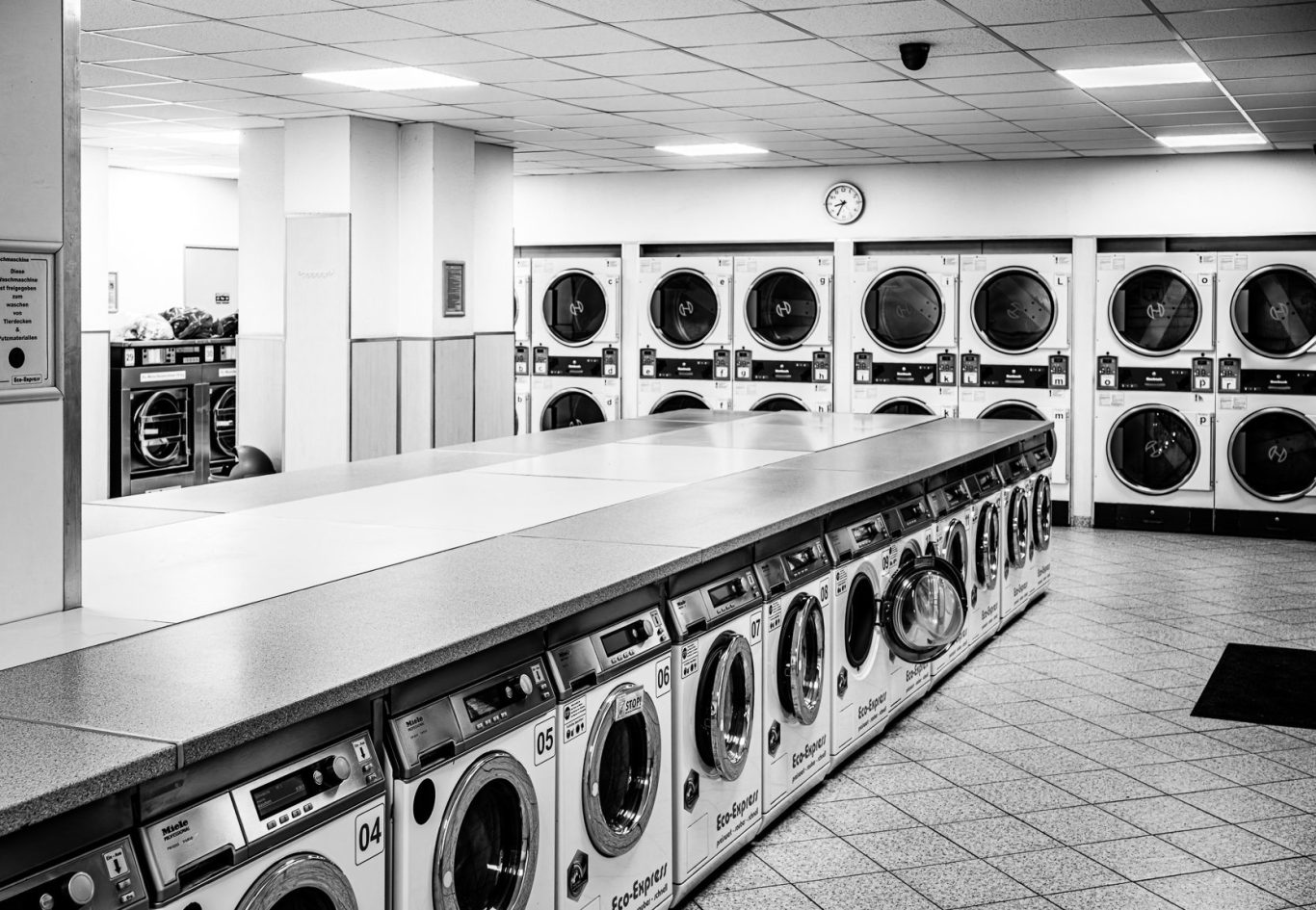
Laundred Time

Residual Cycle
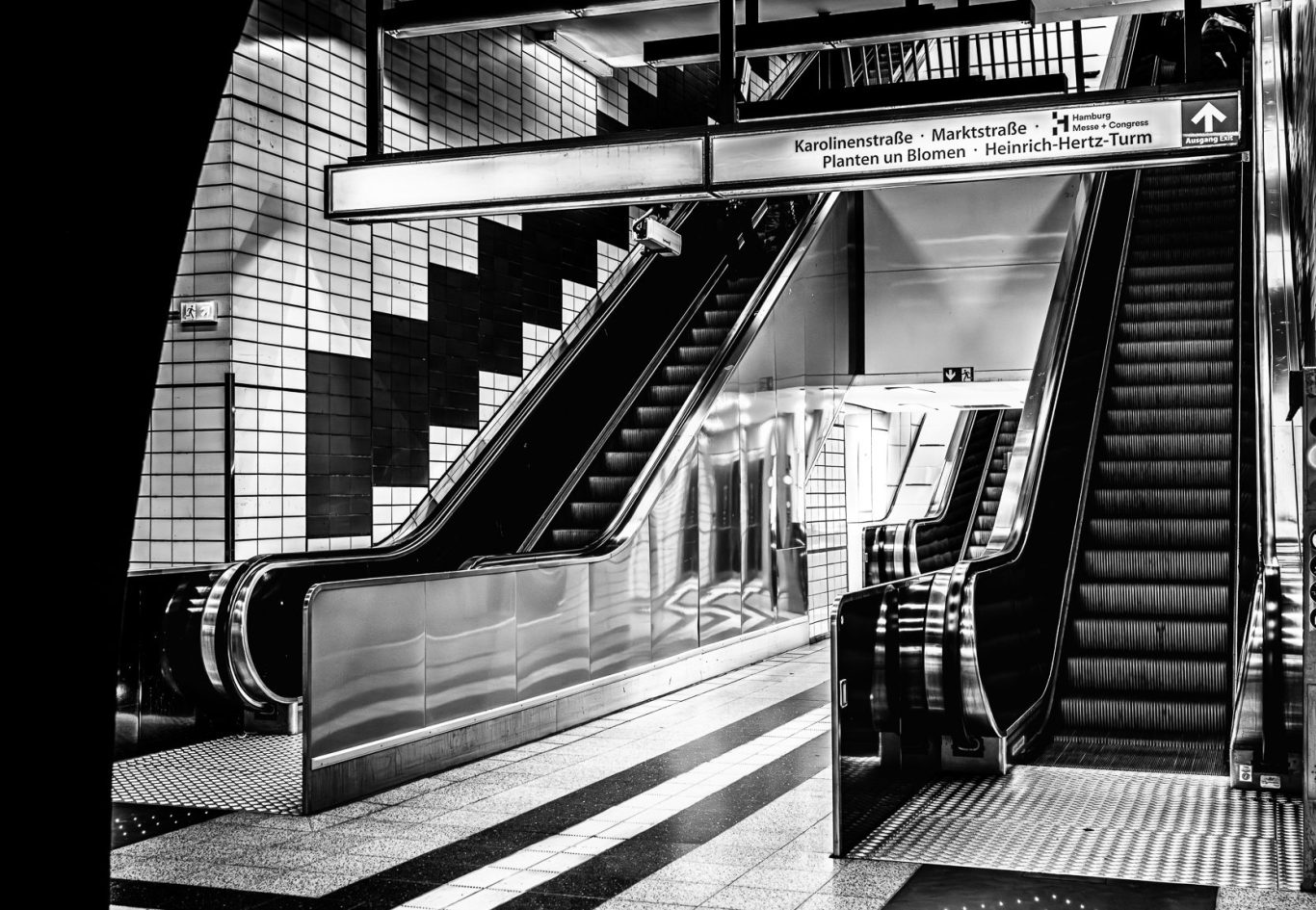
Motion Prepared
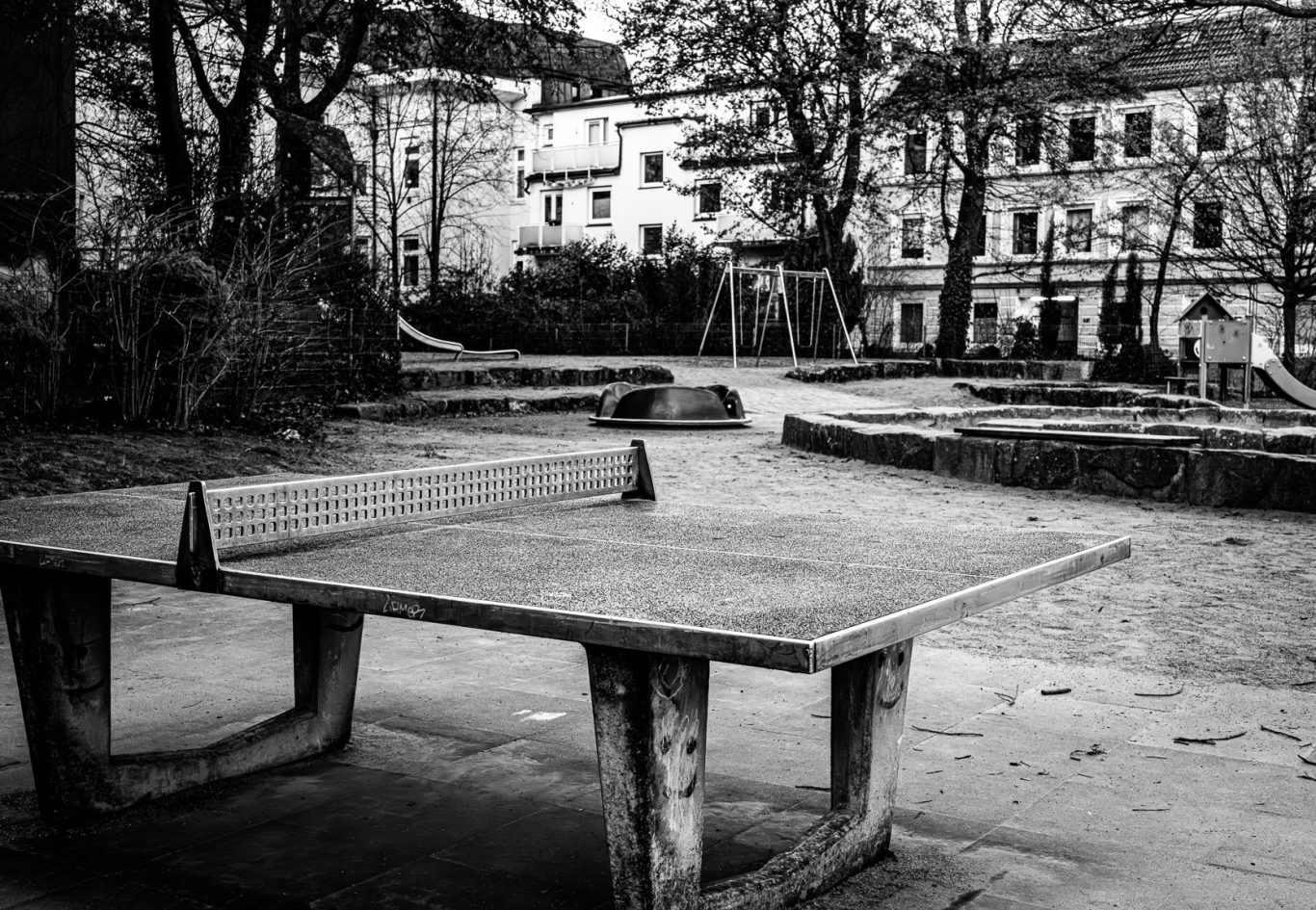
Play On Standby

Blocked Availability

Unavailable Shelter
Extended View
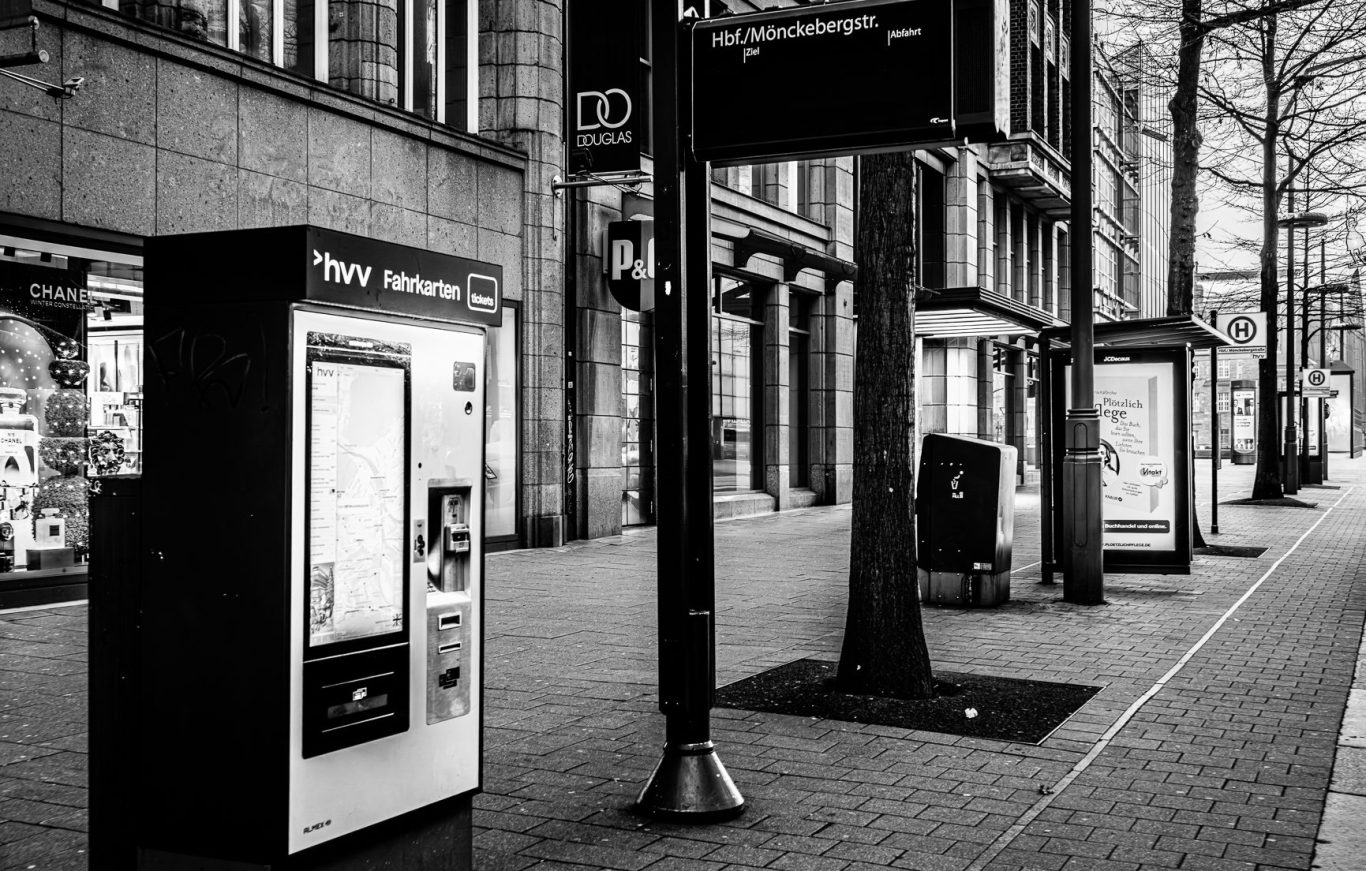
Function Without User
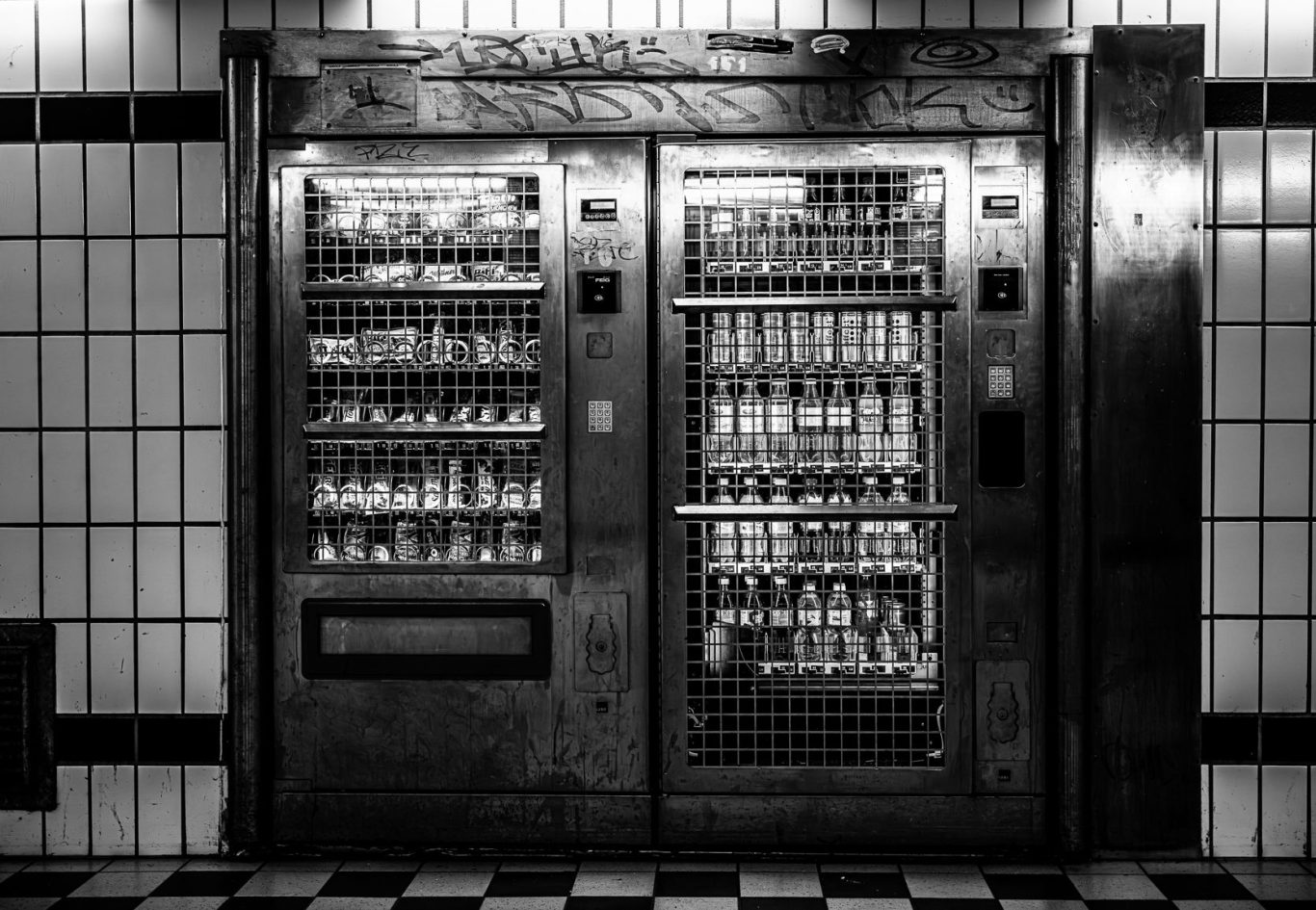
Residual Supply
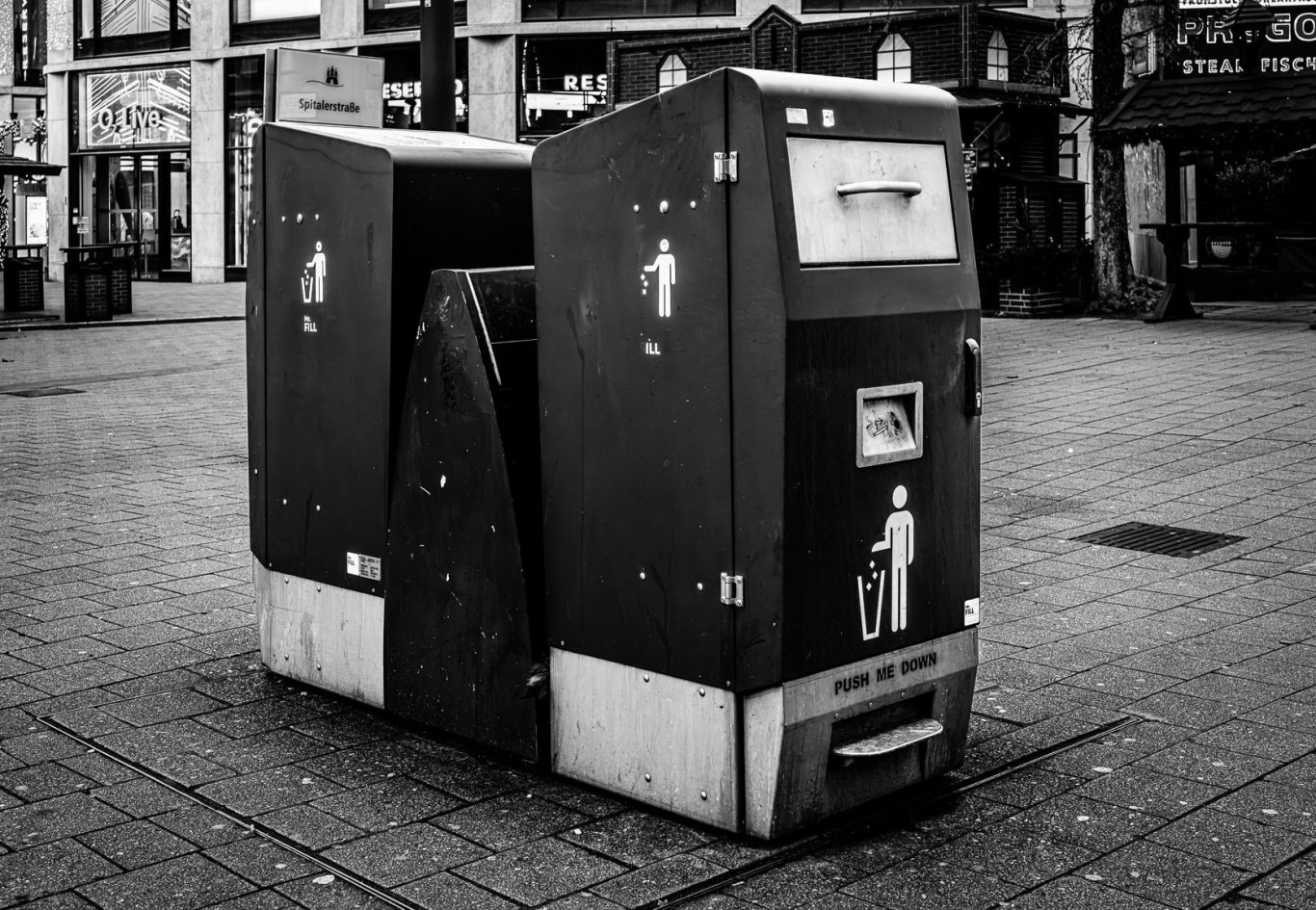
Prepared But Unneeded
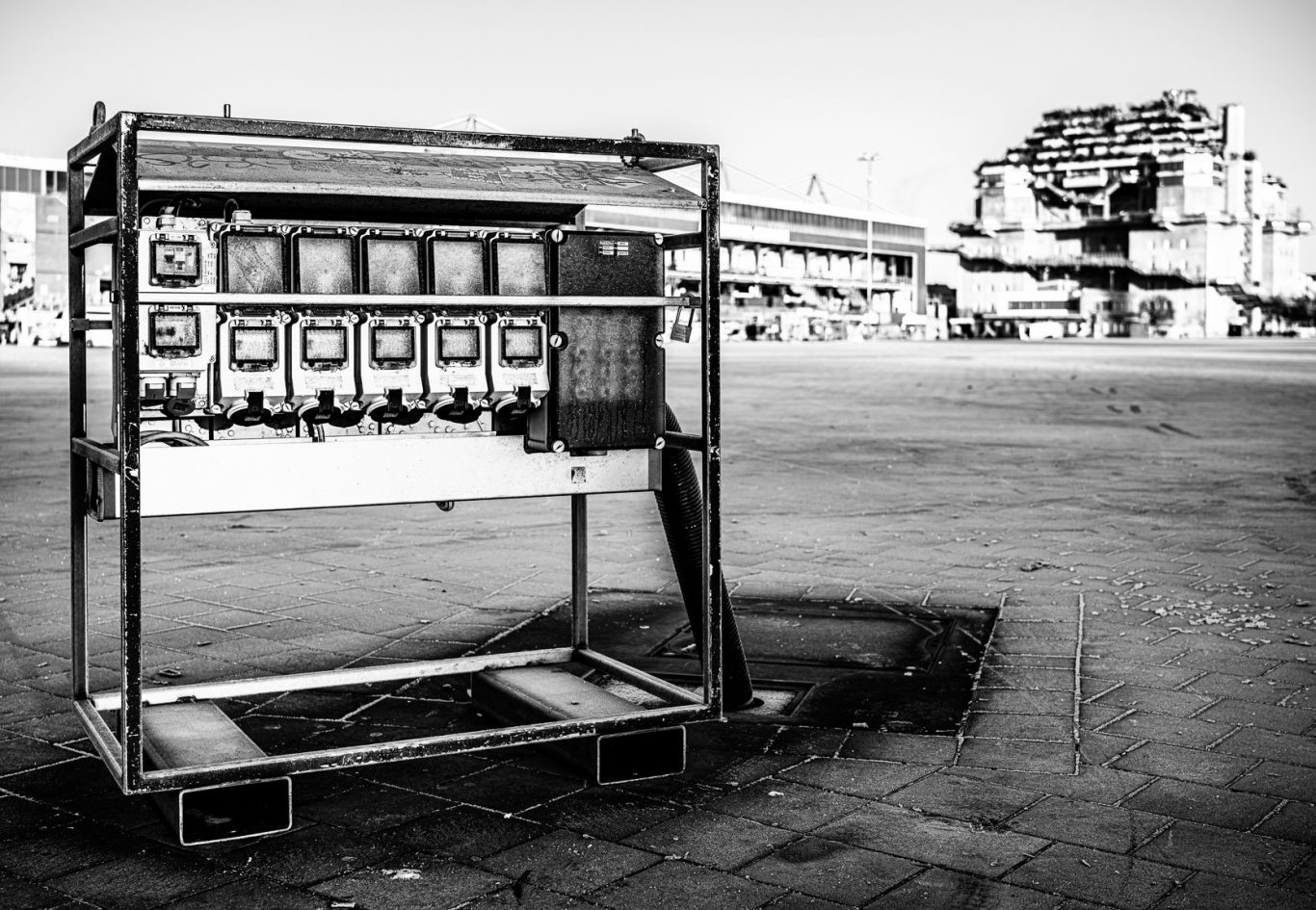
Standby Power

Held in Readiness
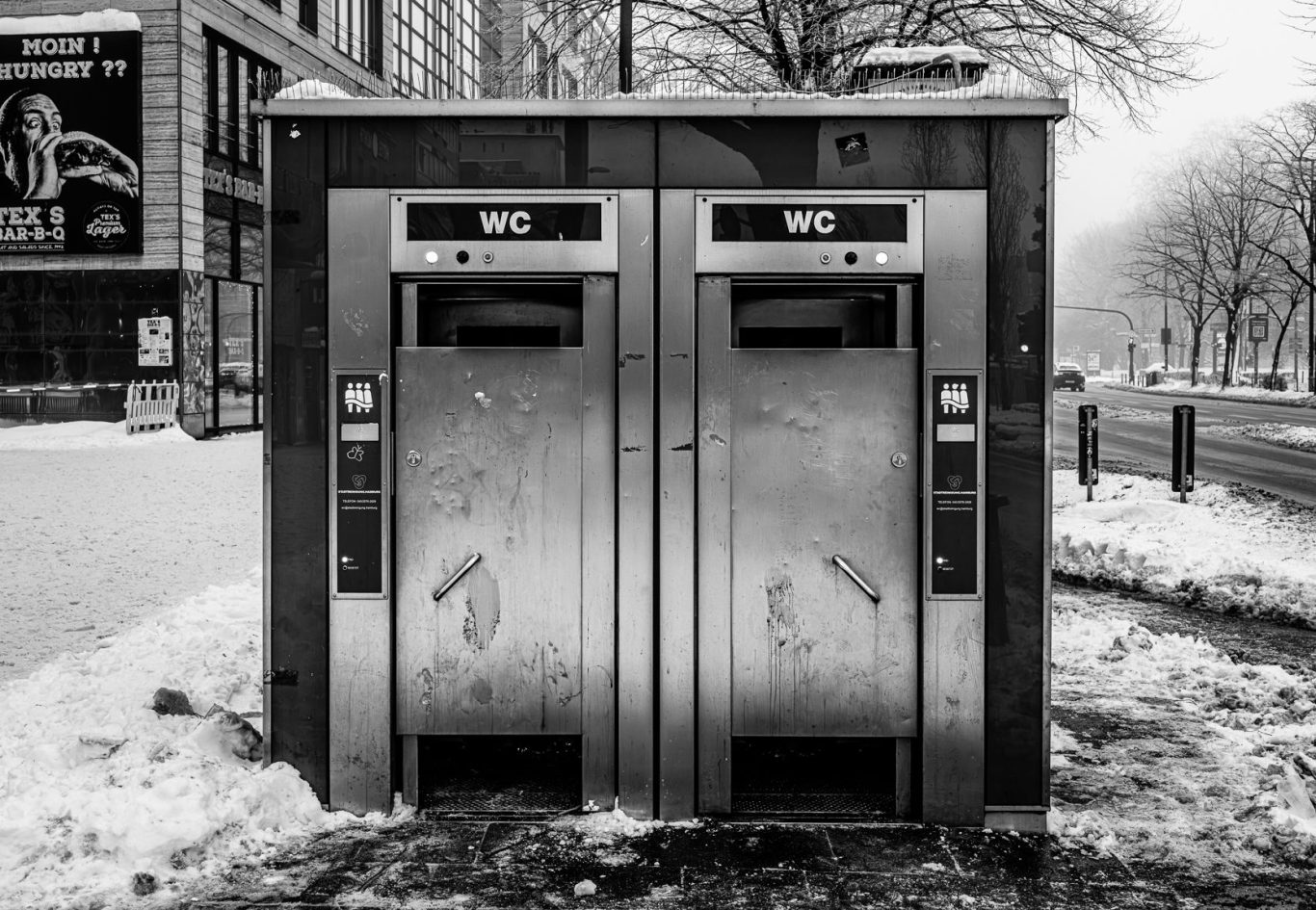
Available but Unused
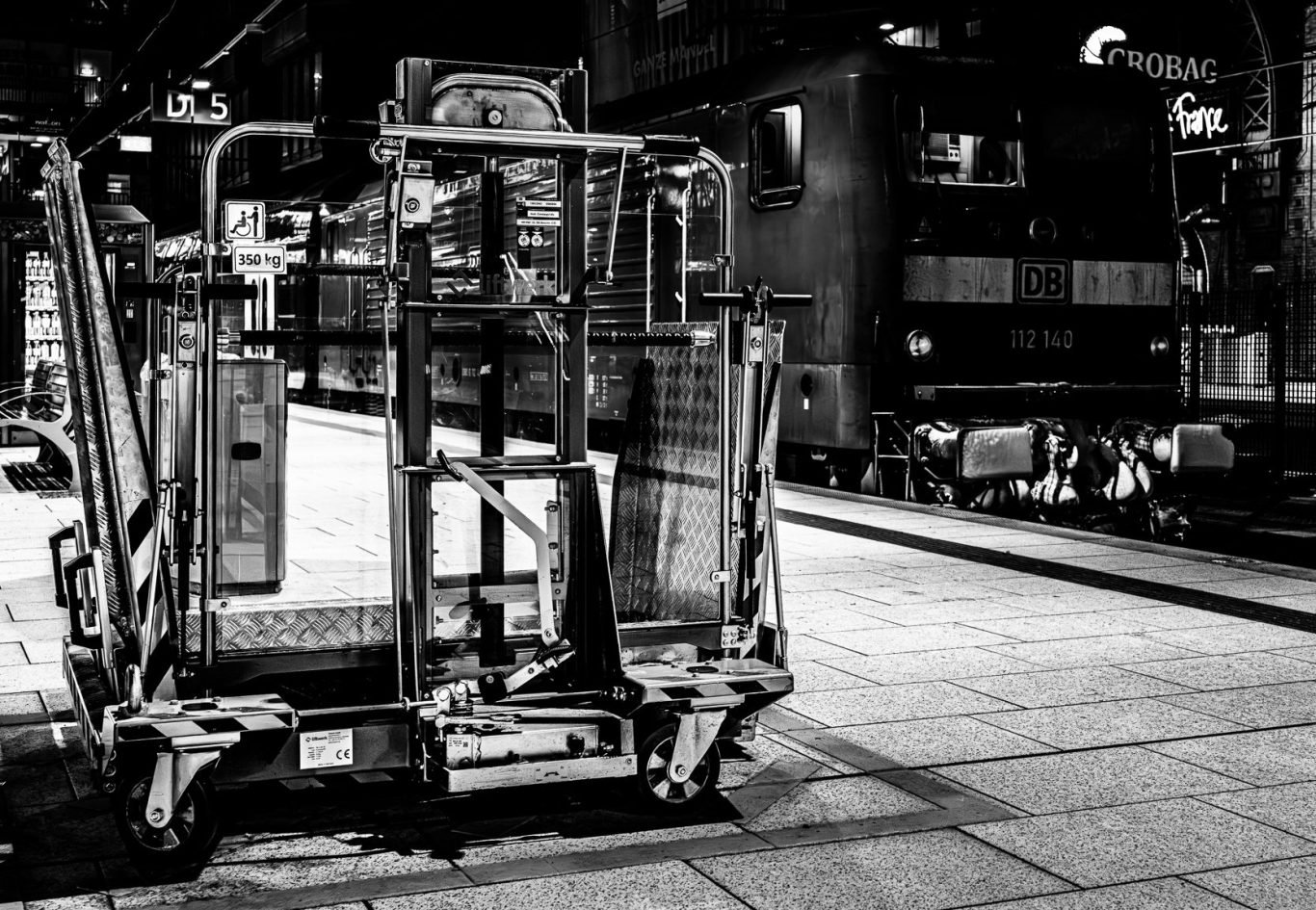
Prepared Without Arrival
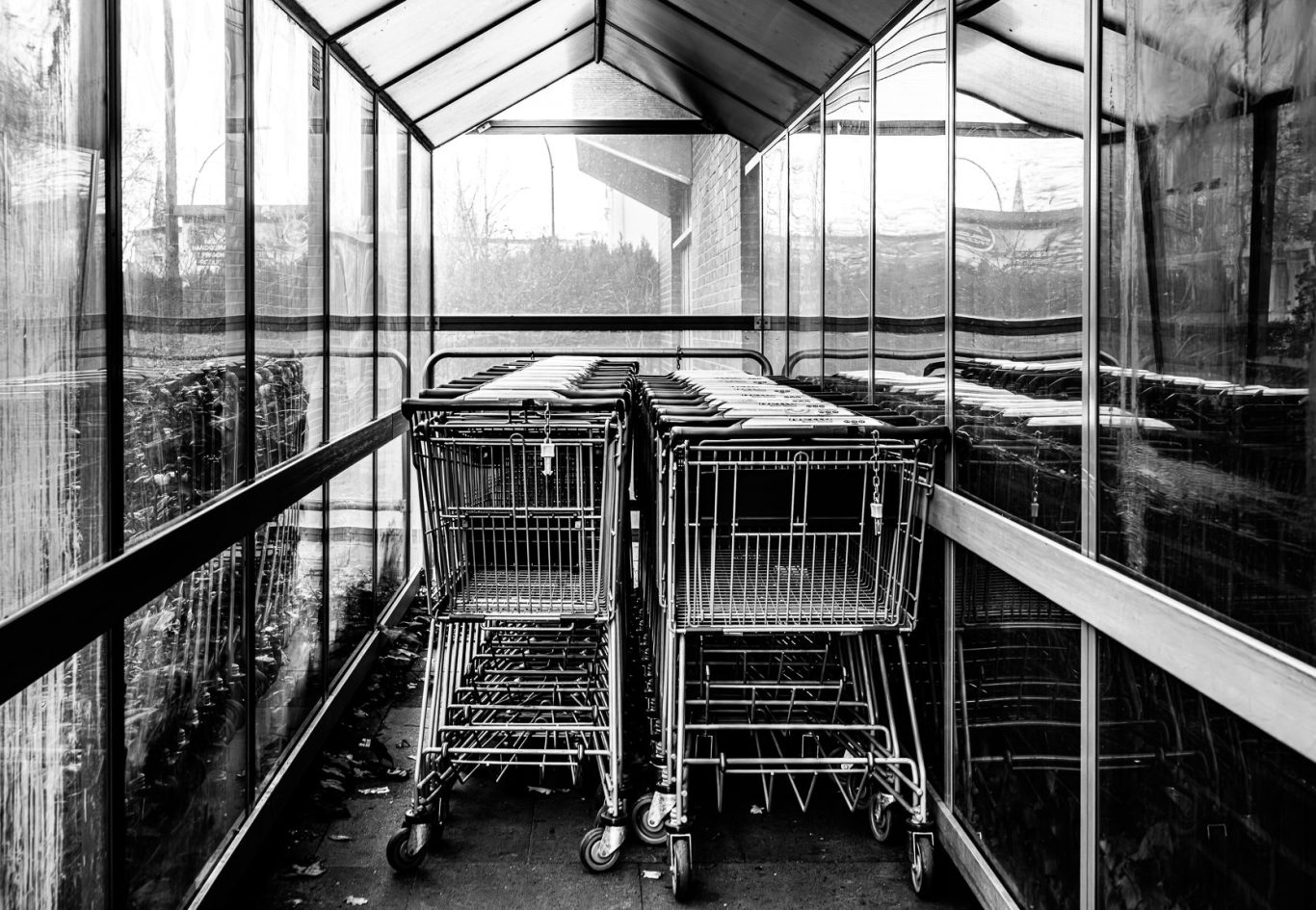
Standby Carts

Parked Without Use

Supply Without Thirst
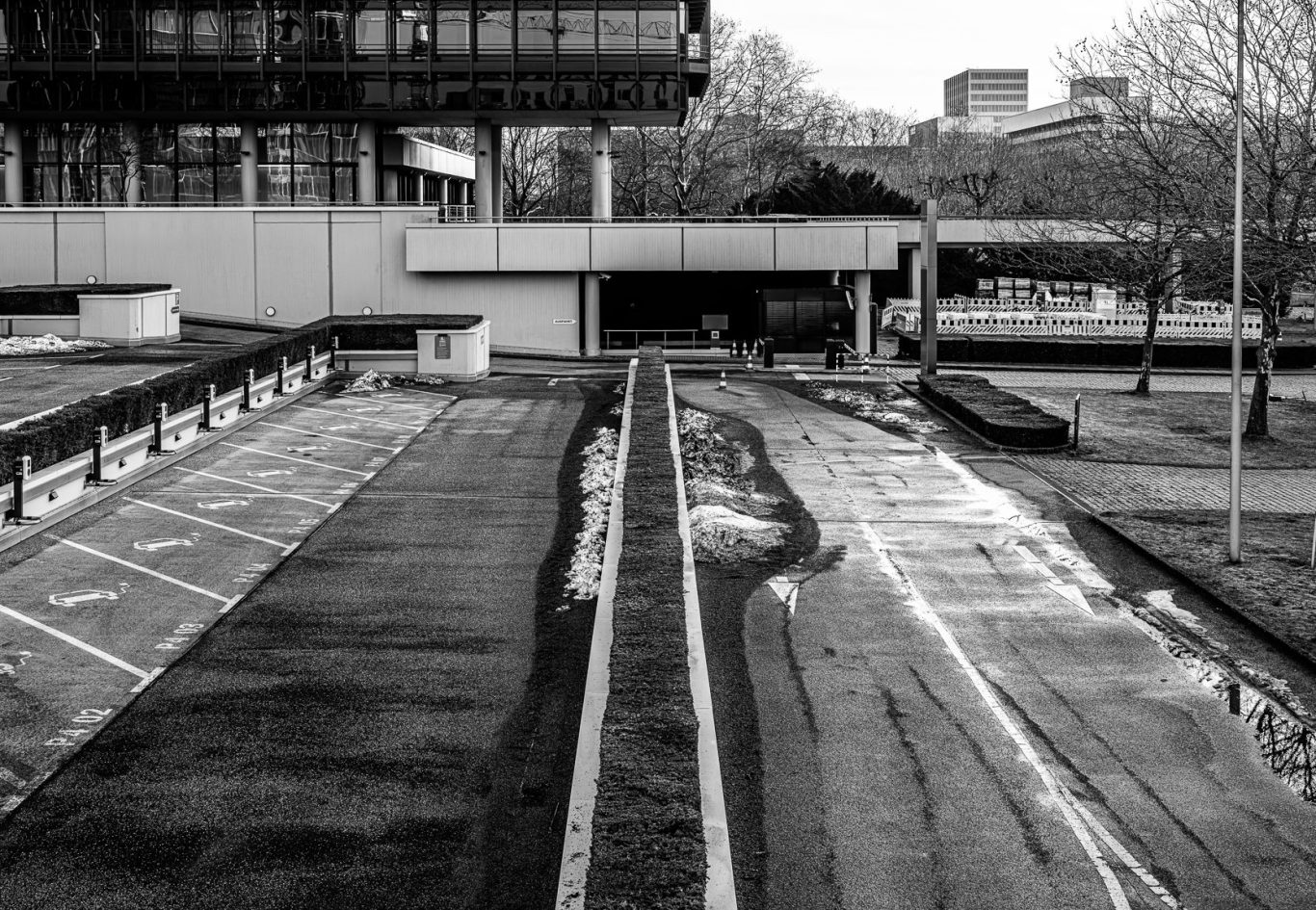
Prepared Without Access