Perception — Chapter 3: Disappearing Reality
Disappearing Reality is not a chapter about fog — it is a study of what happens when certainty loosens. The world remains visible, yet its reliability withdraws. Familiar urban environments lose their clarity; structures that usually guide perception become indeterminate, direction fails, and space drifts into a state between presence and disappearance.
Rather than dissolving into emptiness, reality here becomes ambiguous. Architecture persists, but its meaning no longer anchors. Lines that promise orientation instead fracture into uncertainty. Pathways extend into unresolved space. Public areas appear prepared for function, yet no longer offer assurance. What emerges is not drama, but a slow erosion of clarity — a condition where the city can be seen, but not entirely trusted.
This chapter explores the psychological dimension of perception in moments of destabilization. It reflects the point at which urban space stops responding as expected and begins to resist interpretation. The images neither narrate catastrophe nor crisis; instead, they articulate a quieter disorientation: a world present without affirmation, visible without certainty.
Photographed in Hamburg, Disappearing Reality marks a threshold in the Perception cycle — the moment where the stable view collapses and the familiar becomes unsettled. It is a meditation on doubt, perception, and fragility: not the disappearance of the world itself, but the withdrawal of confidence in how we see it.
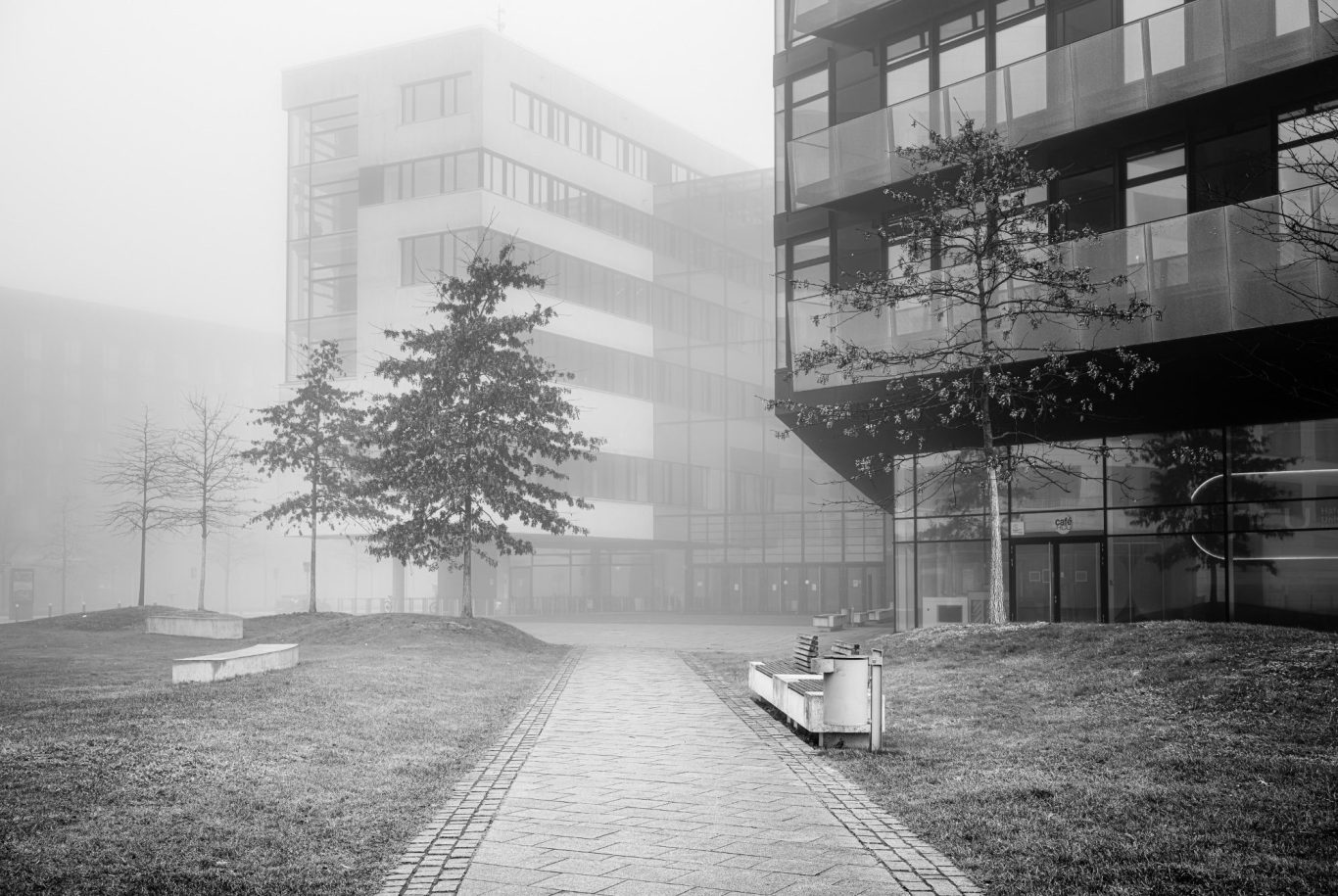
Where Order Dissolves
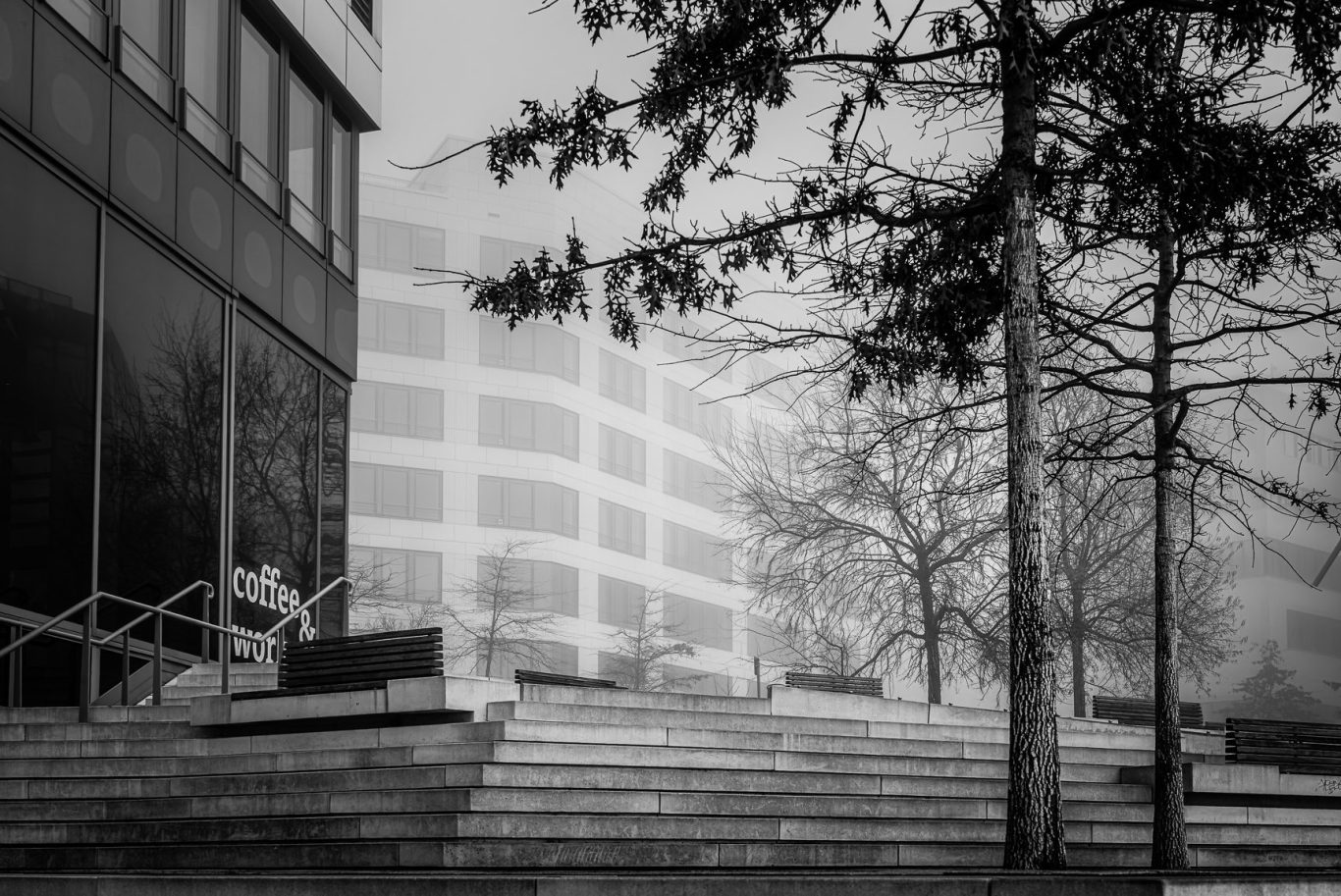
Vanishing Order
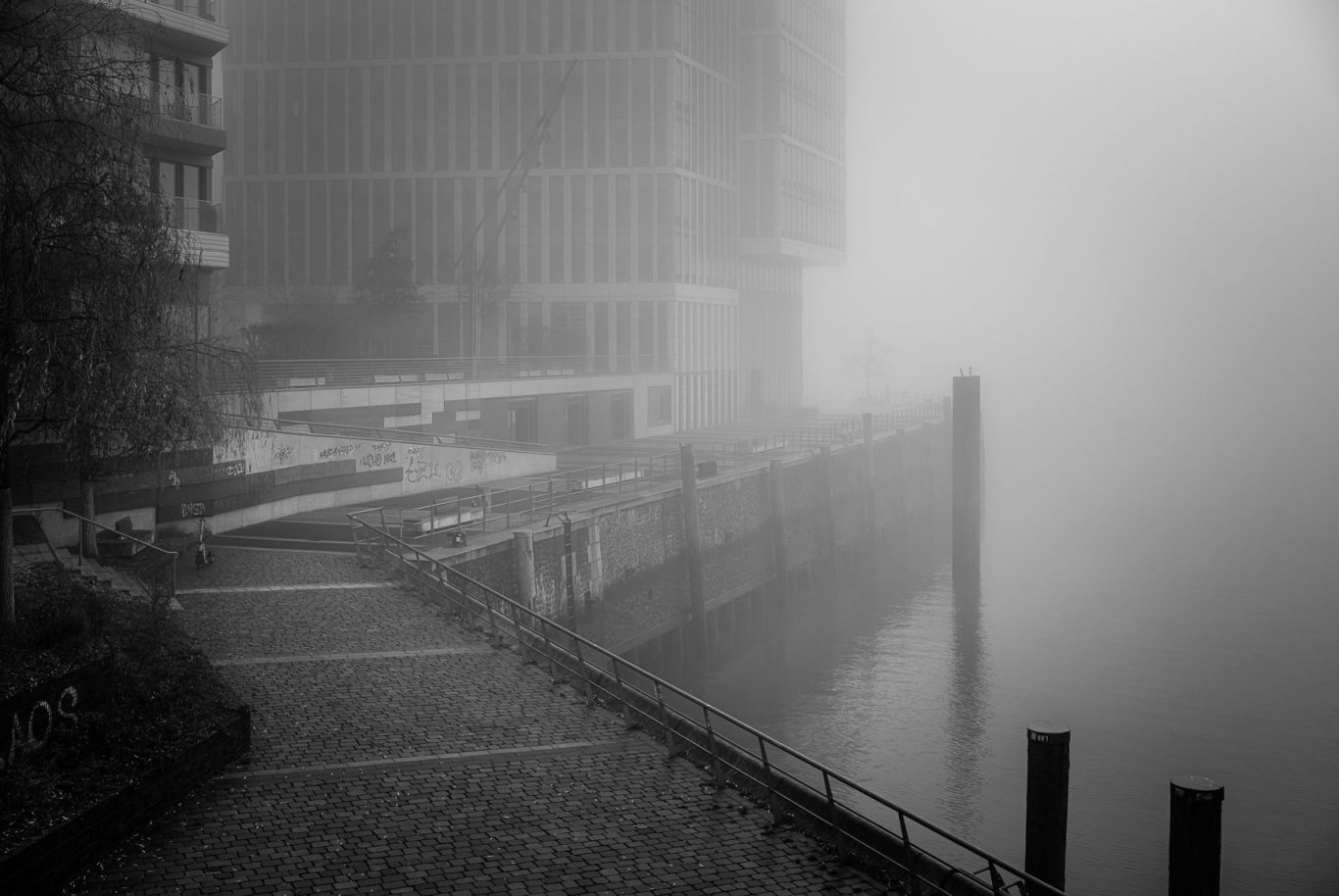
Where Reality Fades
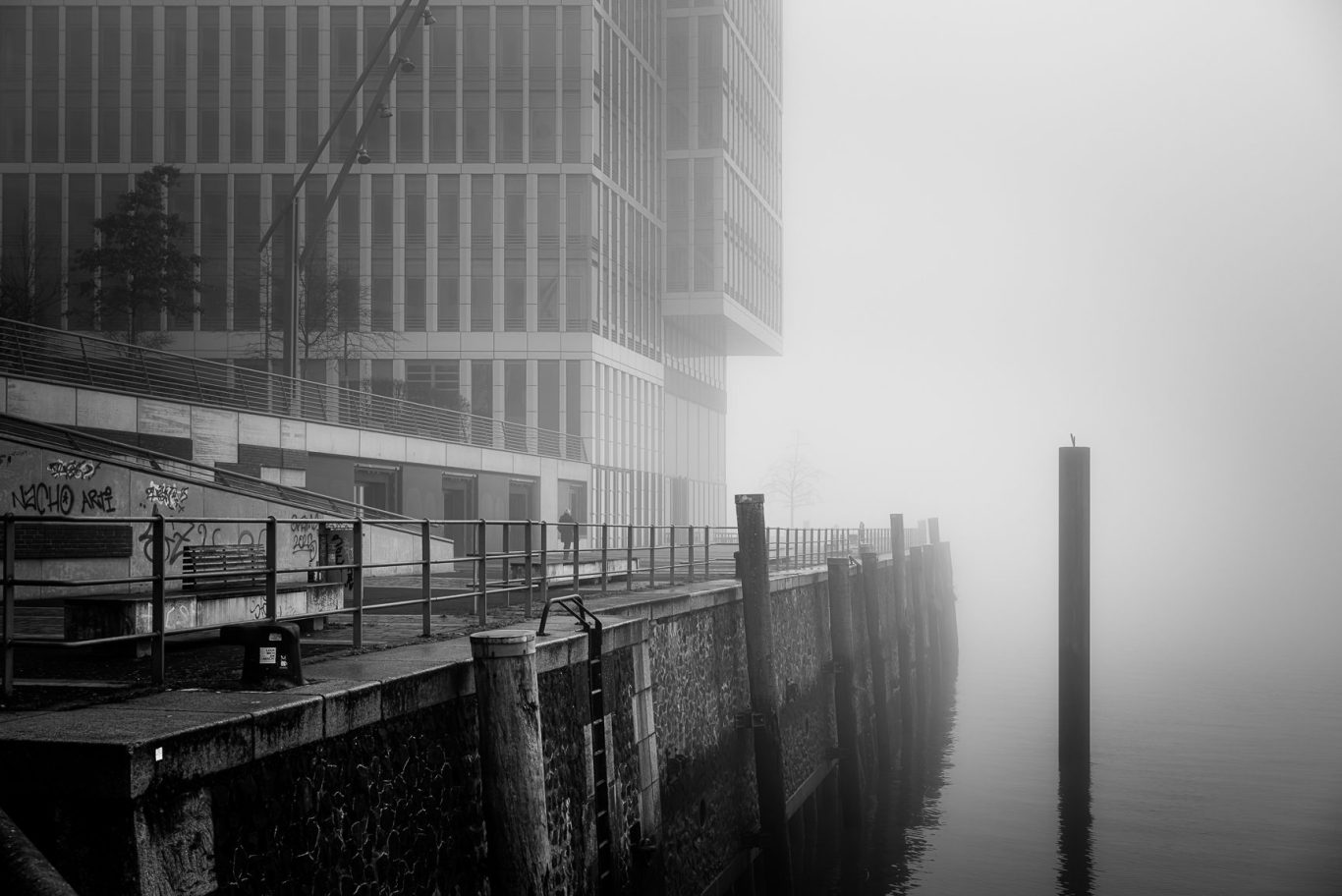
Edge Of Known

Path Without Promise

Where Direction Fades

Ticket To Nowhere
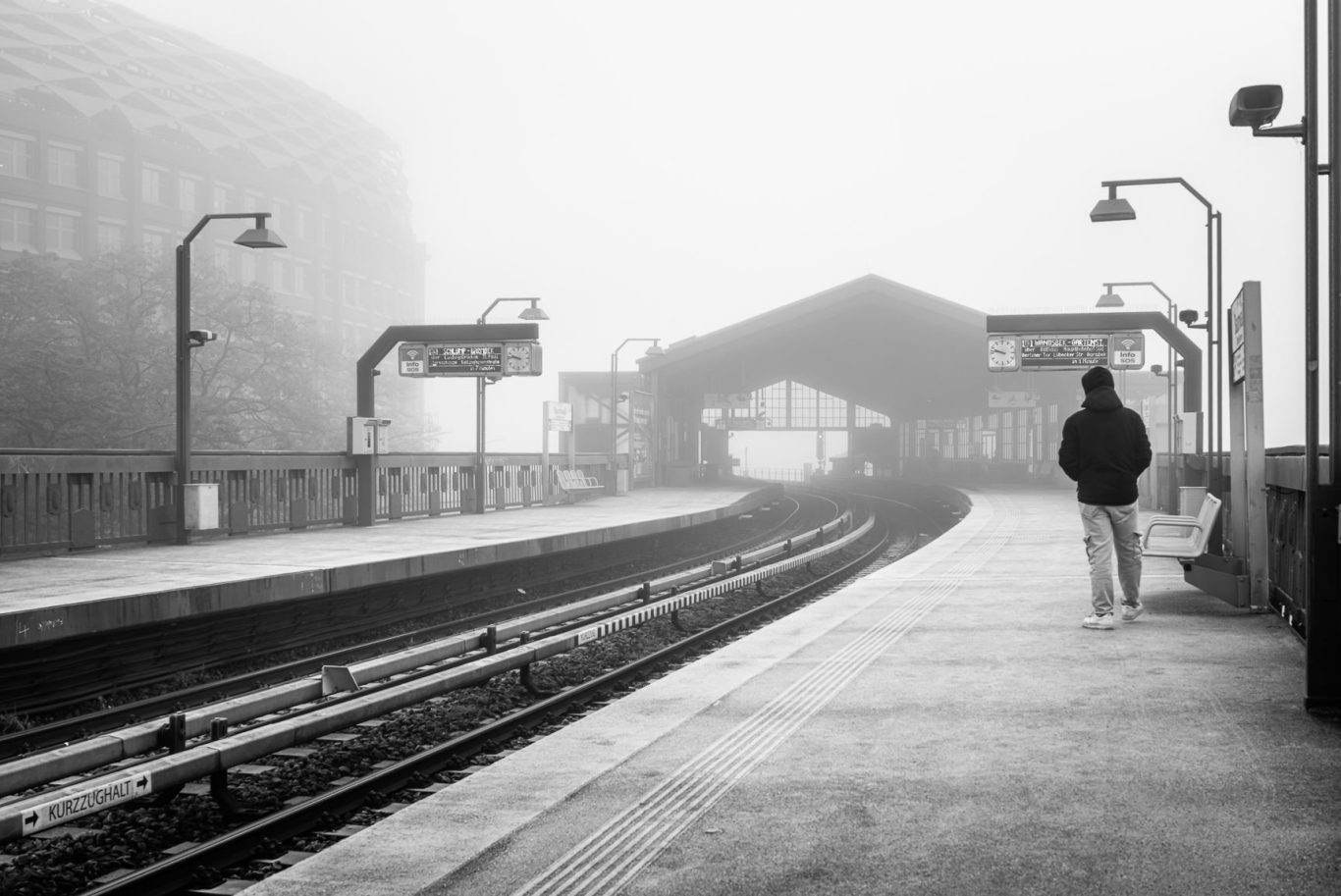
Into The Unseen

Reflection Leaving
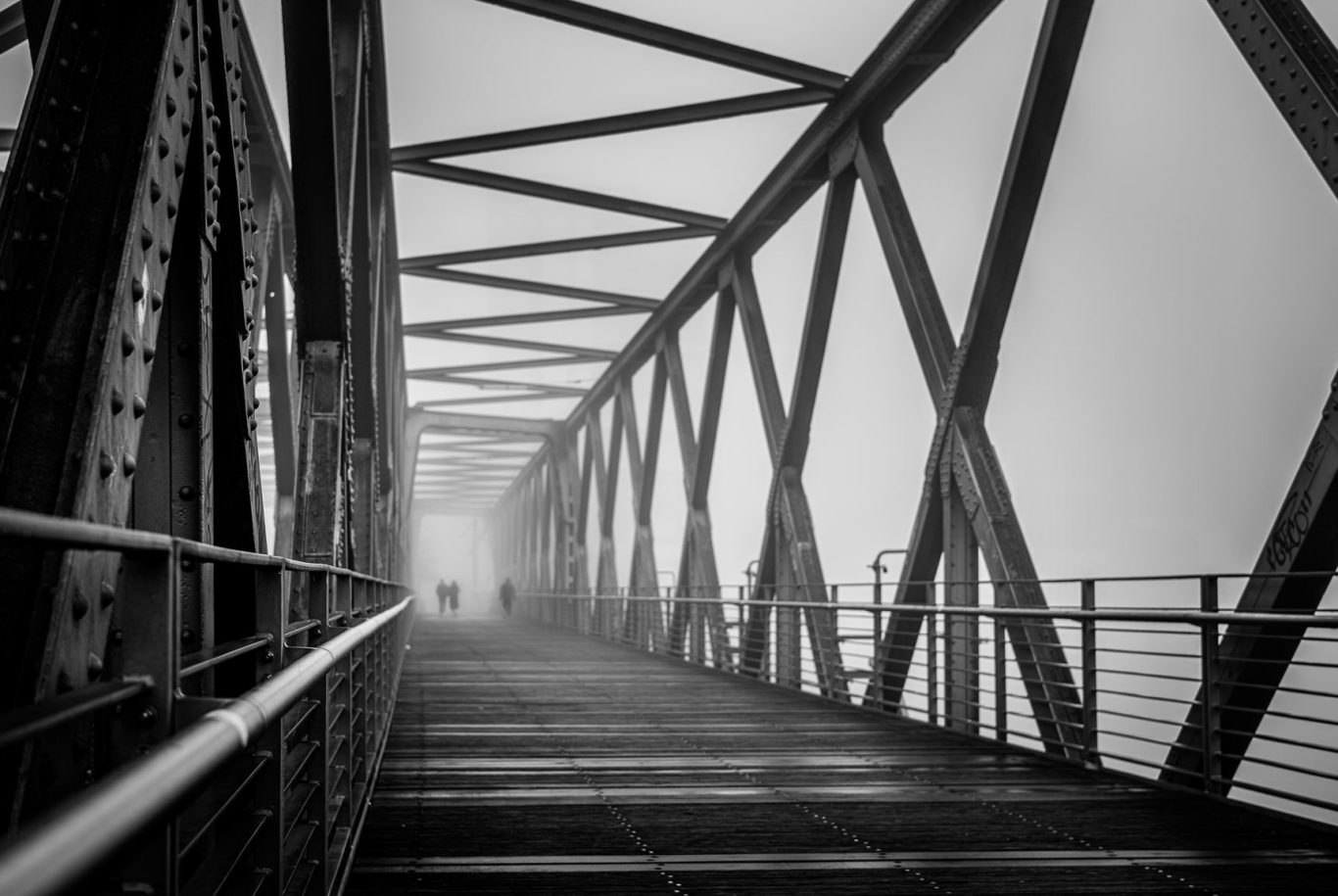
Crossing The Uncertainty

Crossing Into Absence
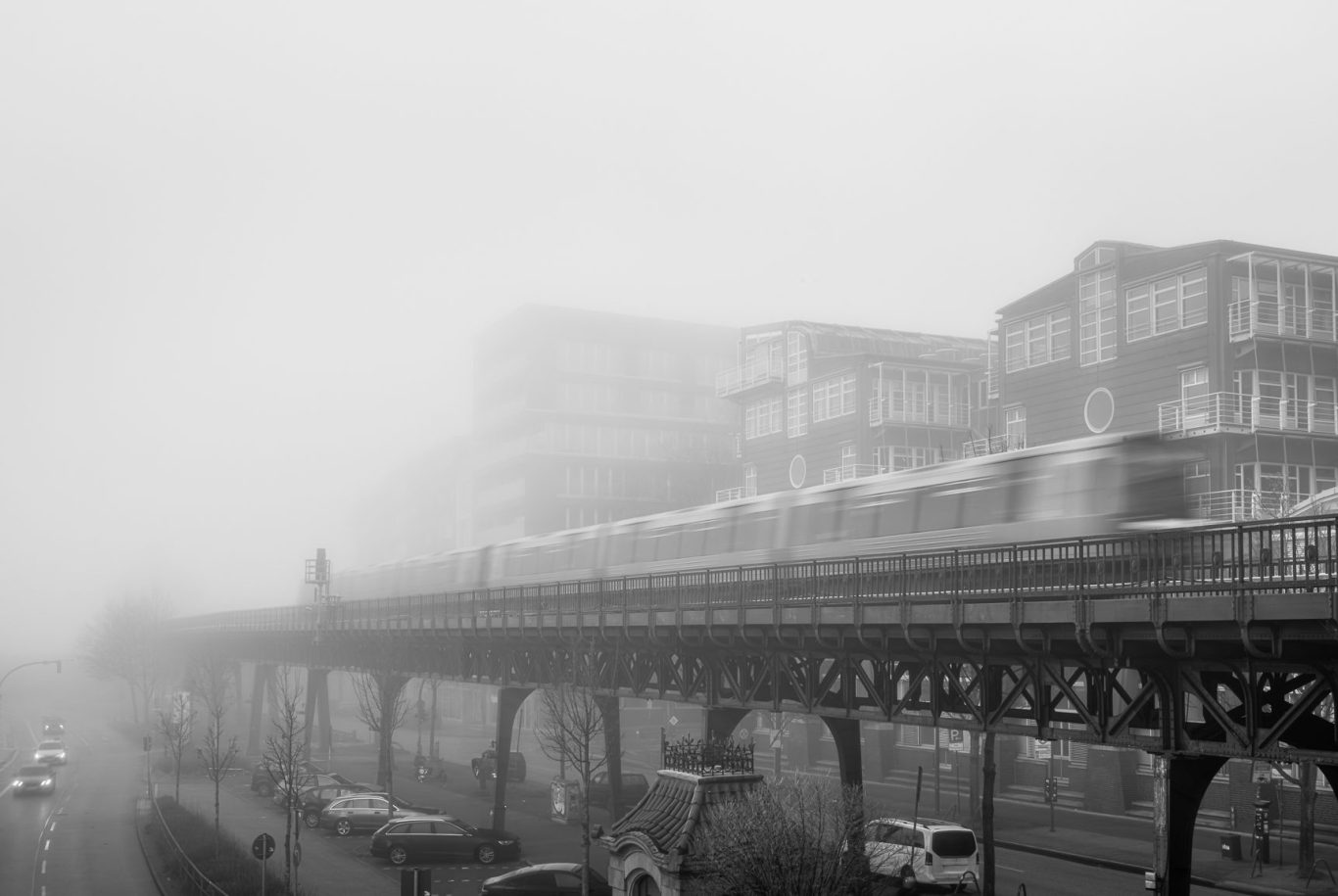
Where The City Fades
Extended View

Orientation Without Passage
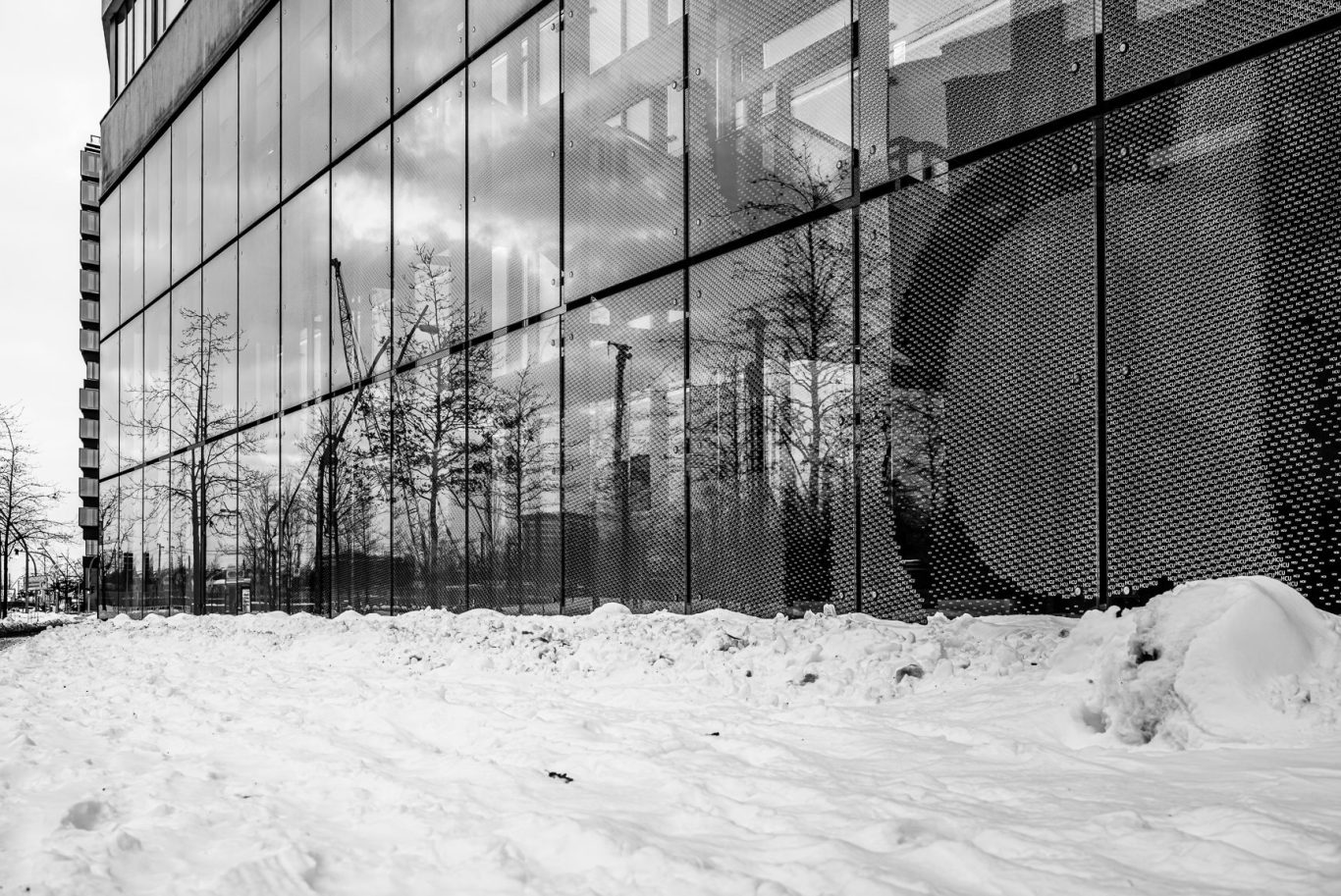
Reference Without Orientation

Surface Without Orientation

Seat Without Presence

Relief Without Measure

Suspension Without Cause

Lost in Instructions
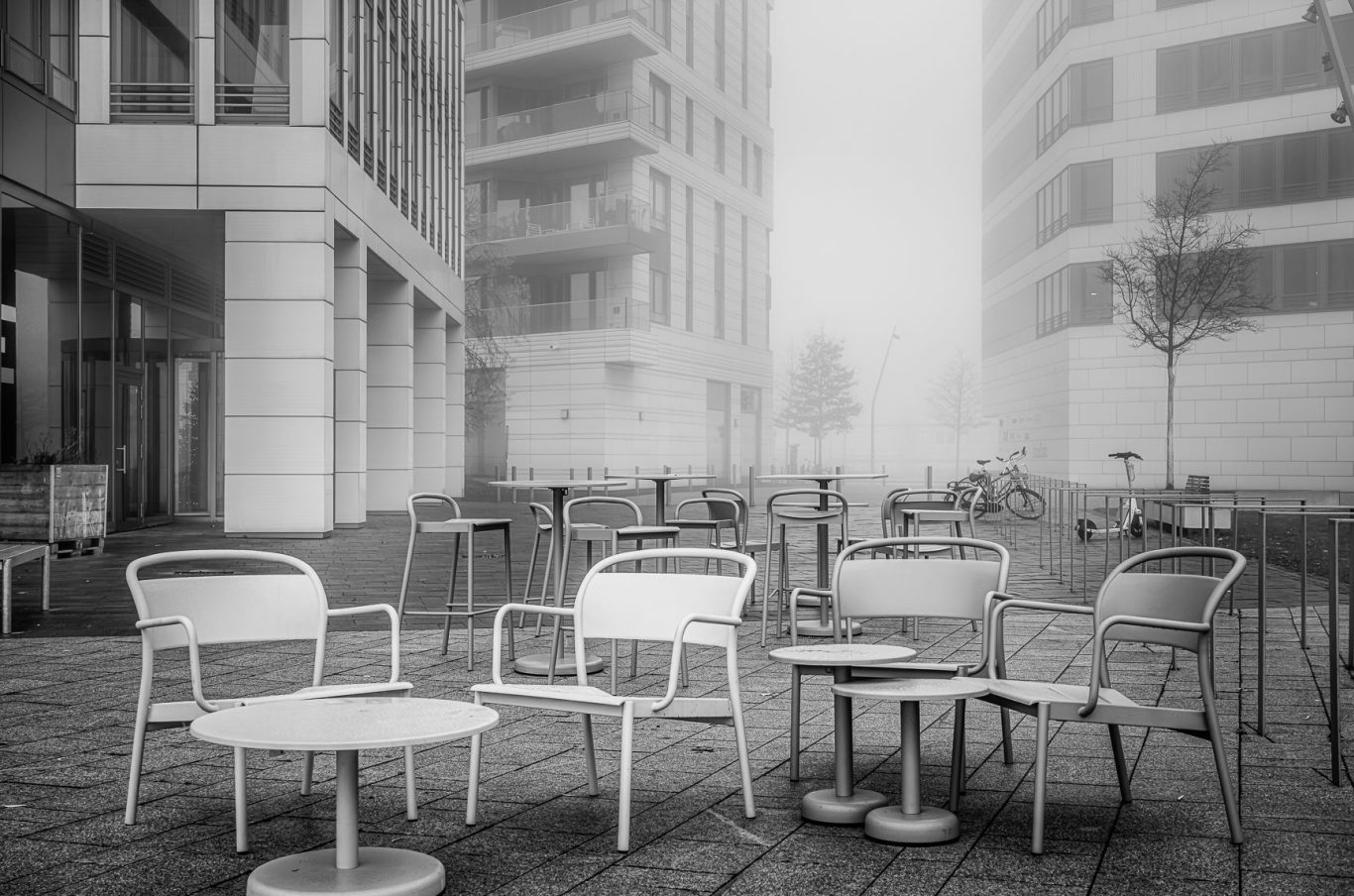
Coversations That Never Happen

Toward What Cannot Be Seen

Vanishing Certainties

Edge of Perception