City in Return
The orders we return to
Selected sequence from a larger essayistic photobook
The city does not begin with my step.
It is already arranged before I enter it: through streets, cables, thresholds, signs, supply routes, barriers, rhythms and paths.
City in Return looks at the conditions under which urban life becomes visible: before movement, at points of entry, within systems of passage, through work and exchange, in moments where orientation breaks, in traces left after presence, and in the recurring effort to repair and continue the city.
People rarely appear as central figures. They appear as bodies within processes, as interruptions, as traces, as parts of an order they do not simply enter, but help produce.
The city becomes a collective mirror — showing how we live, what we enable, what we tolerate, what we forget, and what we continue to reorganize.
I. The City Before Us
II. Terms of Entry
III. Moving Within
IV. Currents of Exchange
V. When Reading Breaks
VI. What Remains of Us
VII. The City Returns
Sequence
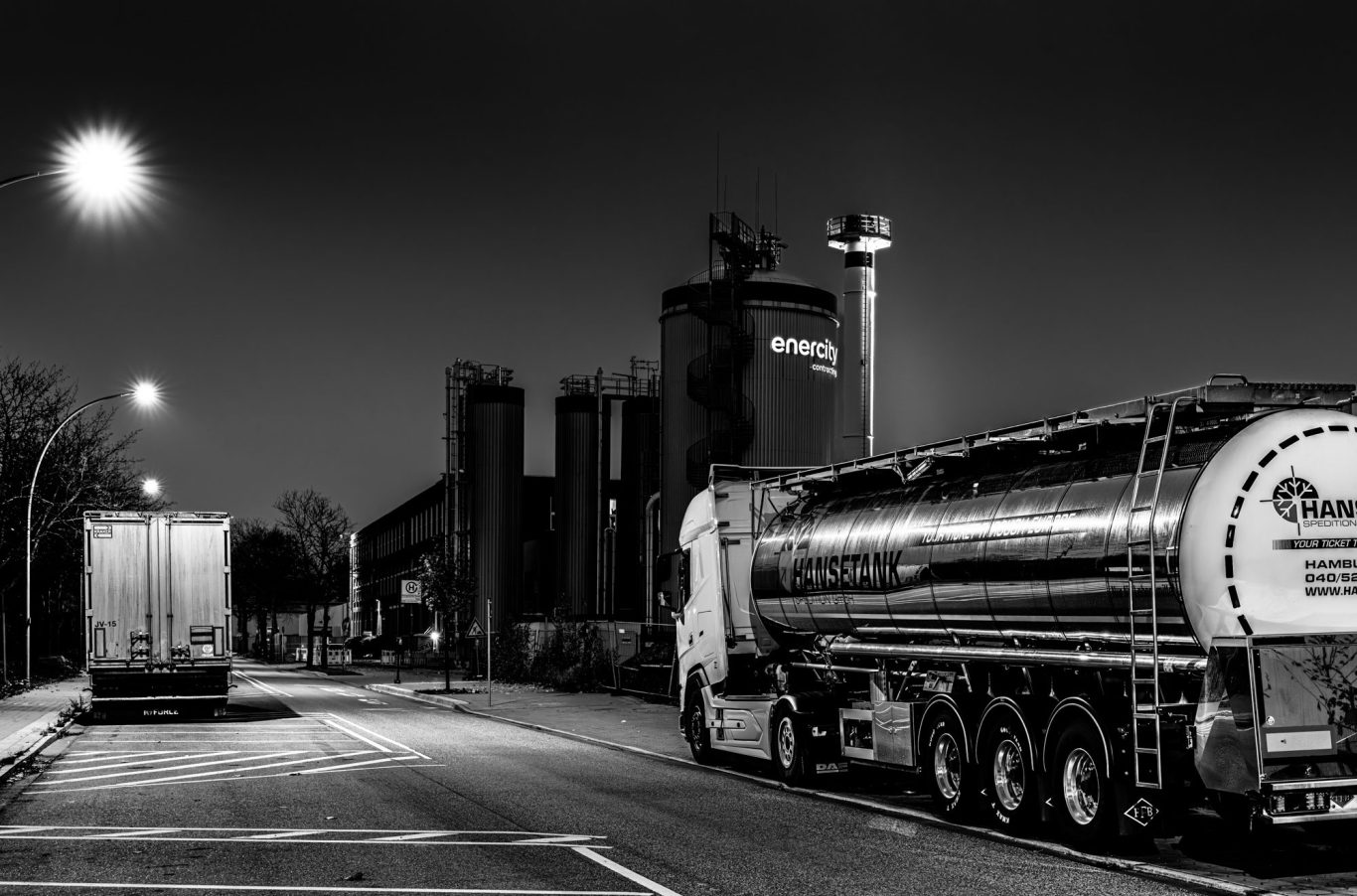
I. The City Before Us
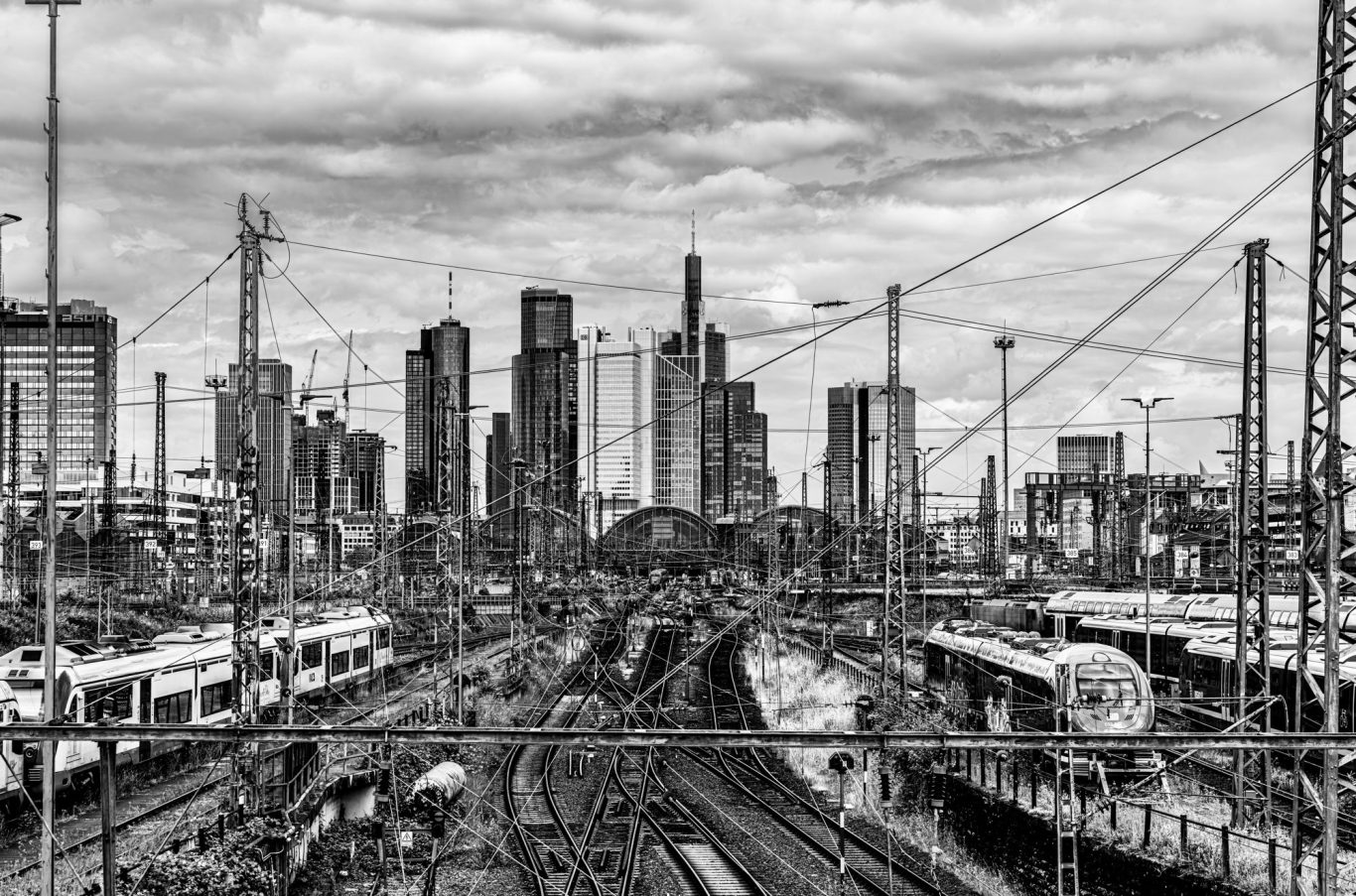
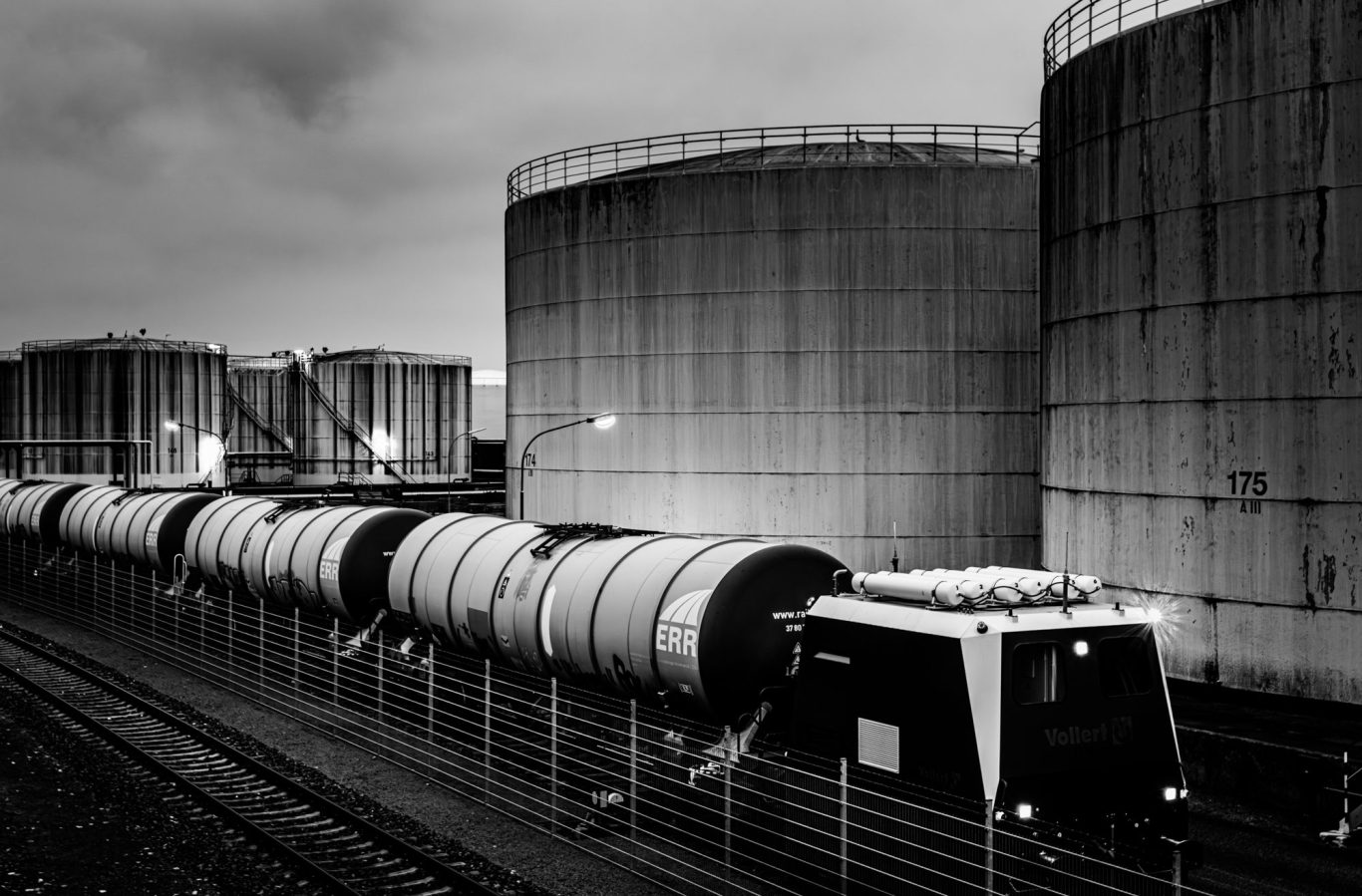
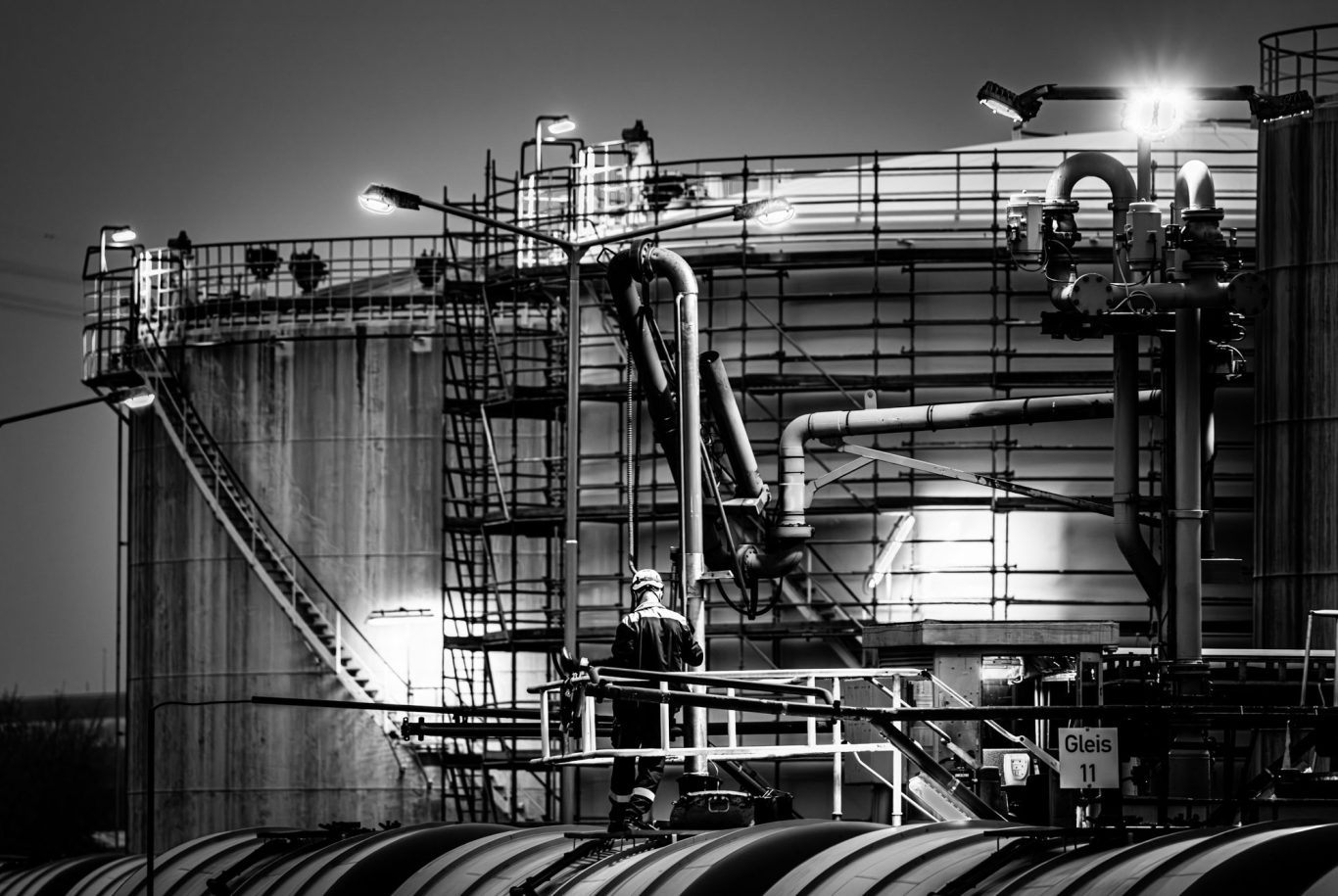
Before we move, the city is already active. Supply systems, industrial structures, tracks, pipes, energy routes and signals form the basic conditions of a shared urban life.
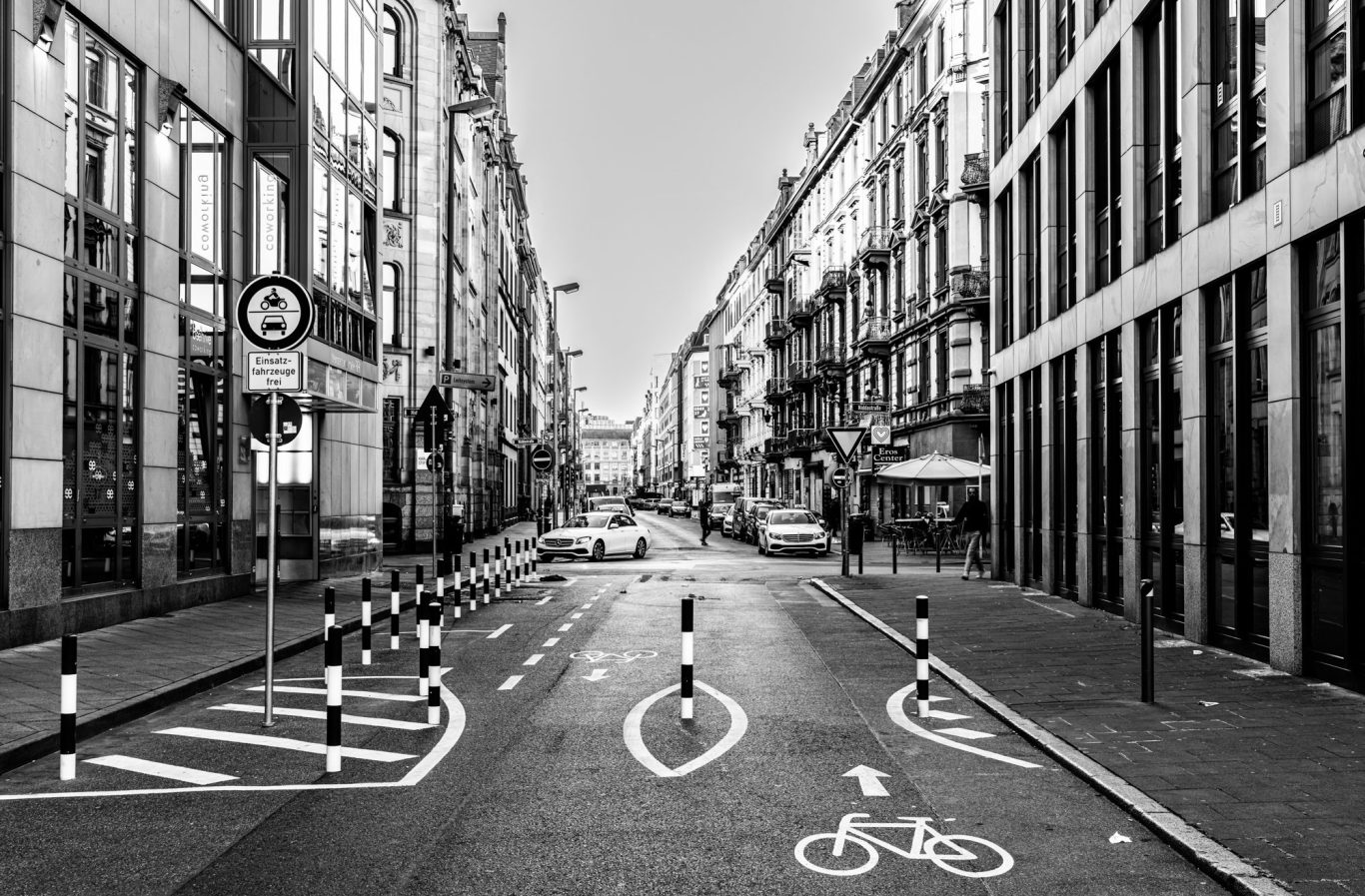
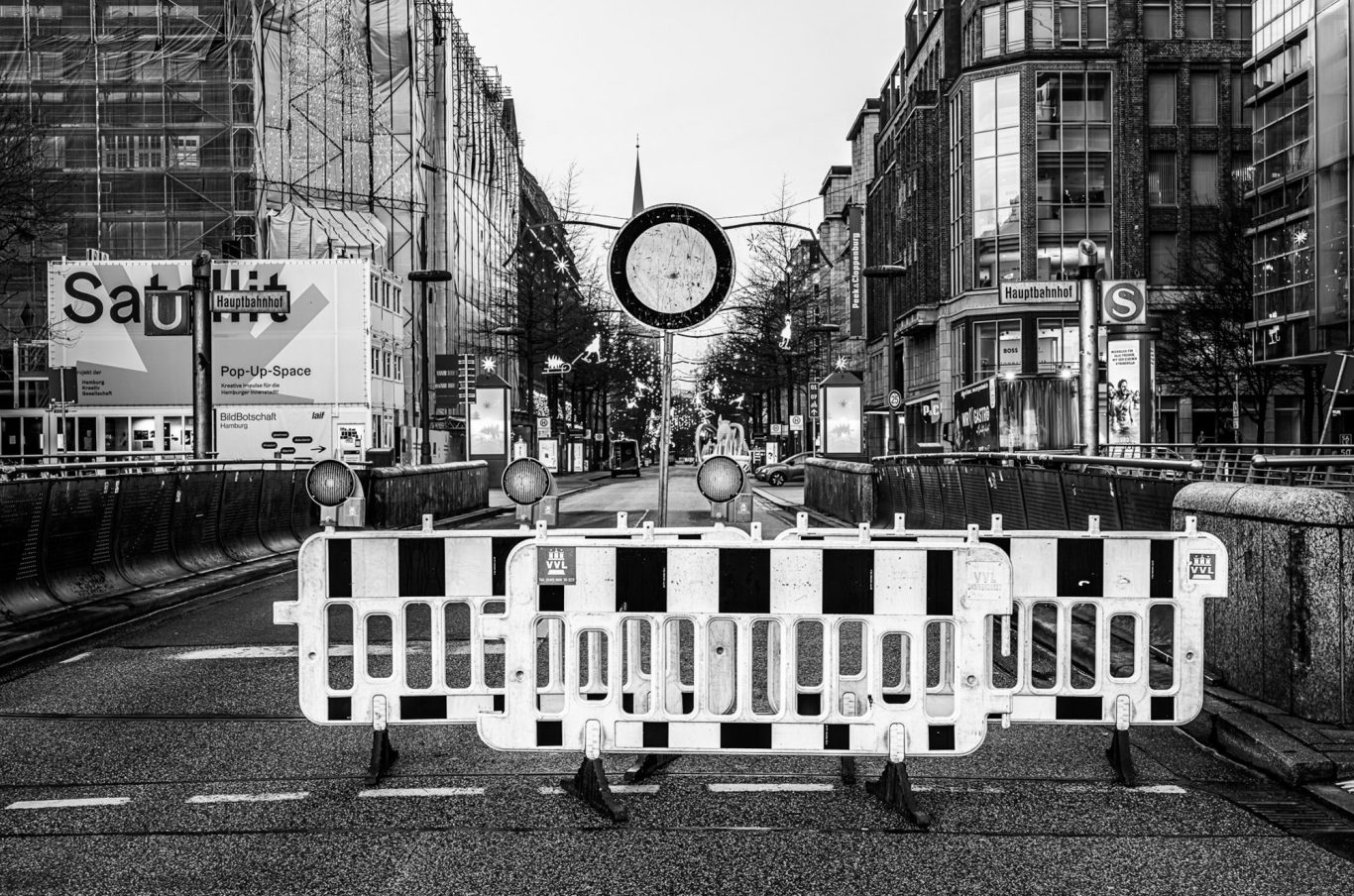
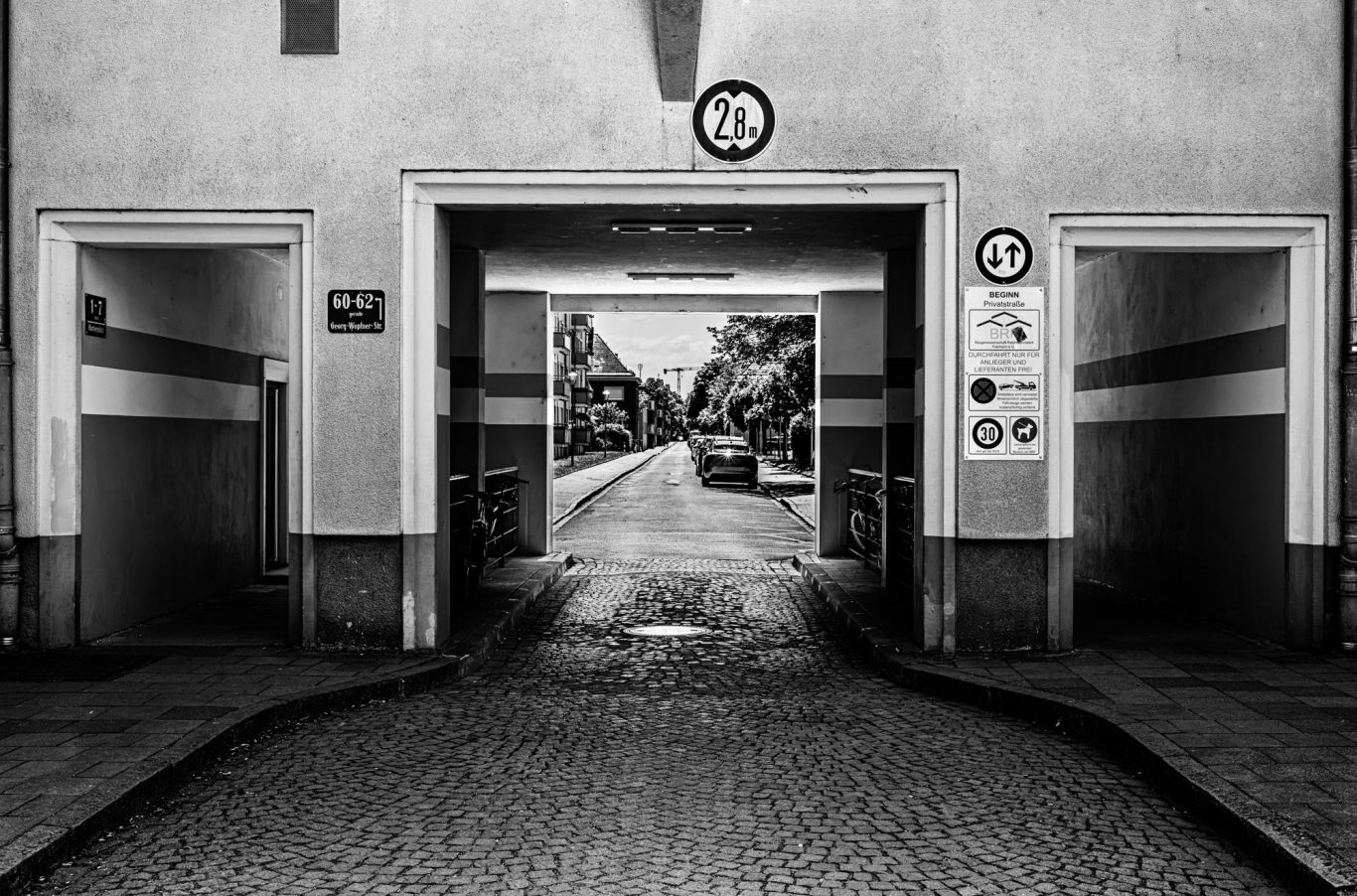
II. Terms of Entry
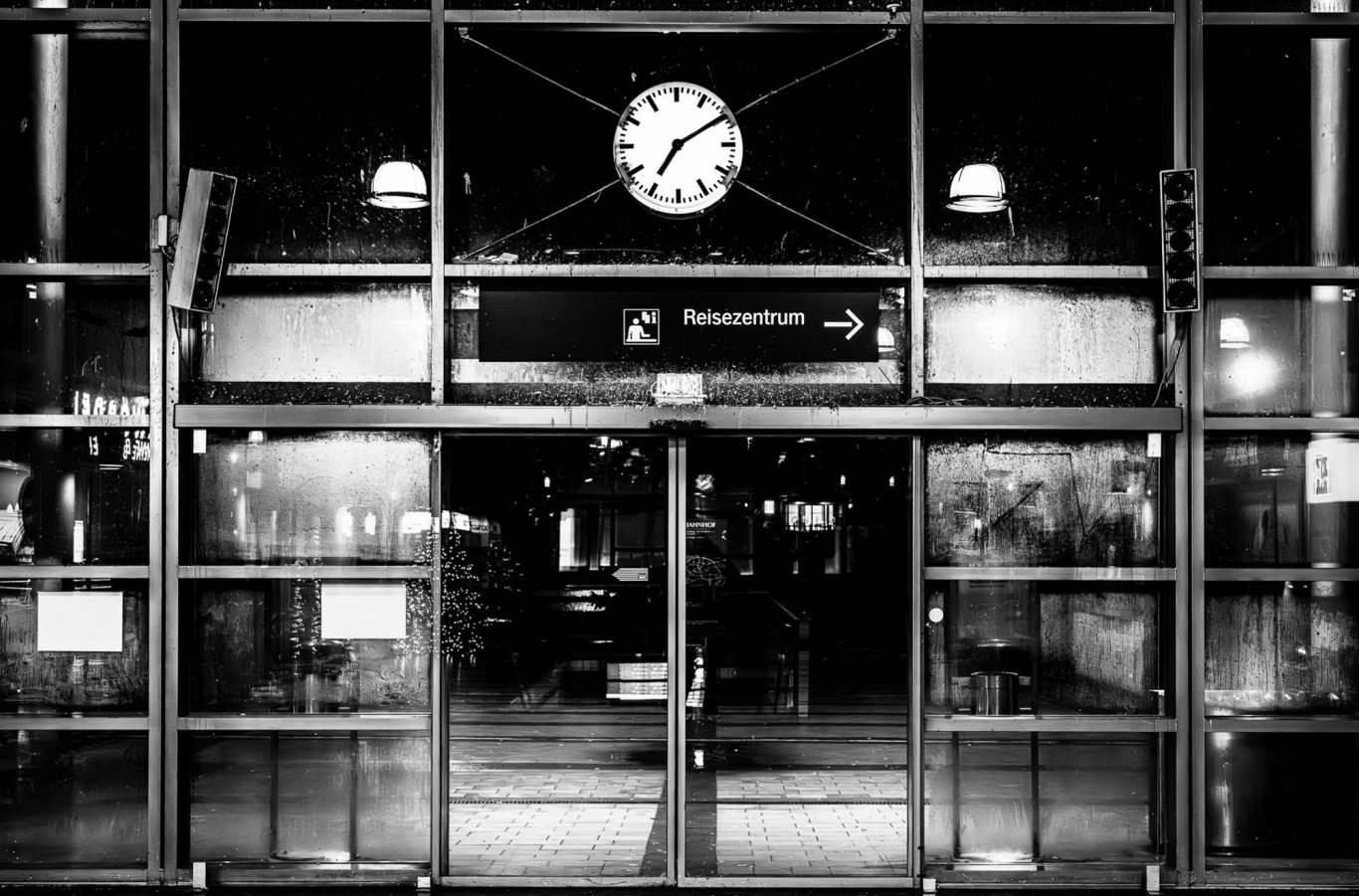
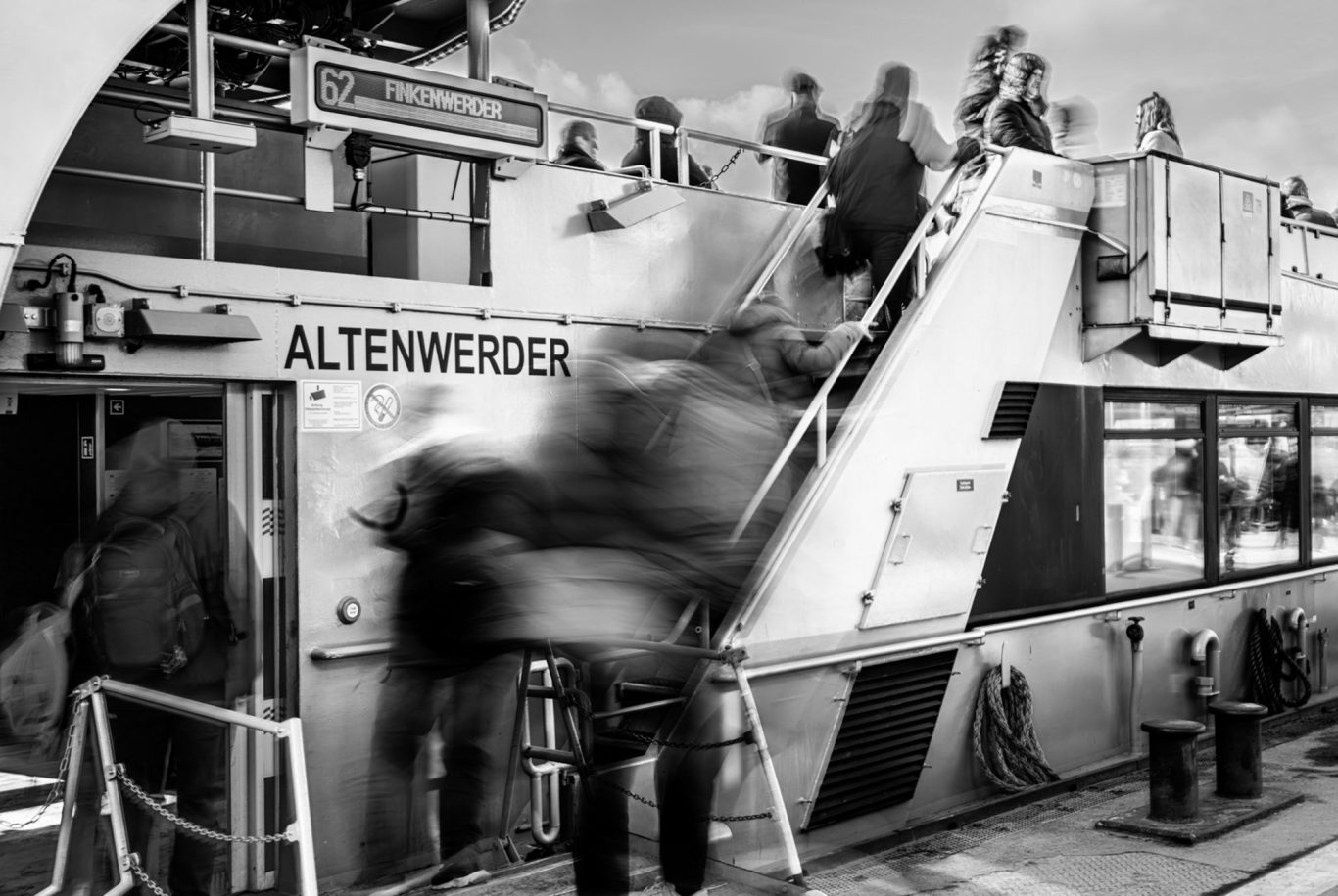
Access is never neutral. Entrances, thresholds, barriers and detours reveal that entering the city is always tied to visible and invisible conditions.
III. Moving Within
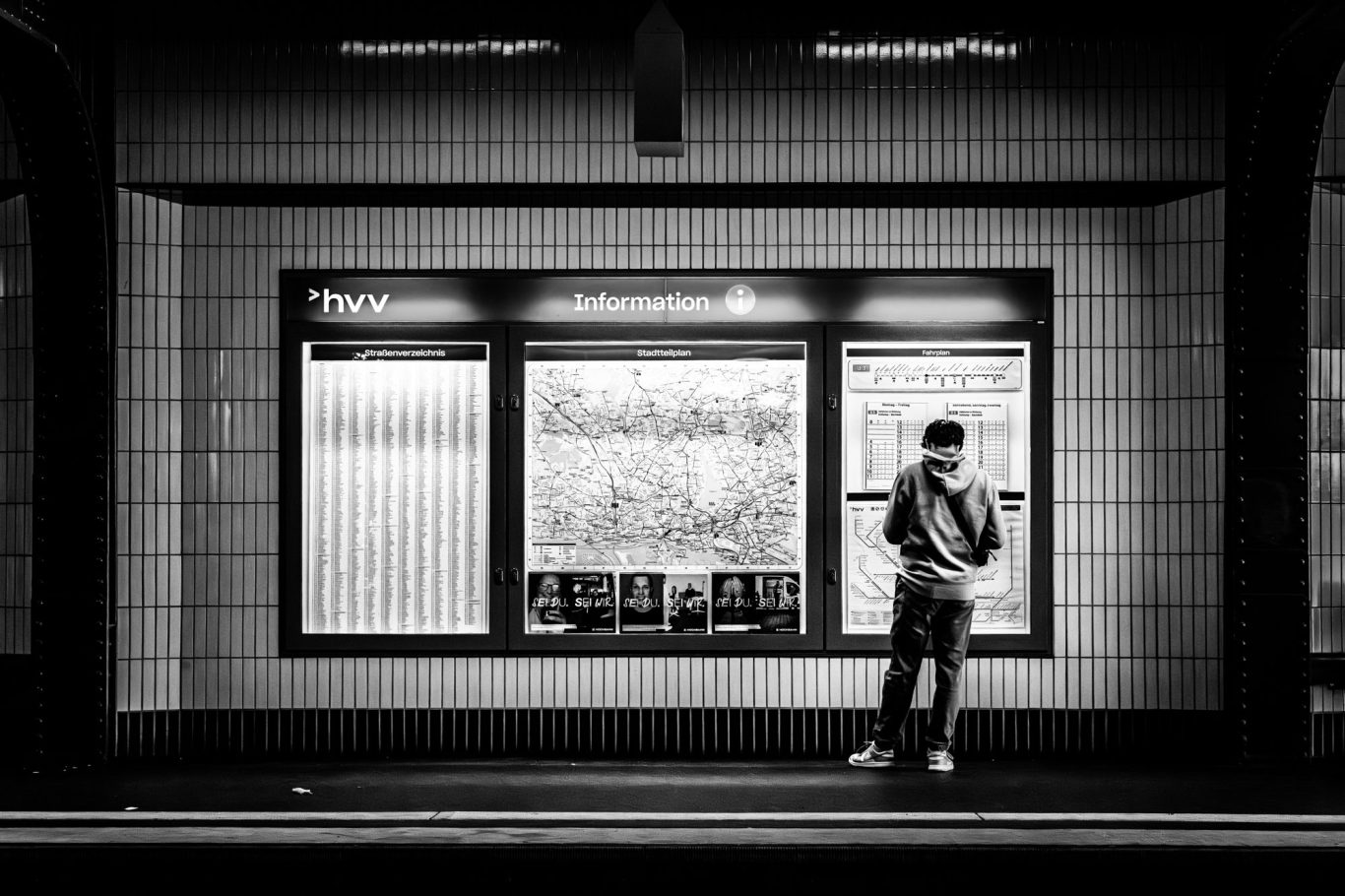
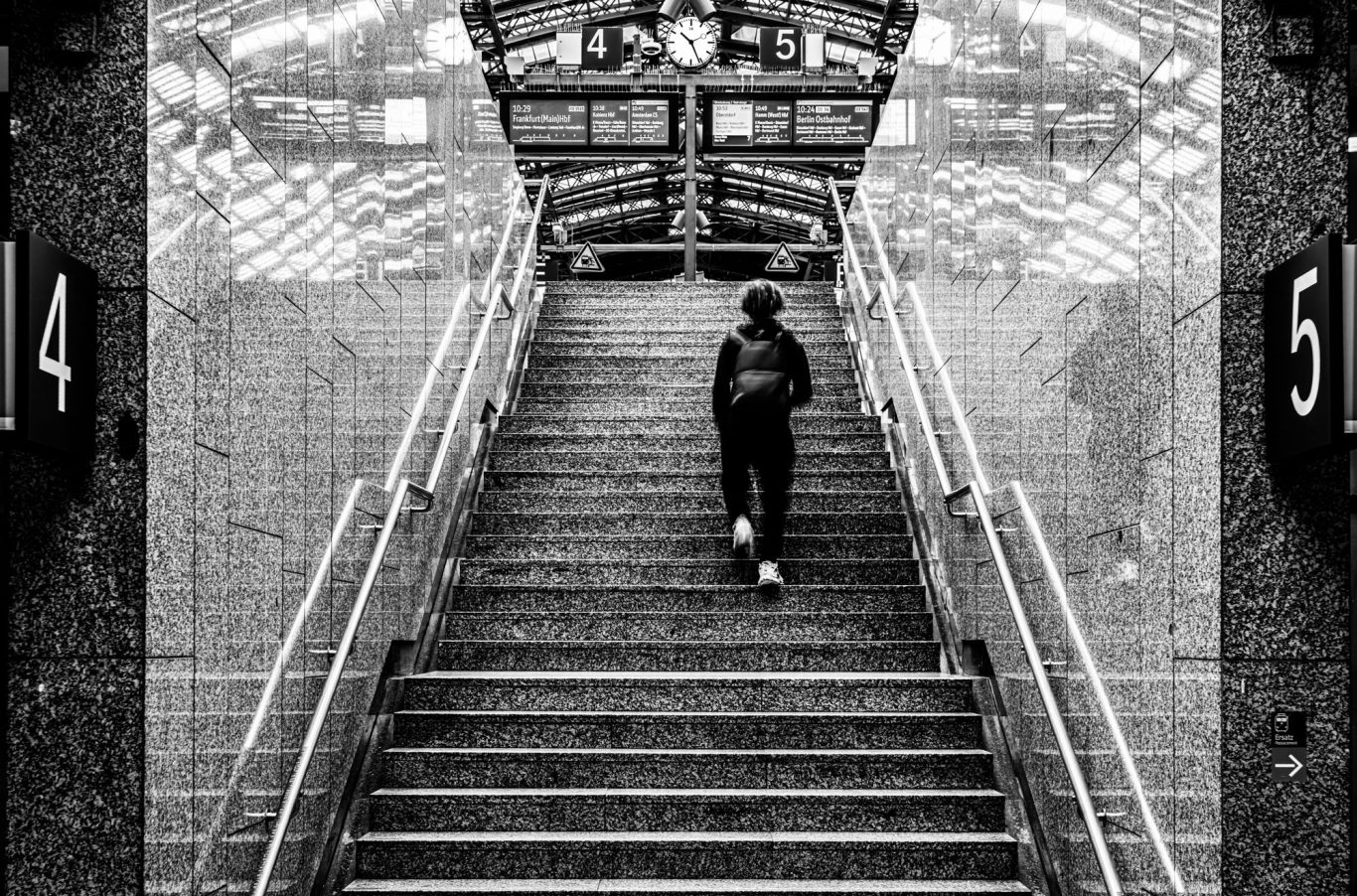
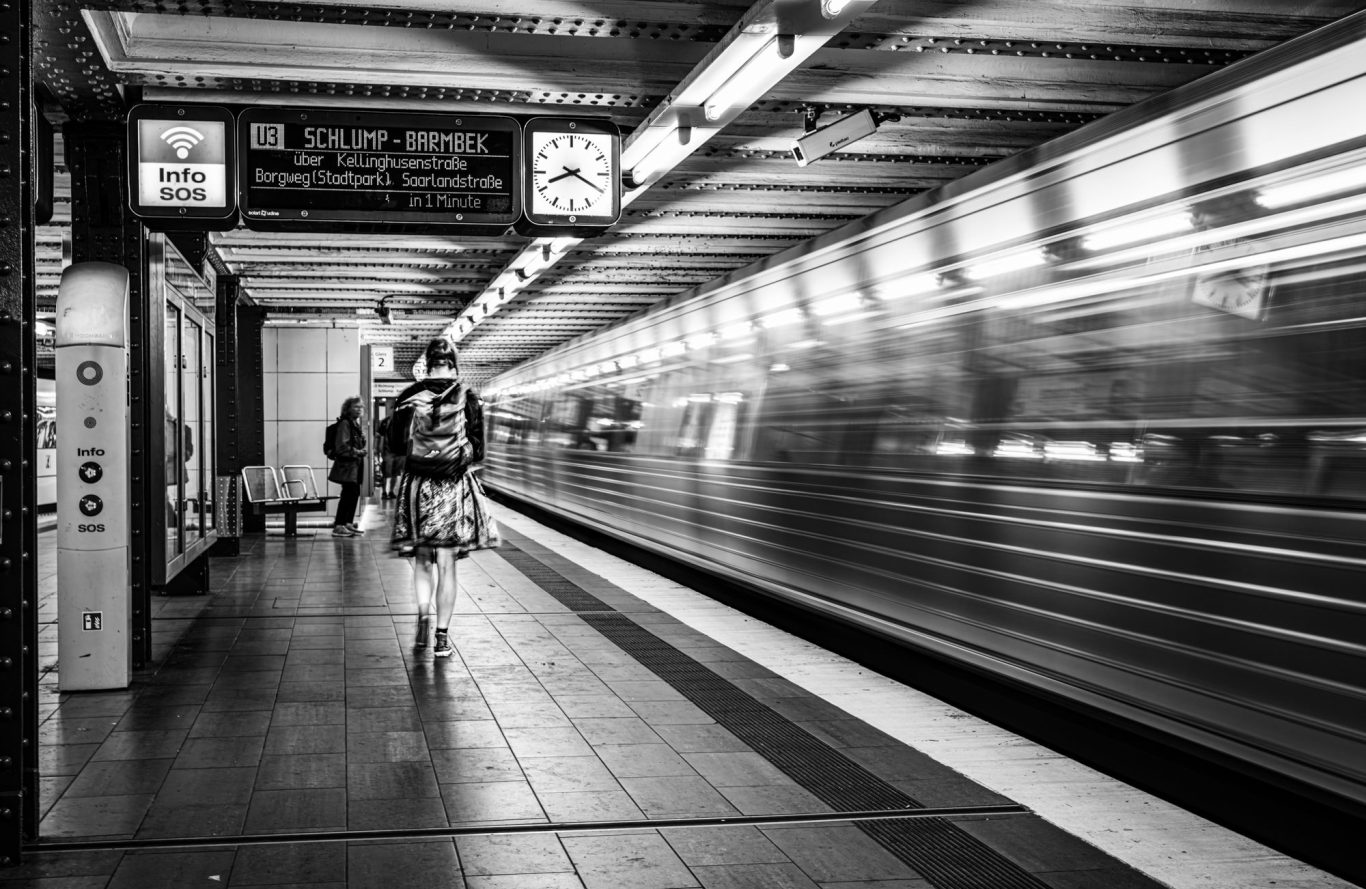
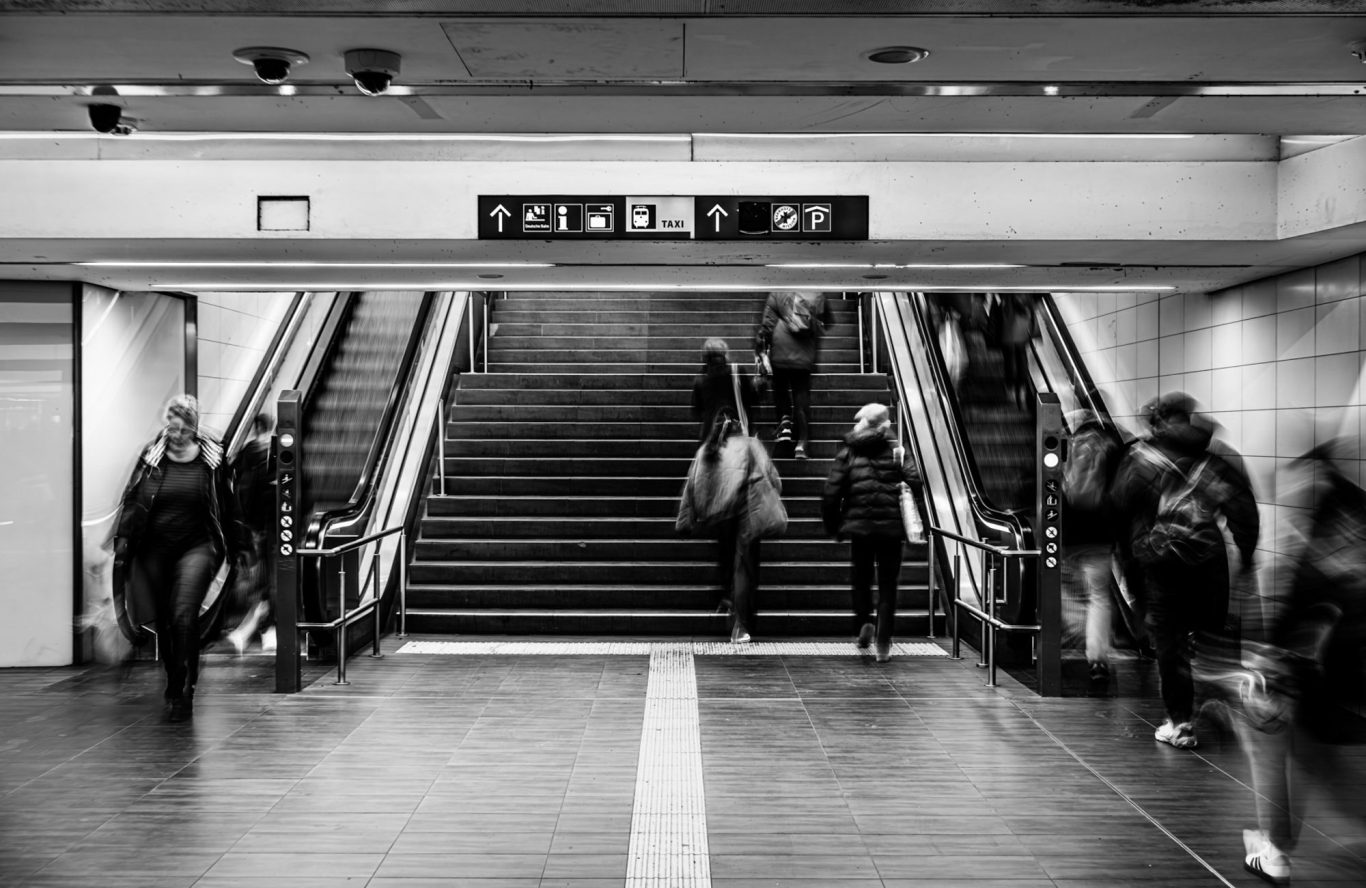
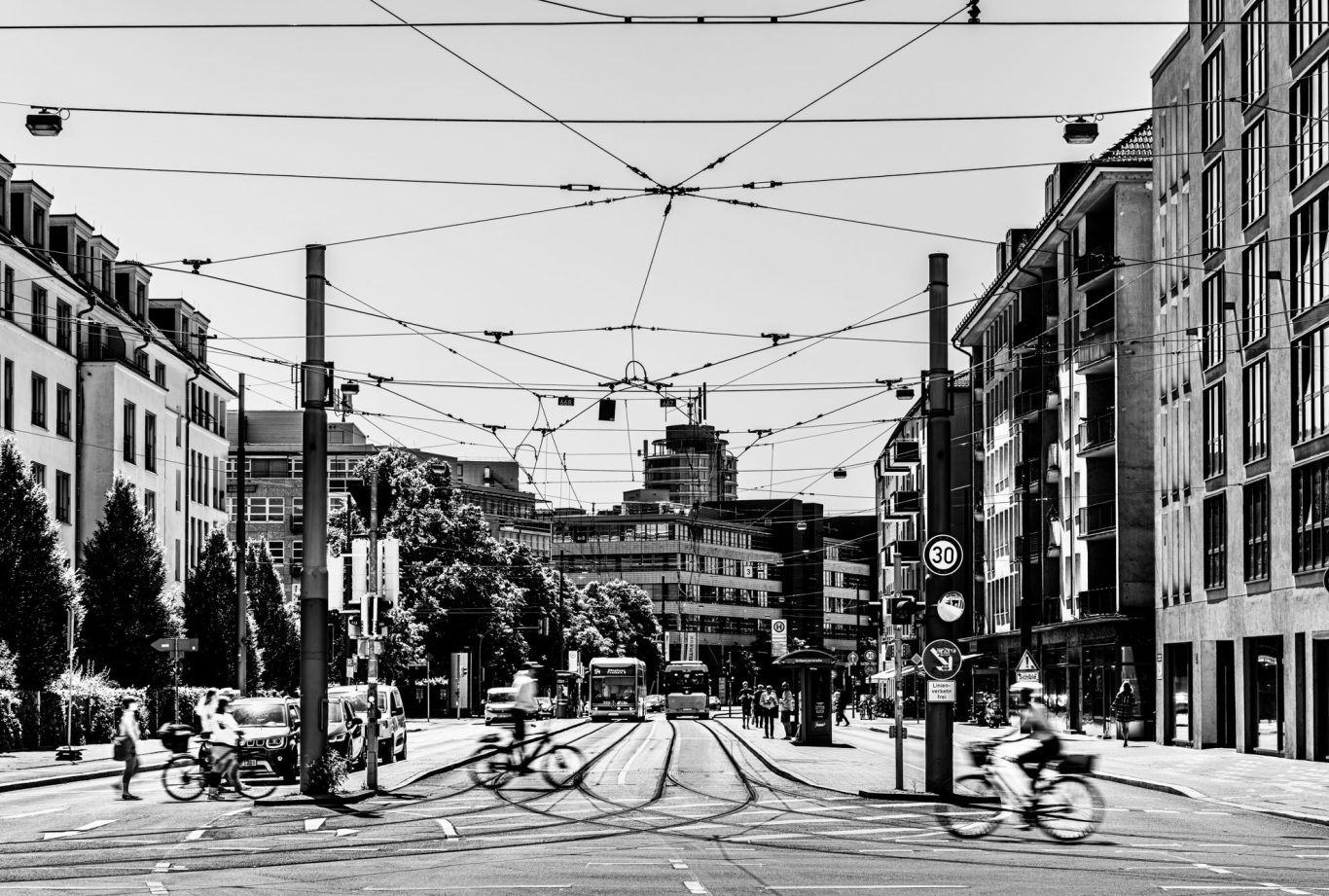
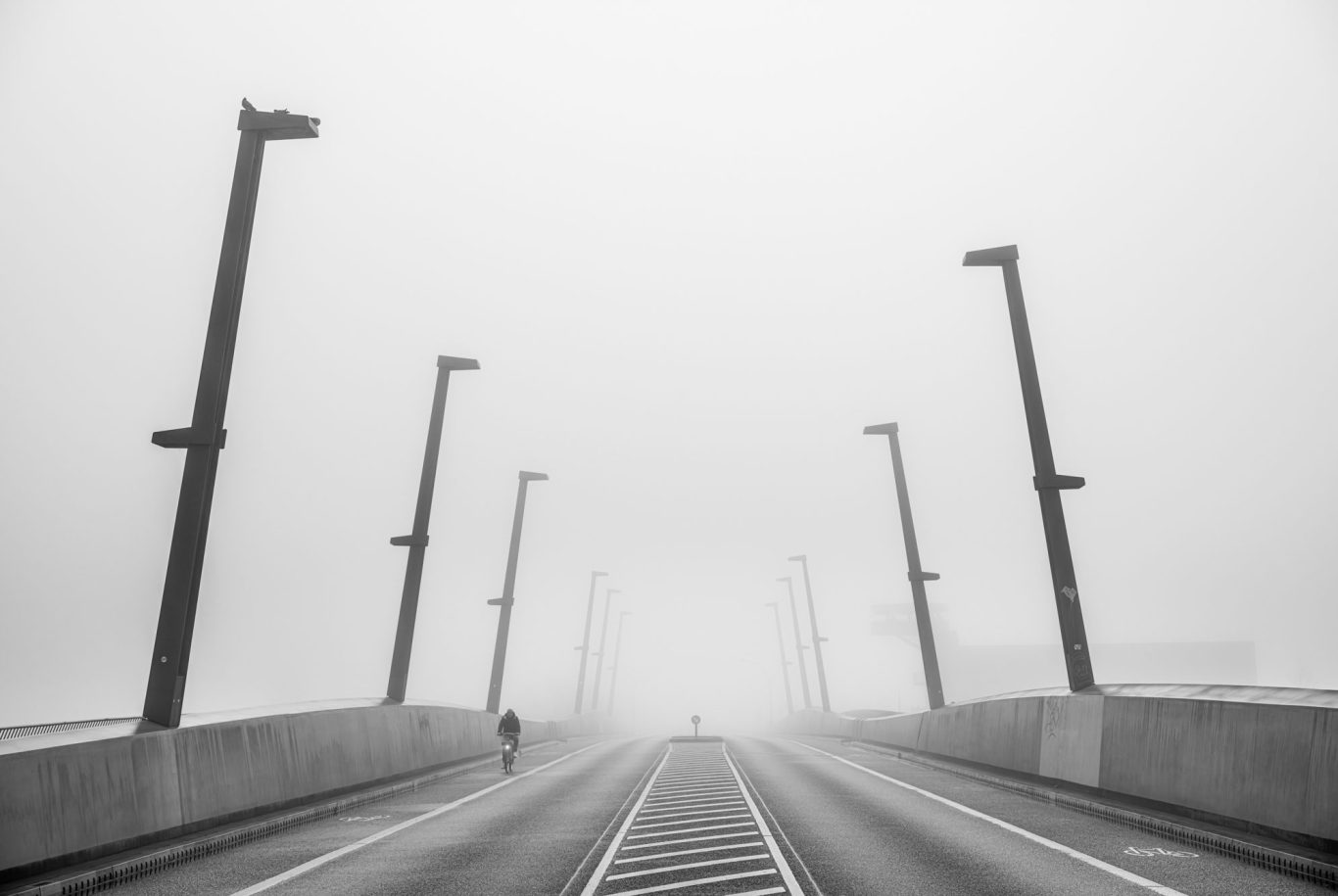
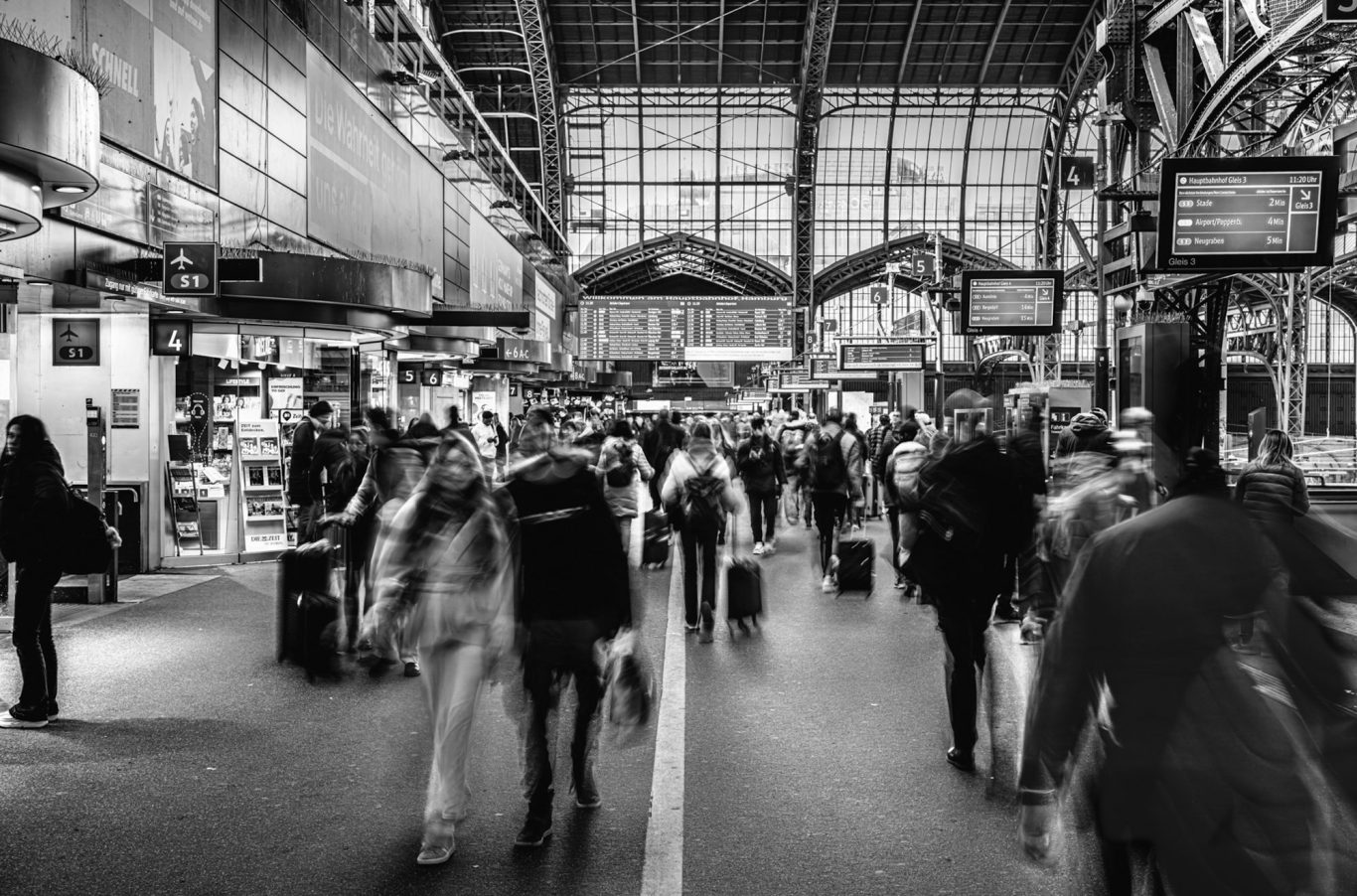
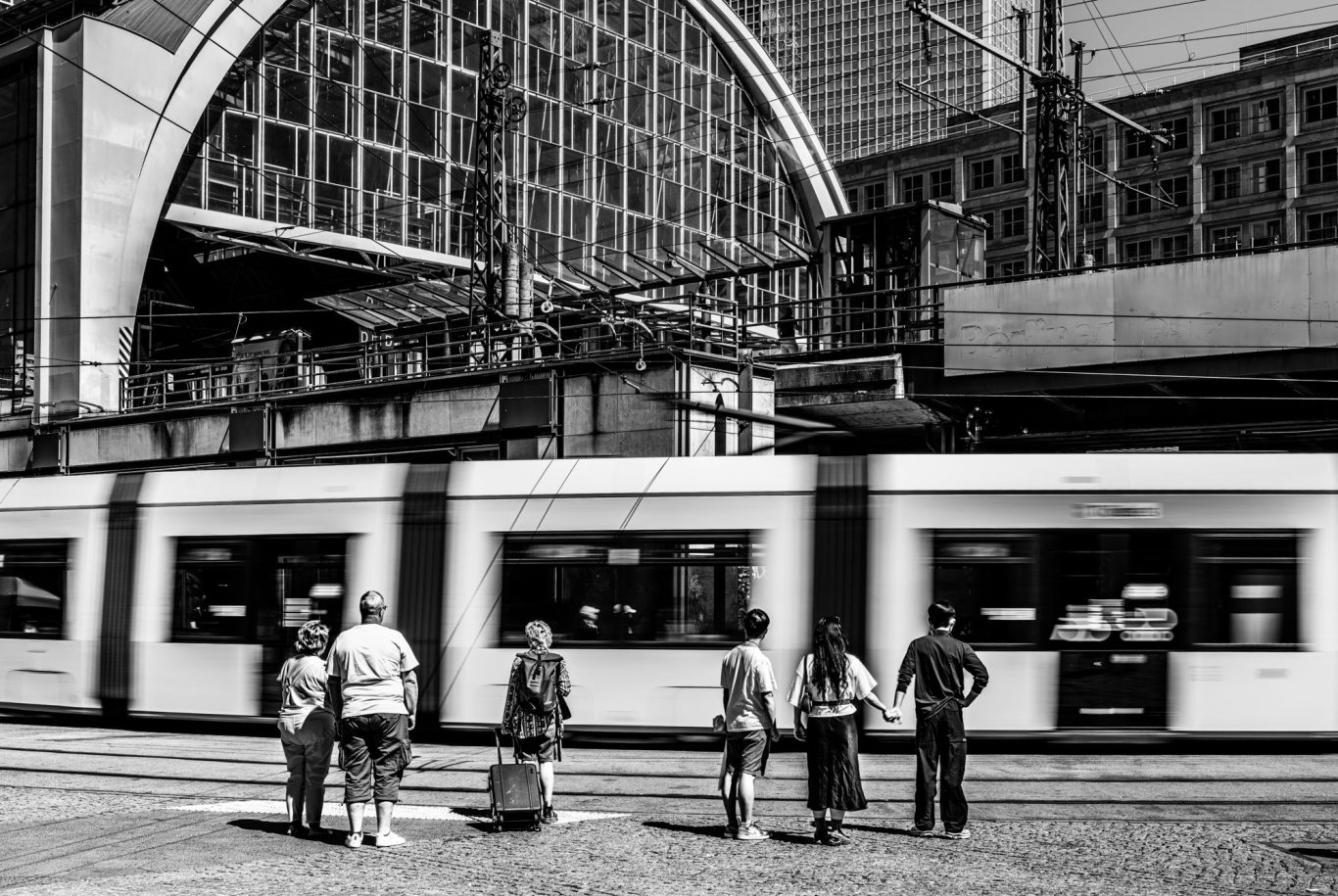
We move inside an order already prepared for movement. Stations, bridges, passages, escalators, crossings and displays shape the flow they make possible.
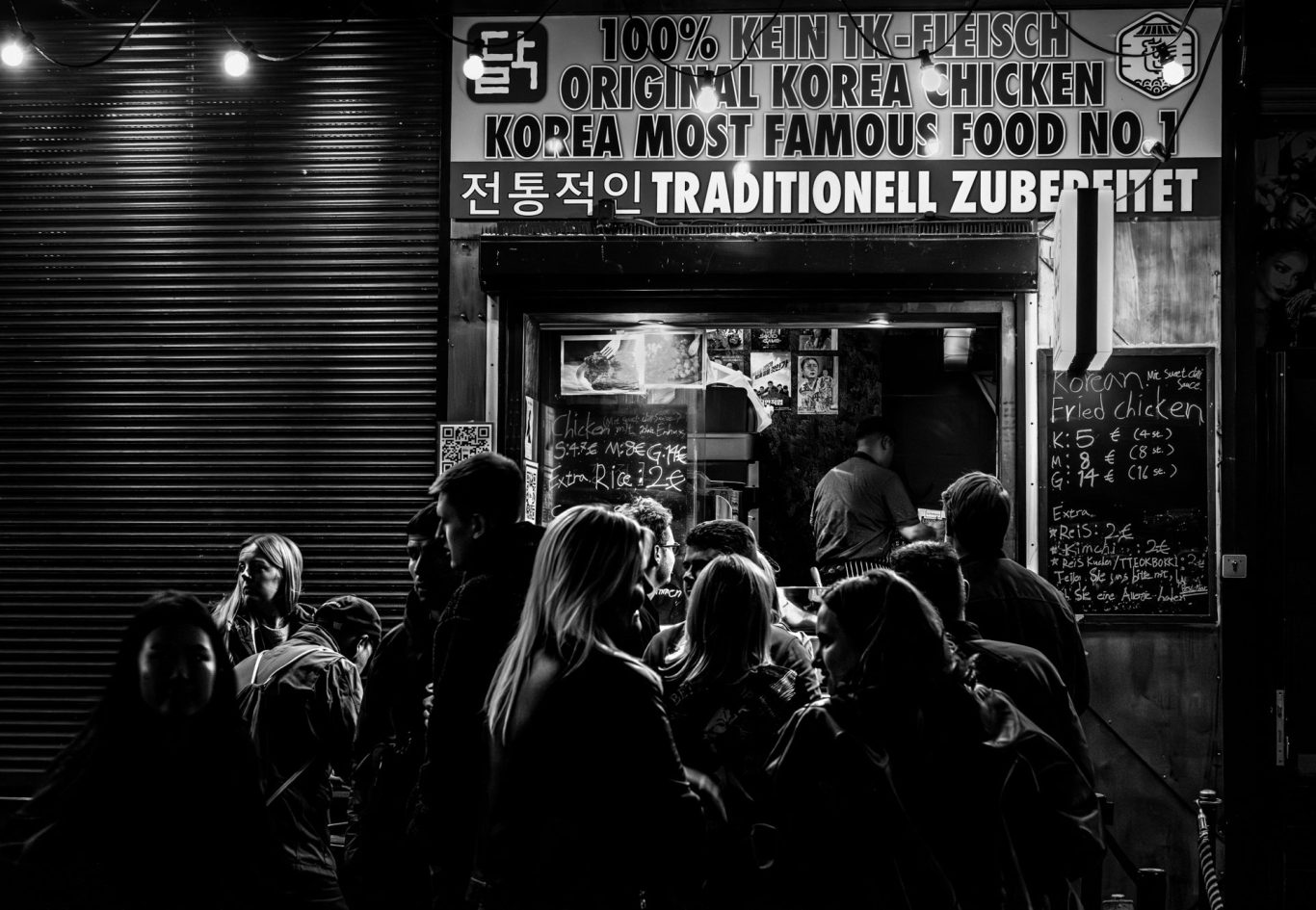
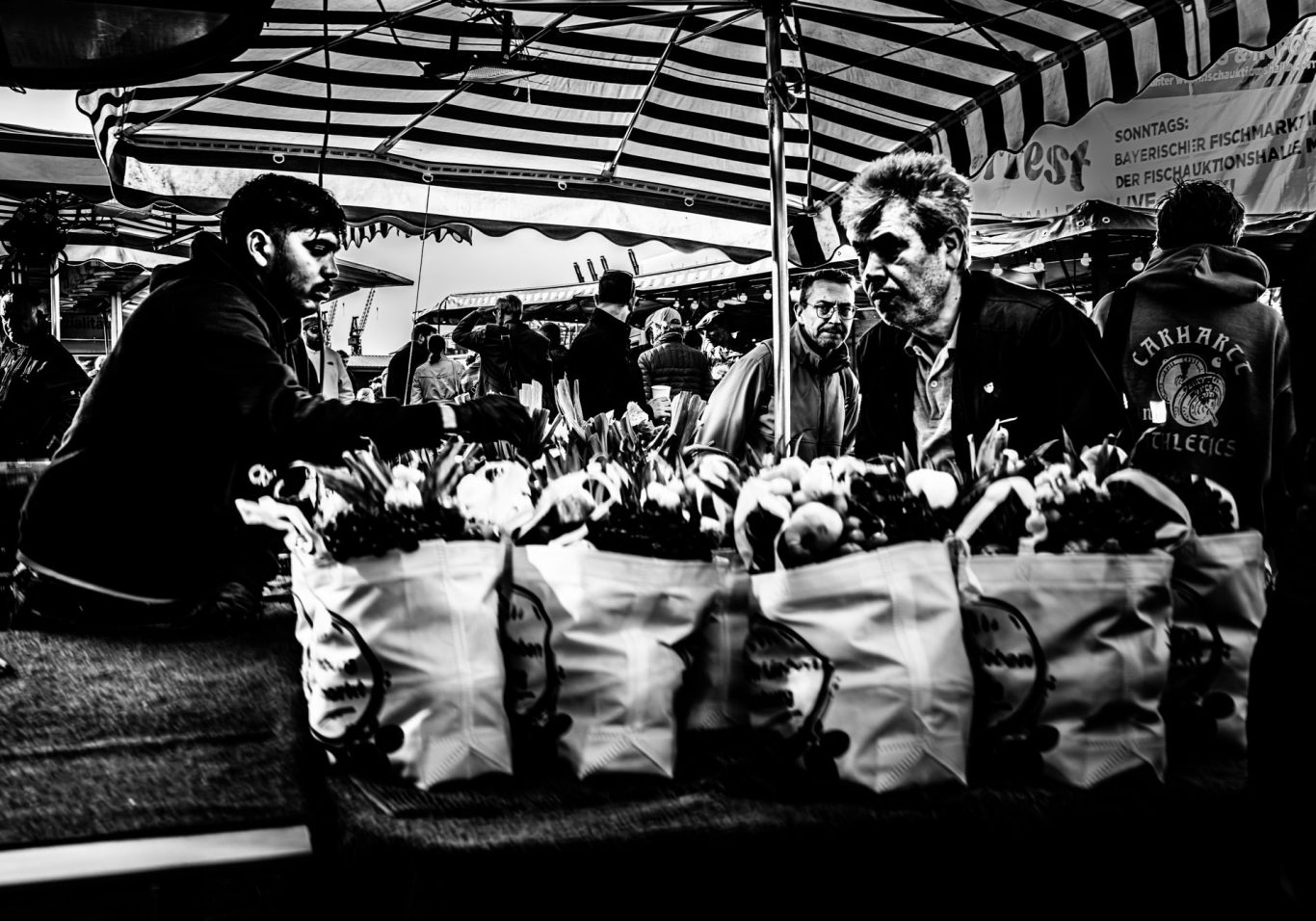
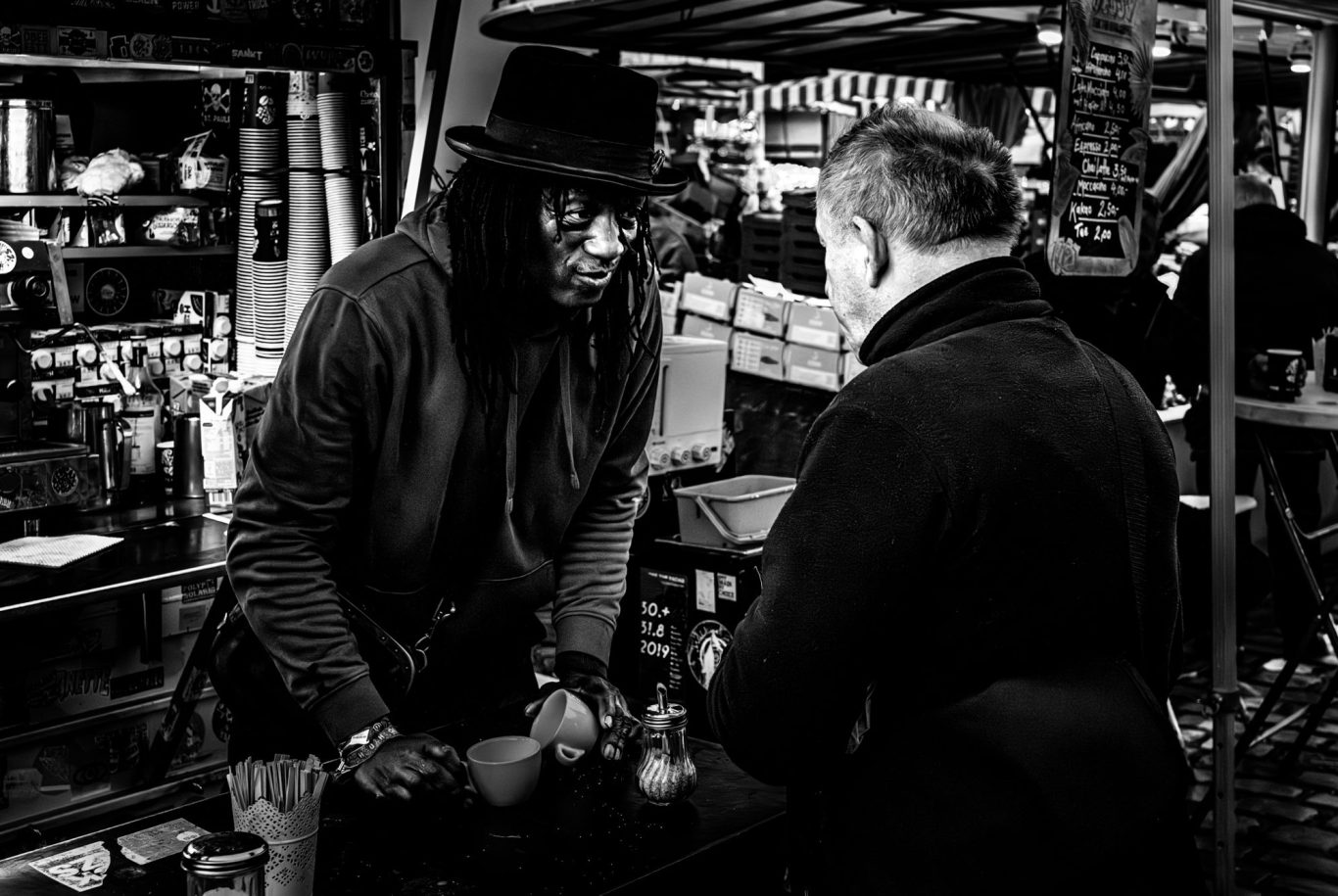
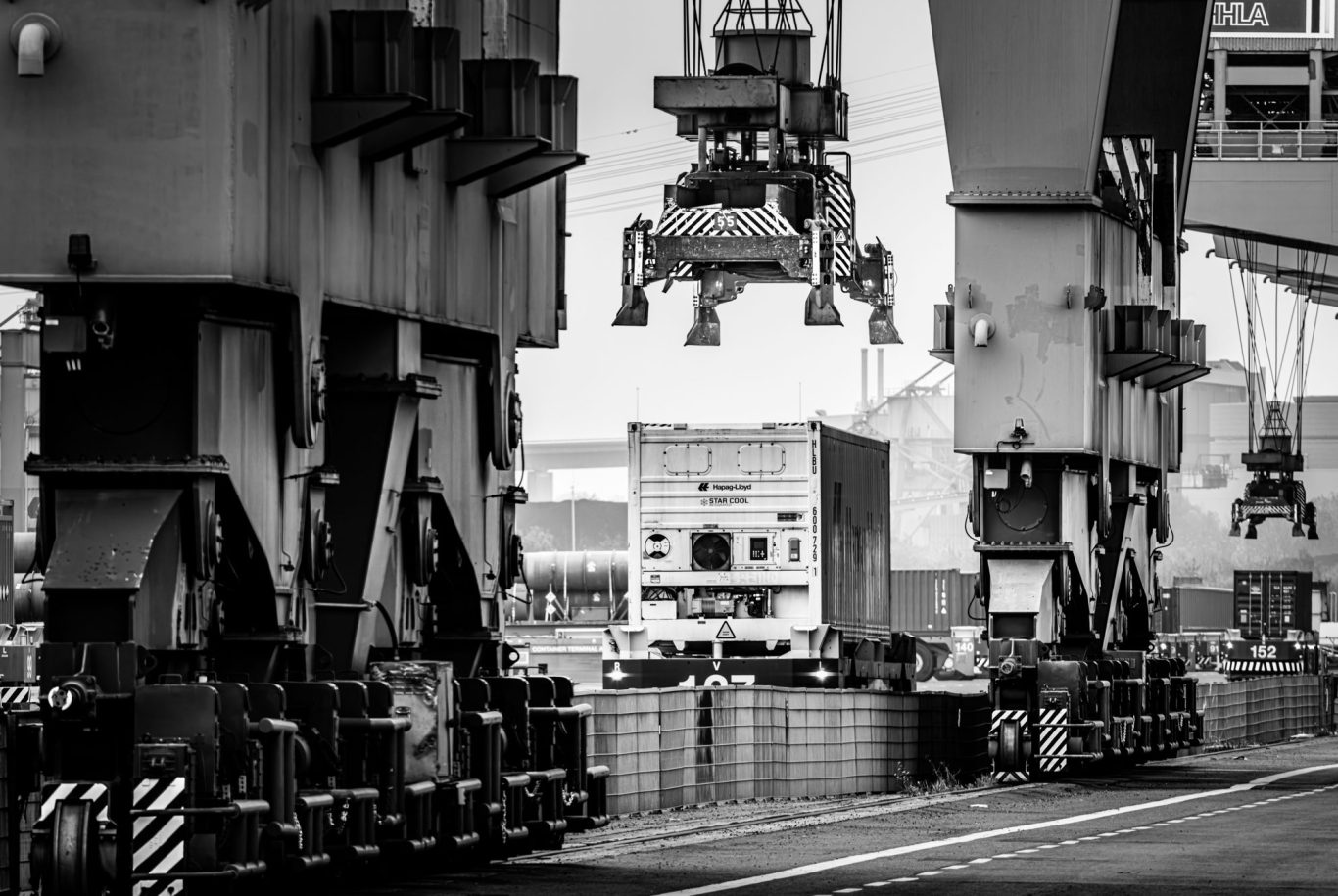
IV. Currents of Exchange
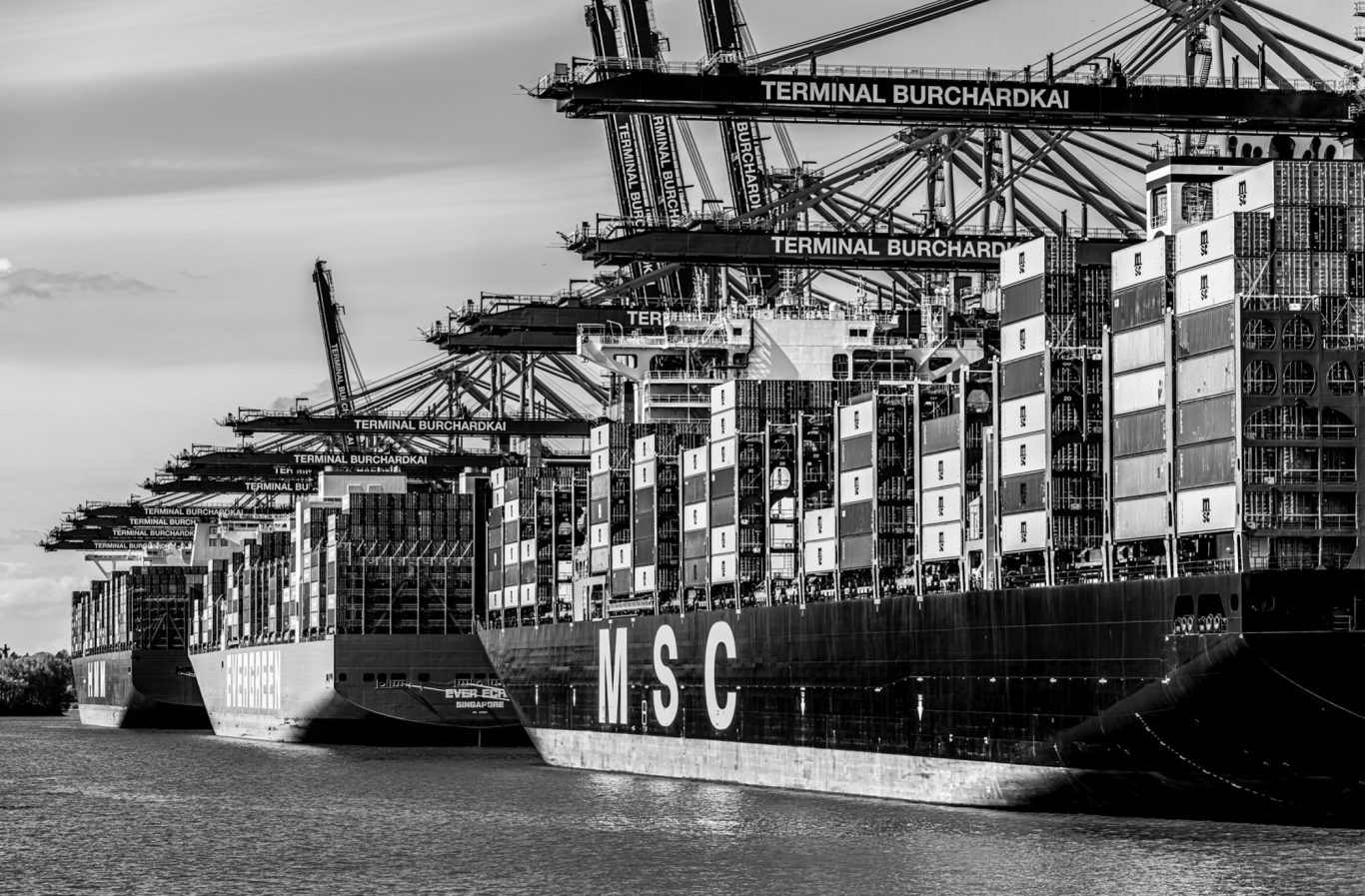
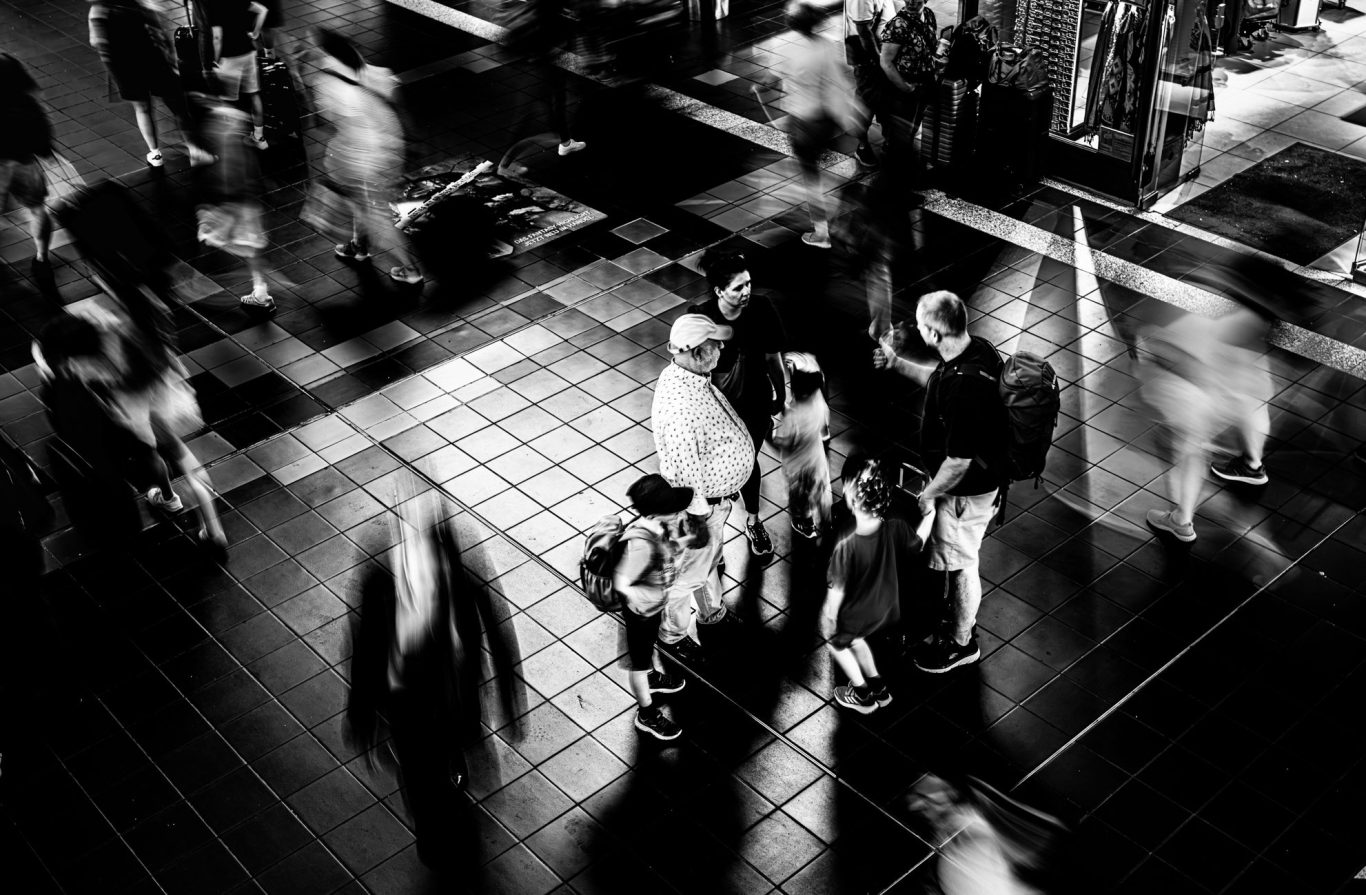
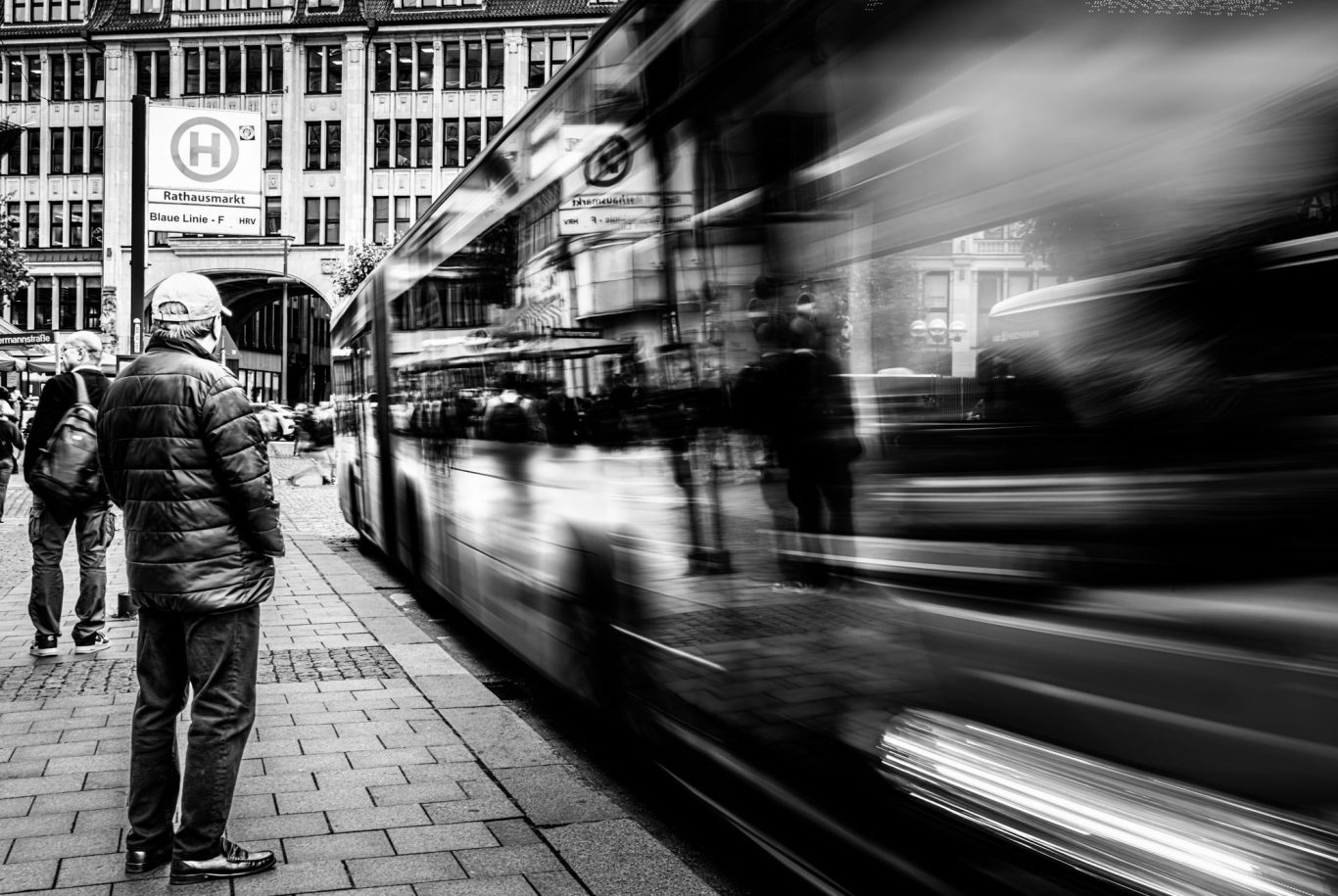
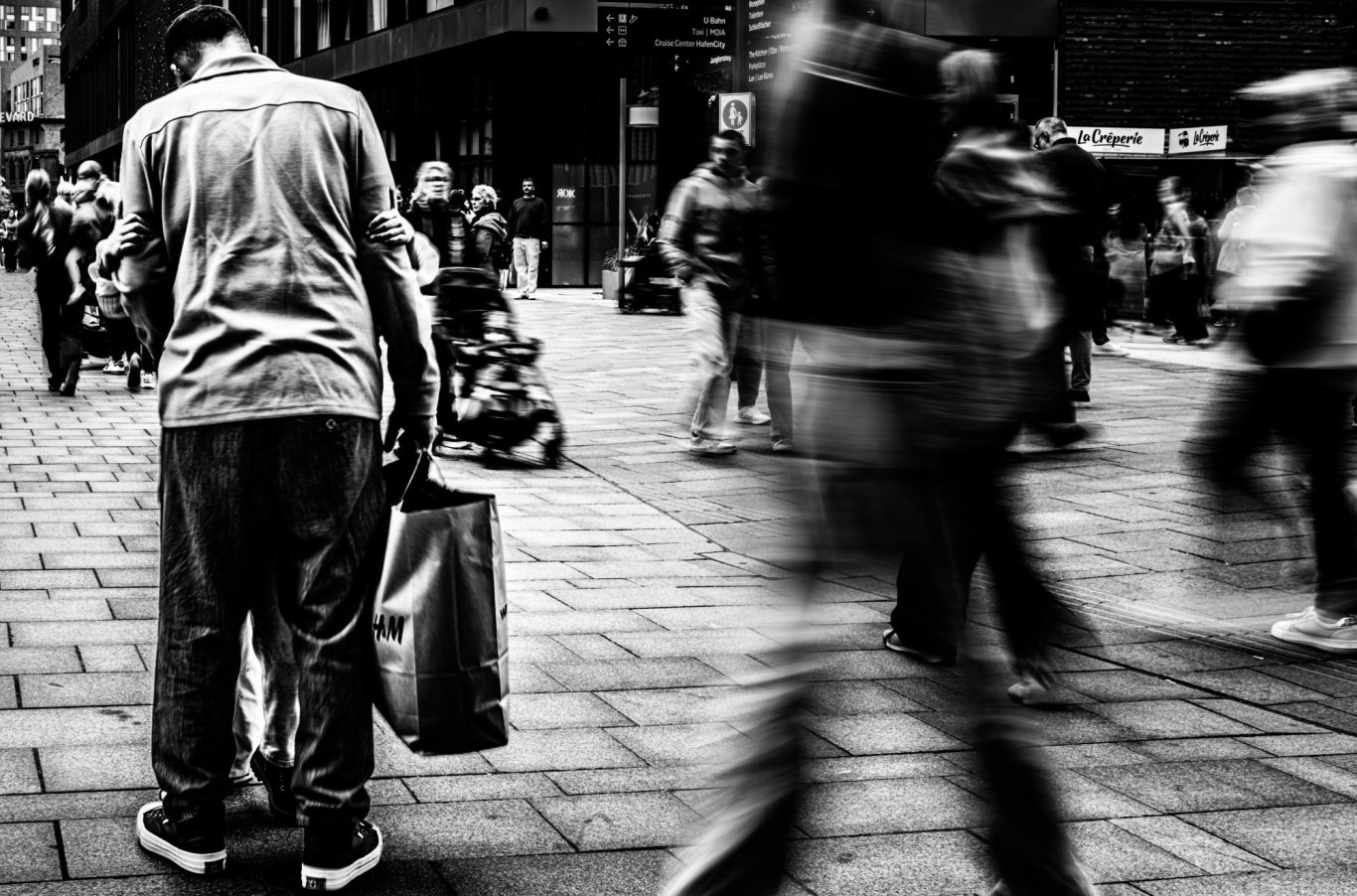
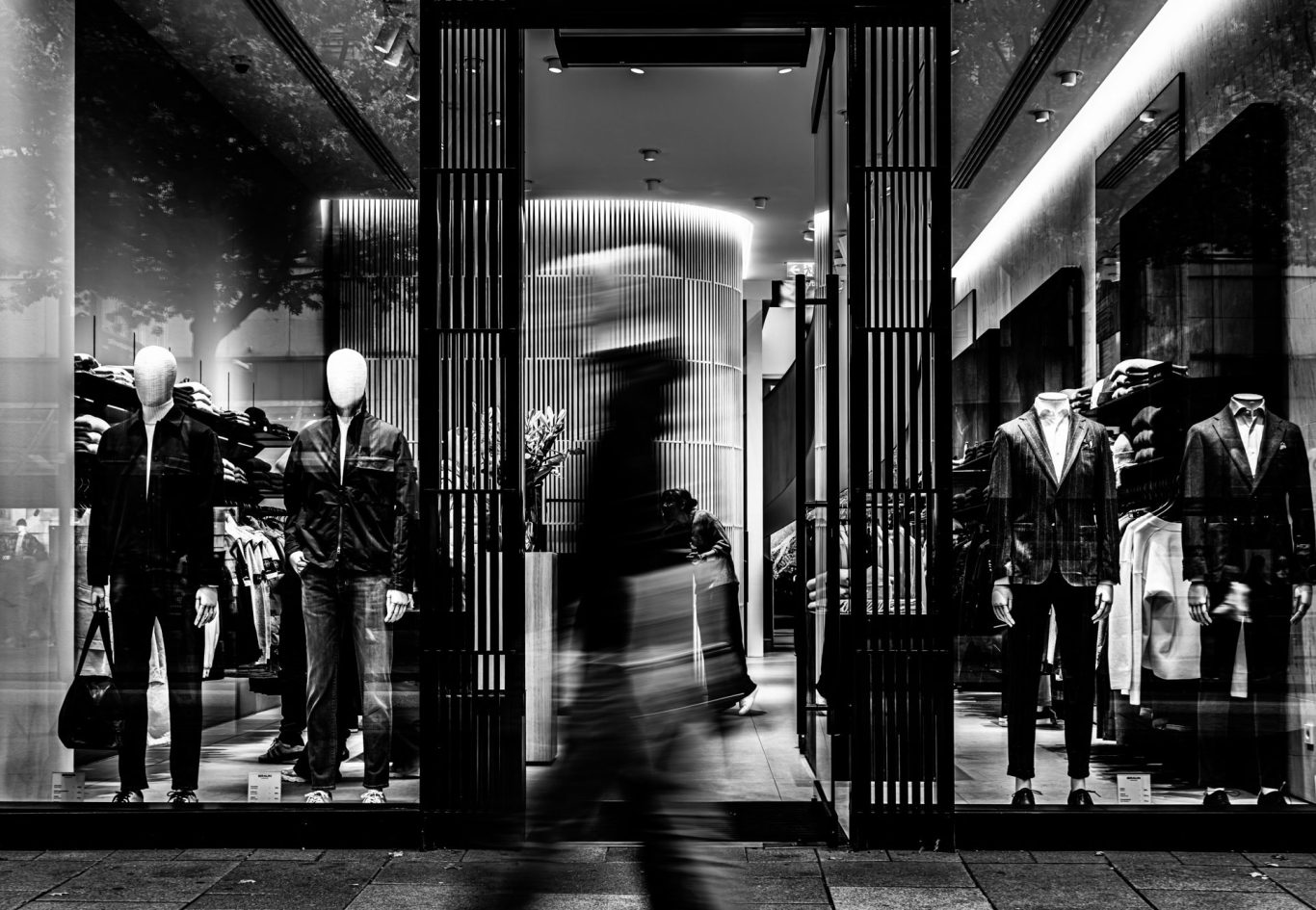
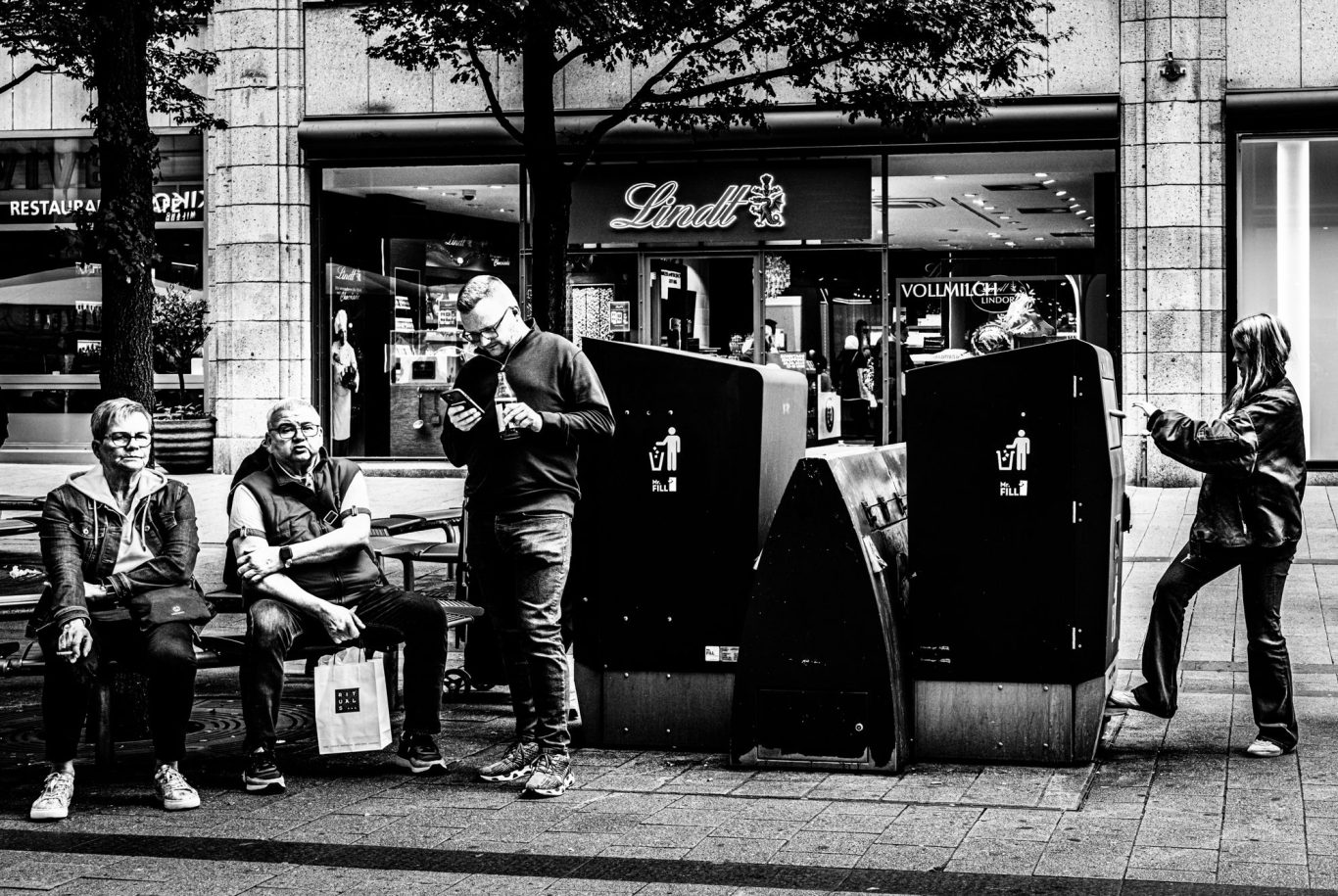
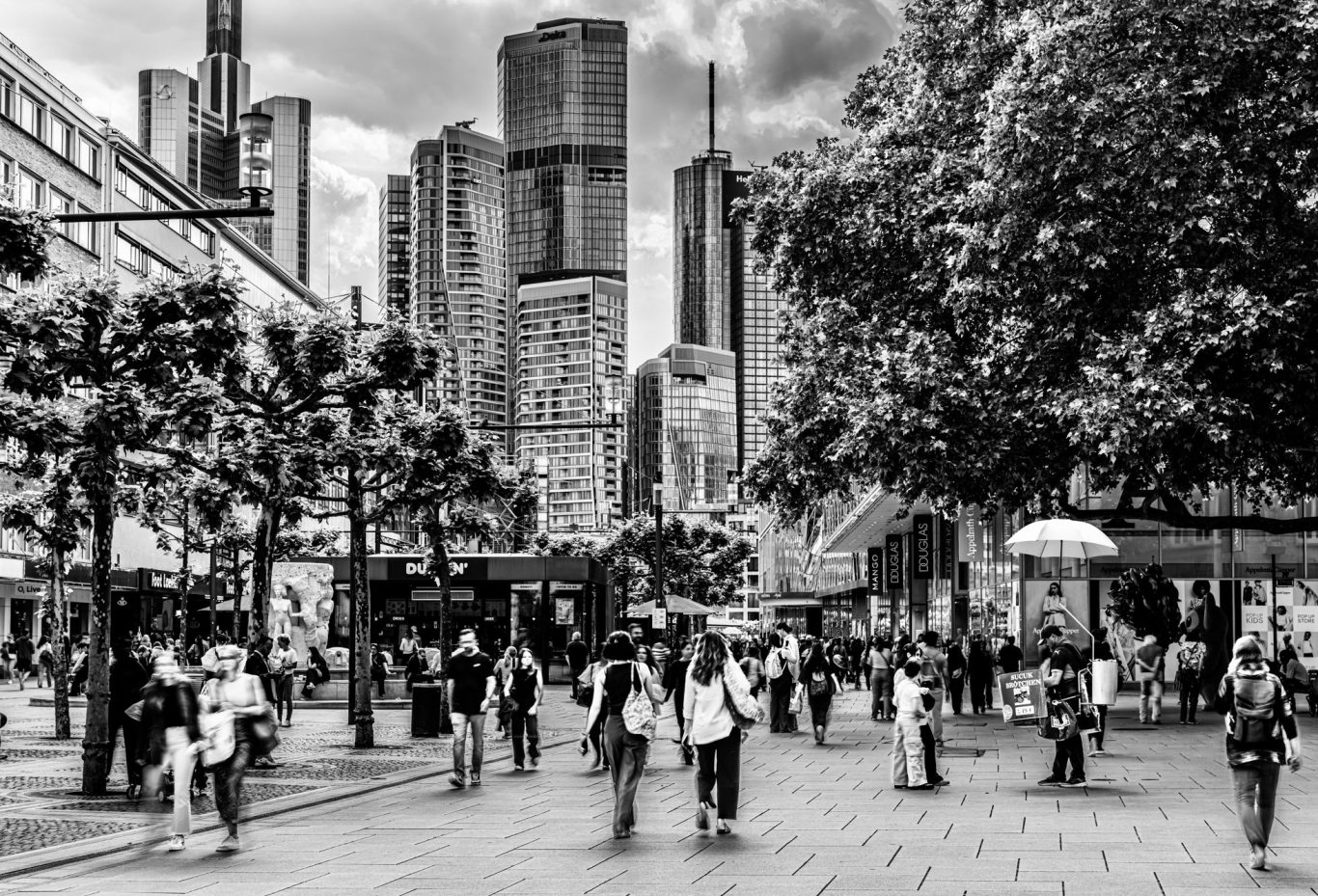
The city is formed through exchange. Goods, bodies, labor, consumption, maintenance and dependency meet within the space we call public.
V. When Reading Breaks
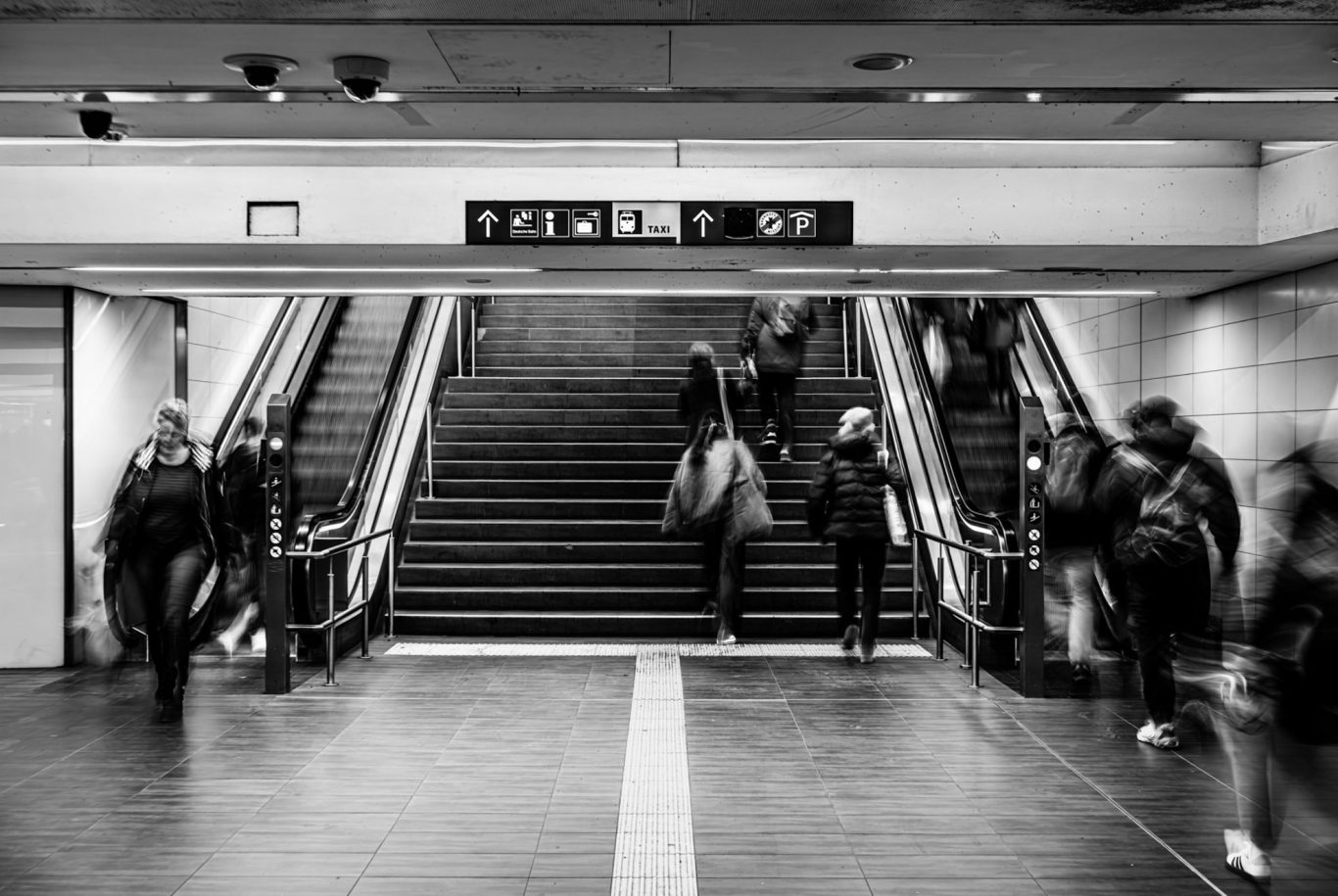
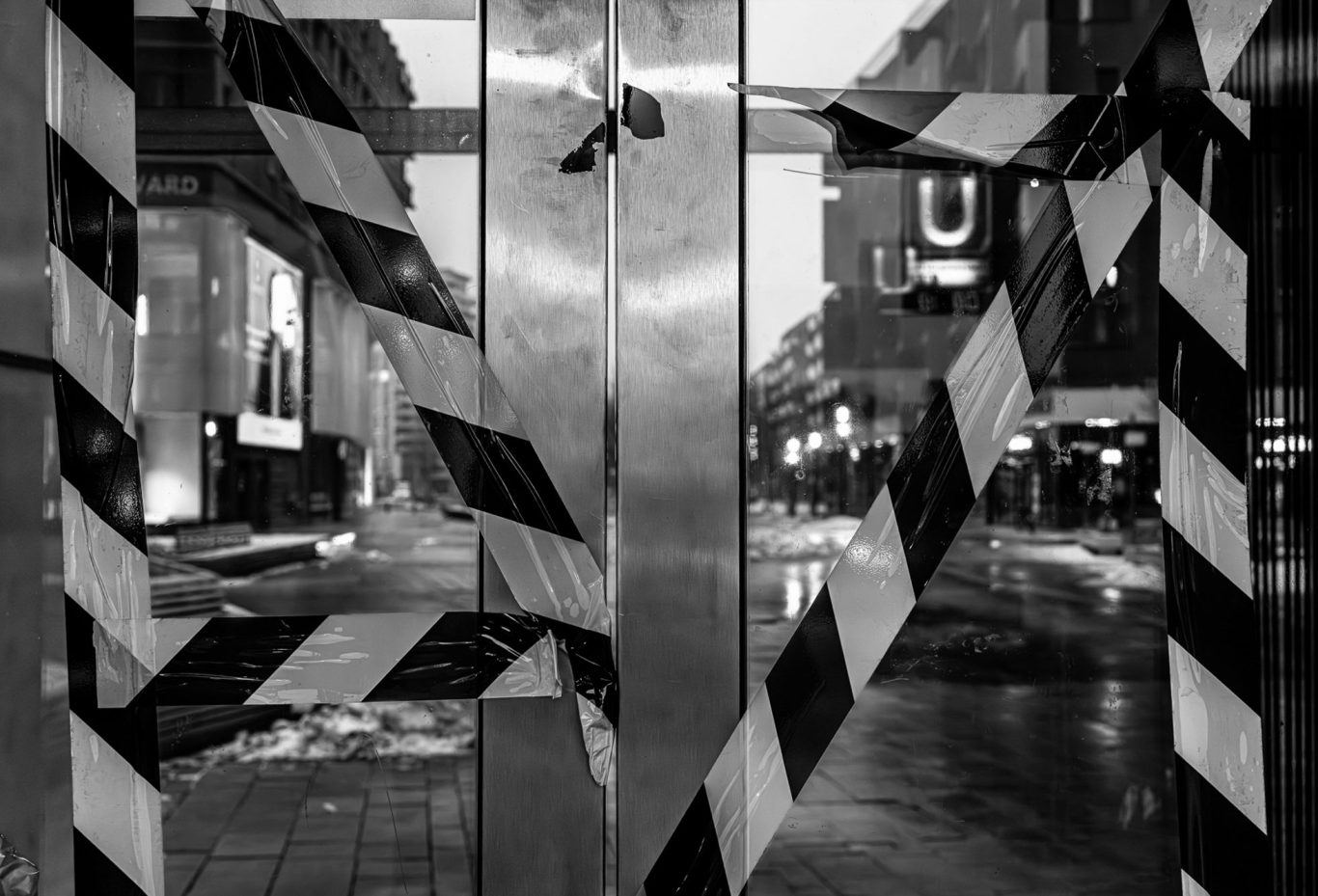
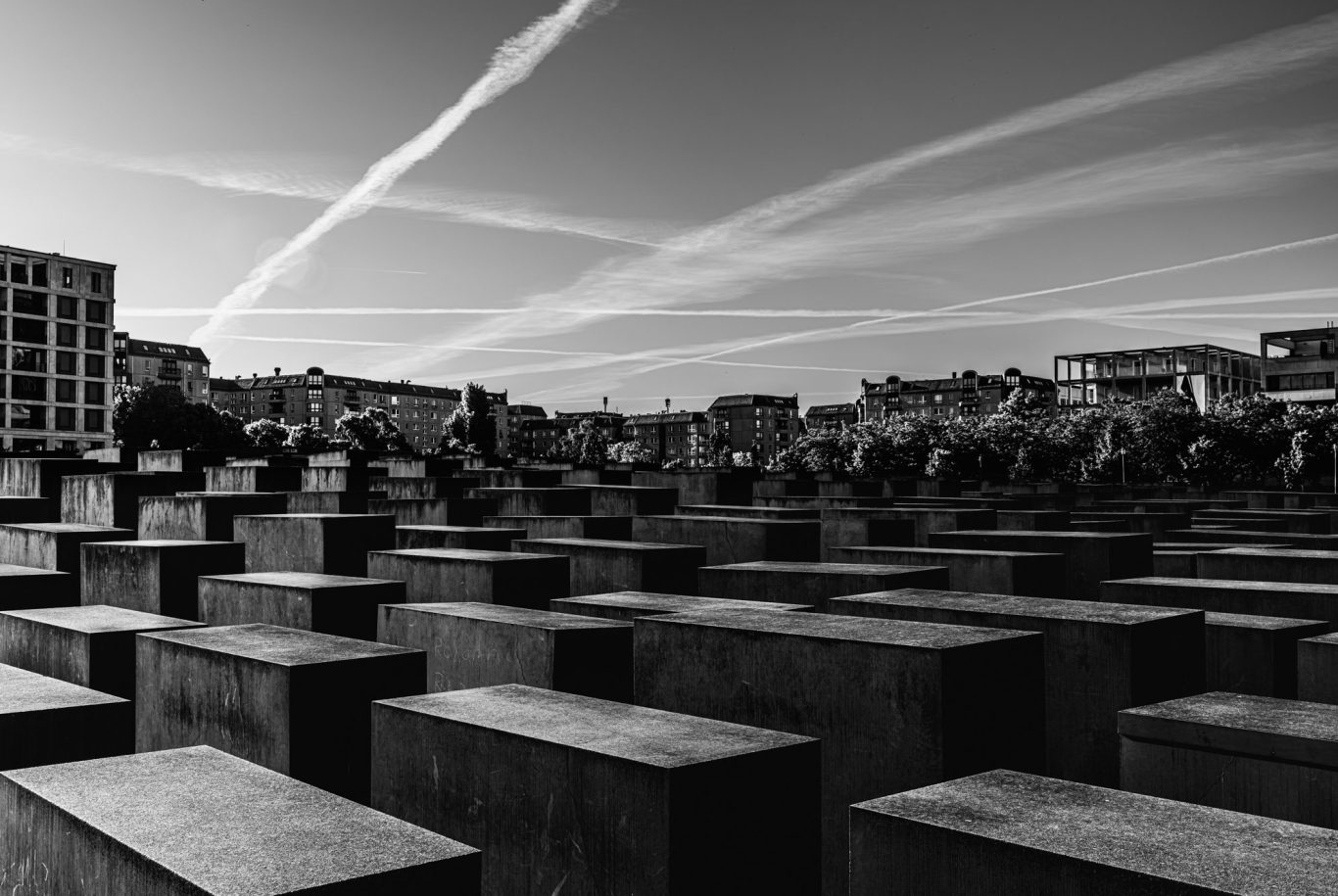
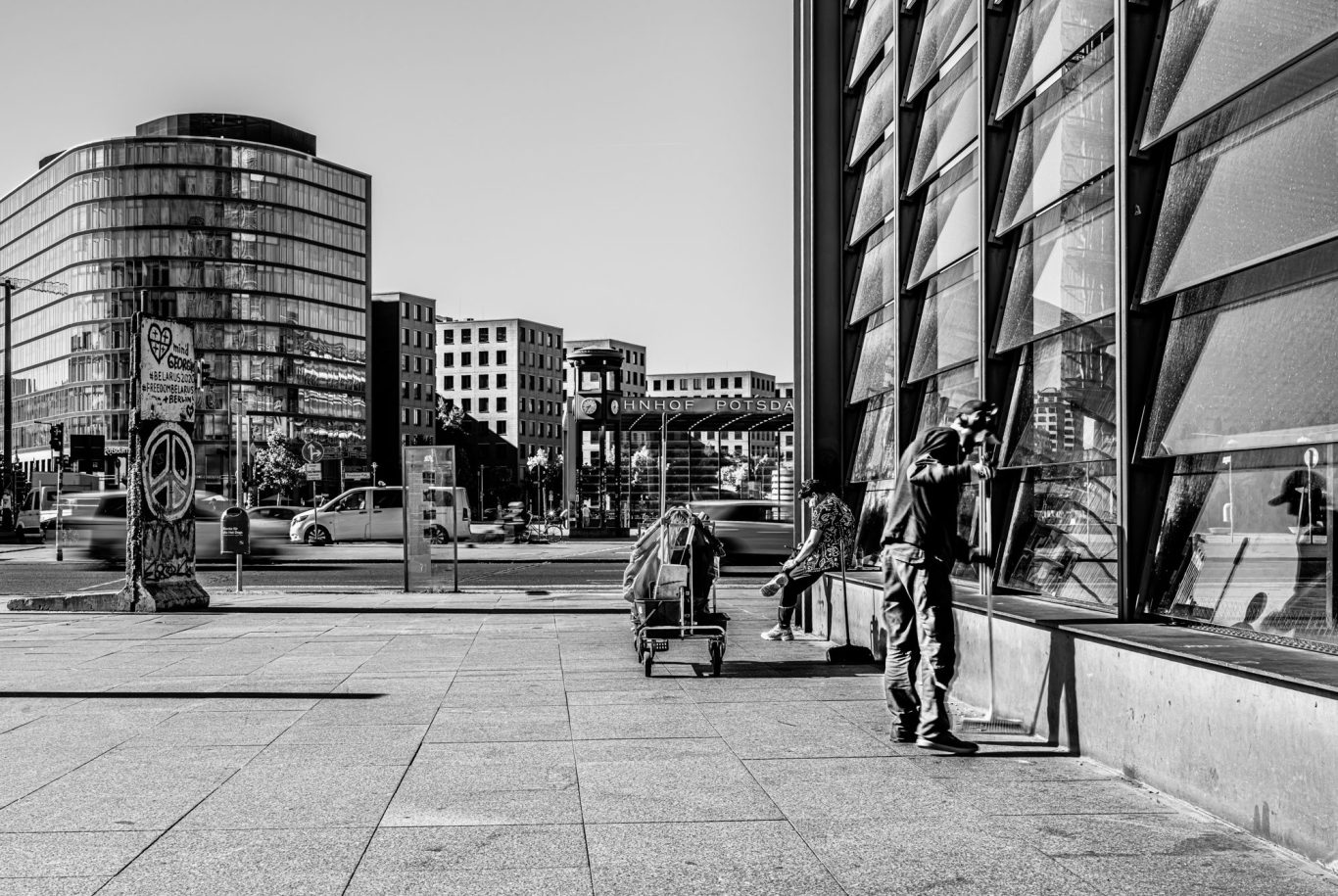
Sometimes the city can no longer be read as a simple system of use. Signs contradict each other, orientation becomes uncertain, and history interrupts function.
VI. What Remains of Us
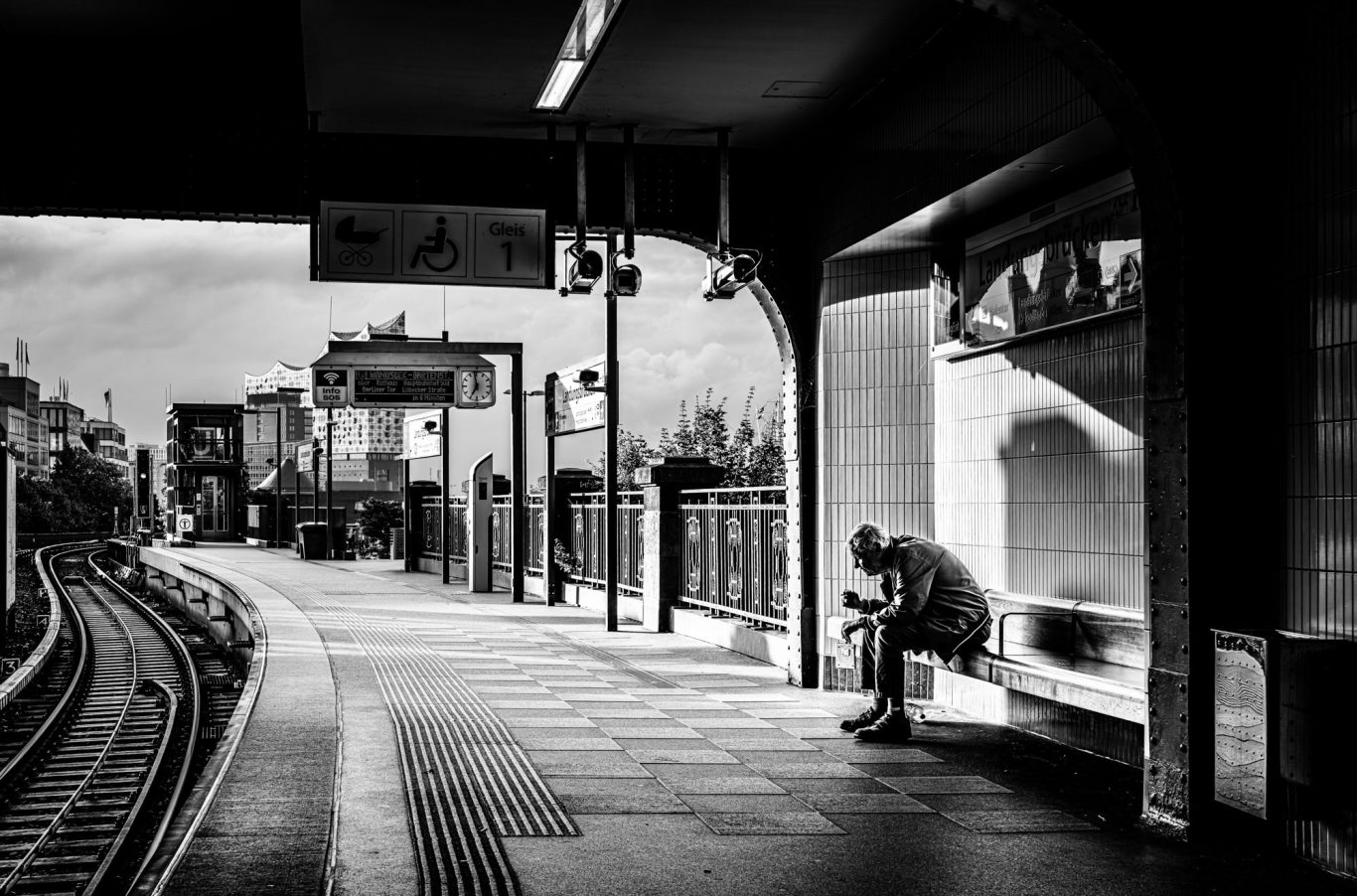
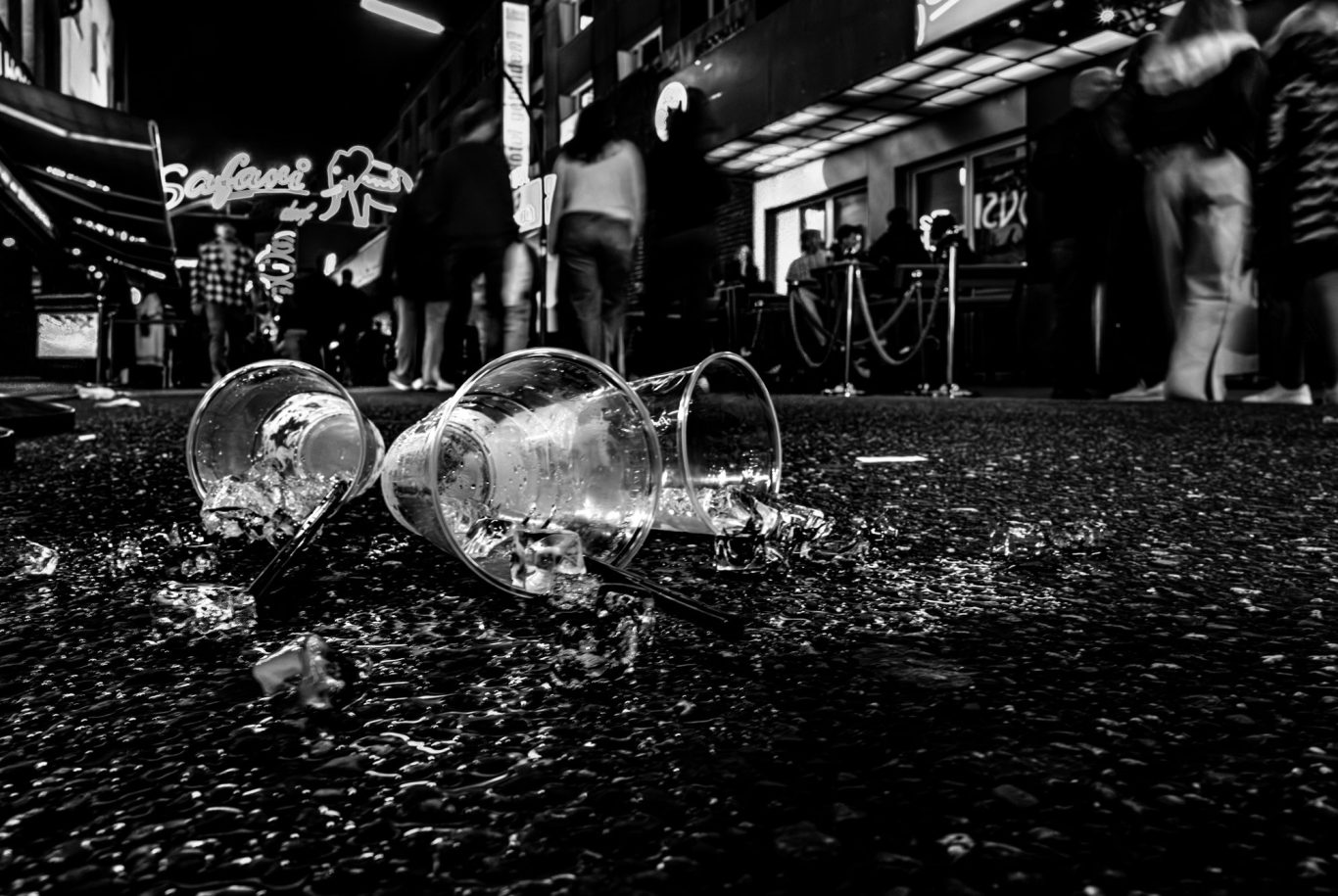
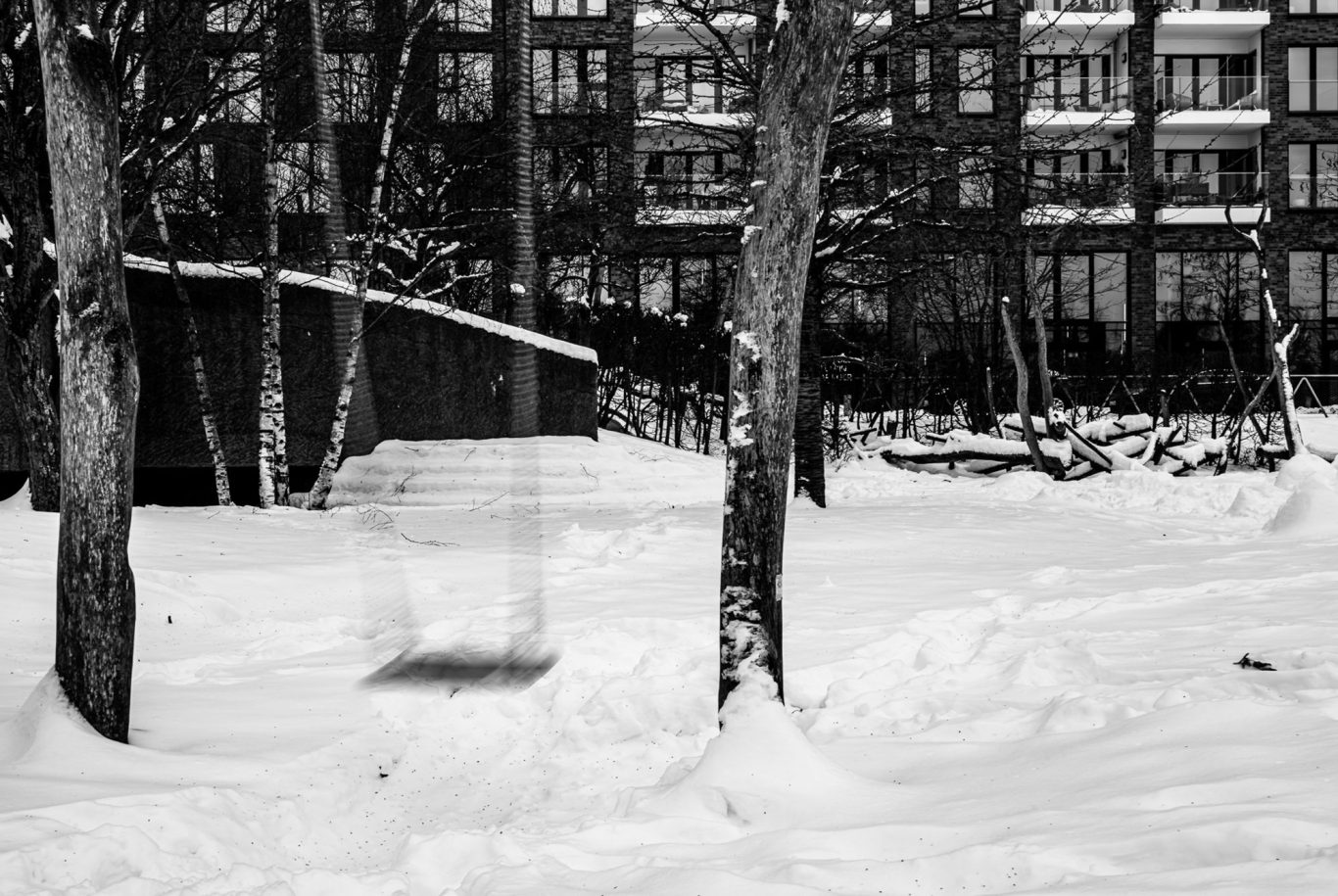
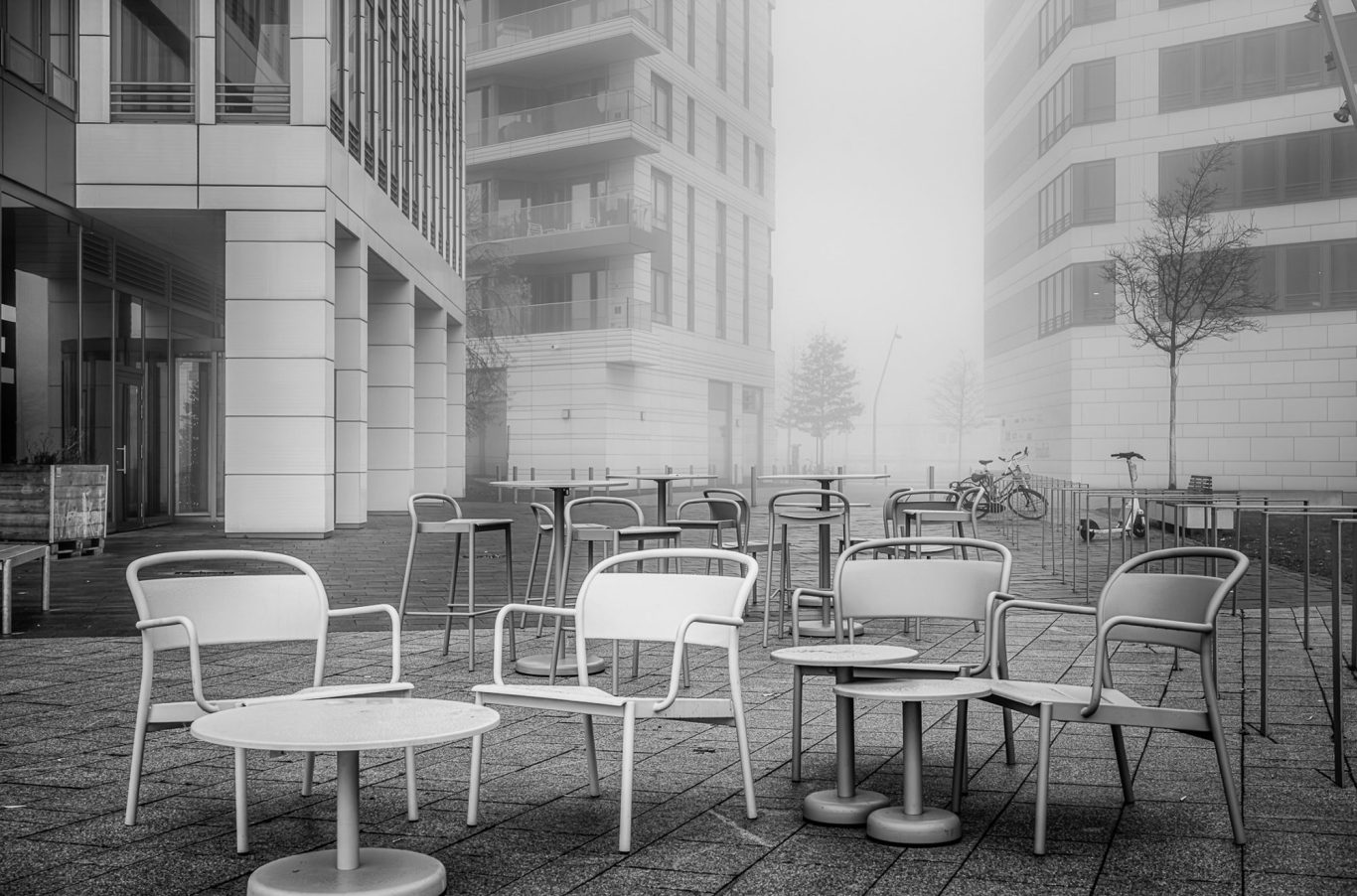
After movement, something remains: a used surface, an empty seat, a waiting cart, a sign that continues to address someone, a space after presence.
VII. The City Returns
The city returns, but never unchanged. Construction sites, repairs, detours and service work reveal a city that is never finished, only carried forward.
Perhaps return means entering the same city once more — with the knowledge that it is also our own result.