Chapter 4 –Pulse of Congestion
Pulse of Congestion explores the choreography of urban traffic as a system of constant movement, interruption, and delay. Streets, rails, platforms, and crossings become sites where acceleration repeatedly collapses into standstill — where rhythm persists, but flow fractures.
Through black-and-white compositions of transit infrastructures and human transitions, congestion is not depicted as anomaly or failure, but as a structural condition of contemporary urban life. Movement accumulates, overlaps, and stalls, revealing a pulse driven by urgency yet constrained by systemic inertia.
Each frame captures the fragile tension between intention and obstruction — between bodies in motion and systems that absorb, redirect, or suspend them. Time thickens, distances shorten, and progress becomes circular rather than linear.
In Pulse of Congestion, urban rhythm is neither chaos nor harmony, but compression: a visual study of how modern systems sustain themselves through friction, repetition, and delay.
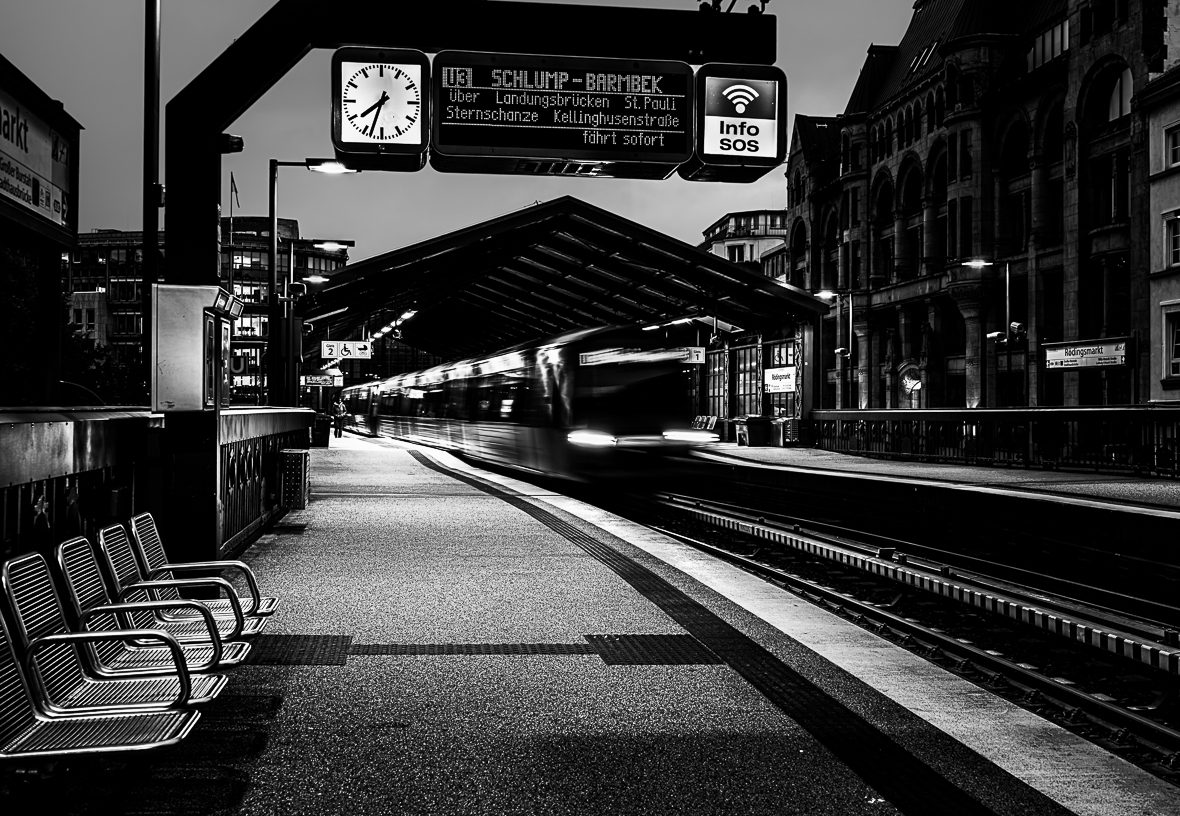
Measured Departure
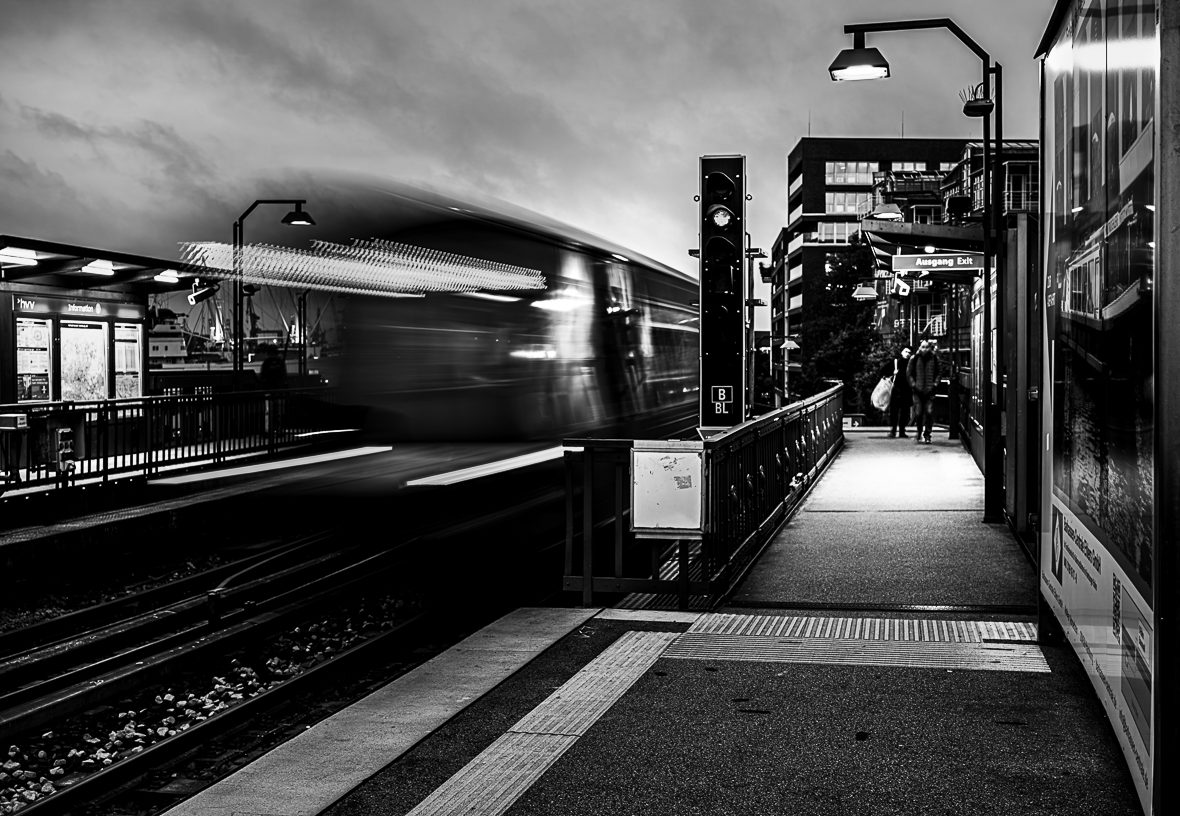
Flow Regulated
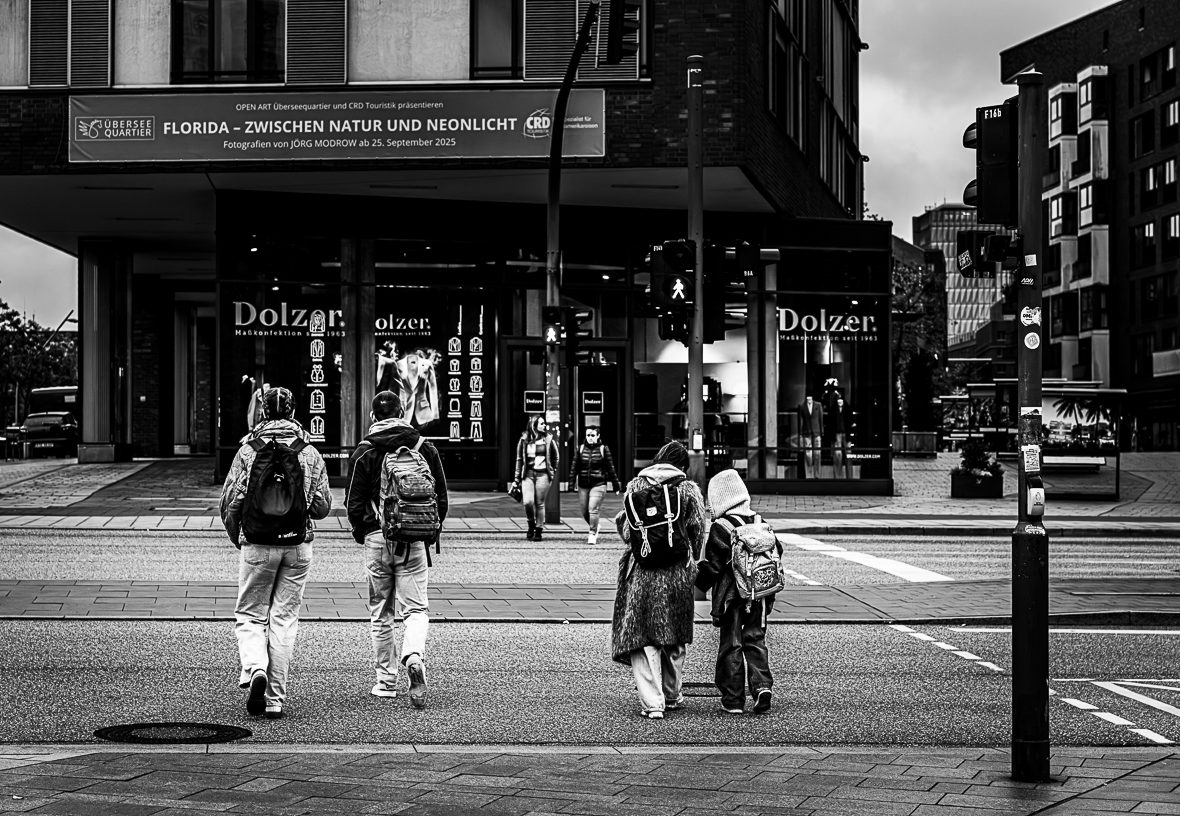
Regulated Crossing
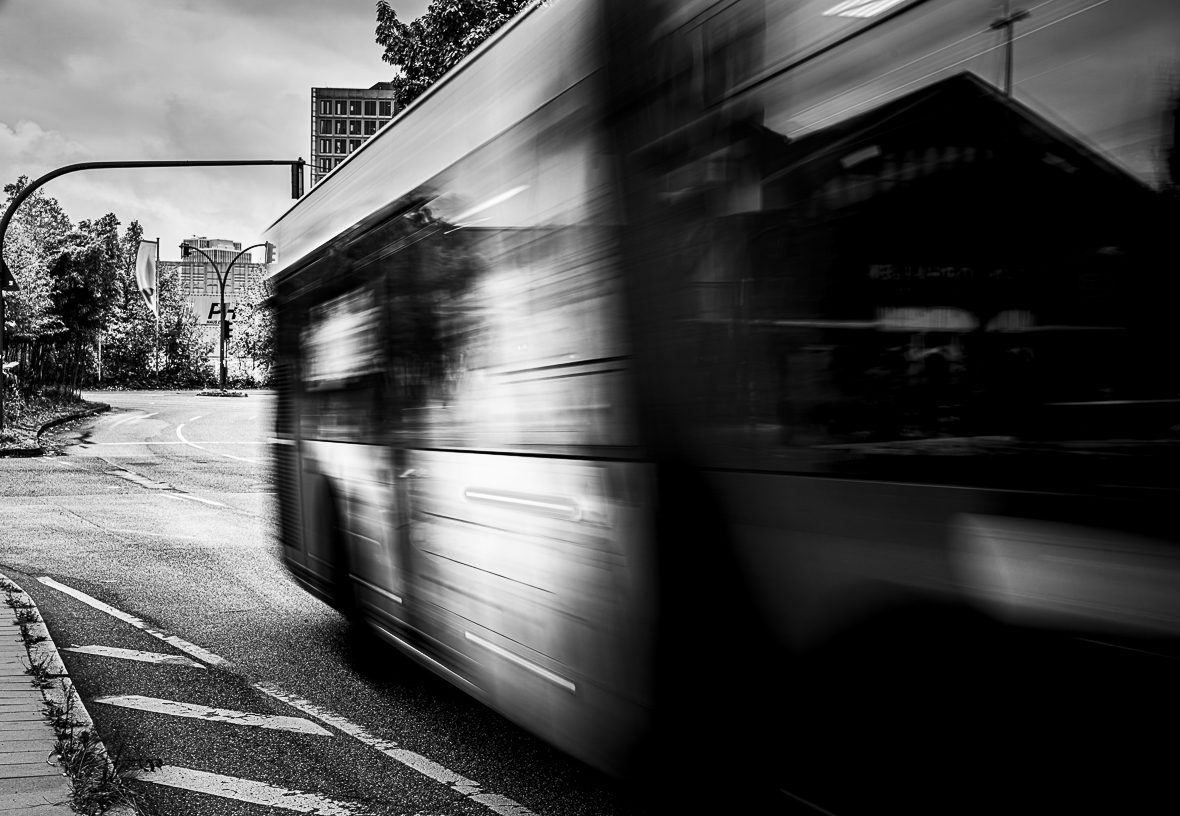
Compressed Motion
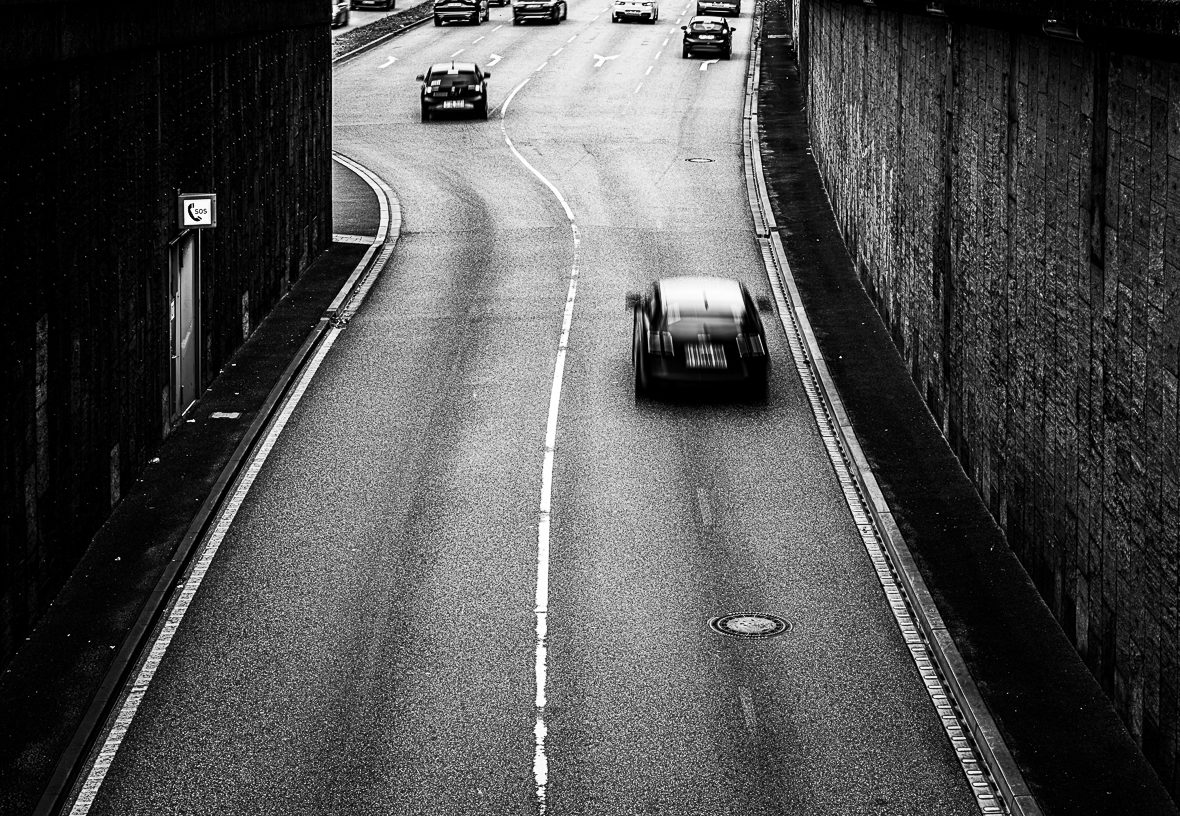
Monitored Flow
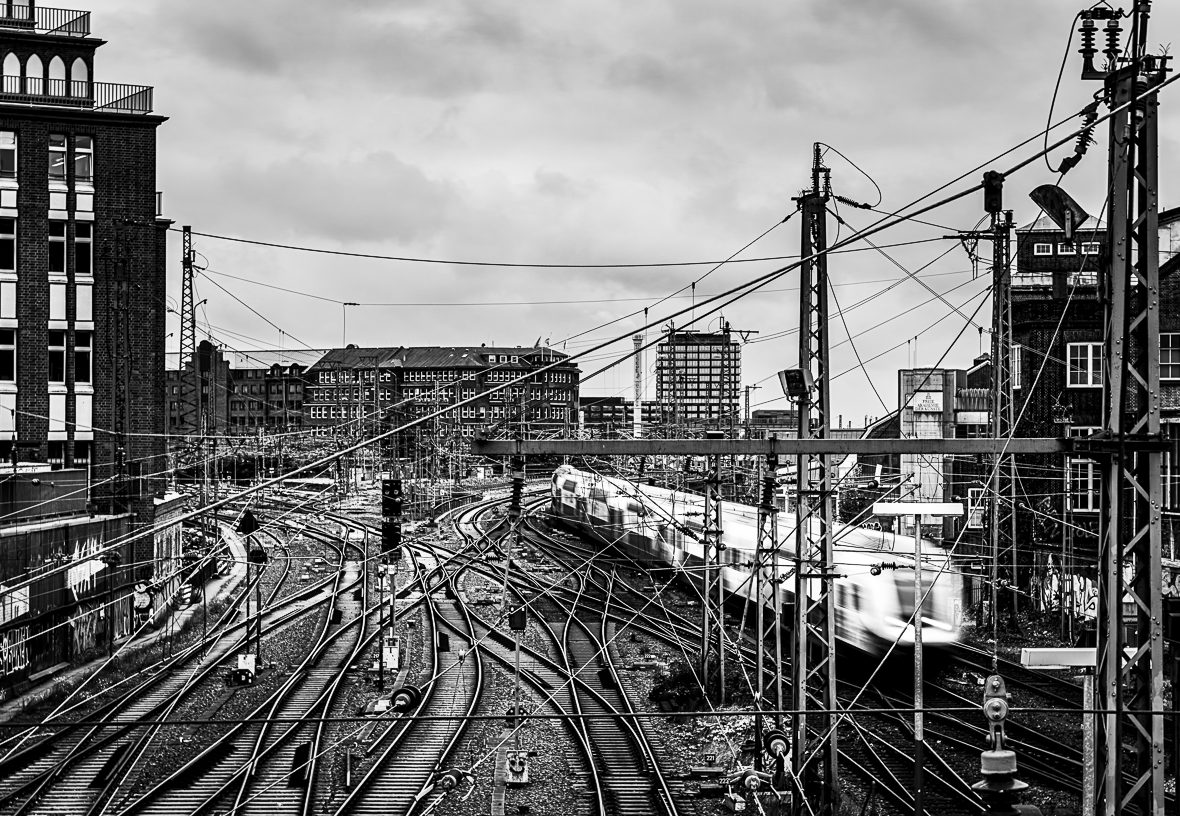
Network Pulse
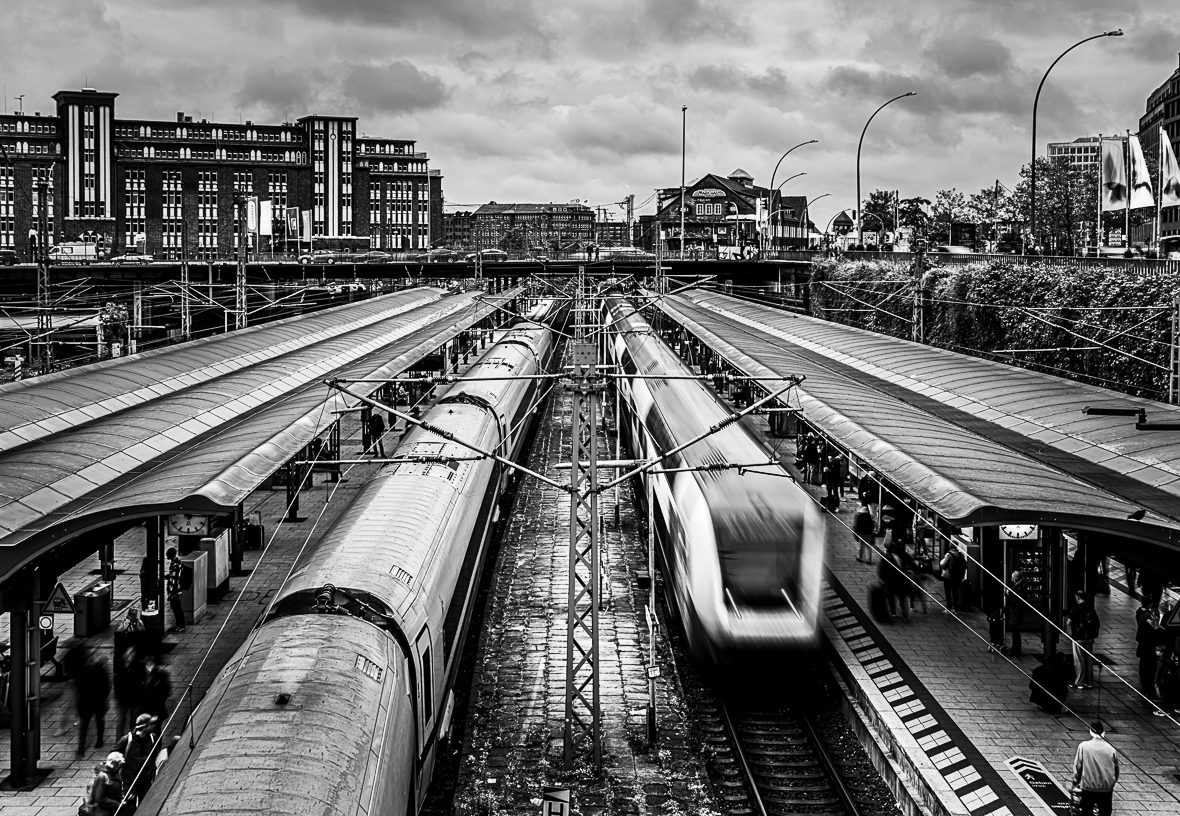
Axis Of Motion
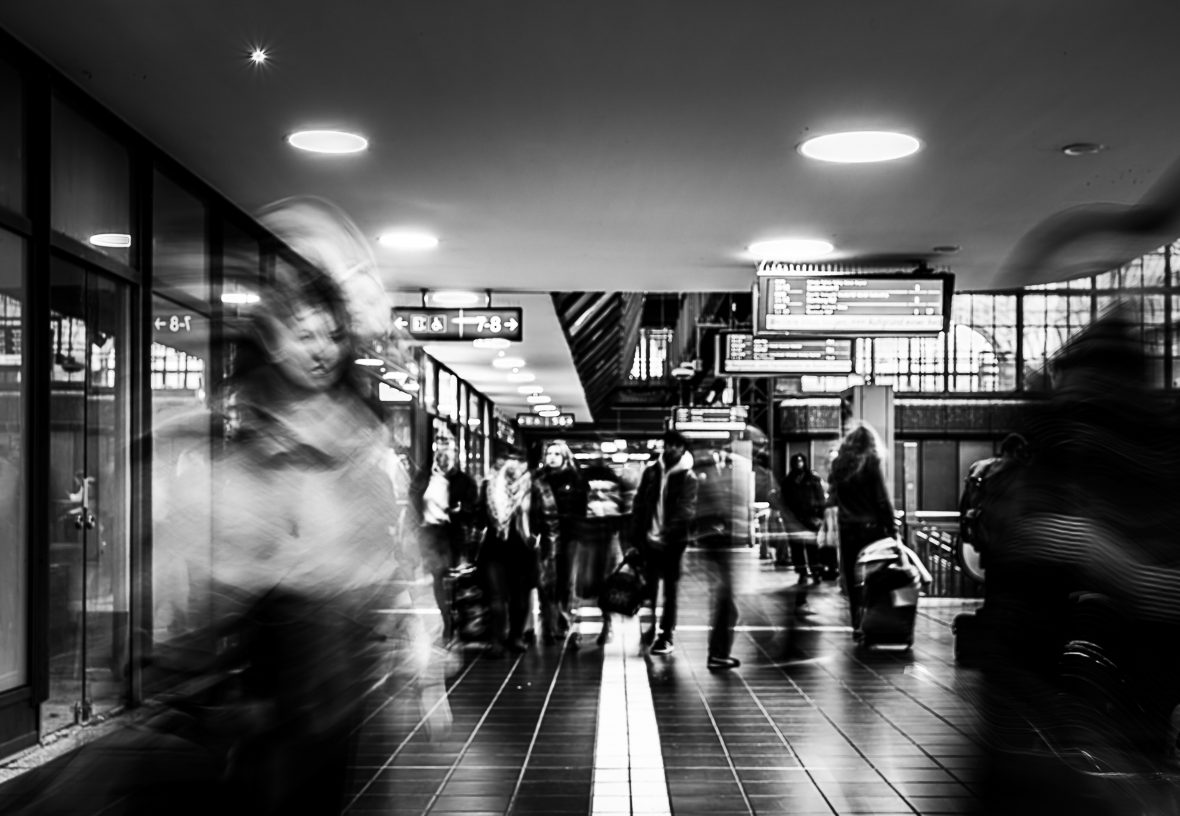
Dispersed Rythm
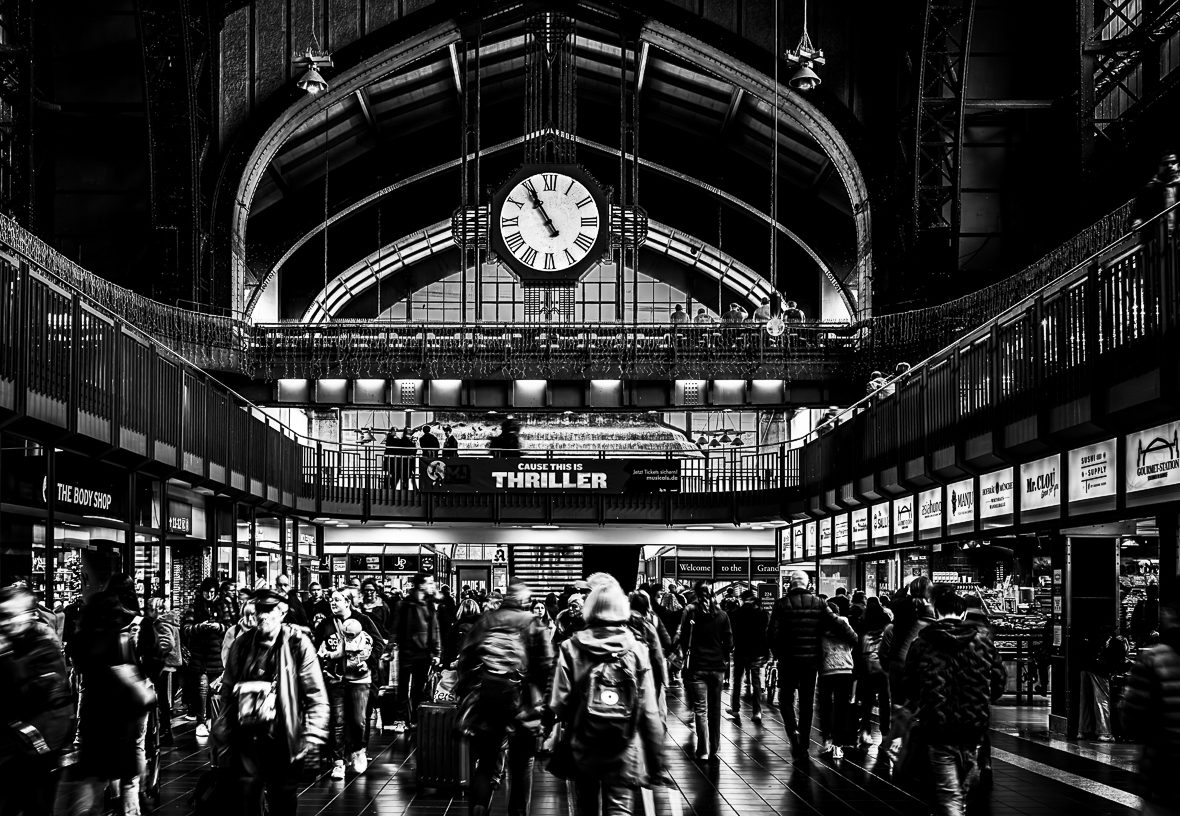
Chronos Final
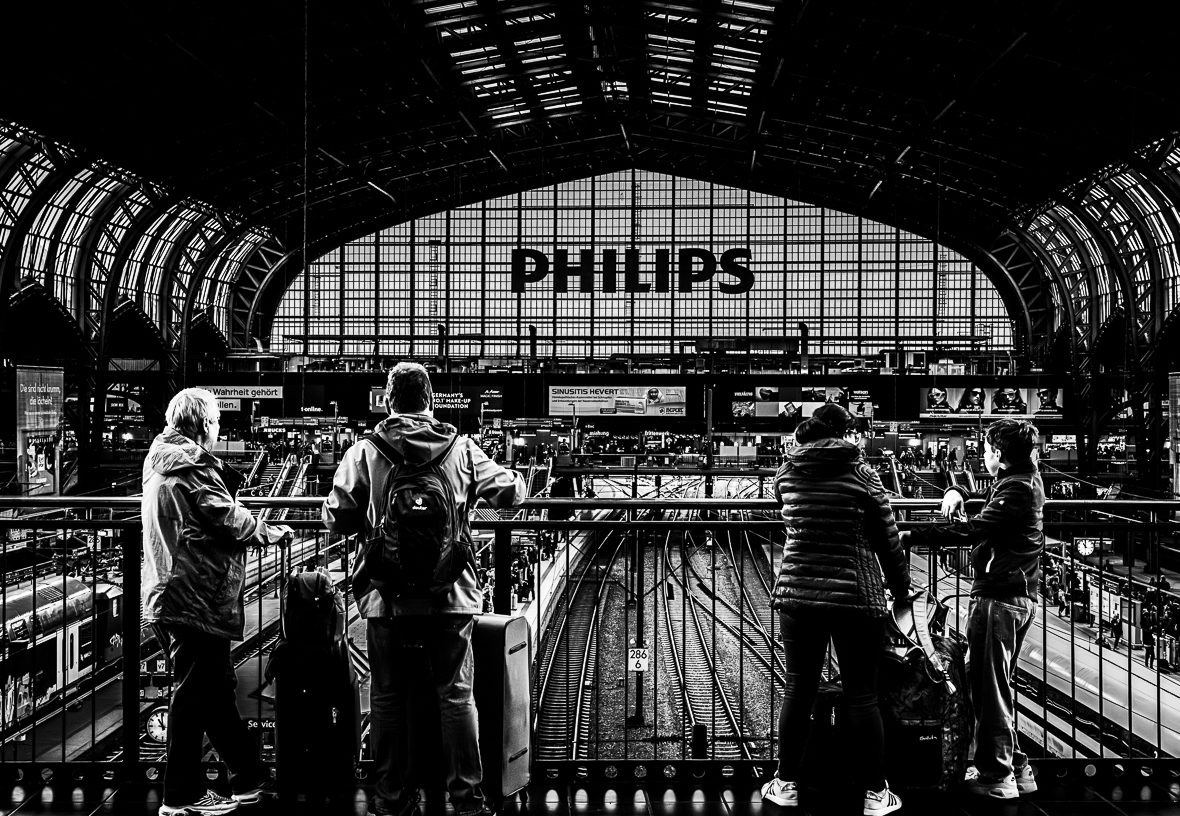
Waiting Lines
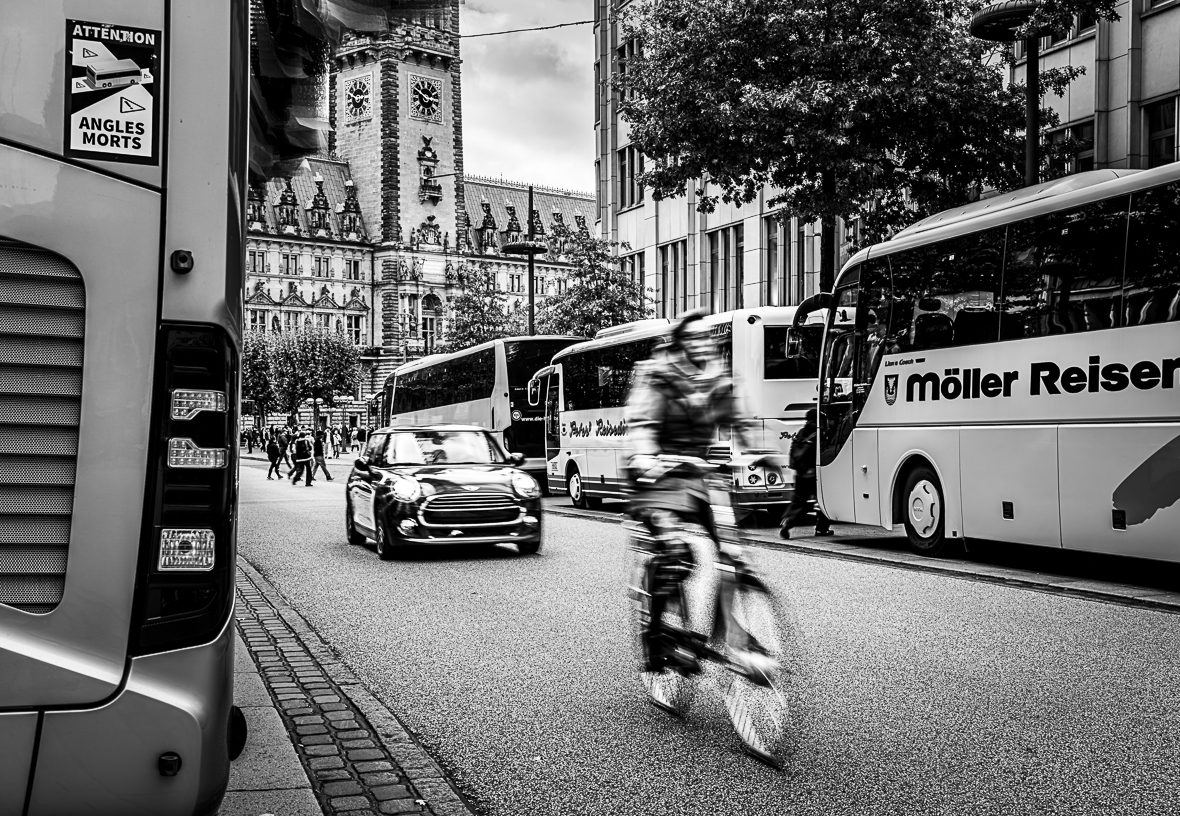
Blind Angle
Extended View
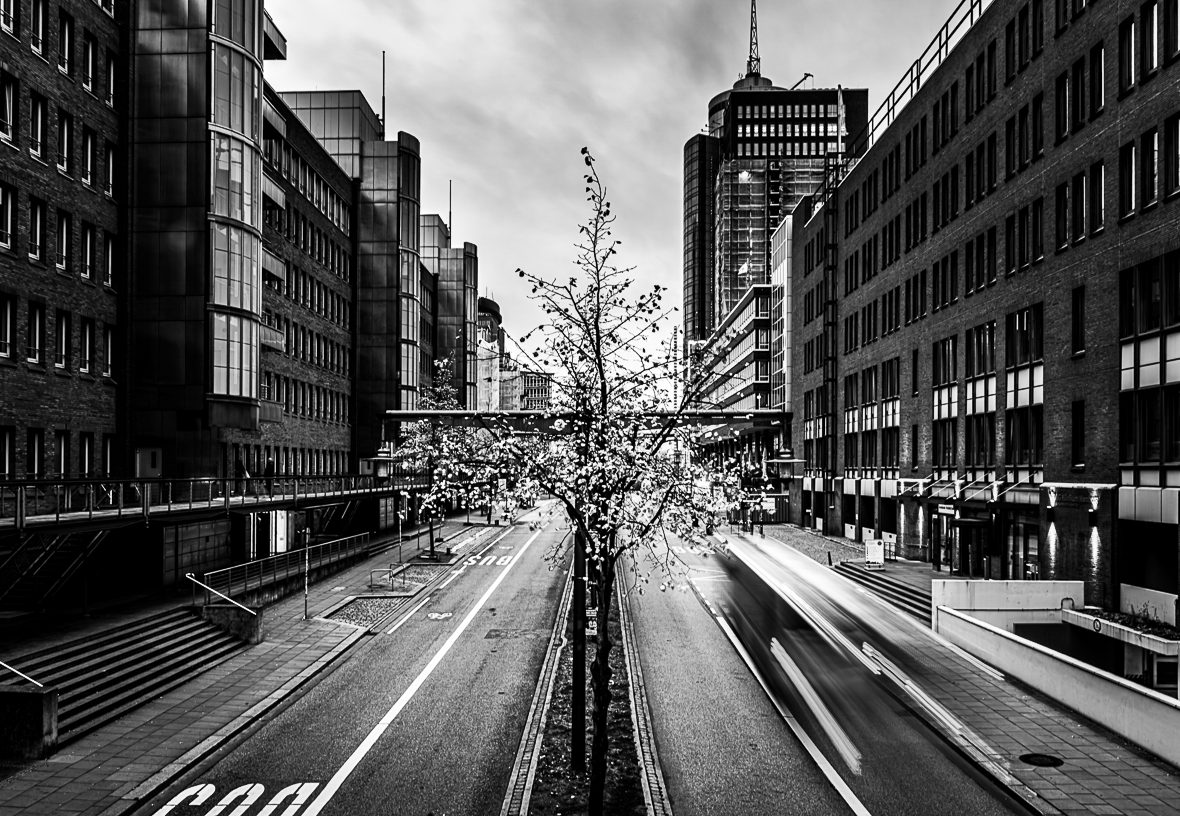
Arterial Calm
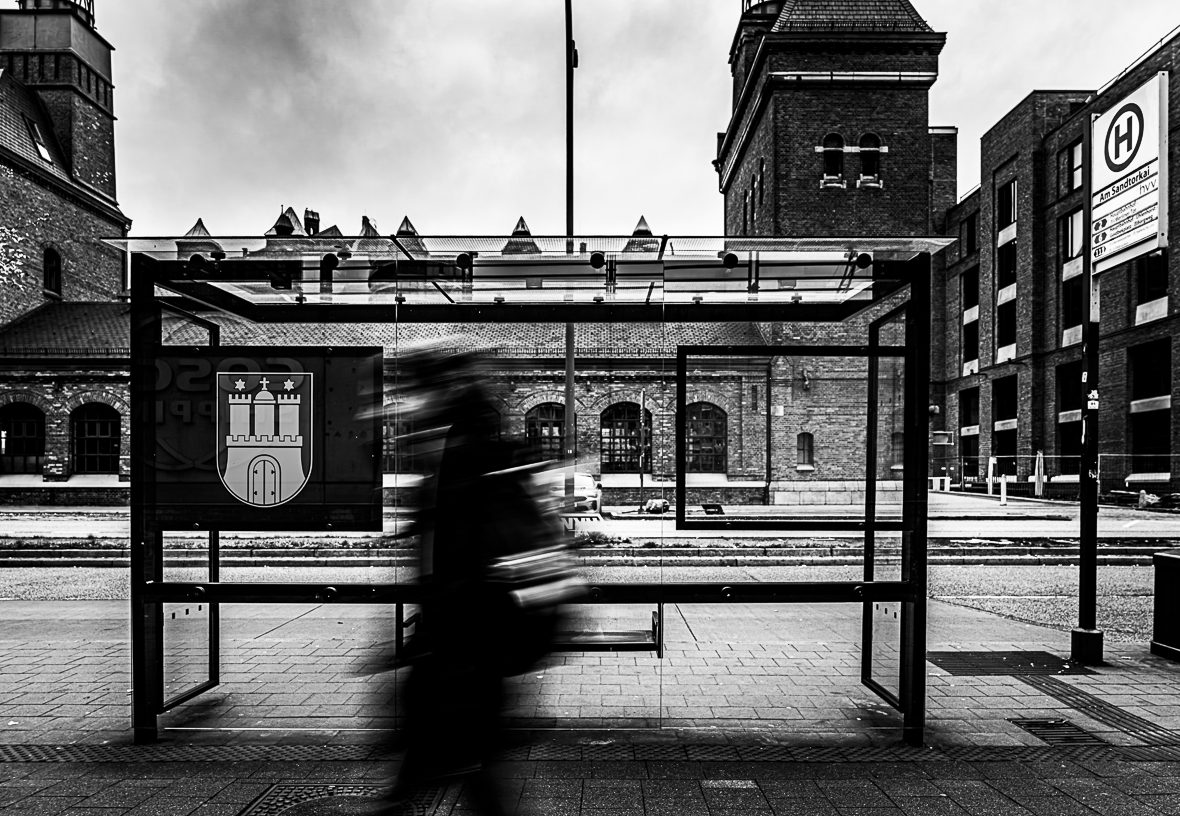
Ghost Transit
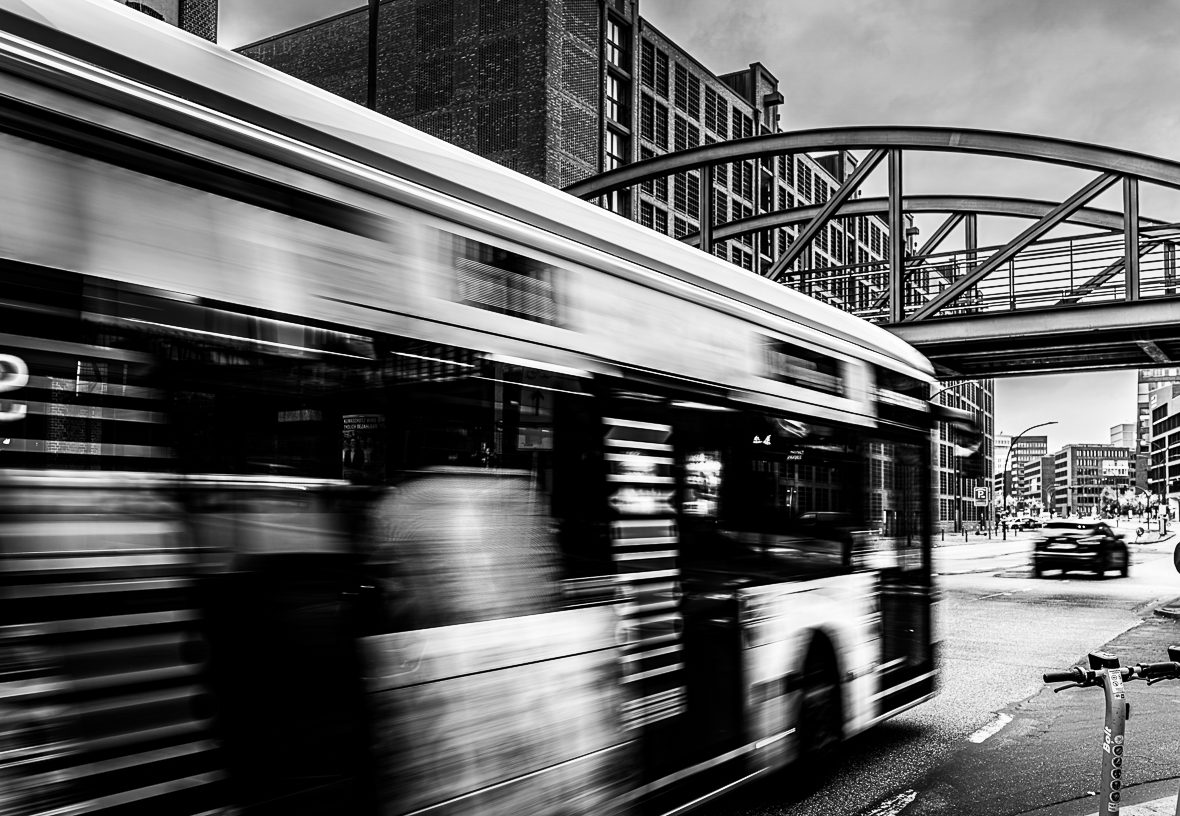
Measured Departure
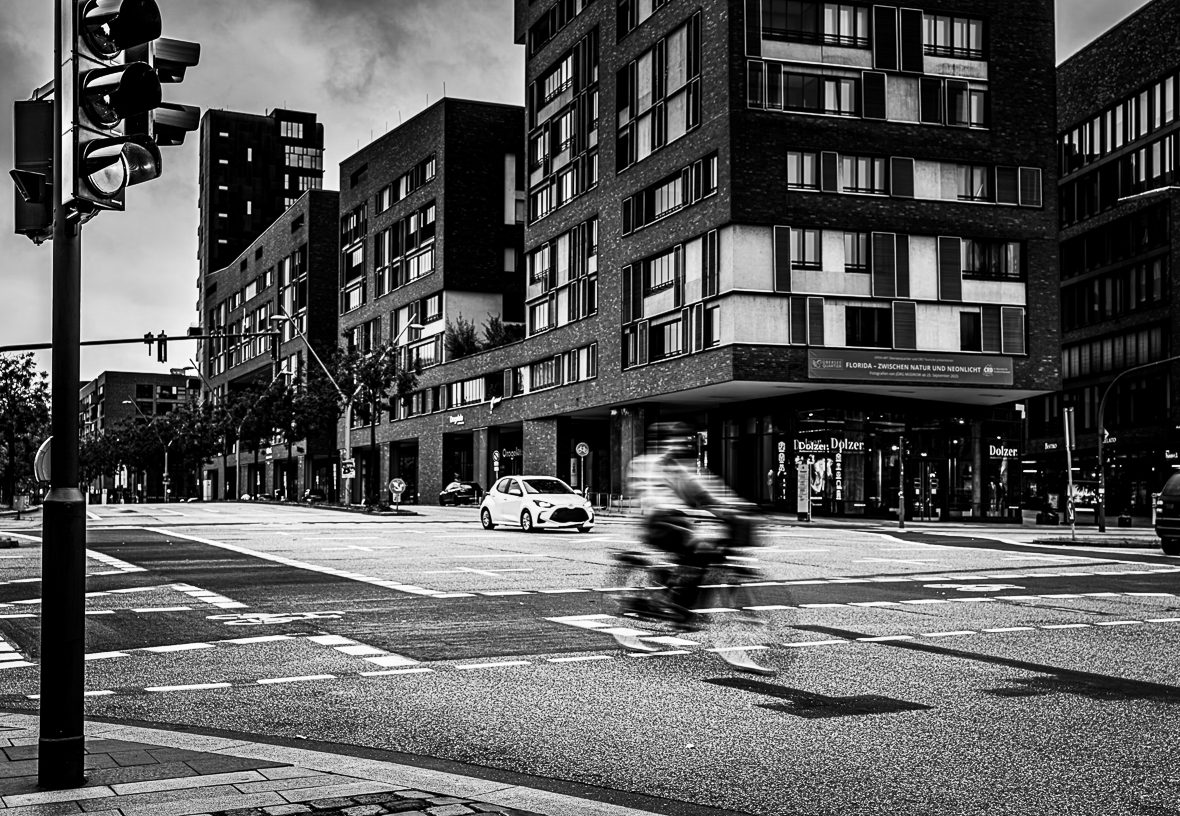
Velocity Control
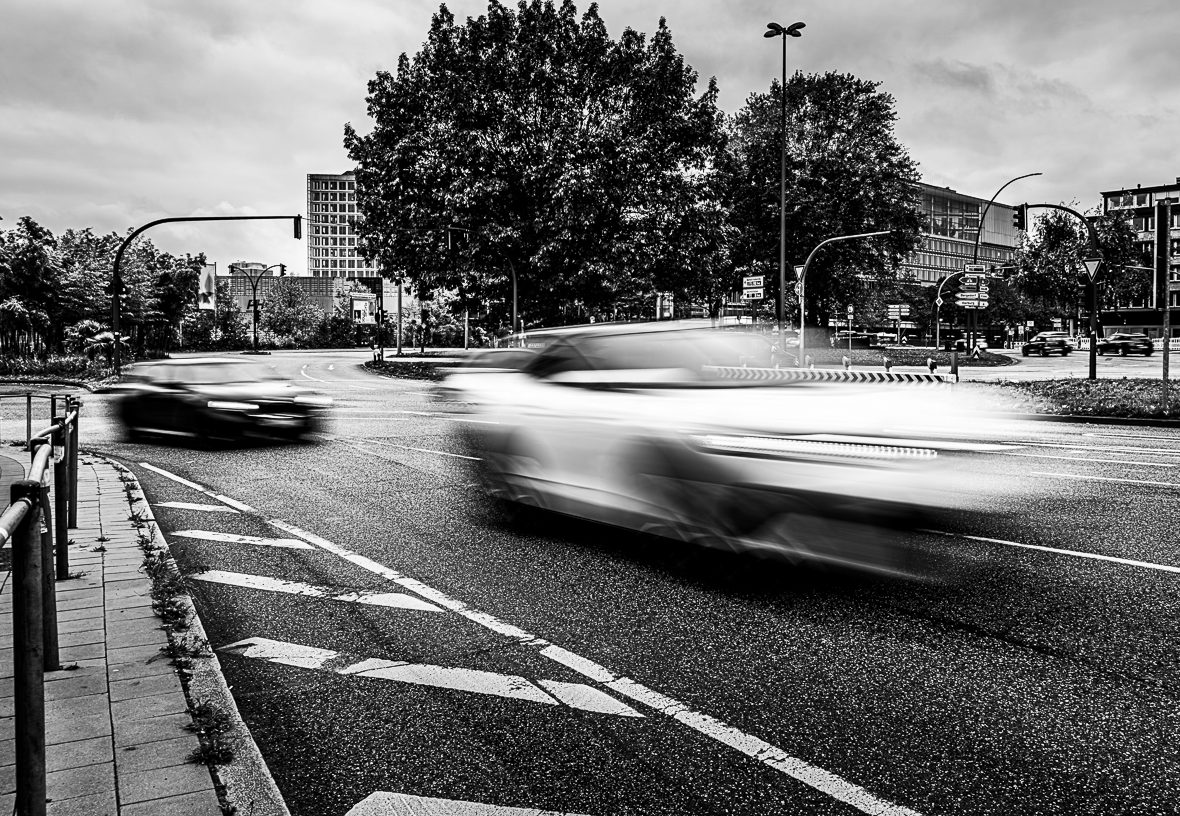
Circular Flow
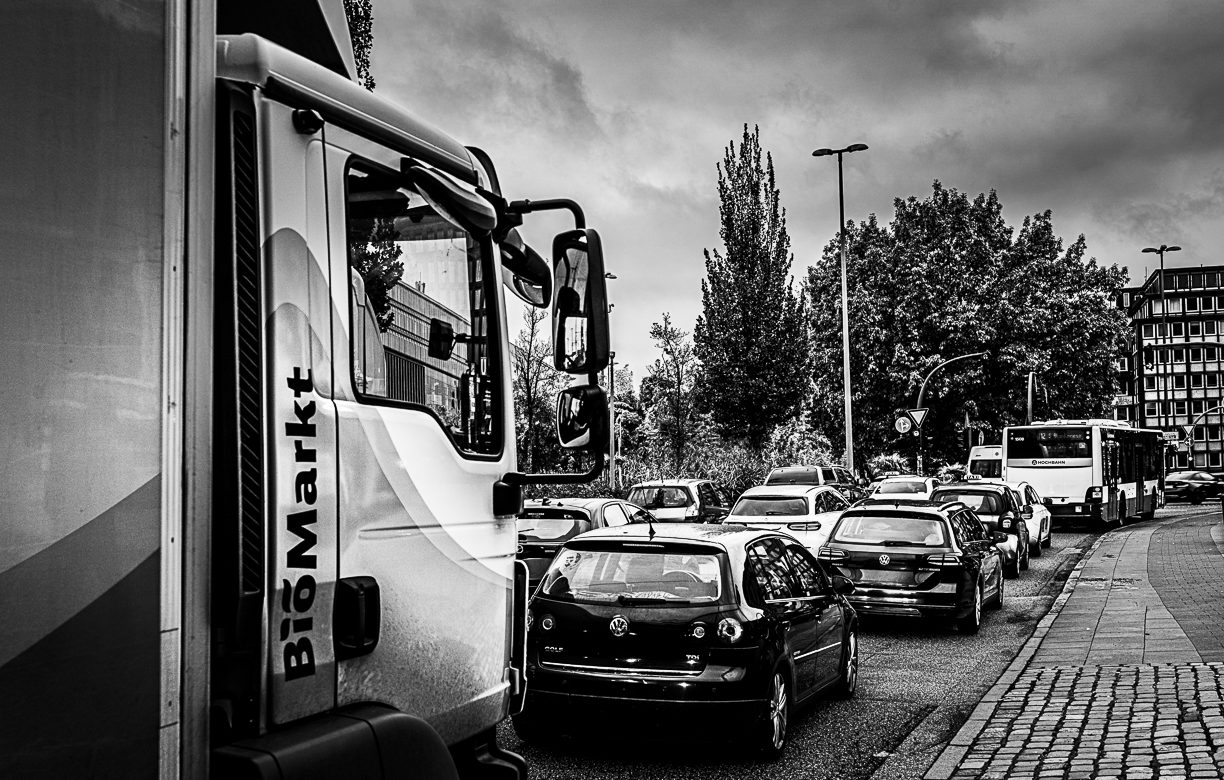
Paused Flow
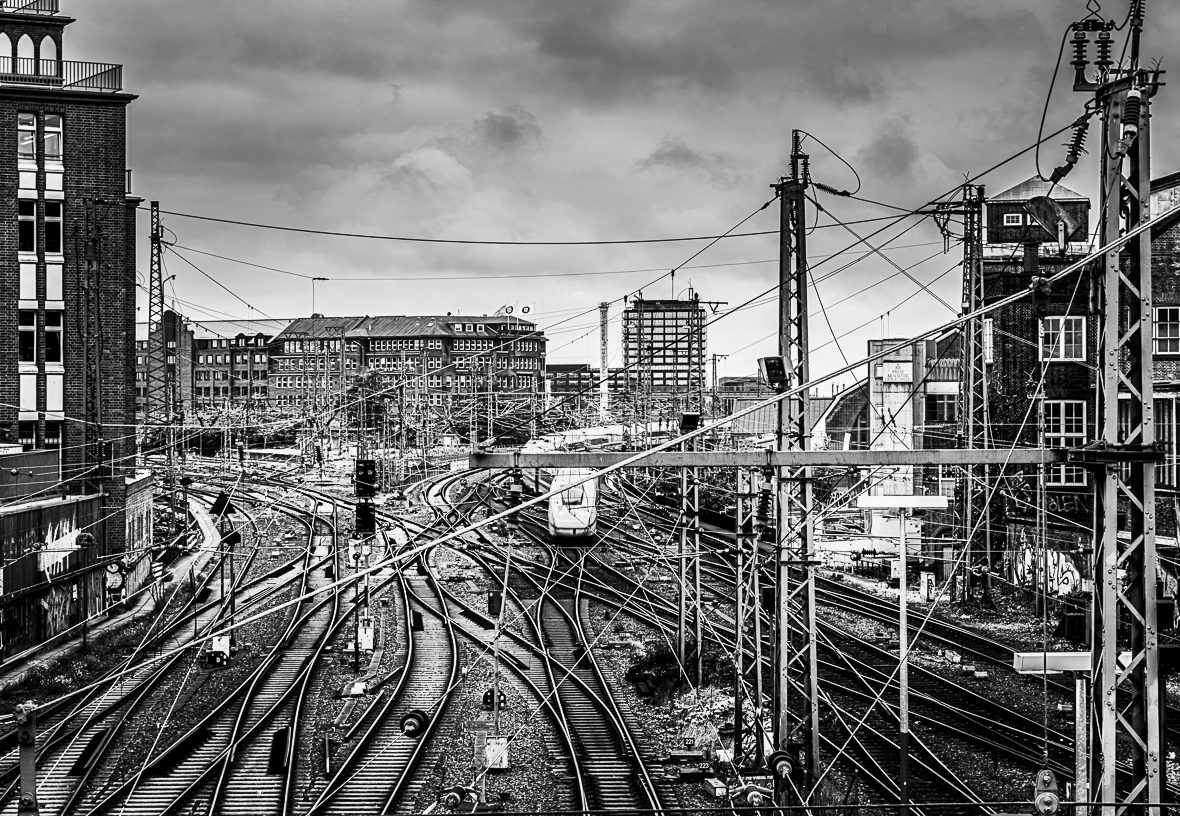
Signal Overload
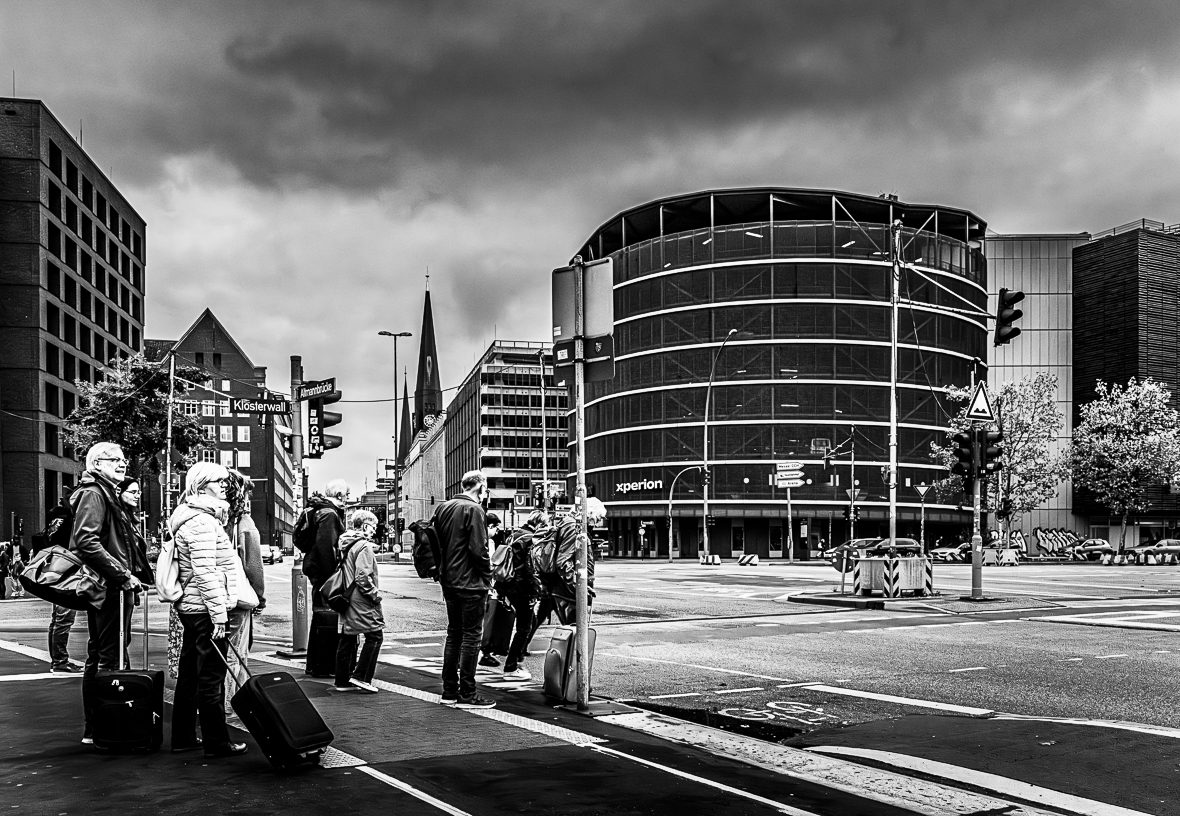
Pending Passage
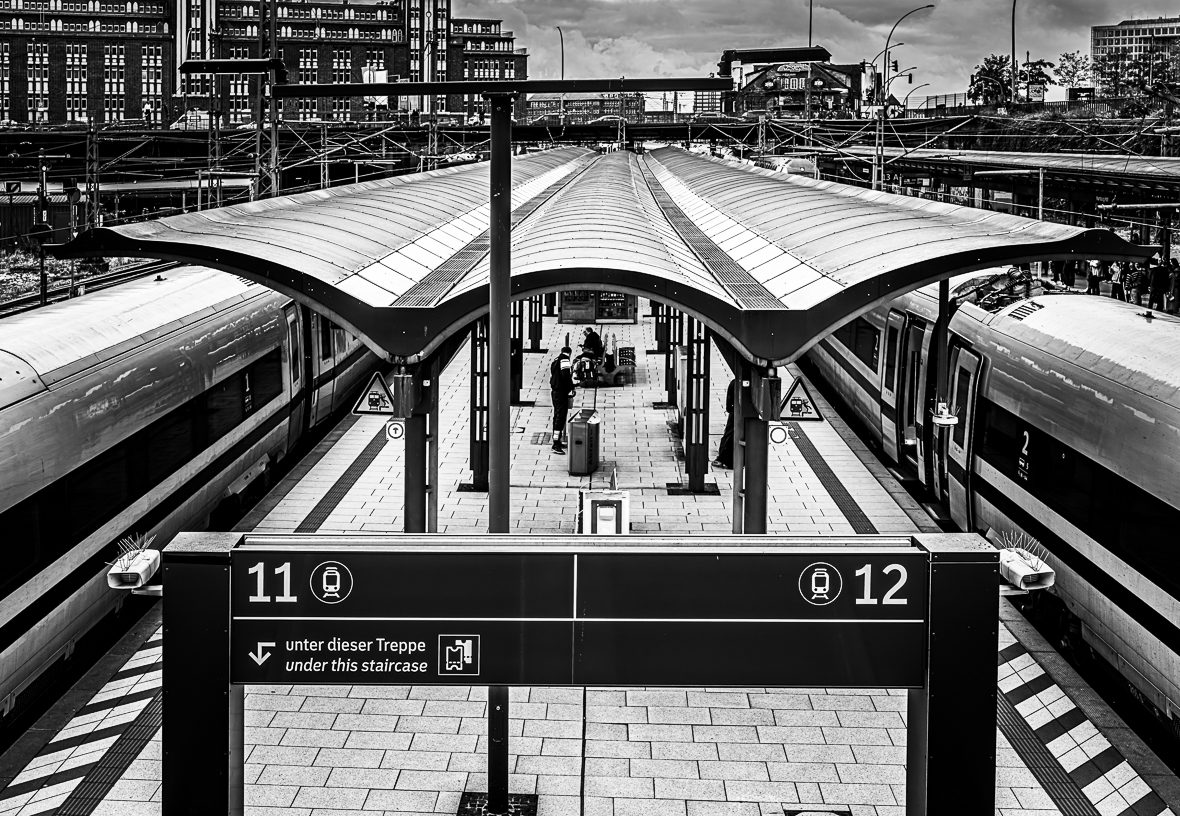
Divided Departure
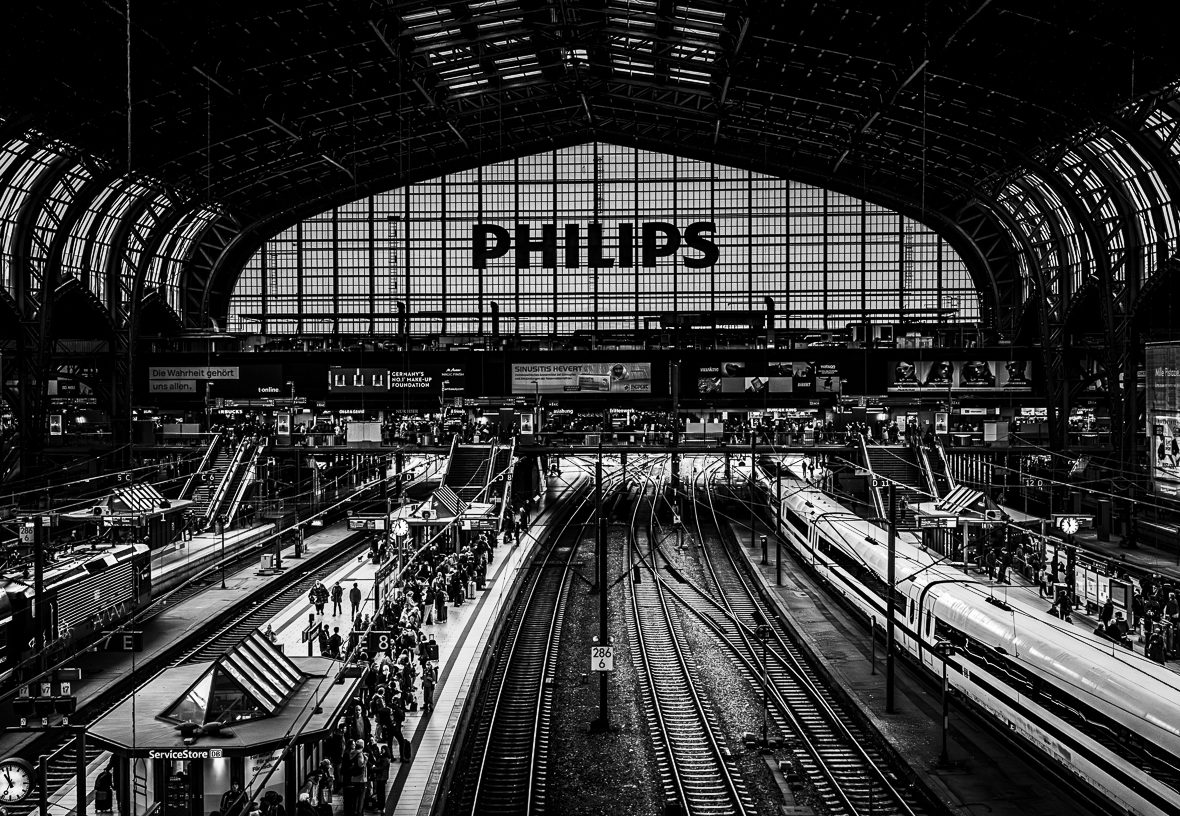
System Terminal
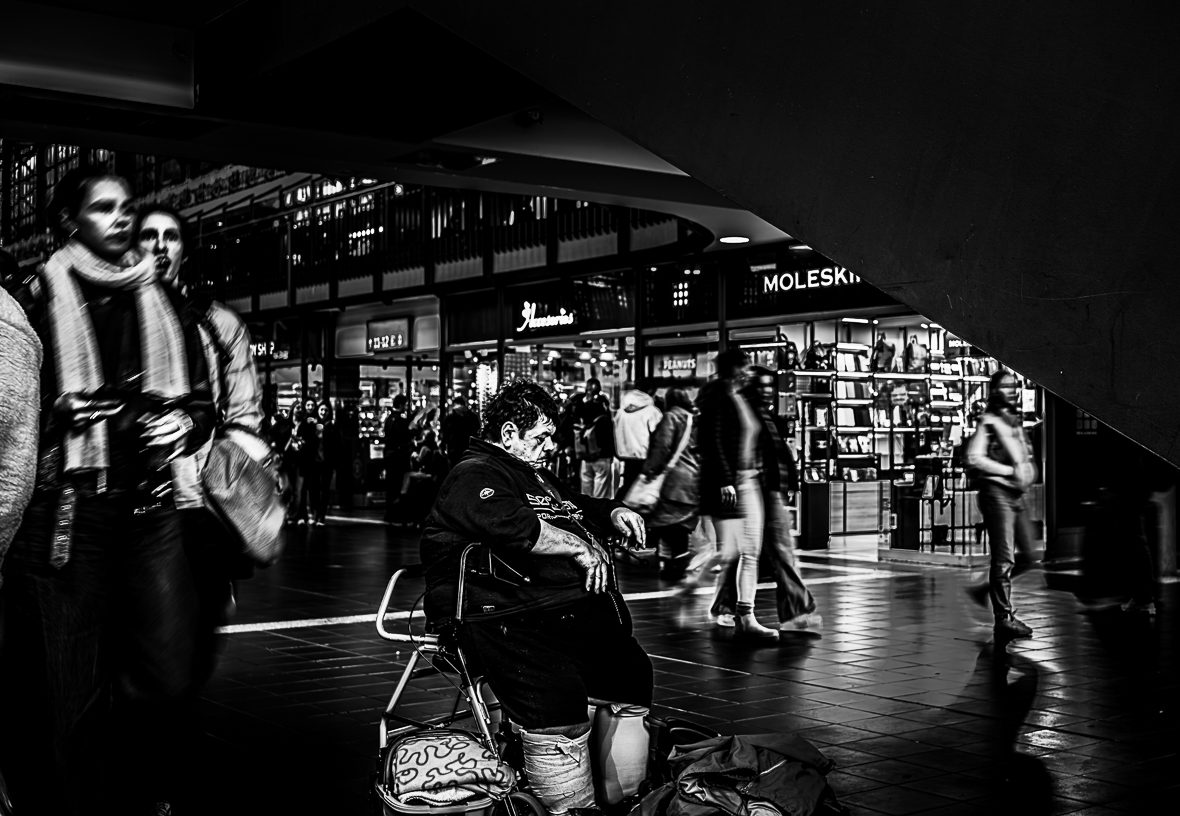
Human Intermission
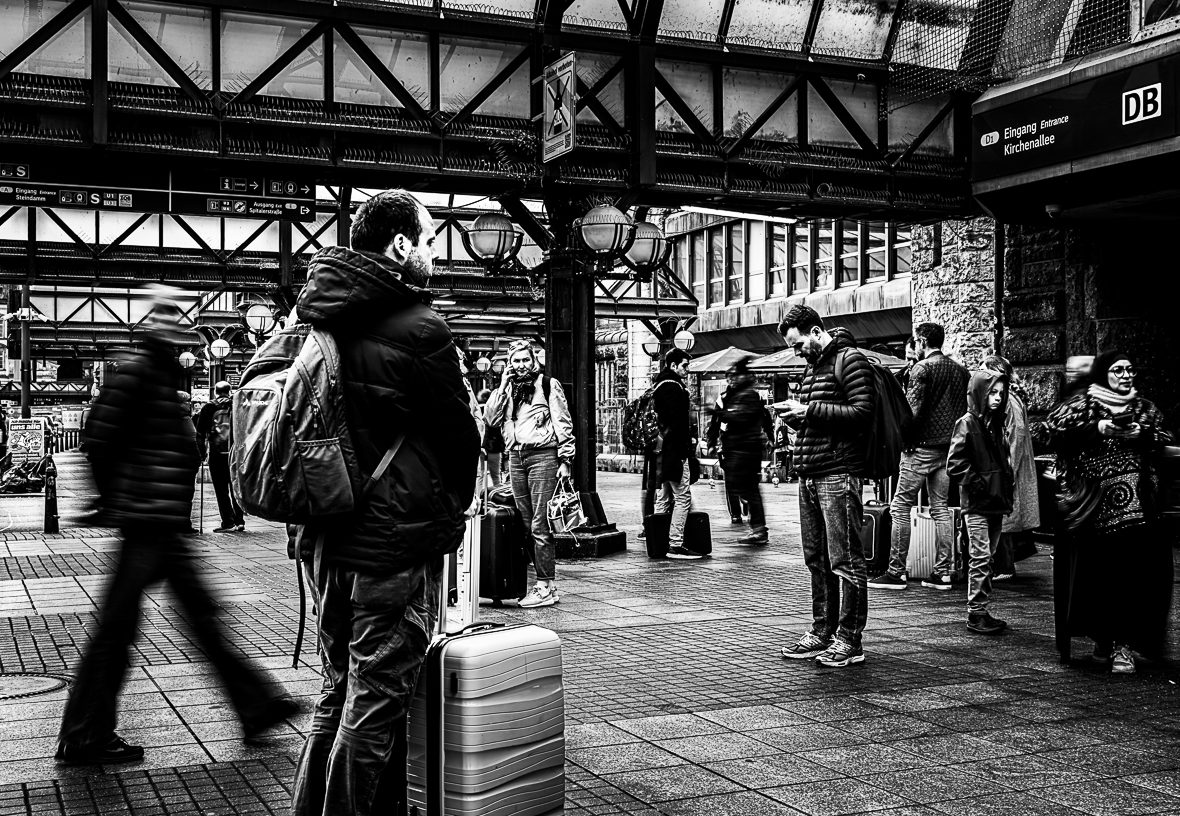
System Continuum