Chapter 5 –Pulse of Production
Pulse of Production turns its focus to the industrial and infrastructural core of the city — the hidden machinery that sustains urban life through cycles of energy, transit, and work. These are spaces where rhythm no longer accelerates, but stabilizes into repetition.
Through monochrome studies of cranes, loading zones, rail lines, and mechanized architectures, the series reveals an urban system defined not by speed, but by precision. A pulse emerges through repetition, calibration, and the silent choreography of production — measured, regulated, and continuous.
Human presence appears reduced, functional, or absorbed into structure. What seems static unfolds as a slow-moving current: a circulation of goods, signals, and decisions that operates beyond visibility, yet governs everyday life.
Pulse of Production concludes the System Clock cycle by locating the city’s ultimate rhythm not in movement or excess, but in infrastructure itself — a fragile equilibrium of order, dependency, and control that quietly sustains the visible city.
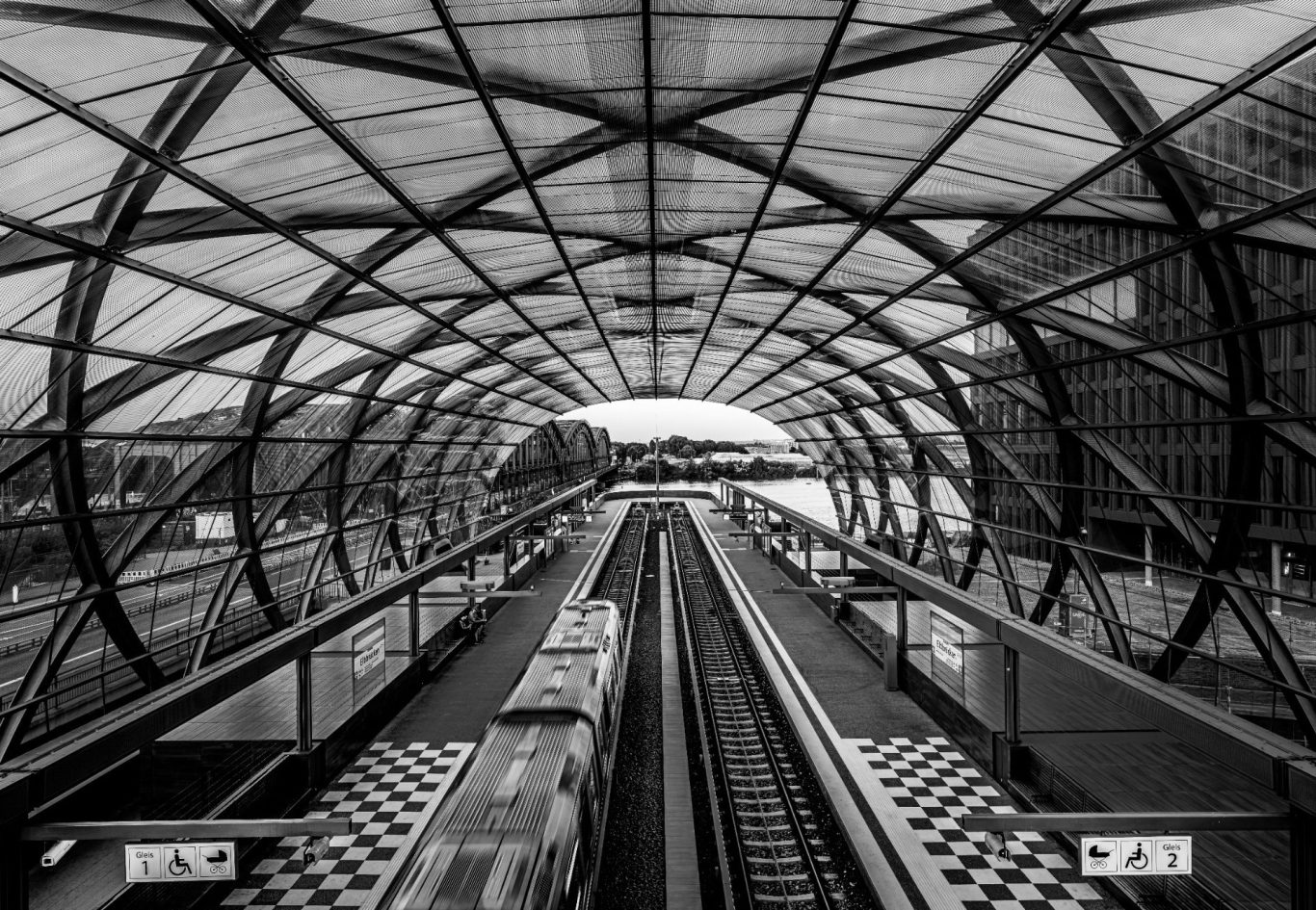
System Axis
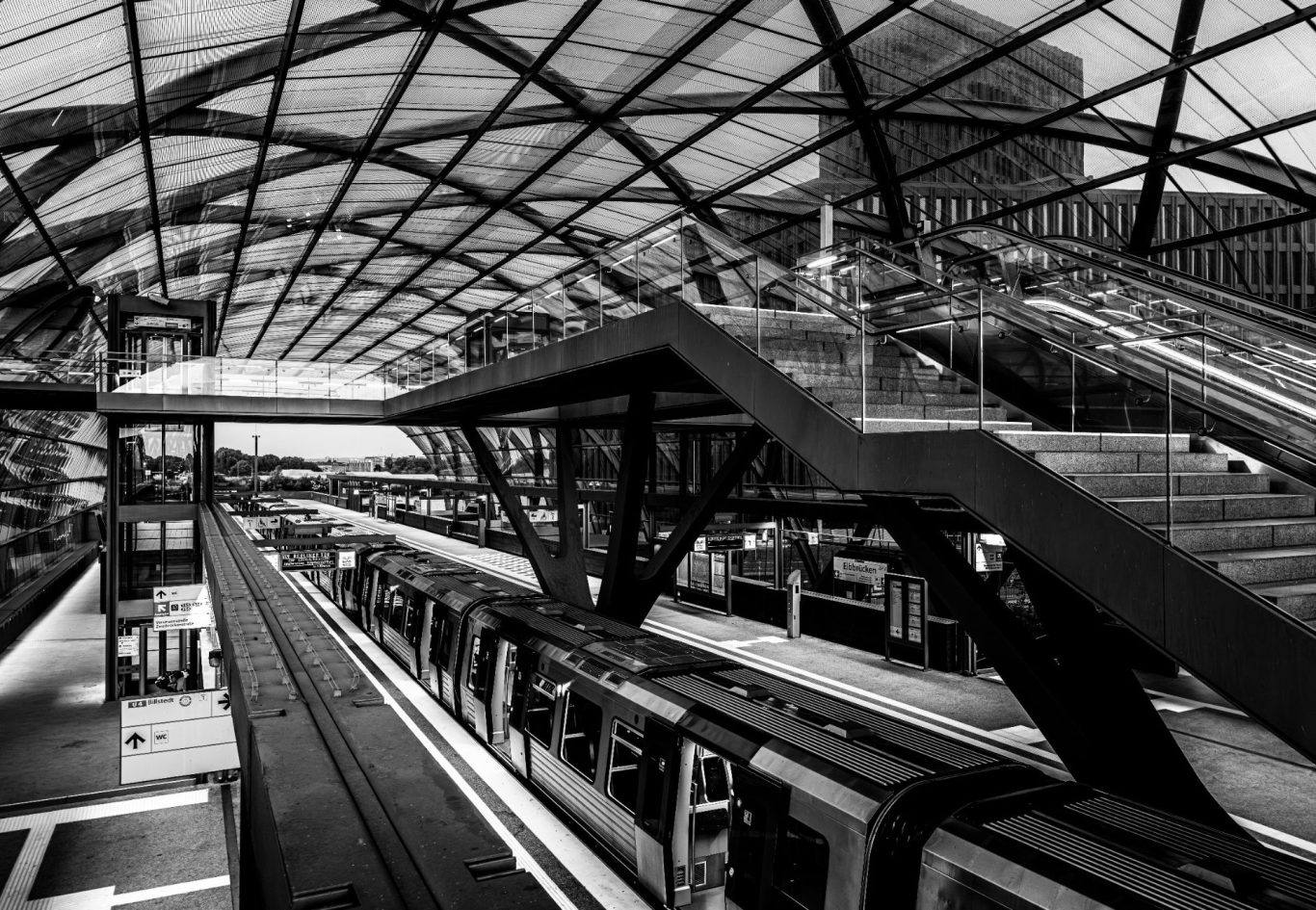
Structural Pulse
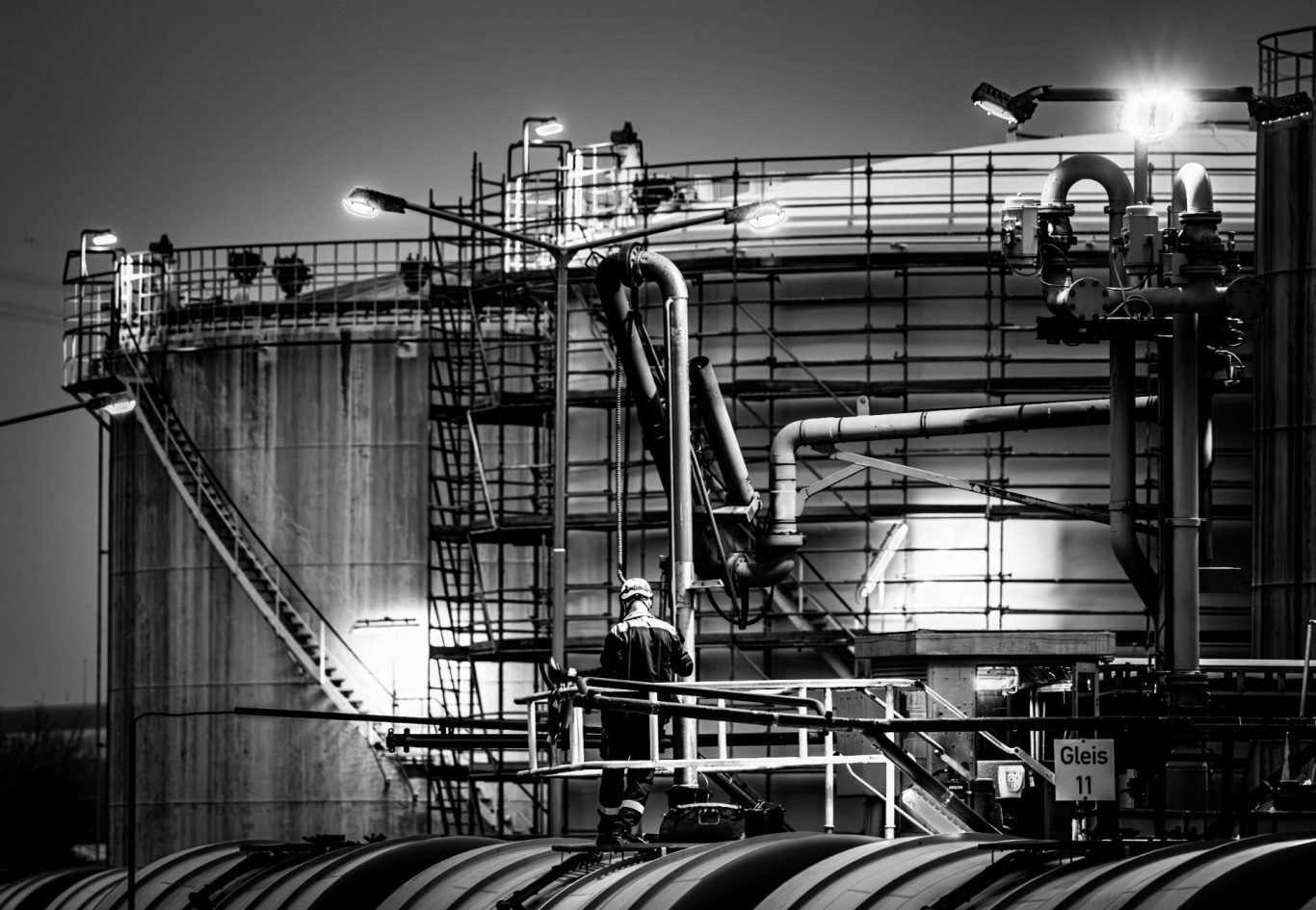
Operator Line
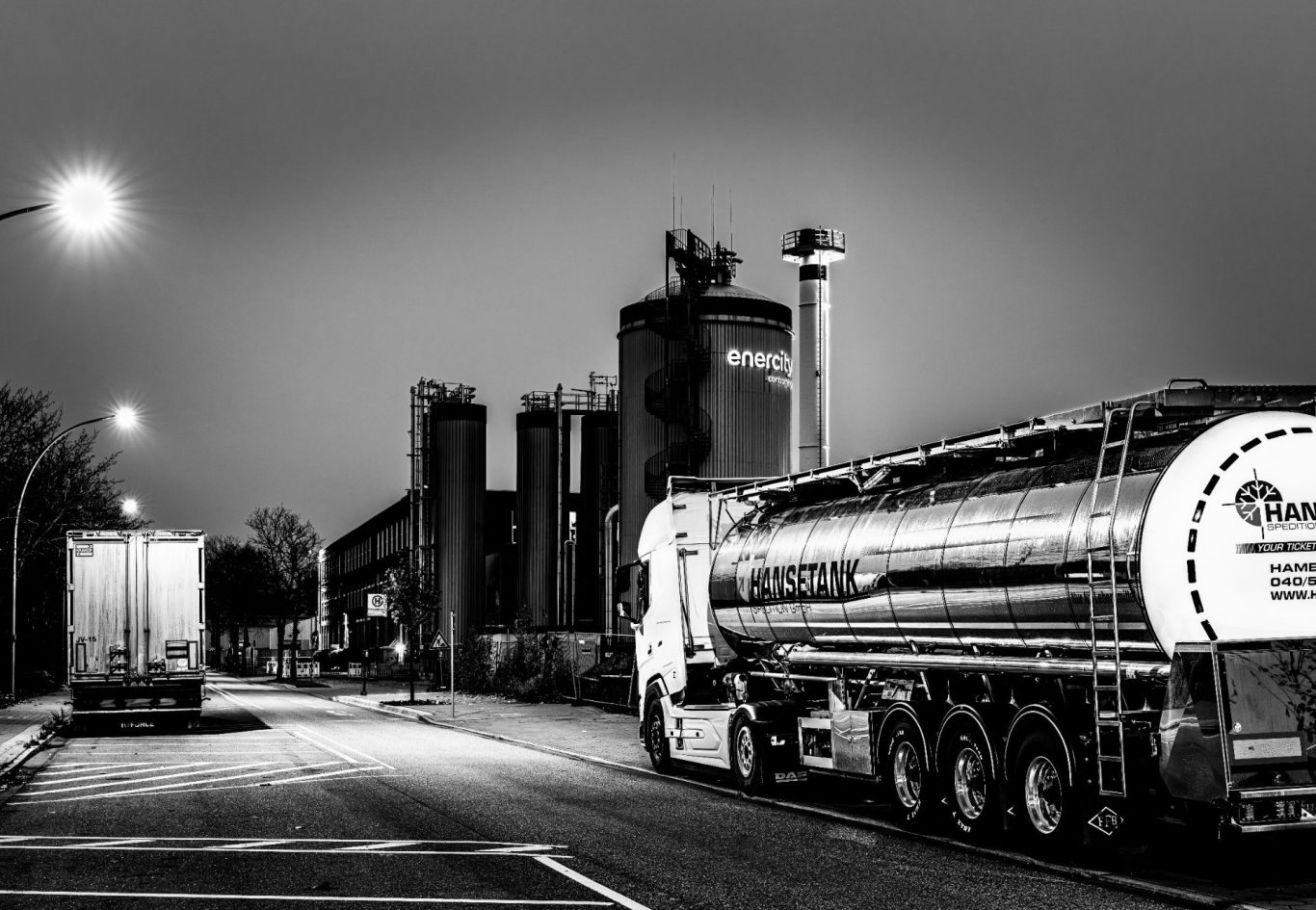
Energy At Rest
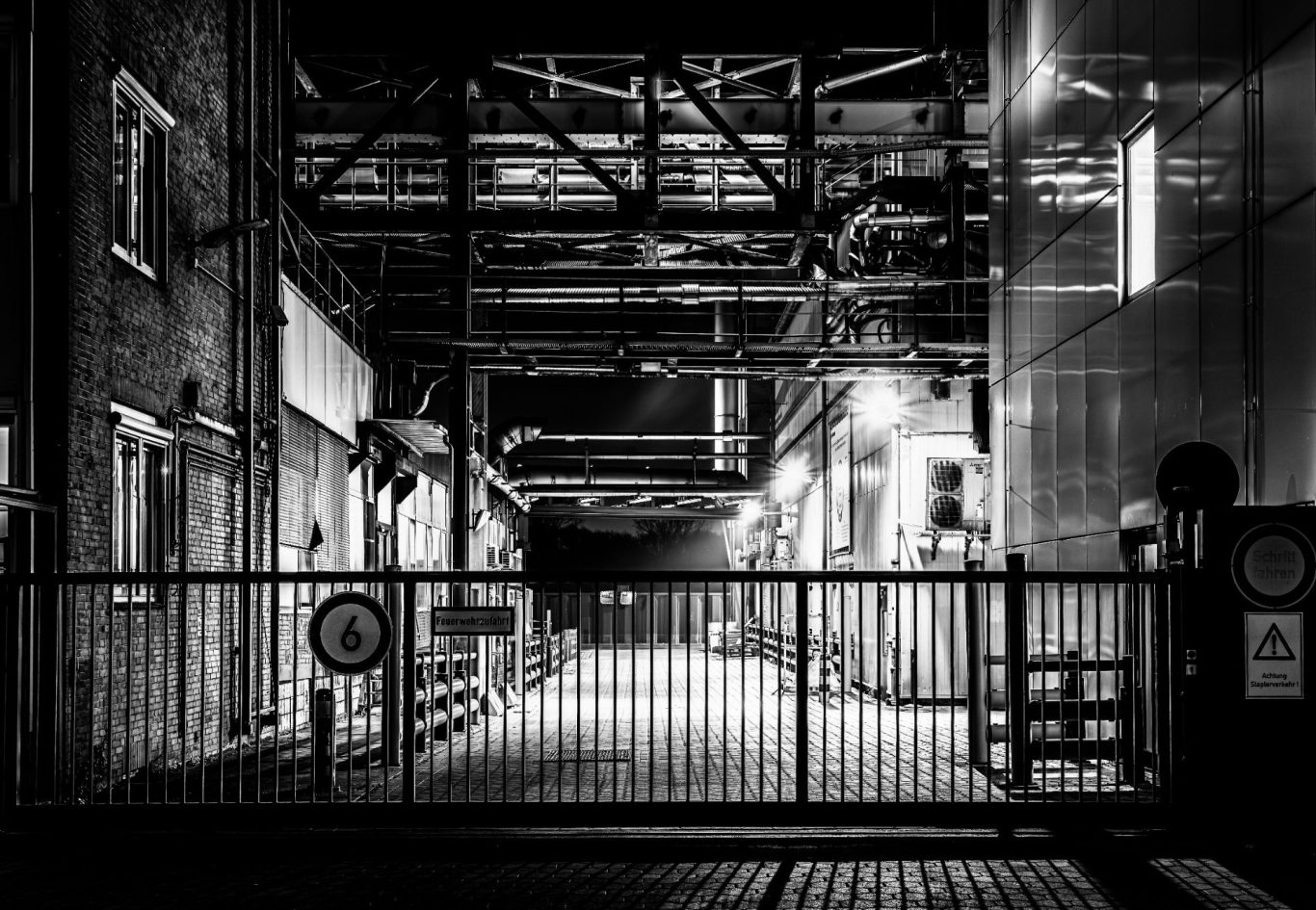
System Corridor
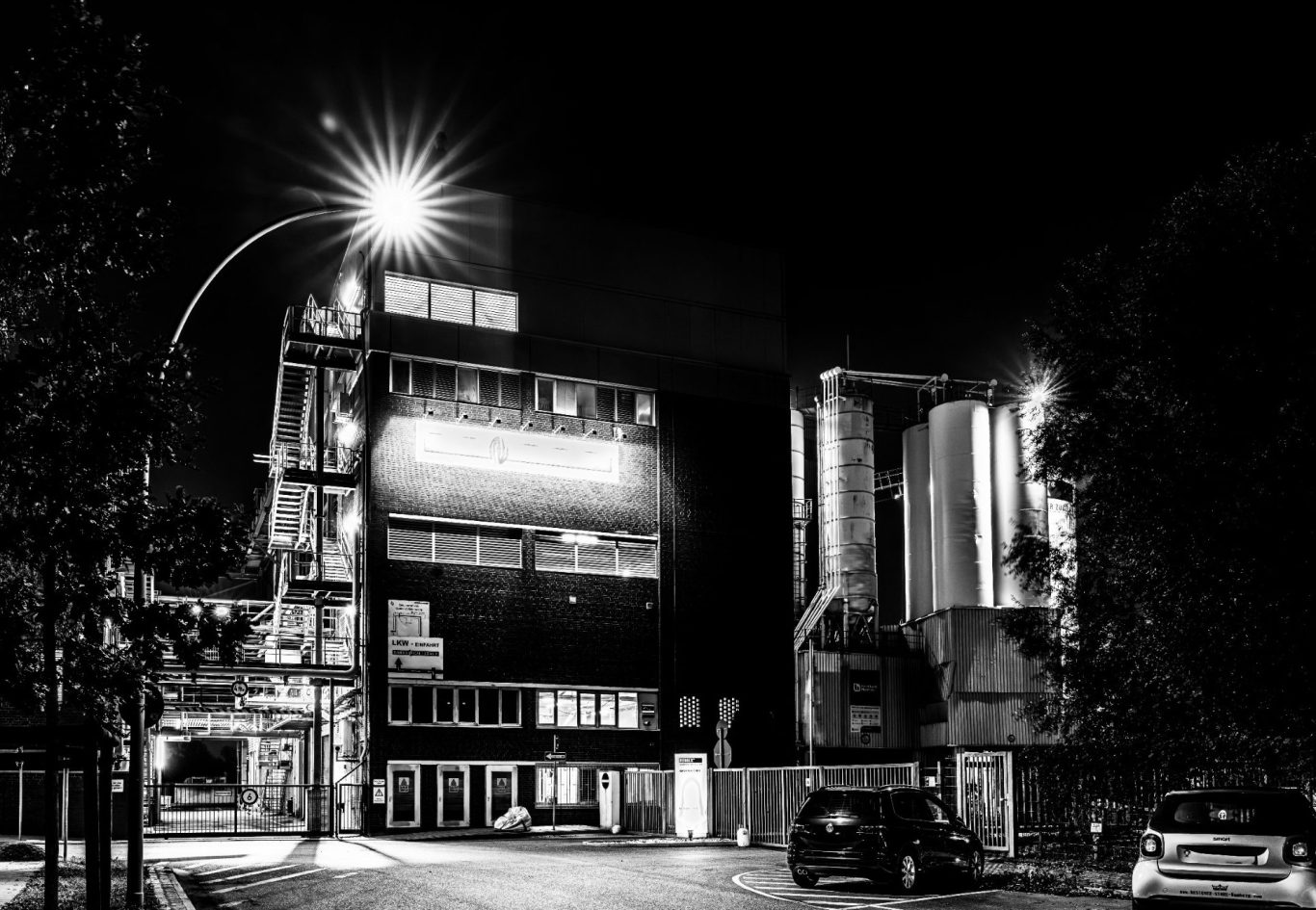
Industrial Orbit
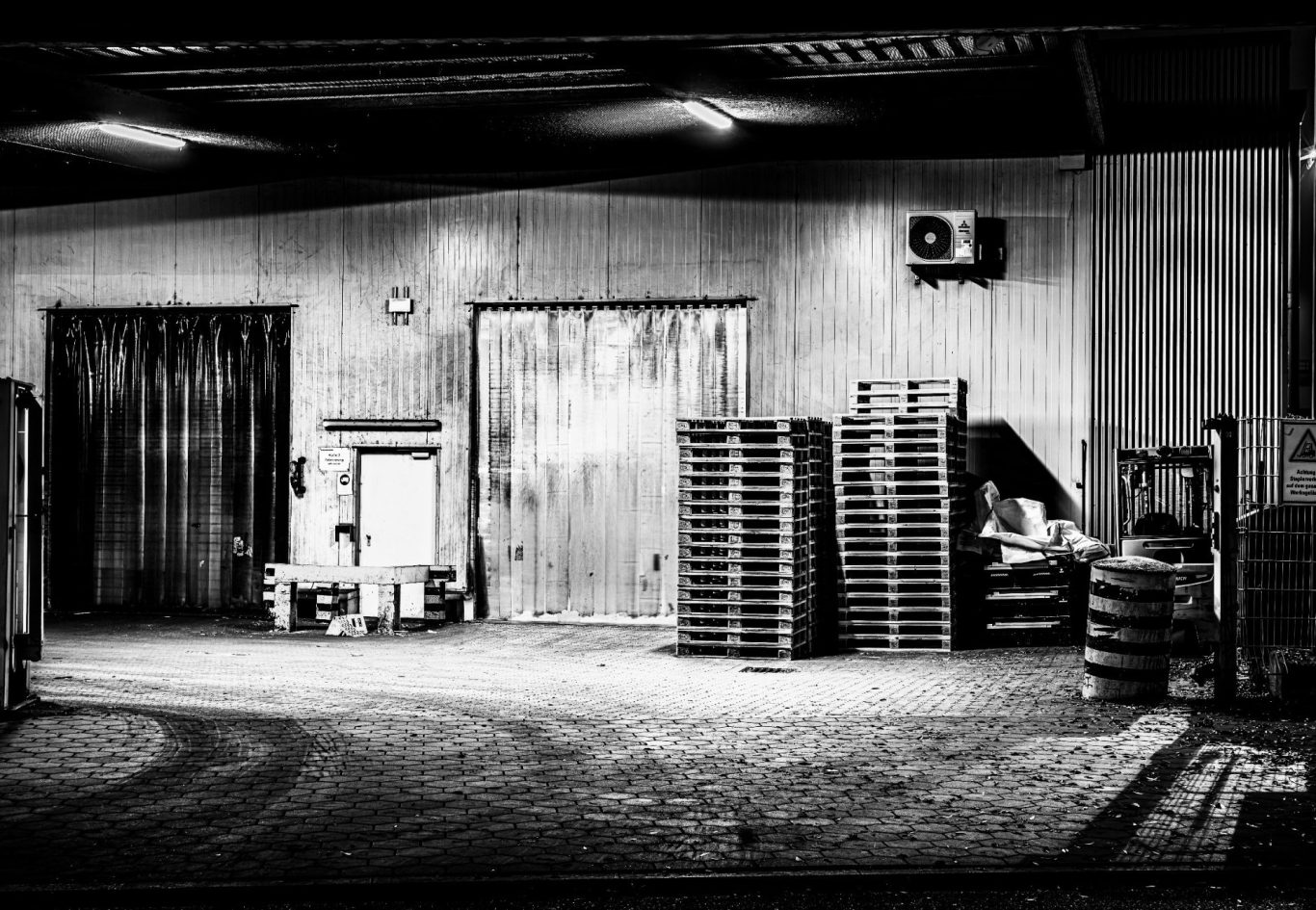
Silent Bay
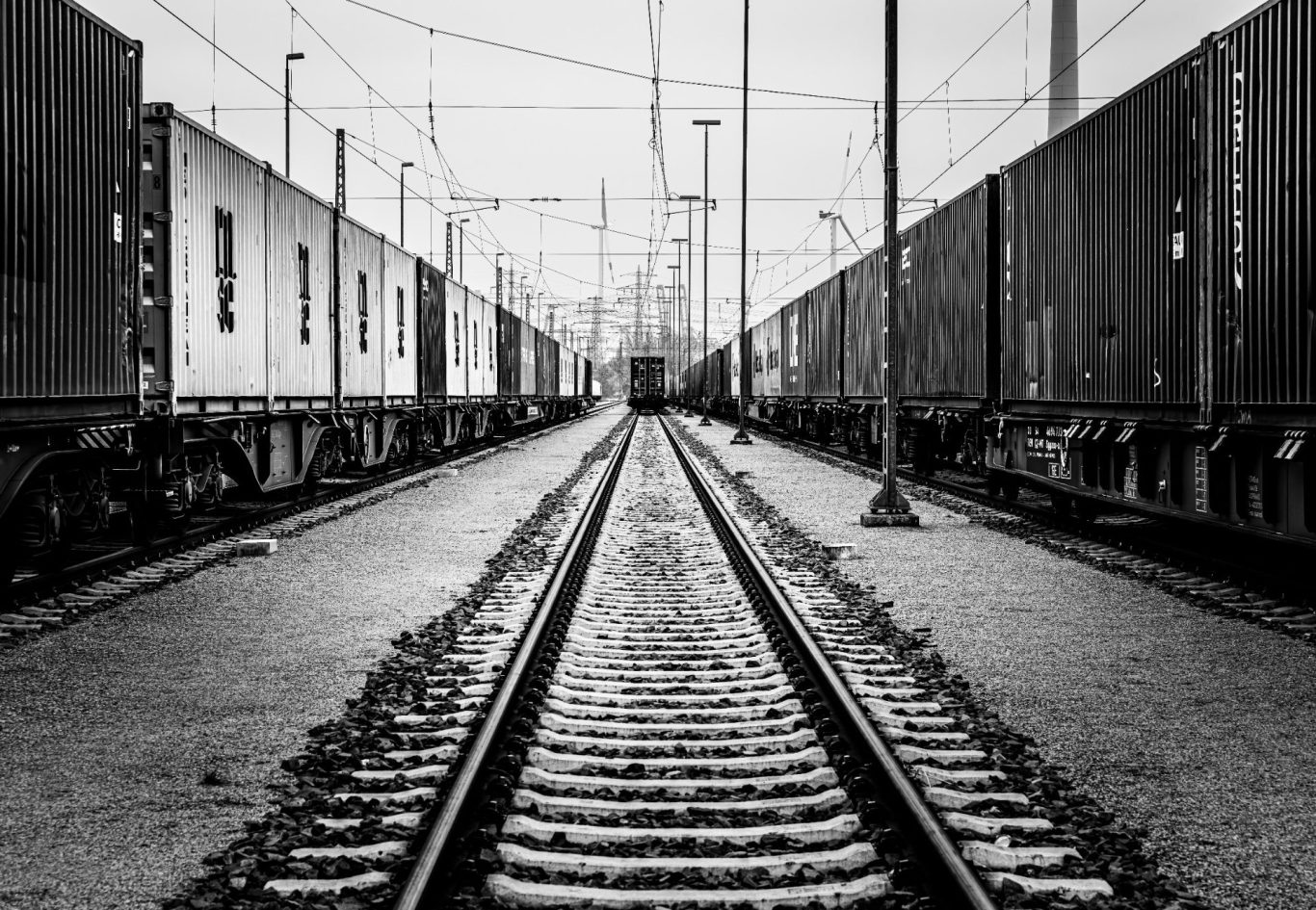
Standby Line
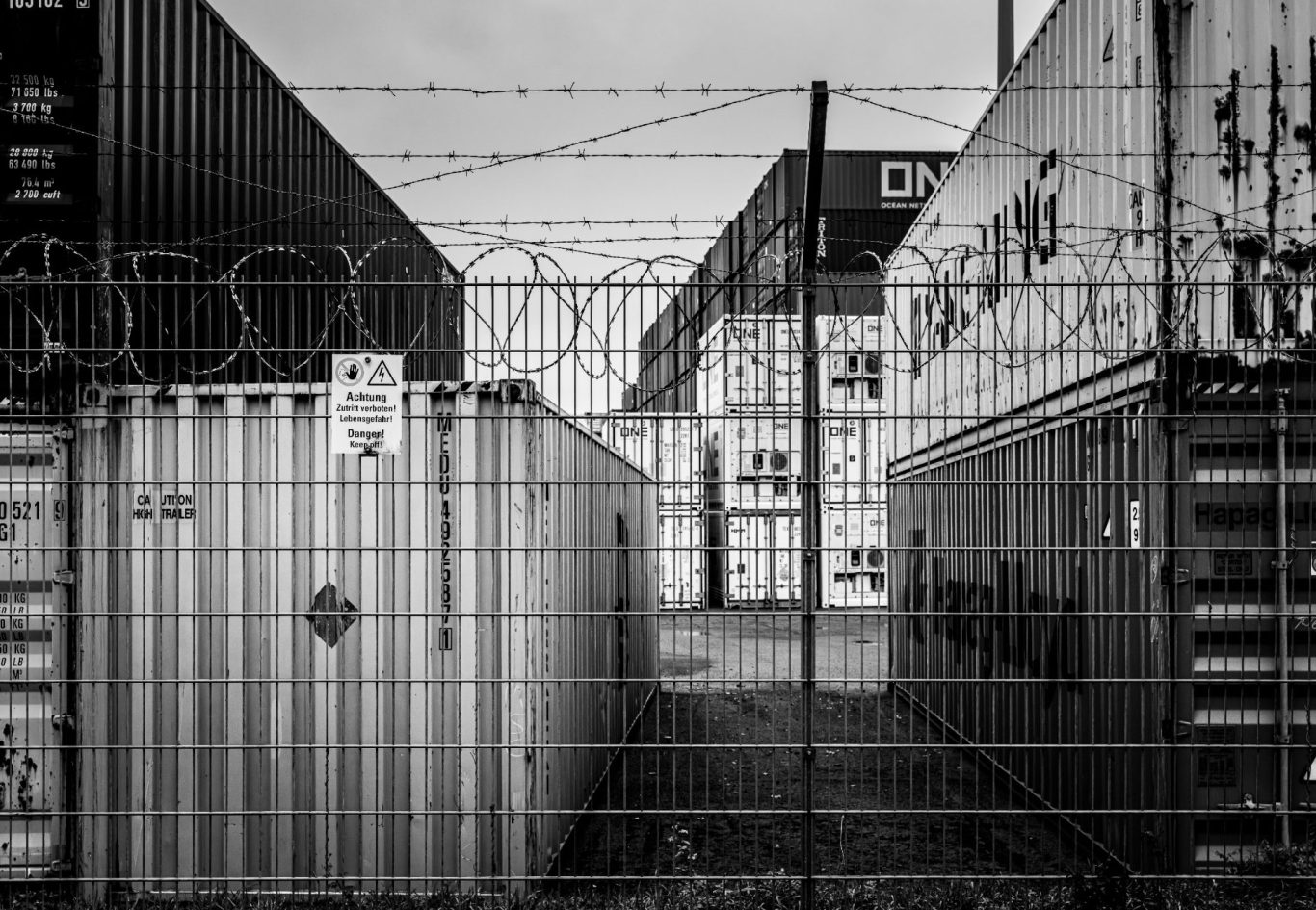
Containment Zone
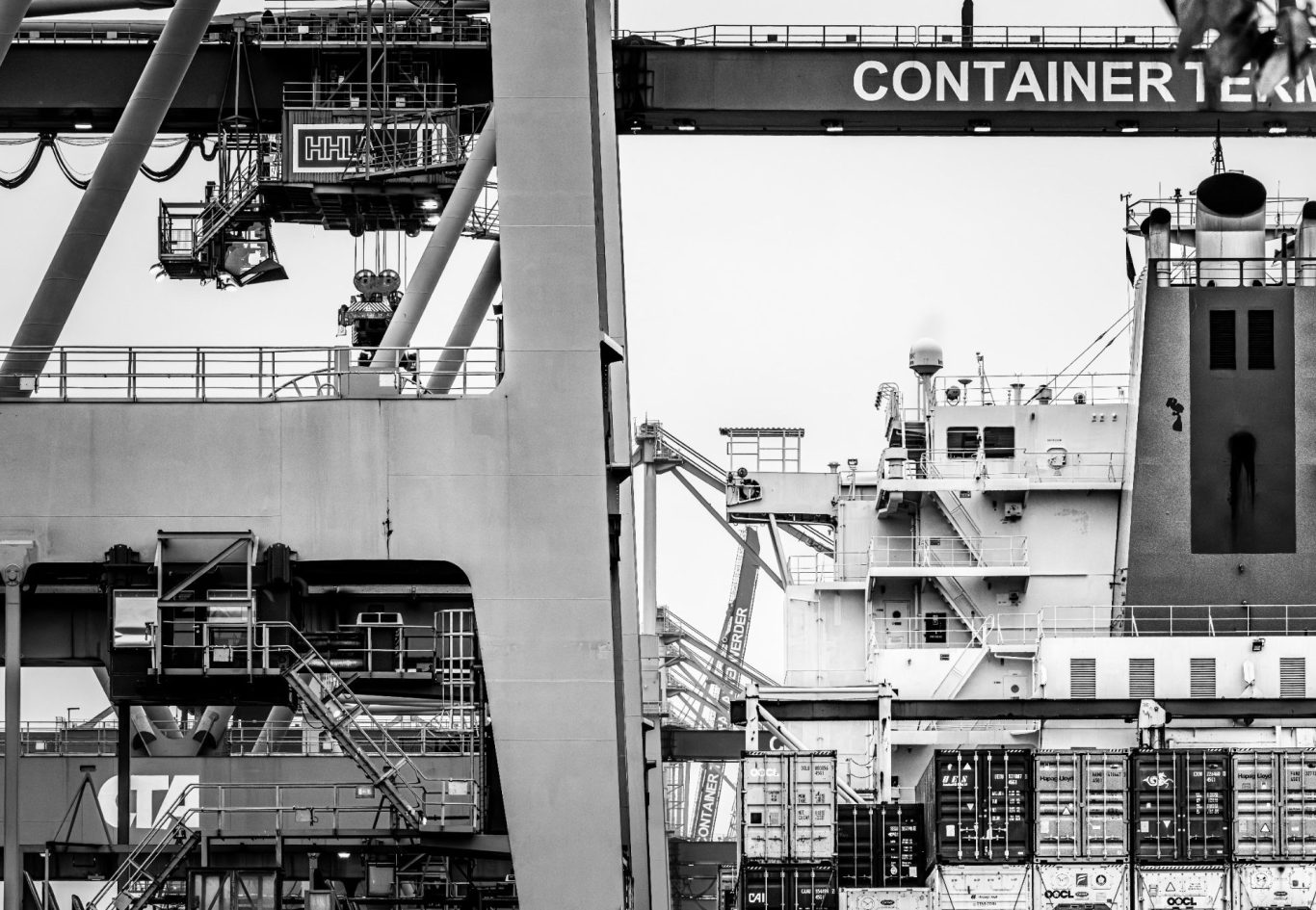
Interface Structure
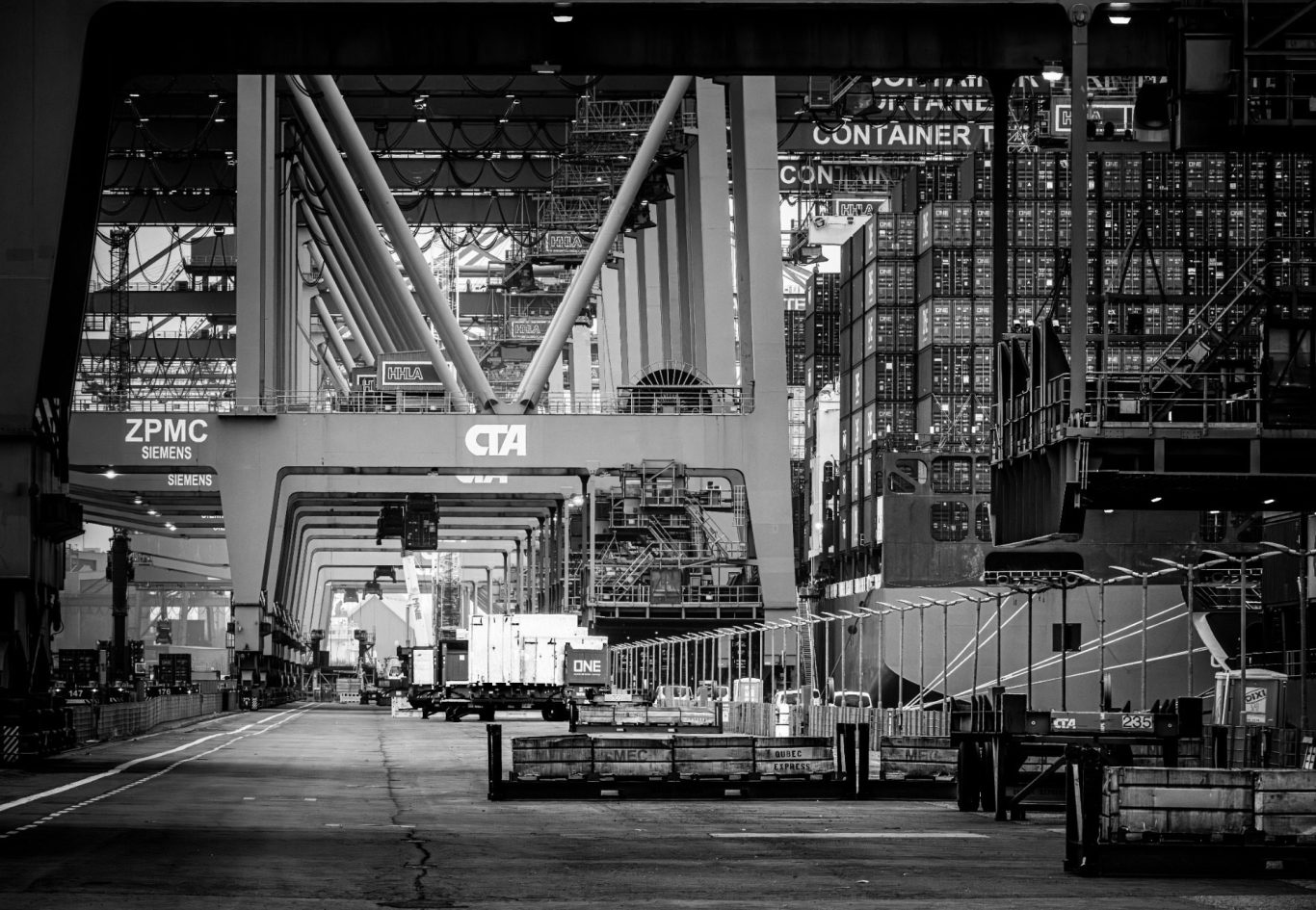
Logistic Axis
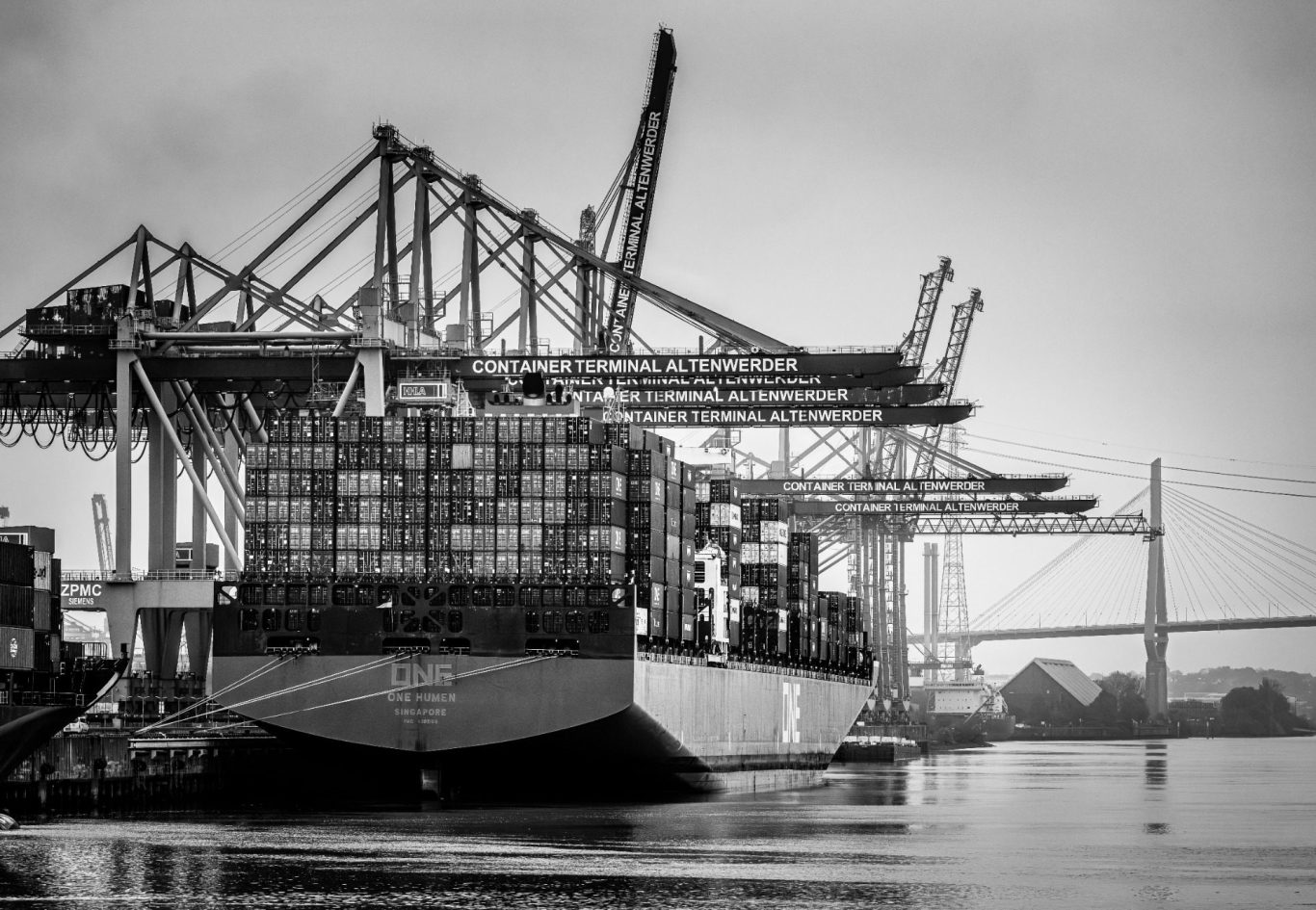
System Vessel
Extended View
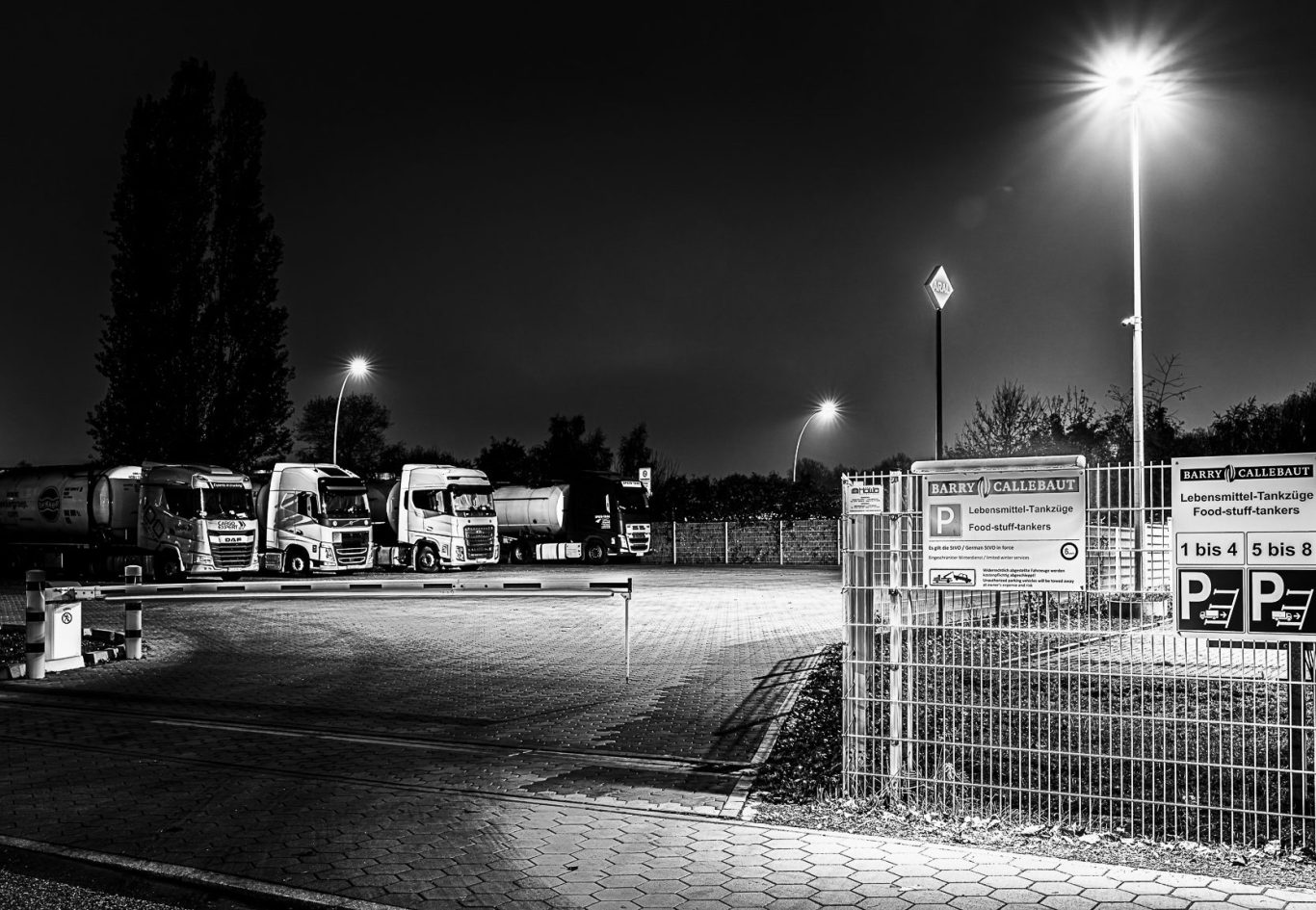
Resting Engines
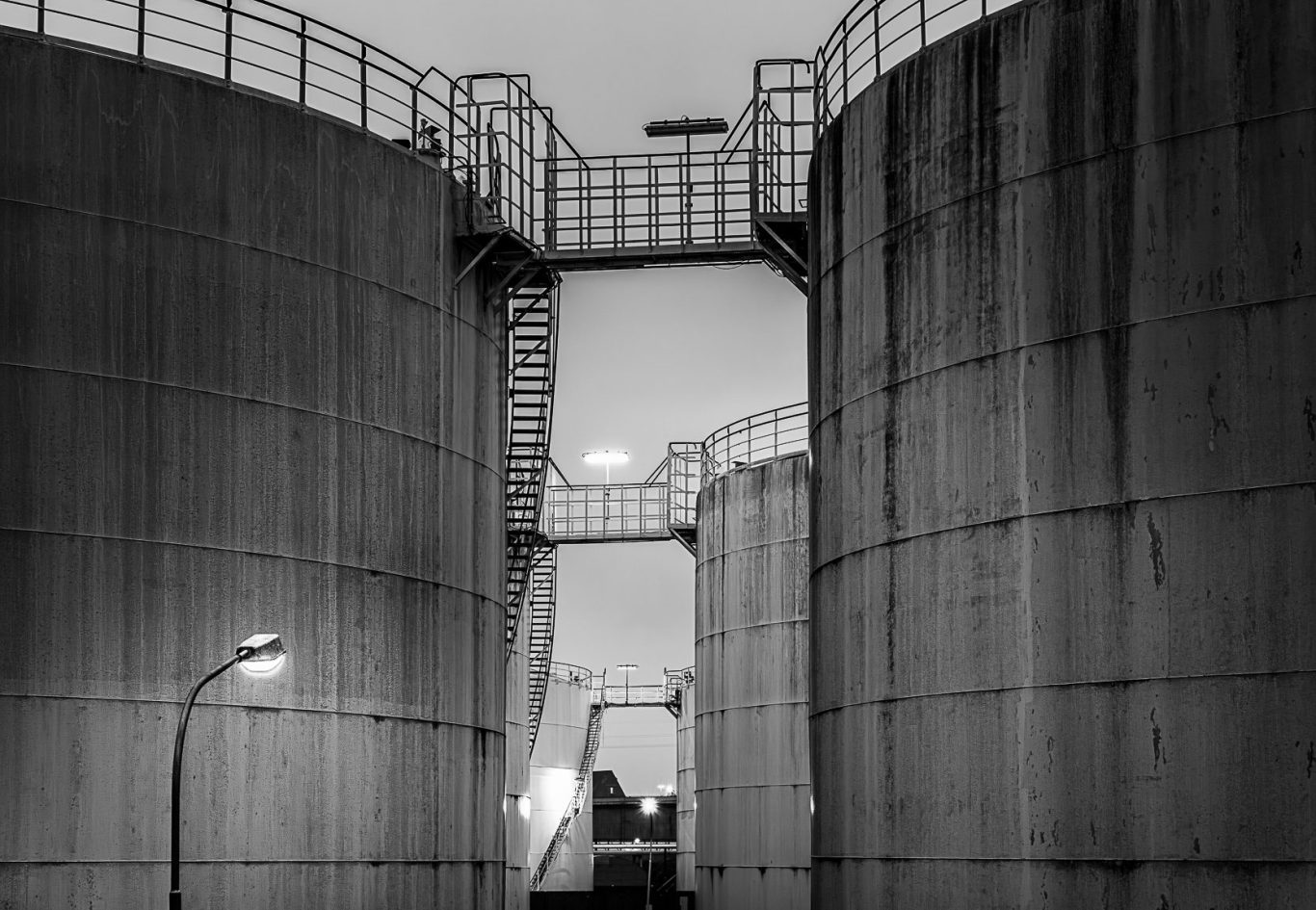
Bridges Of Containment
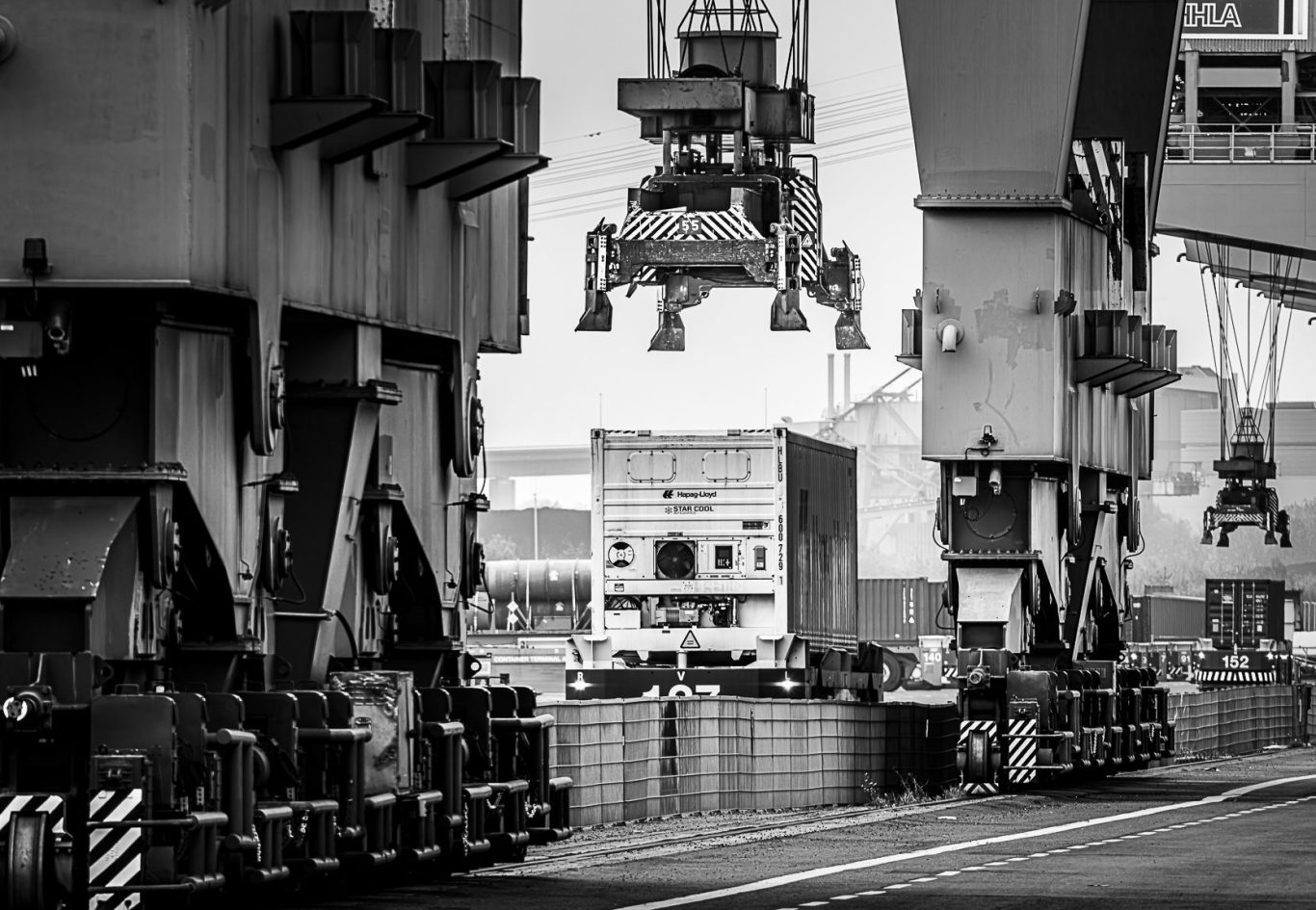
Grasp Of System
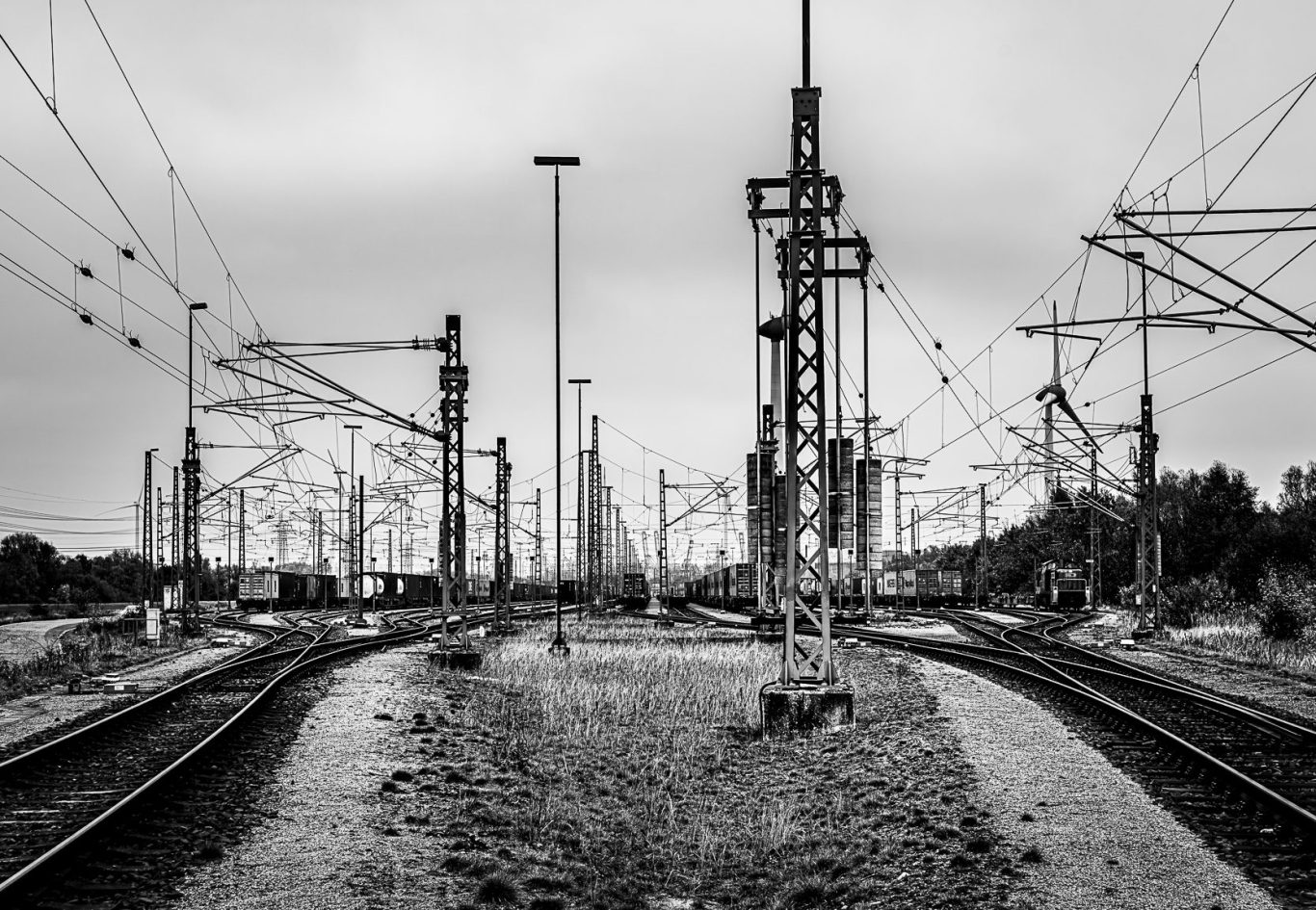
Infrastructural Pulse
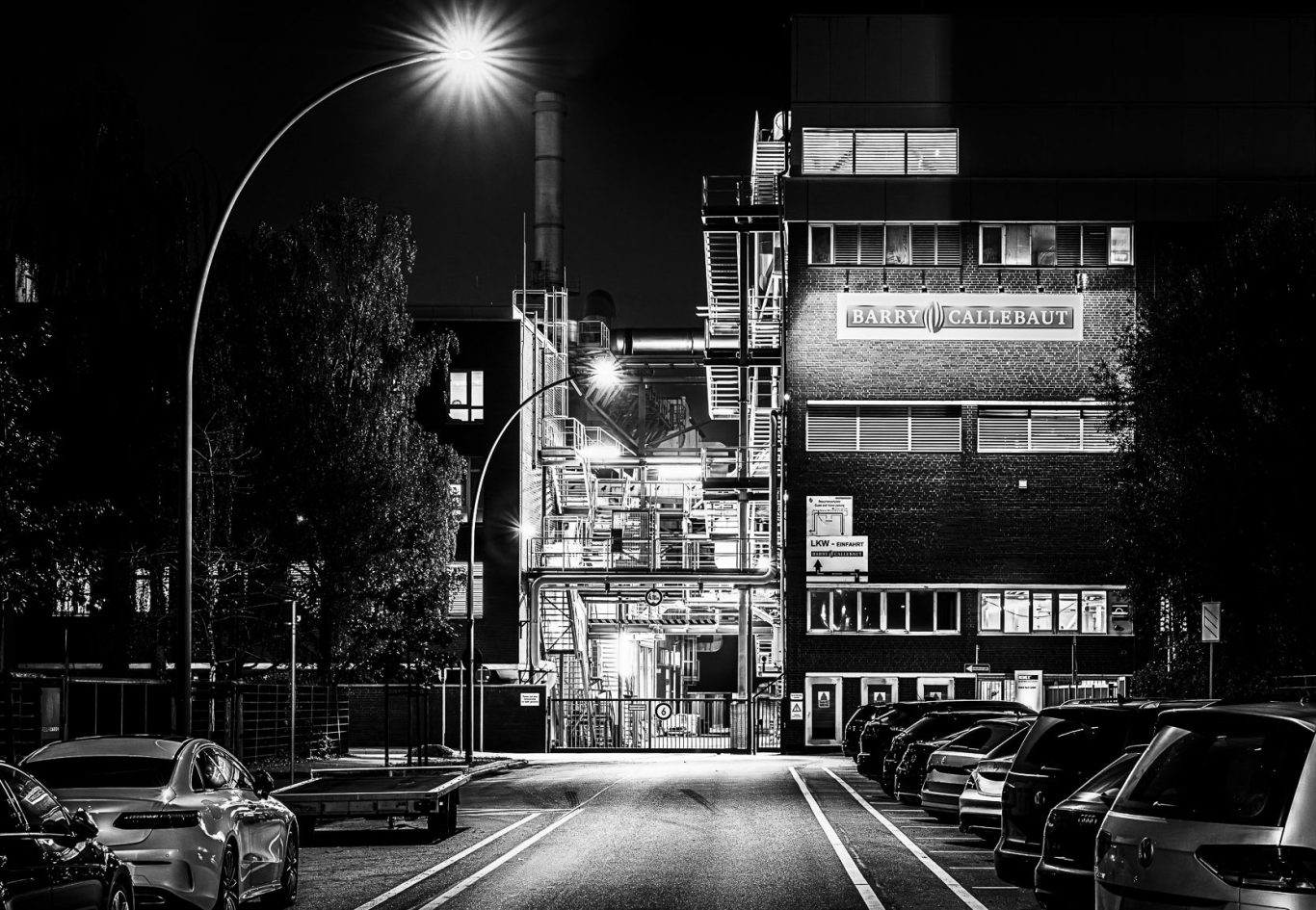
Heart Of Machinery
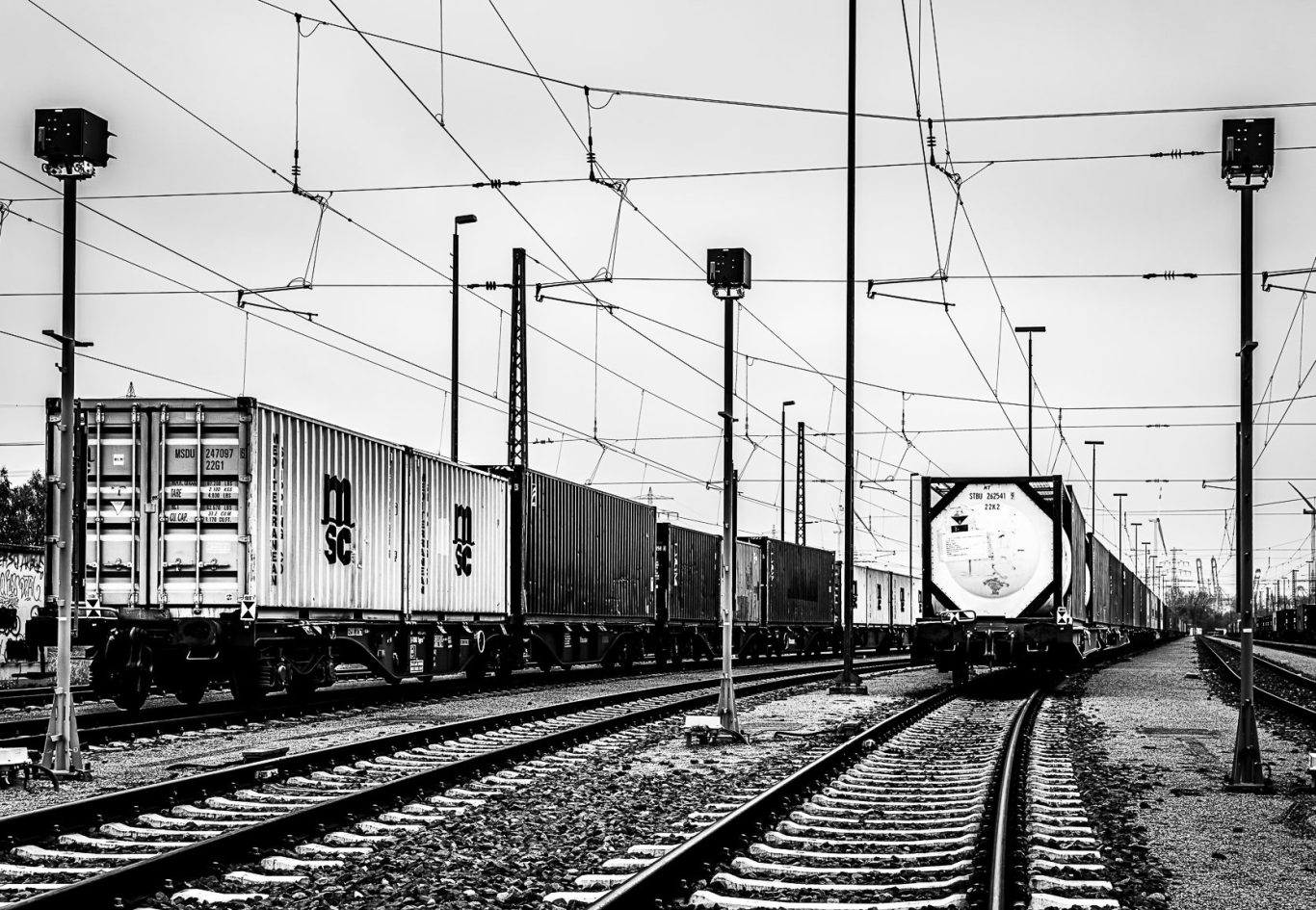
Idle Tracks
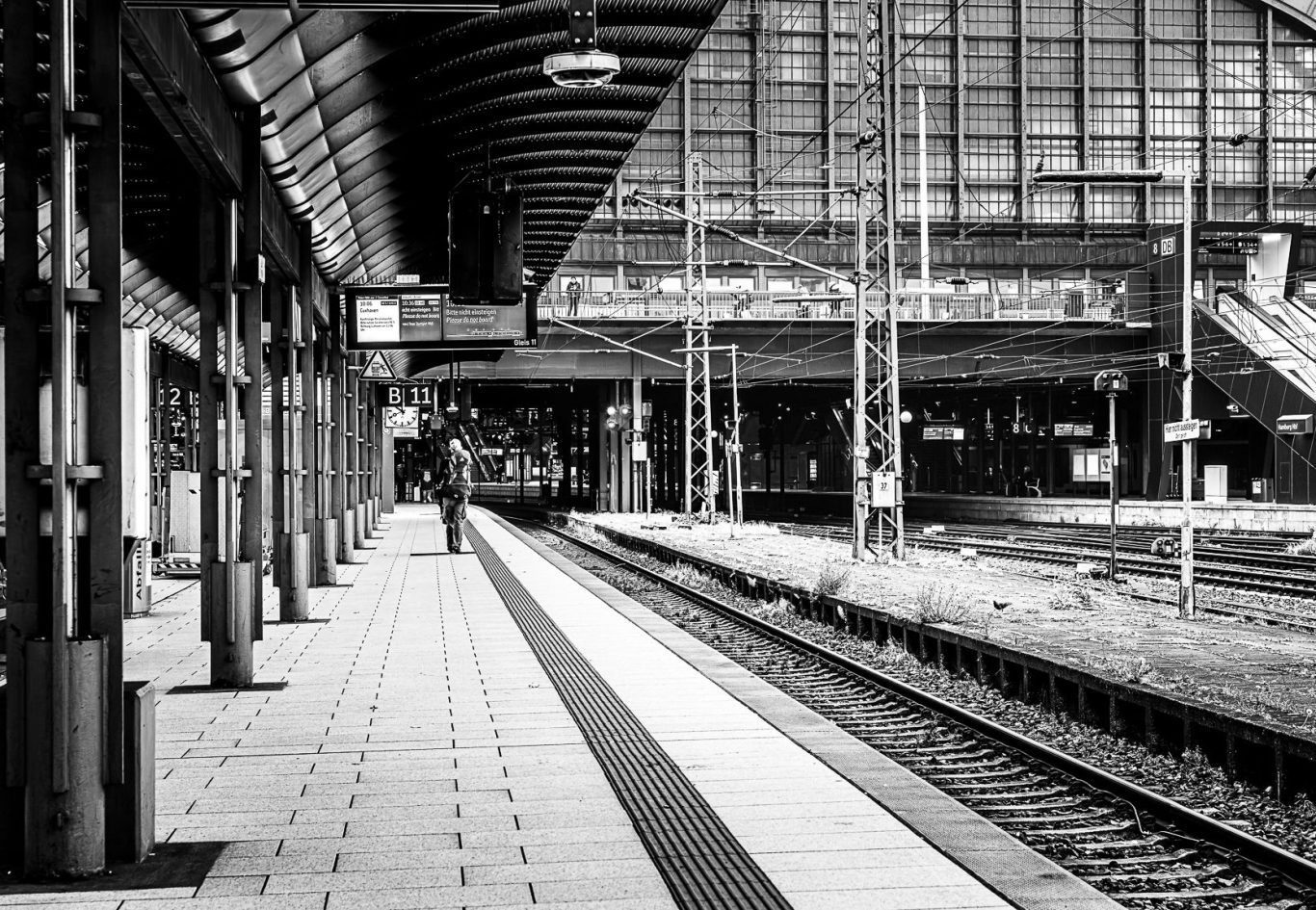
Platform Of Delay
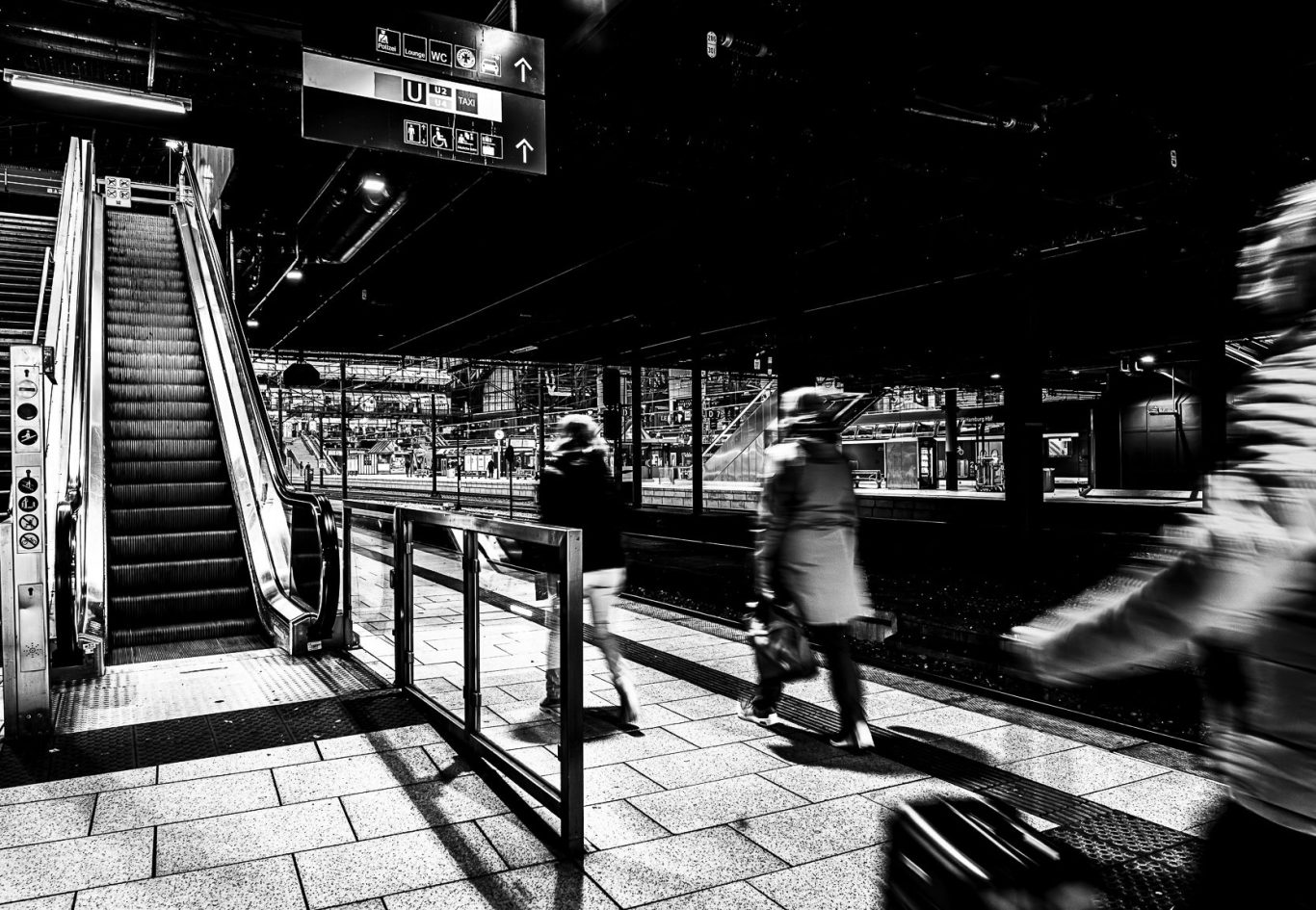
Transit under Pressure
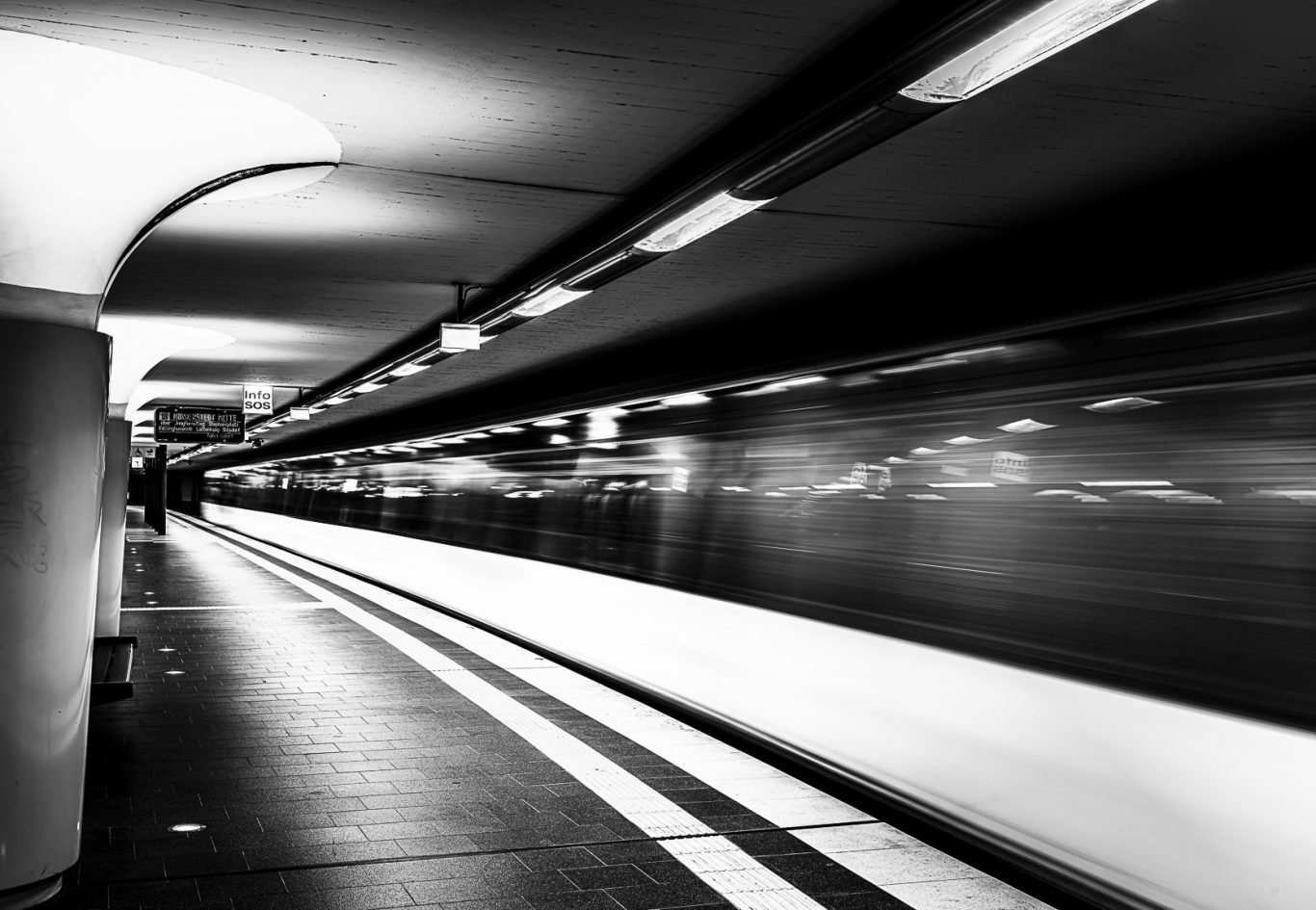
Residual Motion
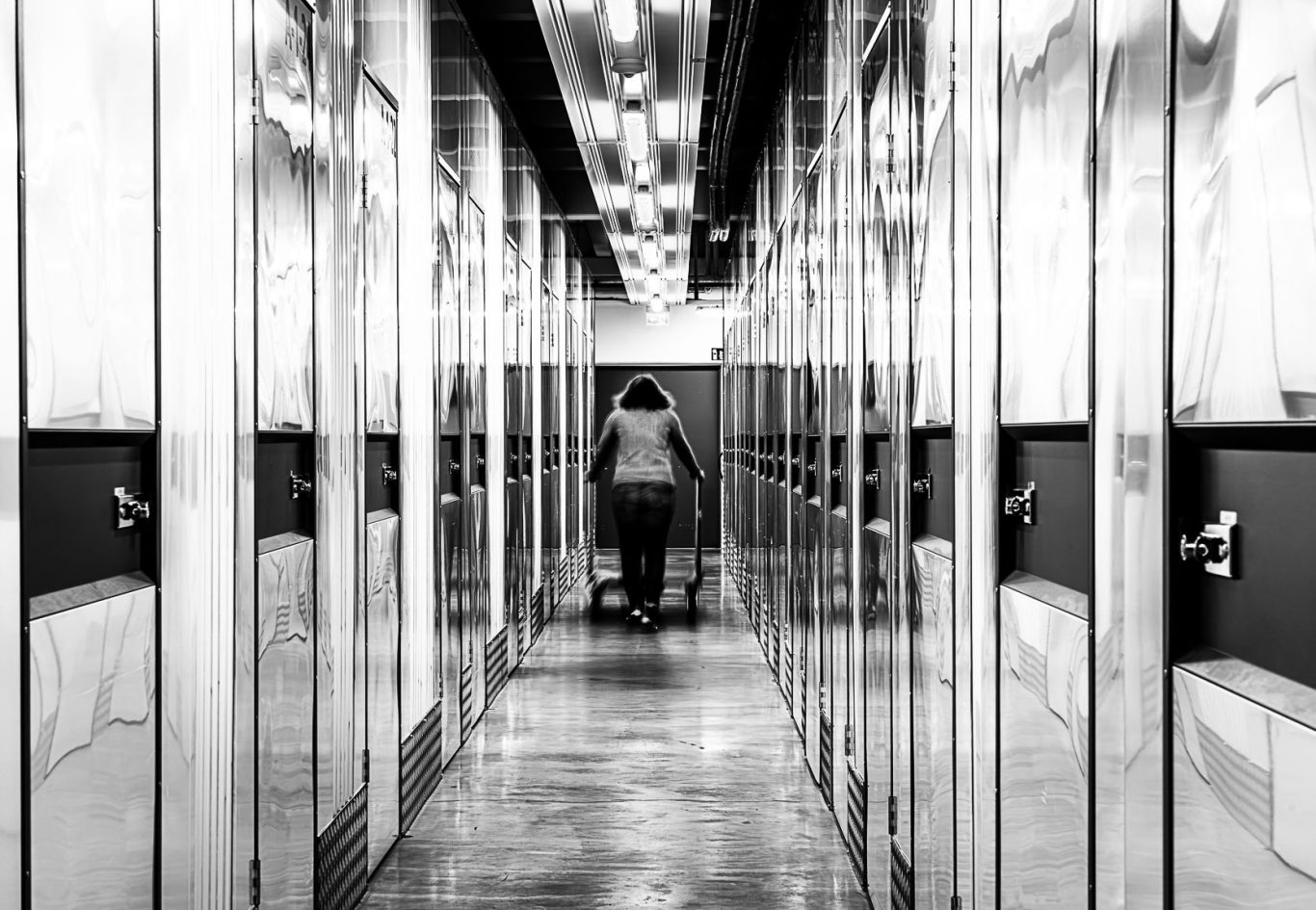
Procession Line
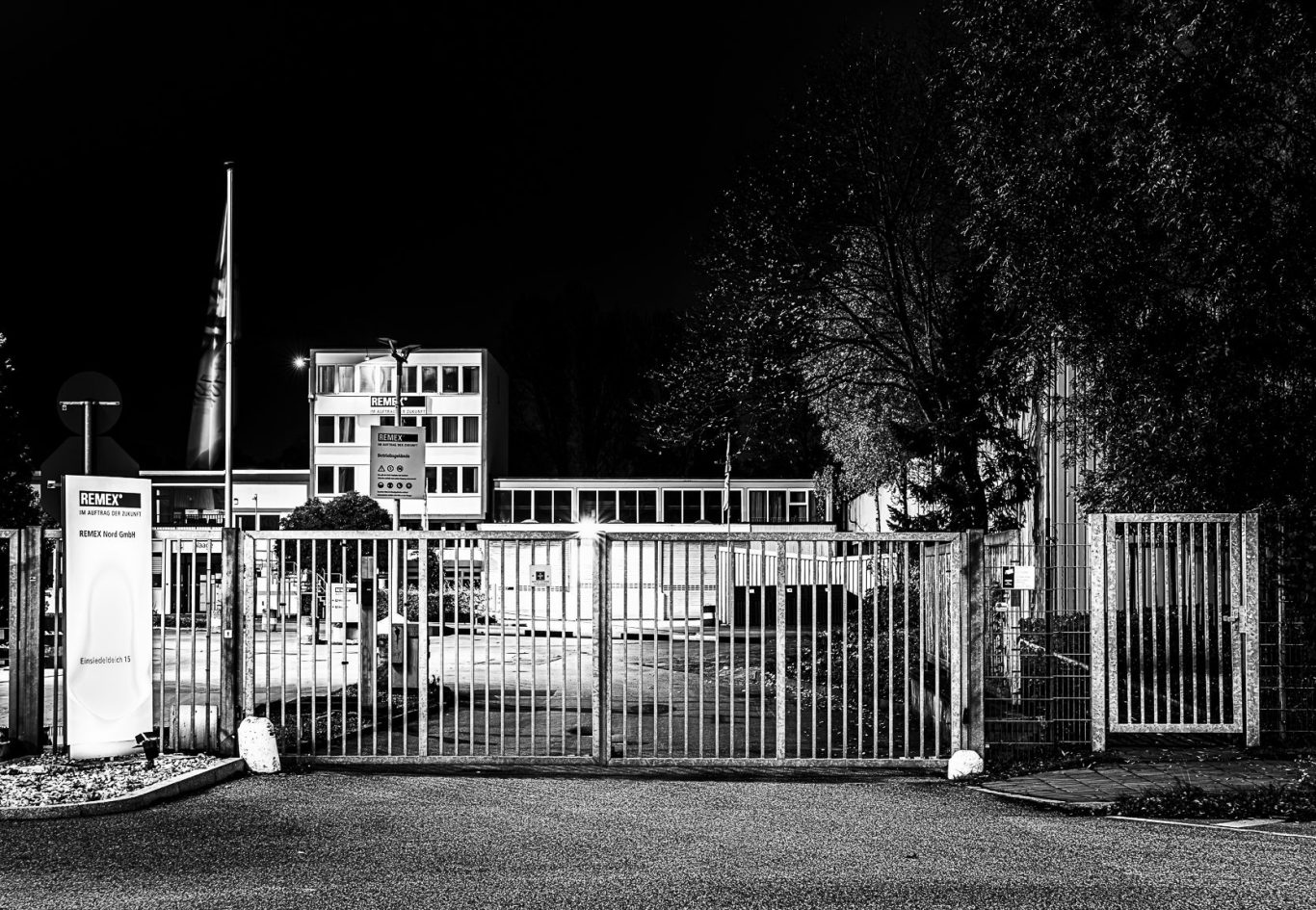
Restricted Area
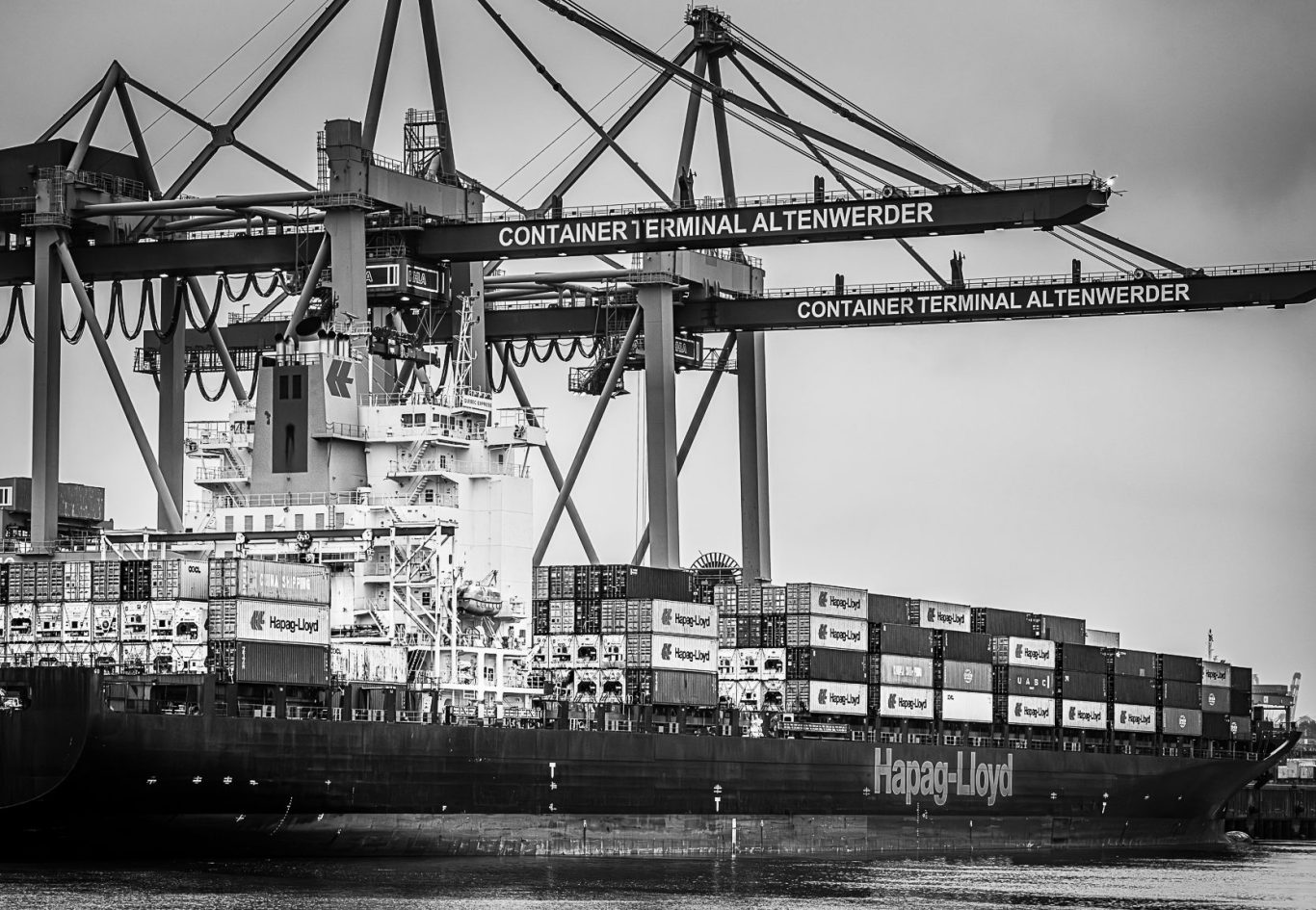
Harbor Sequence